i
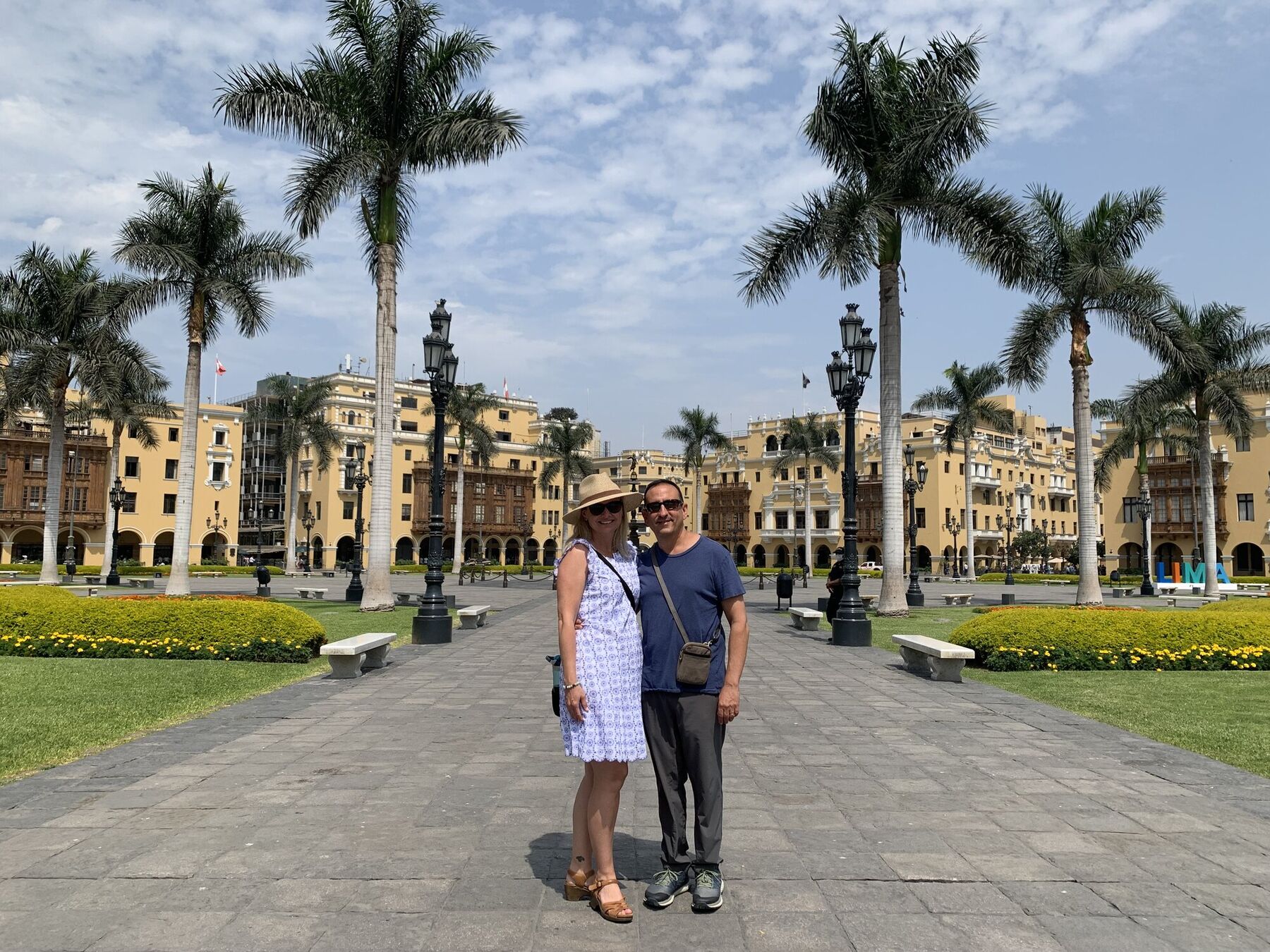
Lima, before the stairs and the altitude got involved.
Where Ancient Wonders Meet Modern Magic (and Mild Altitude-Induced Delirium)
For those of you new to the Stache, we met in Ecuador — two slightly naive do-gooders bonding over a shared fear of guinea pig on a menu and a wanderlust that only grew over the past three decades. We’ve made our way back to South America a few times since the wee-Staches flew the nest. Our first trip to Peru was in March 2022, just the two of us and Lima only, mostly to eat. For this adventure, in May 2025, we brought two other couples to Peru for their first visit. It certainly didn’t disappoint! It did, however, try to kill us with stairs and soroche (that’s altitude sickness, for the uninitiated).
As always, every link in these posts goes straight to the vendor. We don't take commission — on links or on reviews. Ever!
Trust us? Check out our Lima Wander Map, our Valle Sagrado Wander Map, our Machu Picchu Wander Map and our Cusco Wander Map.
*As always, no commissions from our links. We encourage booking early and direct. These maps are always a work in progress, and are curated from all past trips and current research.
These pins also power ai-tinerary, our invite-only itinerary tool. Same stamps, same opinions.
Stached, and then some. We’ve used them on two separate visits, and they deliver a professional yet deeply personal experience. Locally owned, flexible enough to build custom itineraries, and the people who connected us with the community days. Book them direct.
We kicked off in Lima, where the food scene is so good it should come with a warning label. One lunch at Central and three pisco sours later, we were convinced Lima’s chefs have made a secret pact with the gods of flavor. Ceviche so fresh it practically swims off the plate, causa layered like edible modern art, and street-corner anticuchos that taste like someone bottled a barbecue and set it on fire — in the best way. Lima doesn’t just feed you; it flirts outrageously, then sends you to the airport five pounds heavier and deliriously happy.
Fair warning: the tasting menus have gotten much pricier, and the Westin we love sits in traffic that adds half an hour to anywhere worth going.
From sea level to “wait, is this air or a suggestion?” we flew straight into Cusco (3,400 m / 11,150 ft). Thankfully, we headed down the mountain to Explora Valle Sagrado, at 2,900 m (9,514 ft). The Sacred Valley of the Incas is where the altitude drops just enough that you can breathe, laugh, and chew at the same time. We acclimated by wandering the circular terraces of Moray (Inca agricultural laboratory or ancient crop-circle prank? You decide), biking to the surreal salt pans of Maras that look like someone spilled a giant wedding cake into the mountains, and getting gloriously hustled by Quechua grandmothers in Pisac market who could sell ice to penguins.
Pro tip: if a tiny woman in a bowler hat and layered skirts calls you “amiguita” while wrapping you in an alpaca scarf, just hand over your soles. Resistance is futile and frankly embarrassing.
And then, because we apparently hate functioning lungs, we saved Machu Picchu for last. The train from Ollantaytambo to Aguas Calientes is cute, if a bit kitschy. Dawn at Machu Picchu was worth every oxygen-deprived curse word: clouds peeling back like theater curtains, revealing the citadel floating in a sea of green peaks, with llamas photobombing every picture like entitled supermodels. We were ever so thankful that we visited in the off-season — and spent the rest of the day whispering “We’re here, we’re actually here” like a pair of giddy history nerds.
We ended our journey in Cusco, which is ridiculously beautiful: Inca walls so perfectly fitted you can’t slip a credit card between the stones, topped with Spanish colonial balconies because the conquerors apparently thought, “Nice foundation — mind if we park our churches here?” Every cobblestone street feels like a history class you actually want to attend.
: Our Review, After Two Visits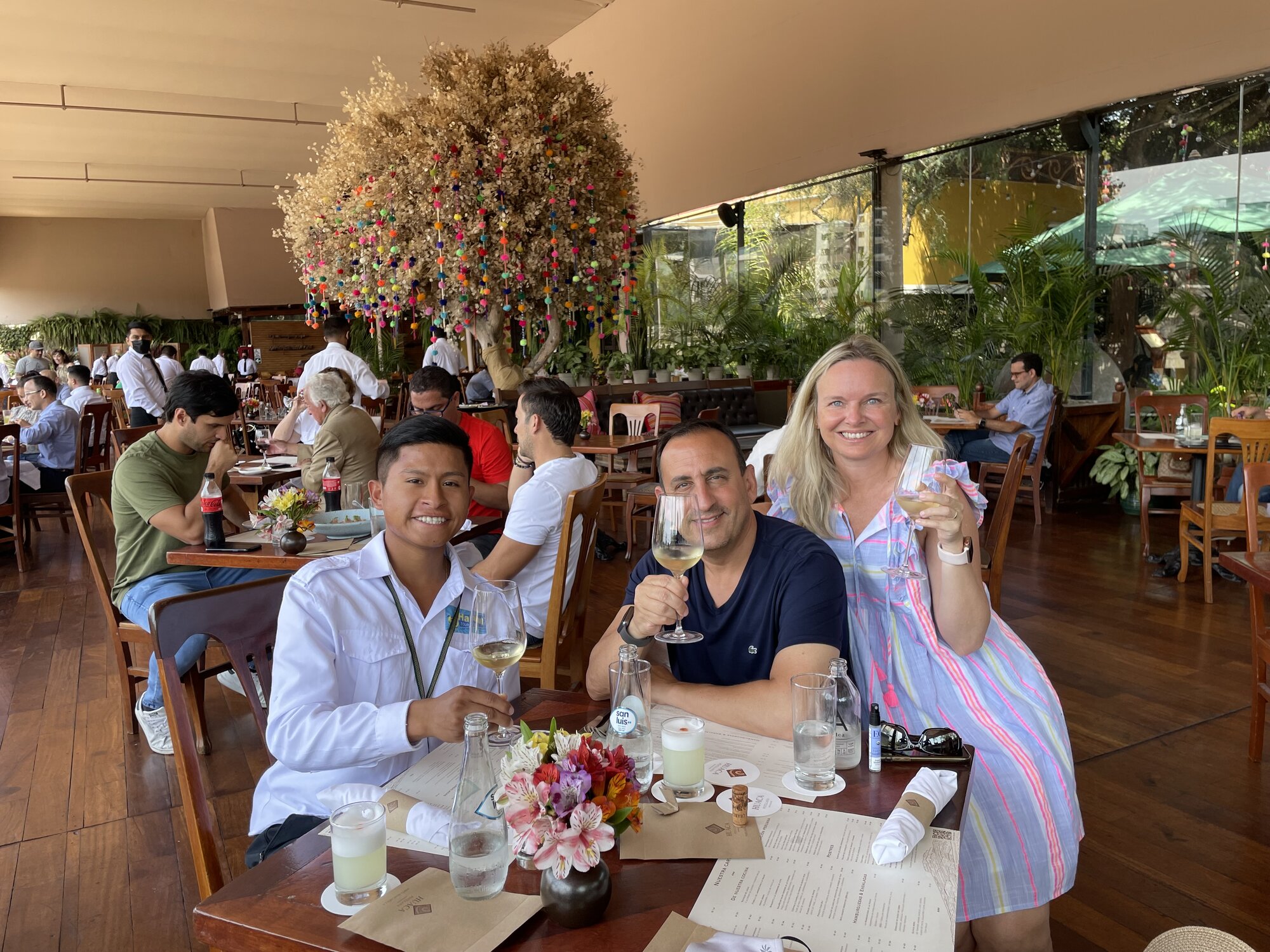
We book direct with locally owned and operated companies whenever we can, and Haku Tours is one we’ve now used on two separate visits, 2022 and 2025. We recommend them for anyone who wants to see the real Lima rather than the standard tour circuit. They are professional, but it still feels personal.
What sets them apart is the social side. Their Shanty Town Tour is a respectful, eye-opening look at daily life in the hillside communities, and it is meant to challenge preconceptions, and it will change your perspective on poverty. Haku is also the principal sponsor of Reciprocity NGO, which supports schools, daycares and communal kitchens in those neighborhoods.
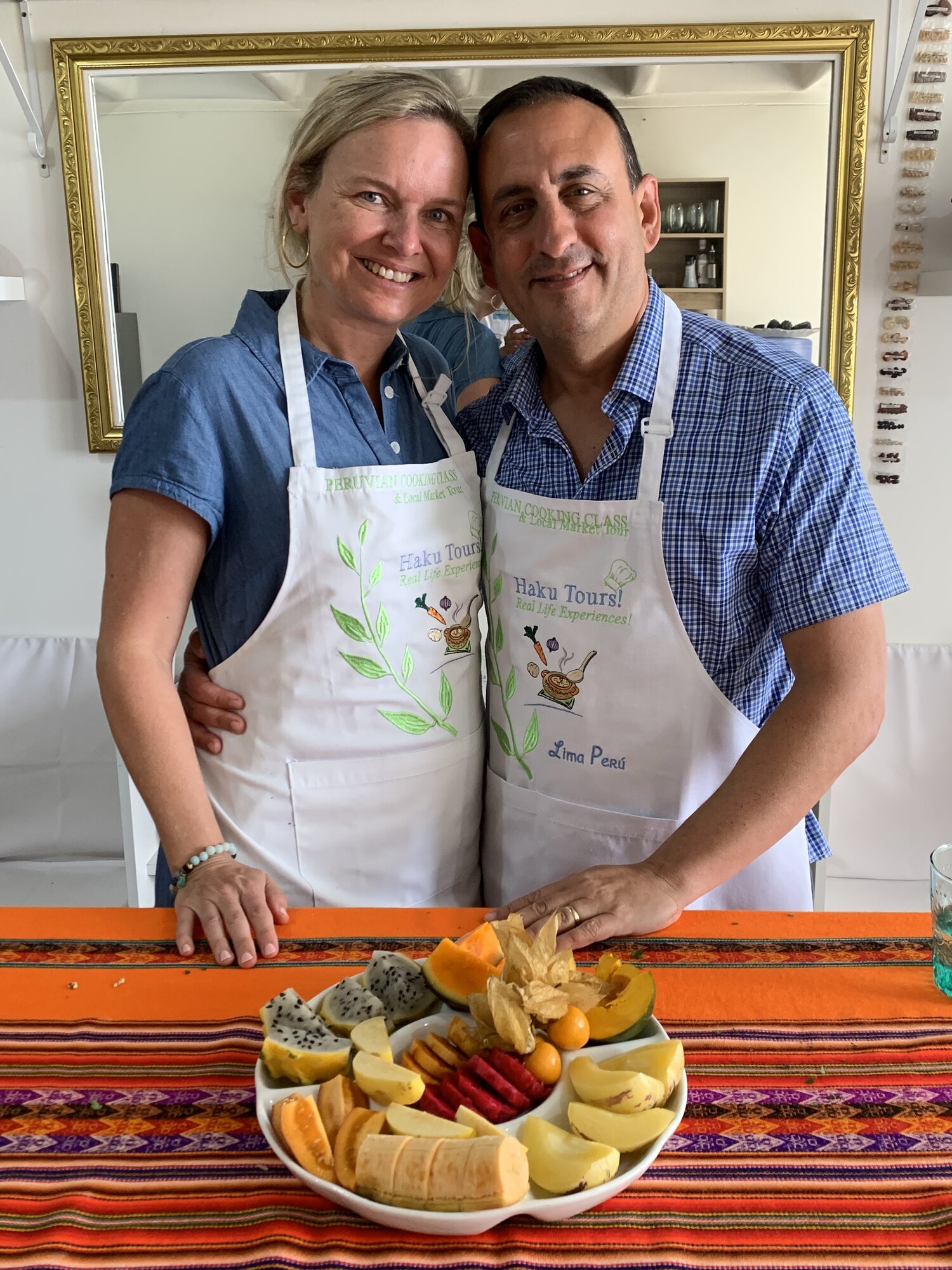
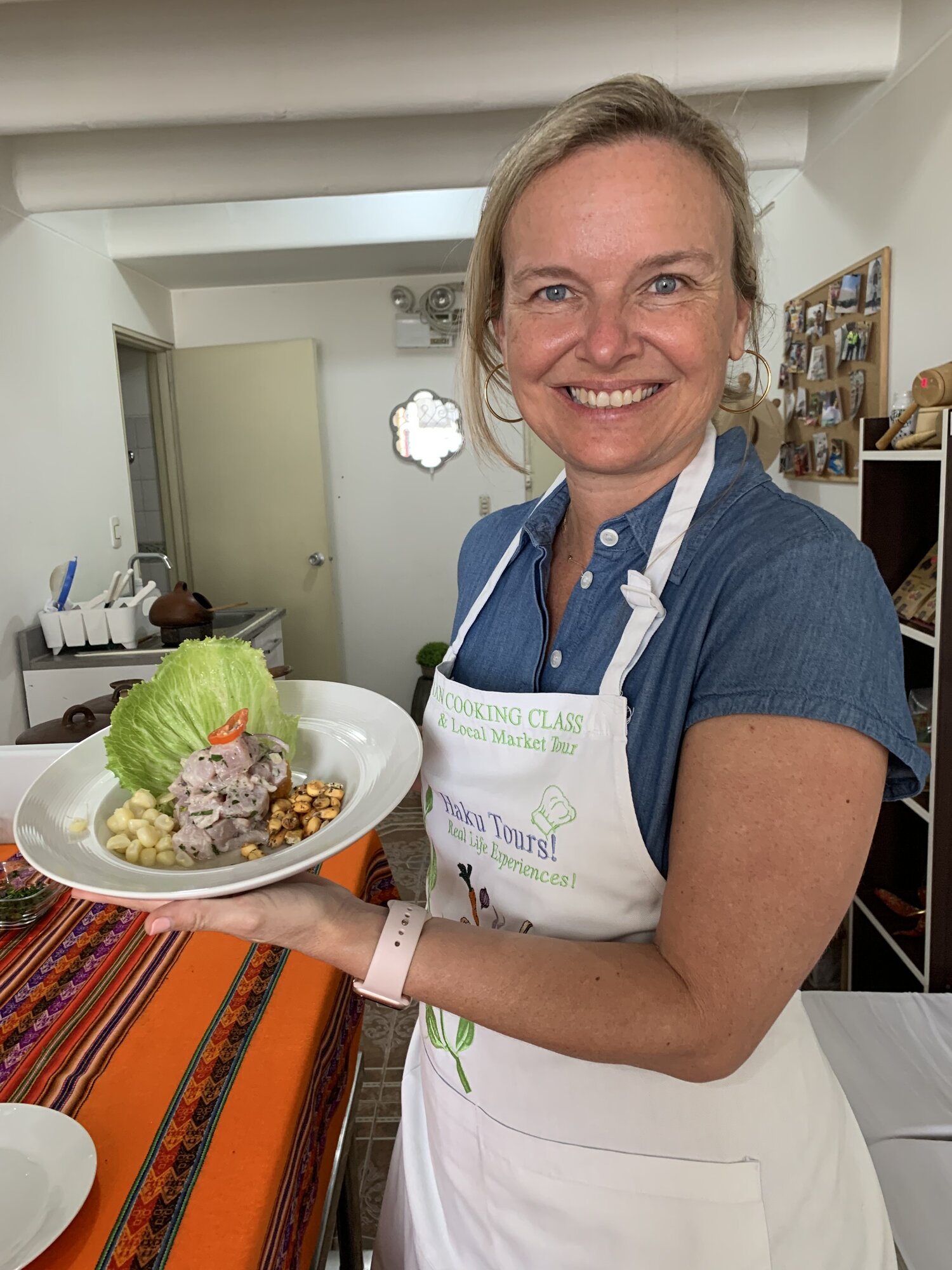
In Lima they also set up our market visit and cooking class with Chef Nindy. We learned lomo saltado and classic ceviche, and it was great fun.
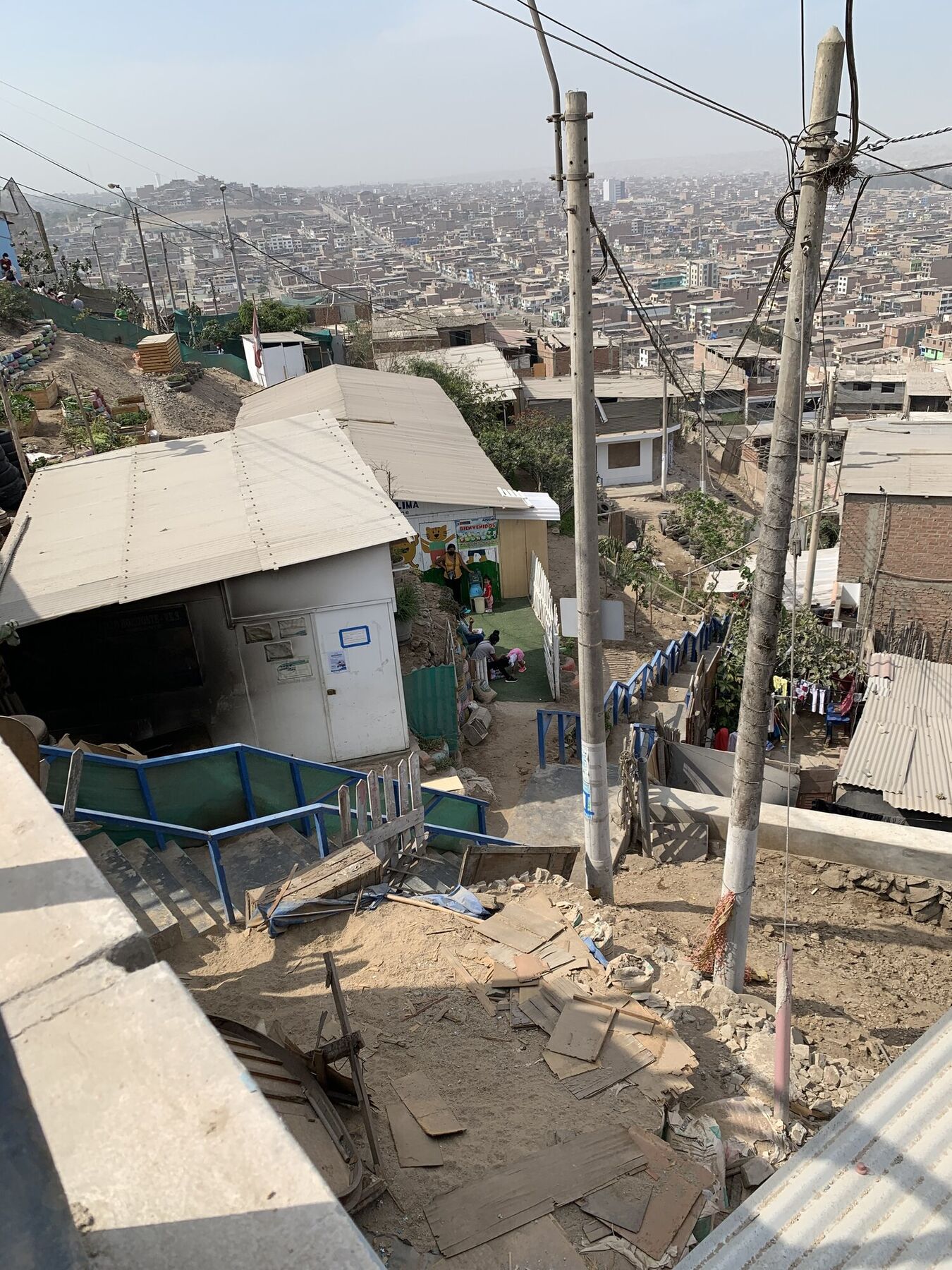
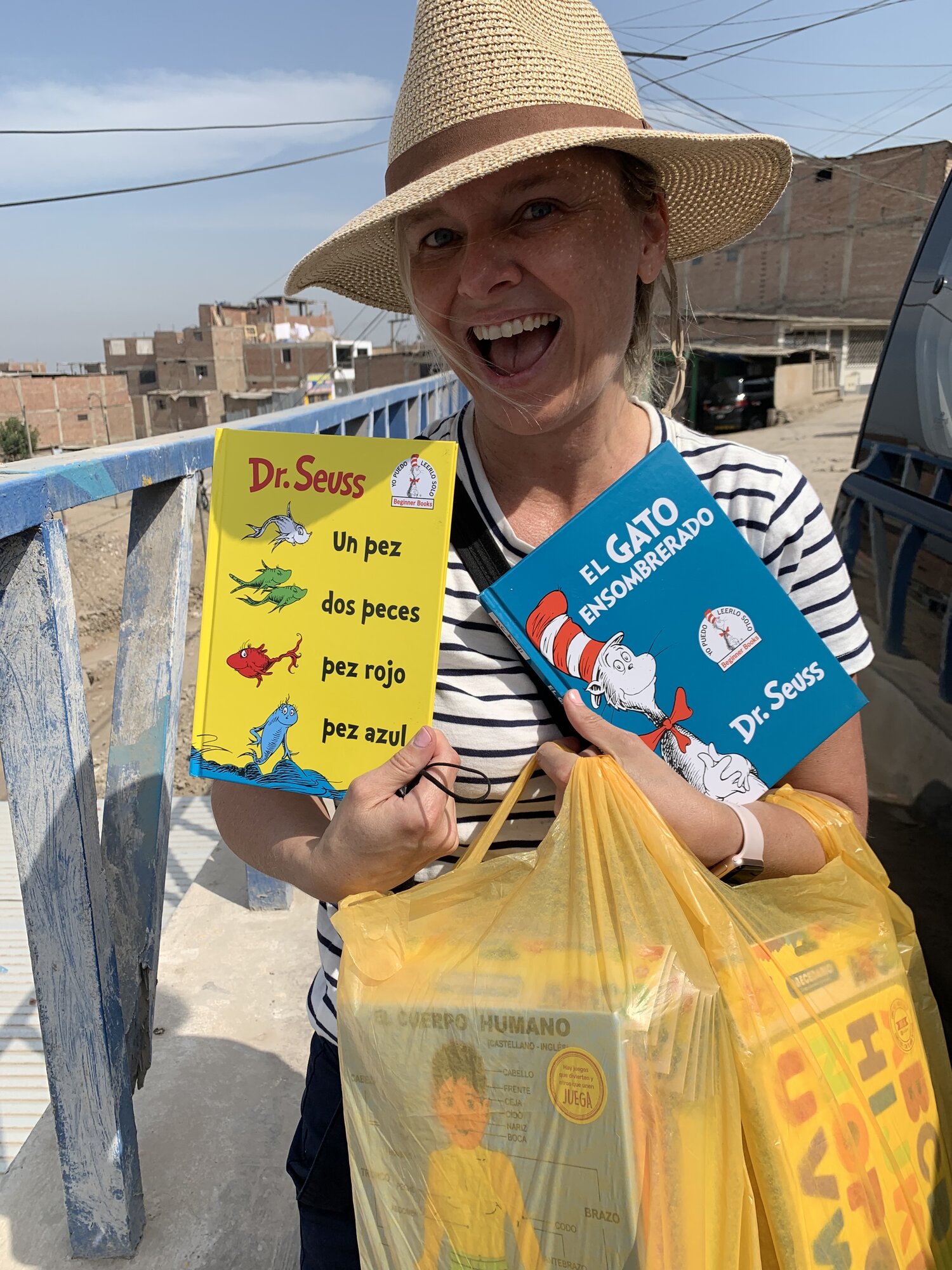
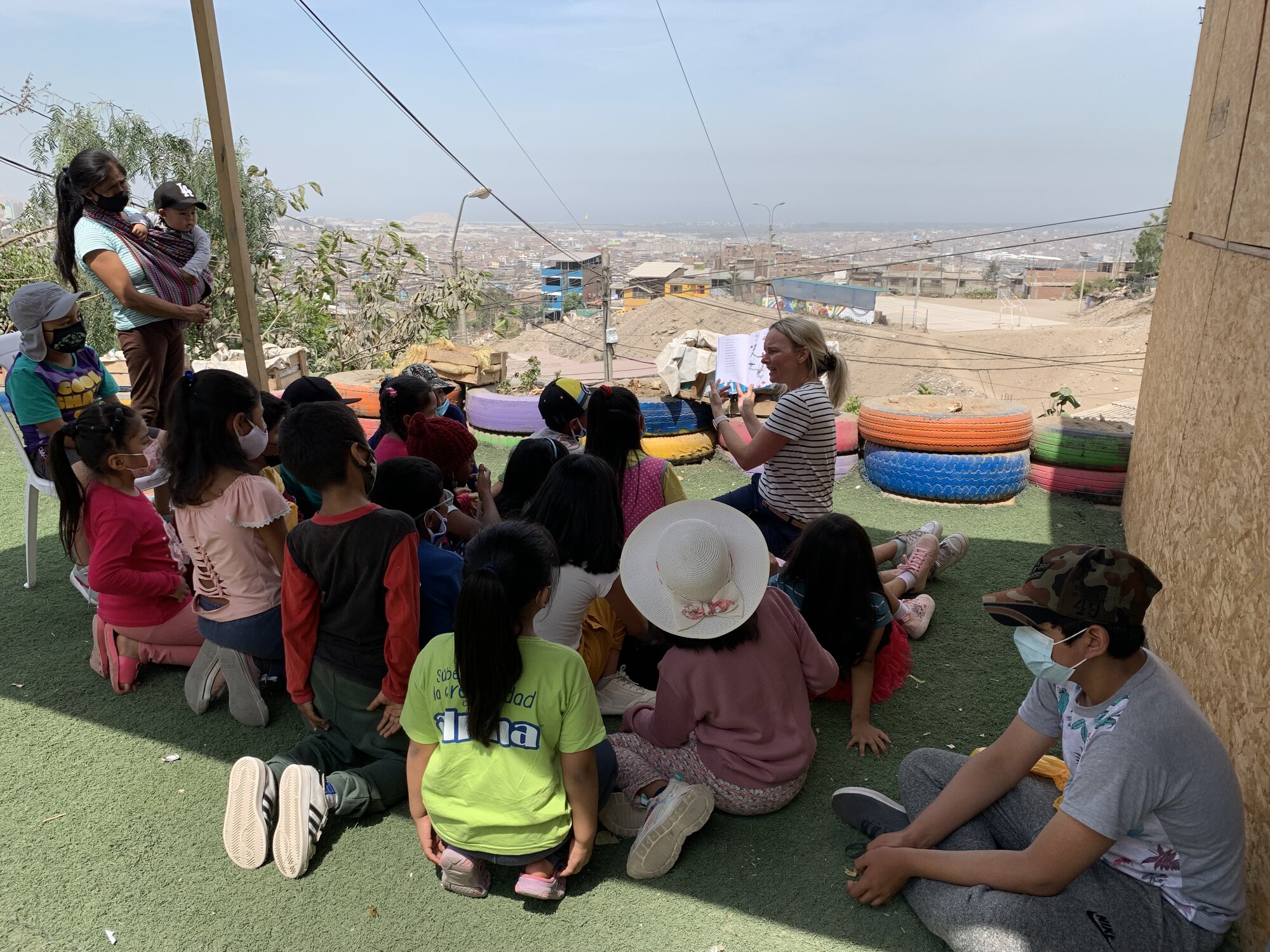
On our first visit we wanted to do more than eat our way through Lima. Through Haku and Reciprocity NGO we spent a day in a pueblo joven. We brought about 30 English-Spanish books to start a library, learning aids, and food and pantry supplies. She-Stache read El Gato Ensombrerado (The Cat in the Hat) to the children in Spanish, and the day ended with lunch at the home of a village elder. It wasn’t charity. It was community.
In 2025 some friends wanted to help but weren’t comfortable visiting the communities themselves. Over coffee, a village organizer told us what they needed most: cement for the foundation of a new school and community center. So we funded that, and learned that every book from our first visit is still there.
The trip to Lima’s version of Home Depot with community members who knew exactly what was needed was quite the education. What started as a desire to do something meaningful has become an ongoing relationship.
Peru is that rare place that still feels like it belongs to its past and its people, even while happily charging you $70 for the Machu Picchu entrance ticket. The culture isn’t preserved in aspic; it’s alive — spoken in Quechua on the bus, woven into textiles sold by the women who made them, offered to Pachamama with coca leaves at sunrise.
Bringing friends here now is our favorite kind of payback: watching their jaws drop in the same spots ours did, handing them coca tea with a smirk and saying, “Welcome to thin air and thick history.” Peru doesn’t just let you visit — it lets you feel, for a little while, like you’ve slipped into a story that was already being told long before you arrived… and will keep going long after you leave, slightly dizzy, completely in love, and smelling faintly of roasted cacao and mountain air.
The Staches will be back.
No kick-backs for links. Ever.
Haku Tours
Our local guides in Lima, and the sponsor of Reciprocity NGO. Book direct.
Visit →