i
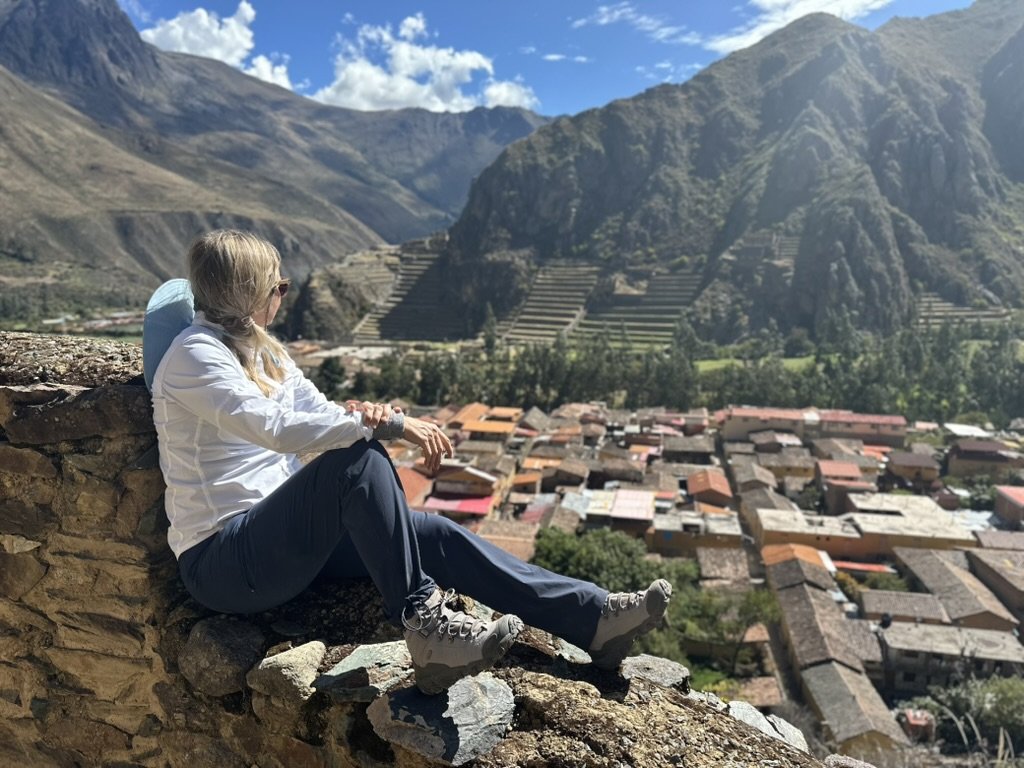
Above the Sacred Valley.
The Breadbasket of the Incas & Soul of the Andes
Nestled in the heart of the Peruvian Andes, Valle Sagrado (the Sacred Valley) is a place where ancient history and modern life coexist in a beautiful — and sometimes hilarious — harmony. Once the spiritual heartland of the Inca Empire, it remains the kind of destination where you can contemplate the mysteries of the universe in the morning and be outsmarted by a hungry llama by lunch.
As always, every link in these posts goes straight to the vendor. We don't take commission — on links or on reviews. Ever!
Trust us? Check out our Valle Sagrado Wander Map.
*As always, no commissions from our links. We encourage booking early and direct. These maps are always a work in progress, and are curated from all past trips and current research.
These pins also power ai-tinerary, our invite-only itinerary tool. Same stamps, same opinions.
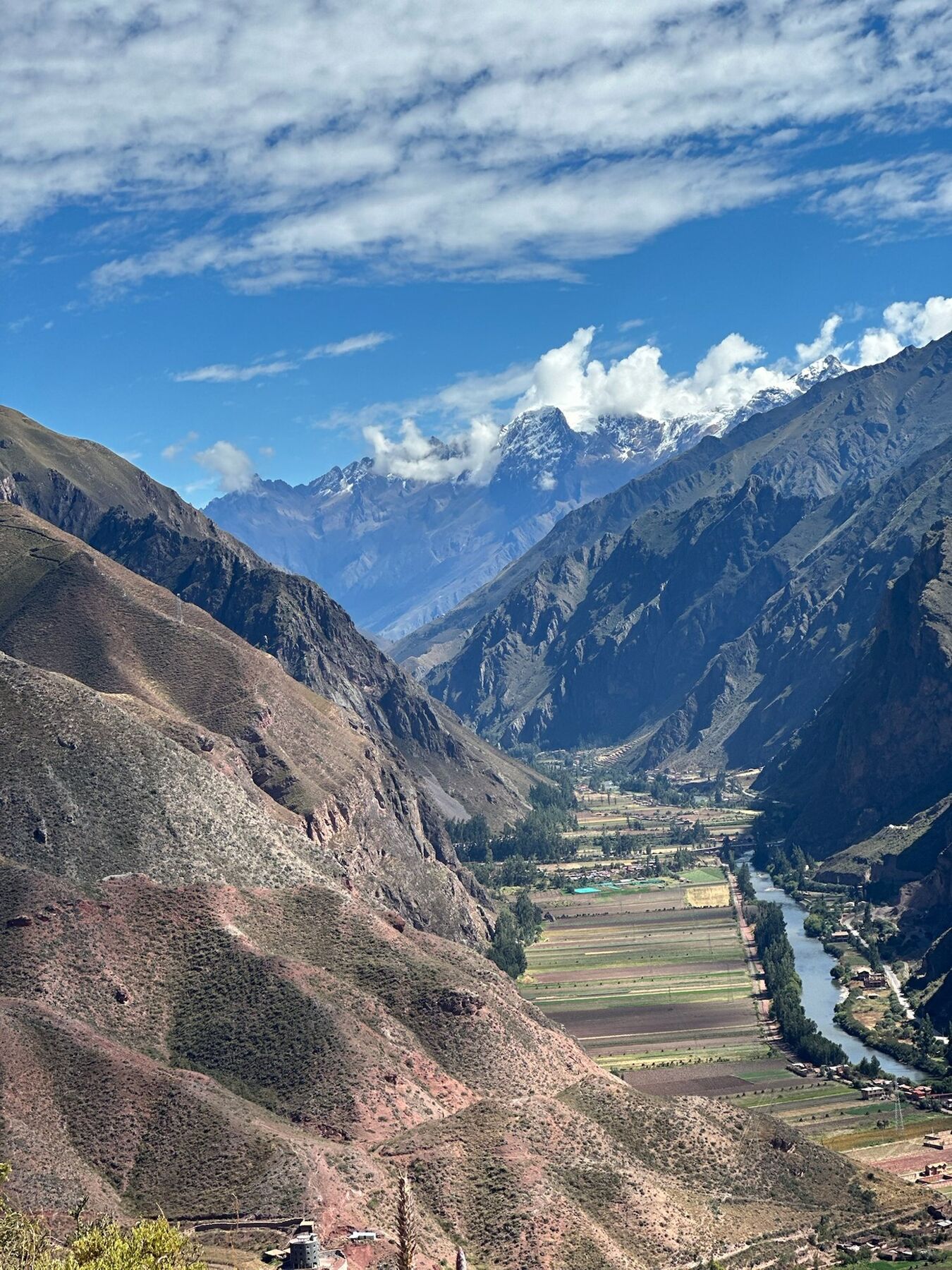
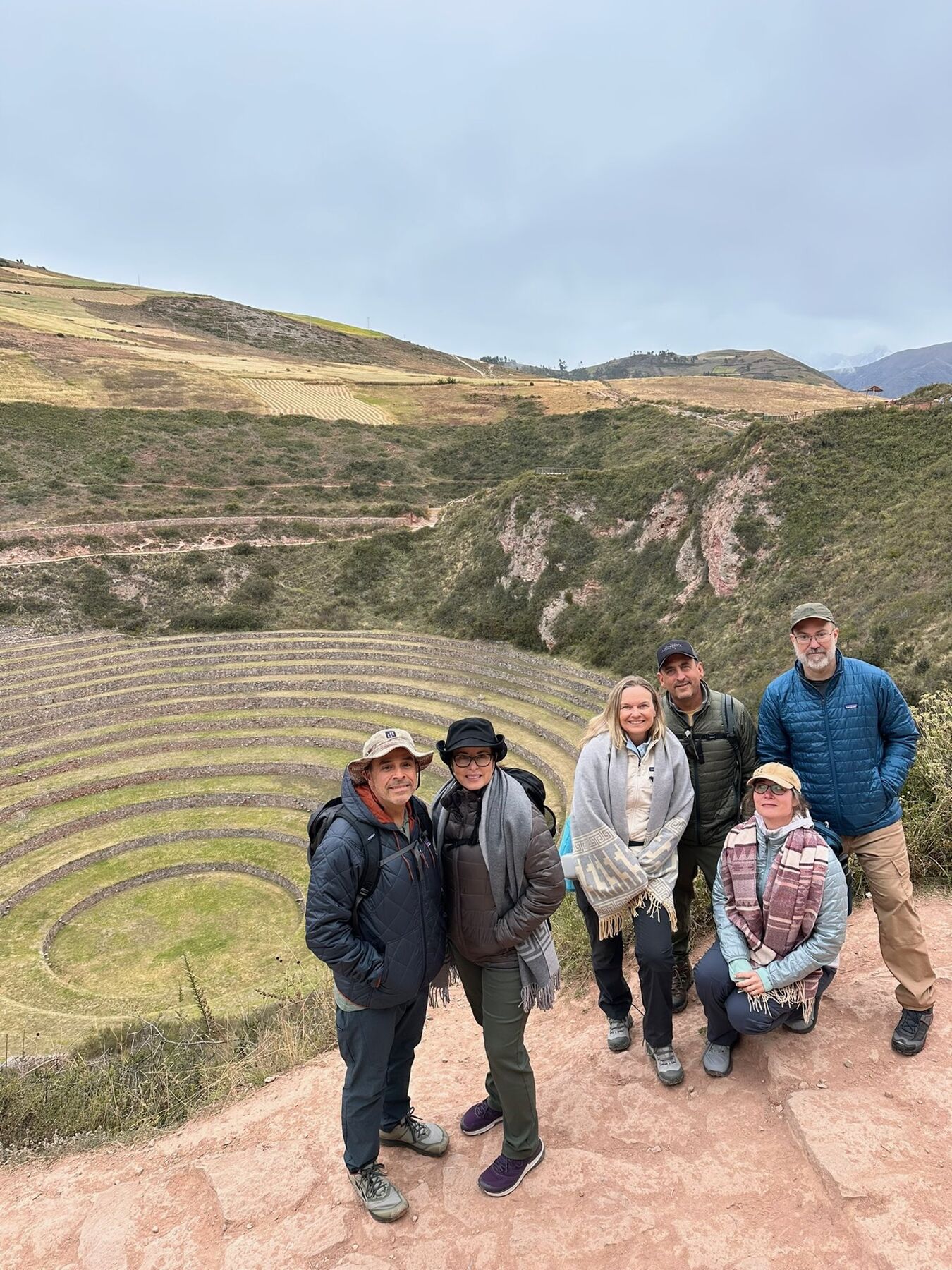
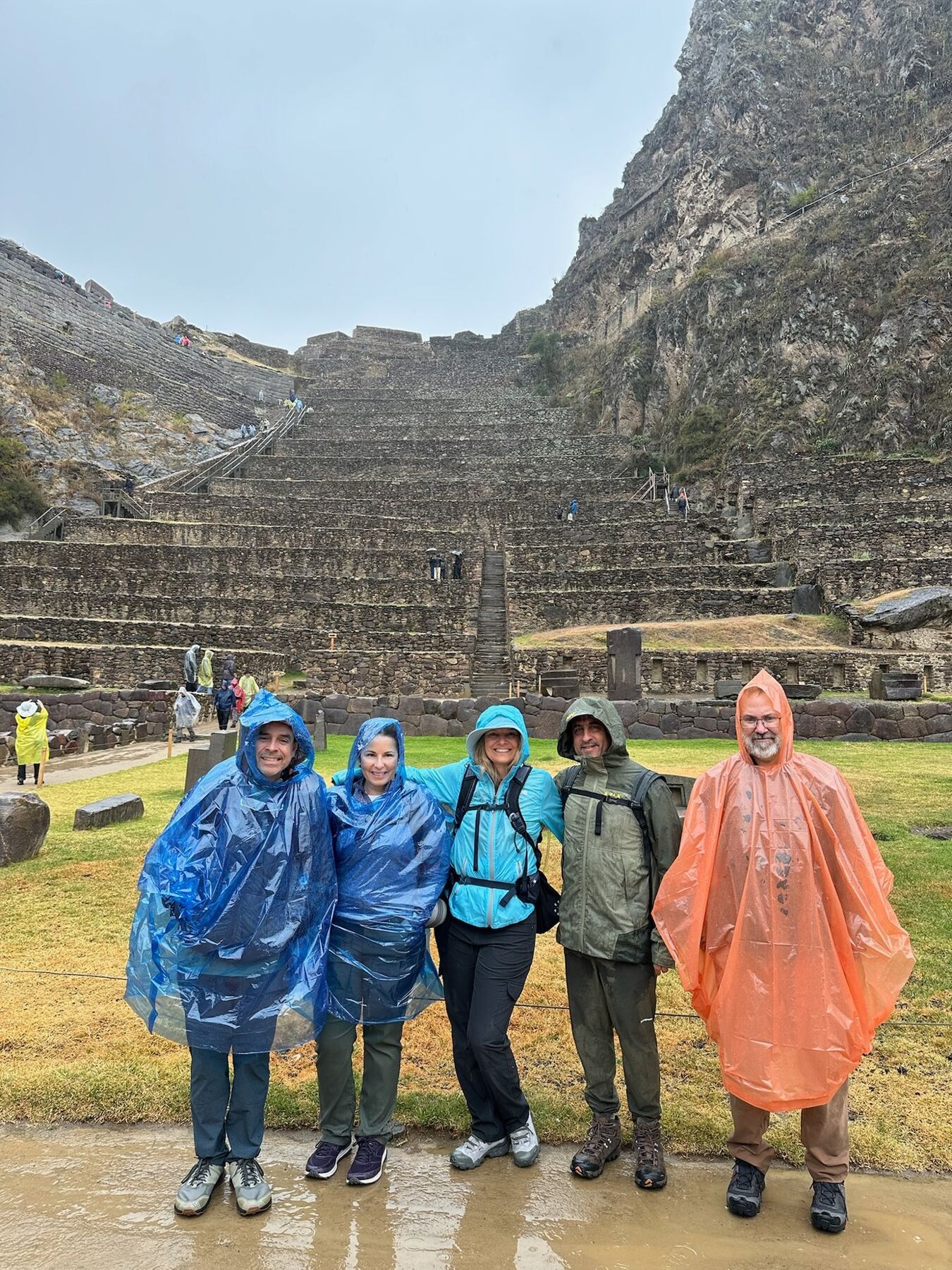
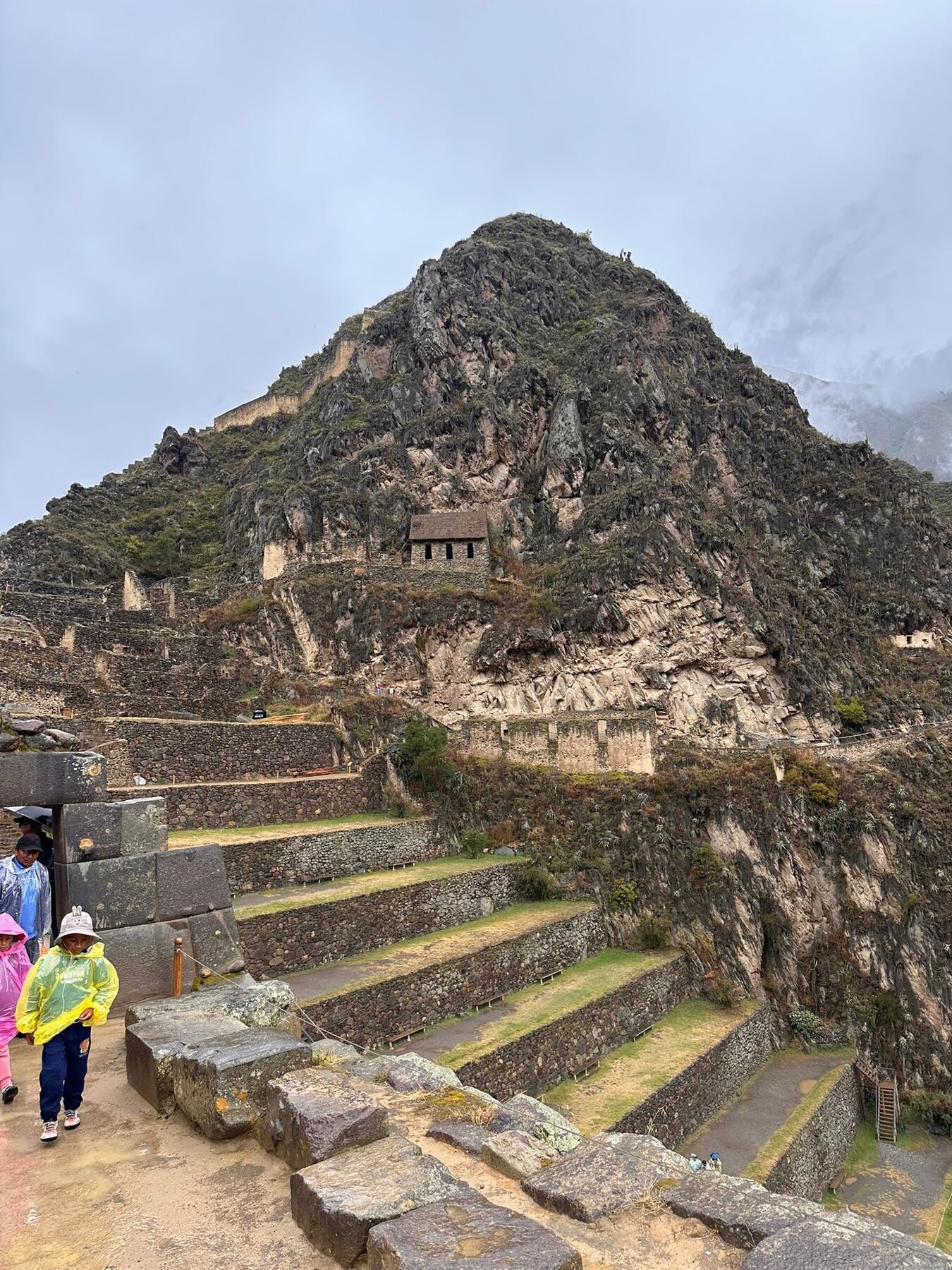
The valley is a treasure trove of archaeological sites that prove the Incas were essentially the overachievers of the ancient world. You can explore the dizzying agricultural terraces of Moray, which look like giant alien crop circles but were actually a high-tech farming lab. Meanwhile, in Ollantaytambo, you’ll find stone stairs so steep they’ll make you wonder if the Incas had quadriceps made of granite.
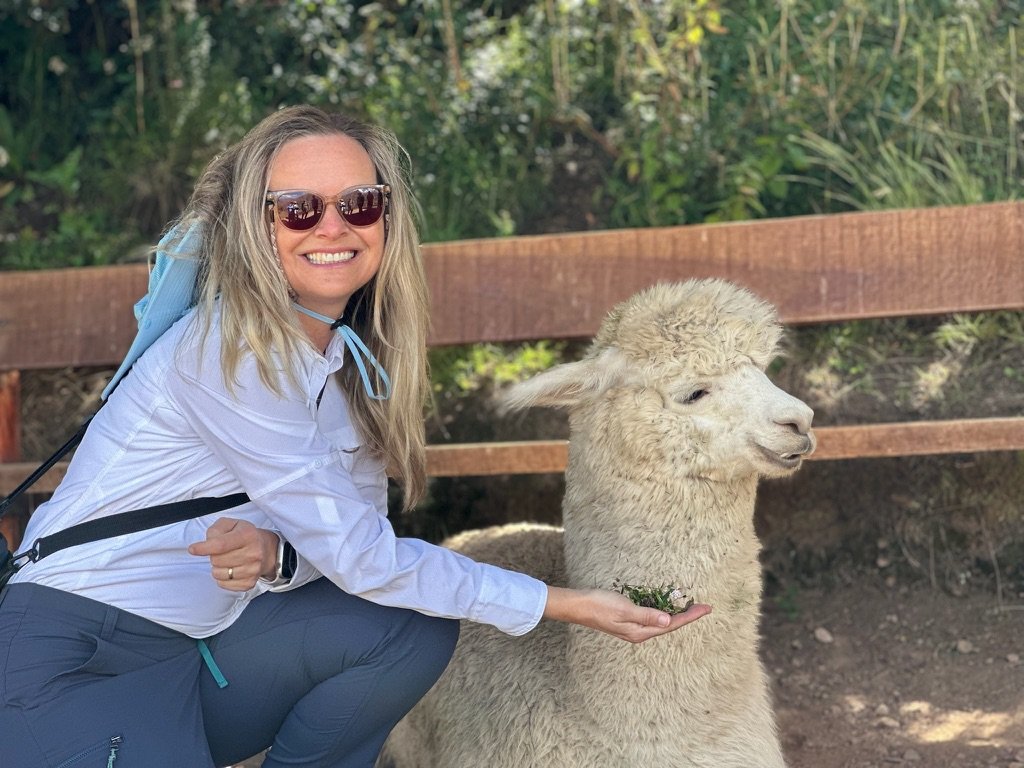
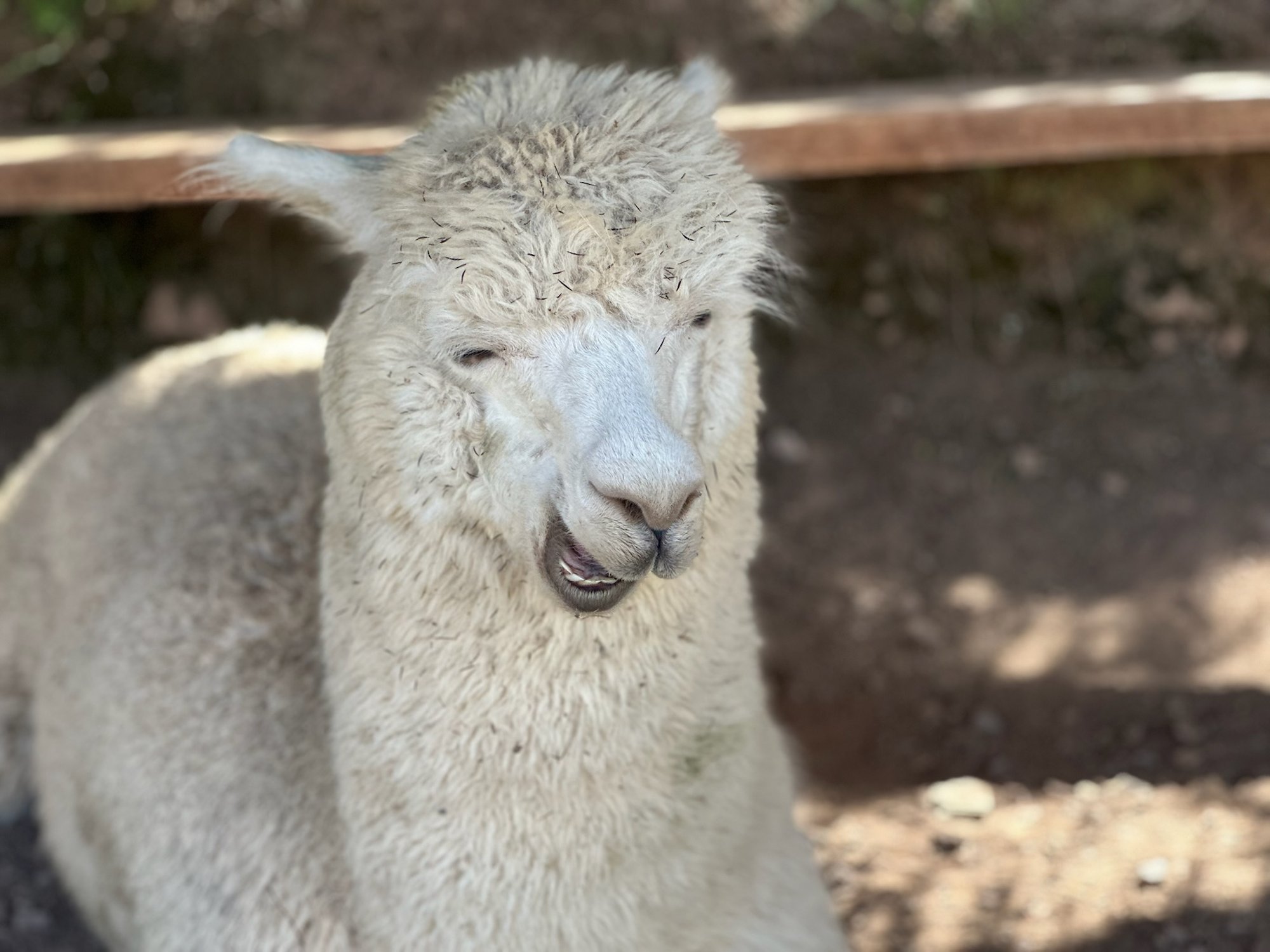
What truly sets the valley apart is its living history. You’ll see locals in traditional dress performing daily tasks that haven’t changed in centuries — though you might also spot an alpaca wearing a handmade sweater, because even high-altitude camelids appreciate a good accessory. The kindness of the people is the real magic; whether they’re teaching you to weave vibrant textiles or politely giggling as you struggle to pronounce “Ollantaytambo,” the warmth is genuine.
Food here is a ceremony rooted in the valley’s fertile soil — just be prepared for a few surprises:
Whether you’re seeking spiritual grounding or just trying to survive the altitude, the valley is more than a stopover — it’s where the soul of Peru truly resides.
5 Alpaca-stache Rating
After our experience with Explora Atacama, we had no reservations about booking their lodge in Peru. Explora Valle Sagrado is built on a remote corn plantation and balances high-end comfort with real respect for its Andean surroundings: local stone, recycled wood and natural pigments blend the lodge into the landscape, and guests can take part in meaningful encounters with the communities nearby, from ancient weaving techniques to traditional farming.
The heart of the Explora experience is its menu of 40-plus guided explorations, every one of them led by guides trained at Explora’s own Guide School, with deep knowledge of Incan history and local geography. Programs run from high-altitude treks and mountain biking to remote archaeological sites like Pumamarca. The food was developed by chef Virgilio Martínez, built around locally sourced Peruvian ingredients, and the Pumacahua Spa, in a restored 17th-century colonial manor, offers massages, saunas, and a riverside pool for afterward.
Explora does high-end immersive travel right. They offer so much personalization in their programming. In about a week we went from a day-long visit with a high-altitude Indigenous community, to trekking ruins, to visiting a weaving collective, to biking and hiking at elevations over 11,000 feet. Our guides were once again amazing and tailored each experience to our abilities and desires, even mid-adventure. A deep dive into the culture and history of the Valle Sagrado made our visit to Machu Picchu so much more meaningful.
The honest flaw: we are not Explora’s target audience. Most of our fellow guests were bagging peaks and hiking volcanoes, and we were not. Happily, Explora also builds amazing options for lesser adventurers, so nobody gets left behind at the lodge. The food can also run bland. That is deliberate: they want to keep your digestive tract happy at altitude, and at 9,500 feet your digestive tract has opinions.
Even if you don’t stay at Explora, do stay in the Valle Sagrado for more than a day. You will not be sorry.
A visit to a weaving collective in the Sacred Valley is a highly recommended experience. The co-ops are working to preserve ancestral Inca and Quechua techniques — hand-spinning alpaca and sheep wool, dyeing with plants and minerals from the surrounding mountains — and they’re a vital source of income for local women, many of whom head their households. You can watch the whole process, from raw fiber to finished textile, and buy directly from the people who made it.
Bring cash. The weavings cost much more than the same-looking items at the local markets, but these are the real thing: truly handmade, some taking a month or more to create. We spent about $150 USD on a wide table runner, $15 on knitted llamas, $5–10 on small bracelets, $15 on belts, and $25–40 on purses. The larger twin-size blankets ran $300–$400. In hindsight, we should have brought more cash.
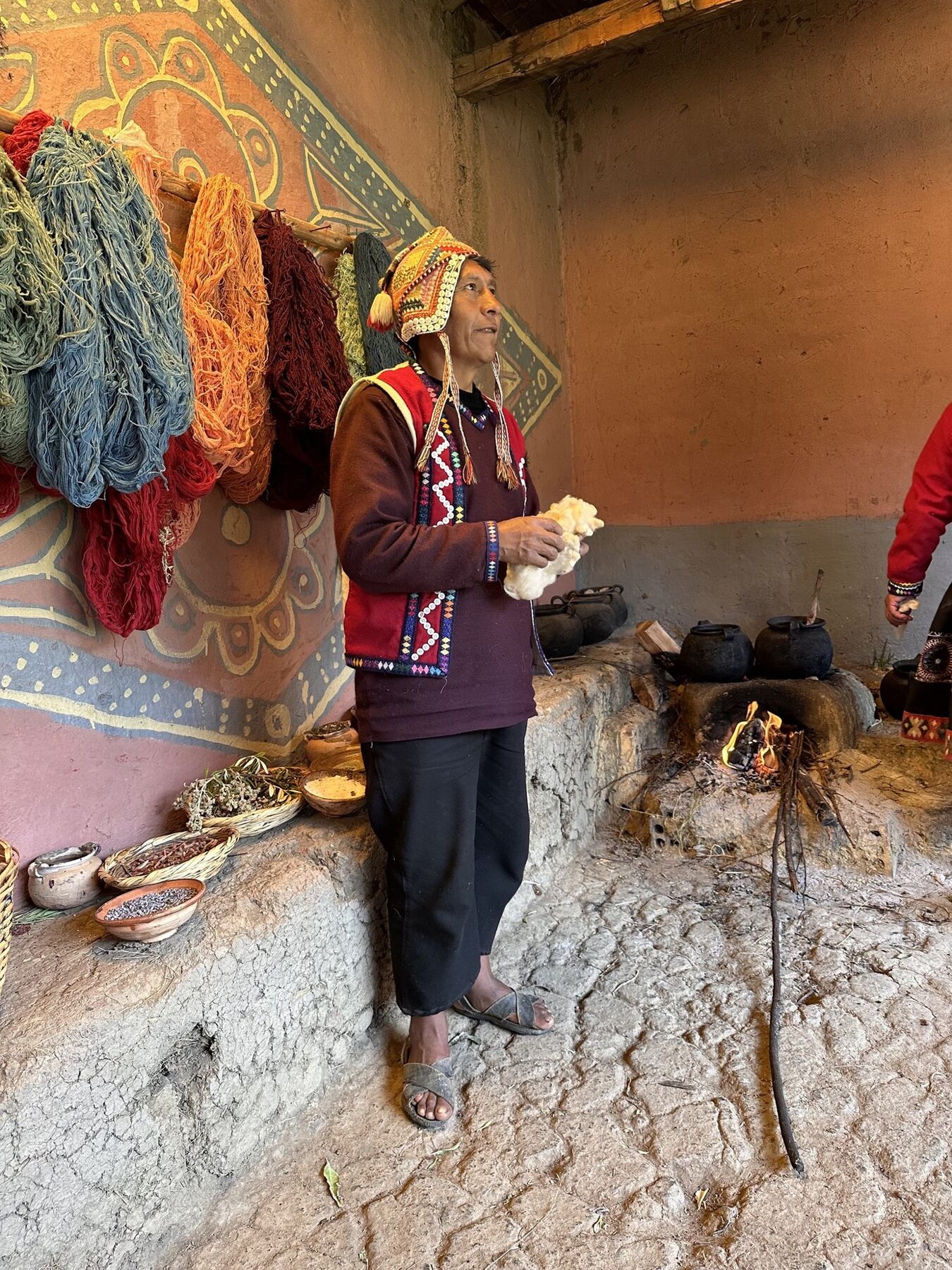
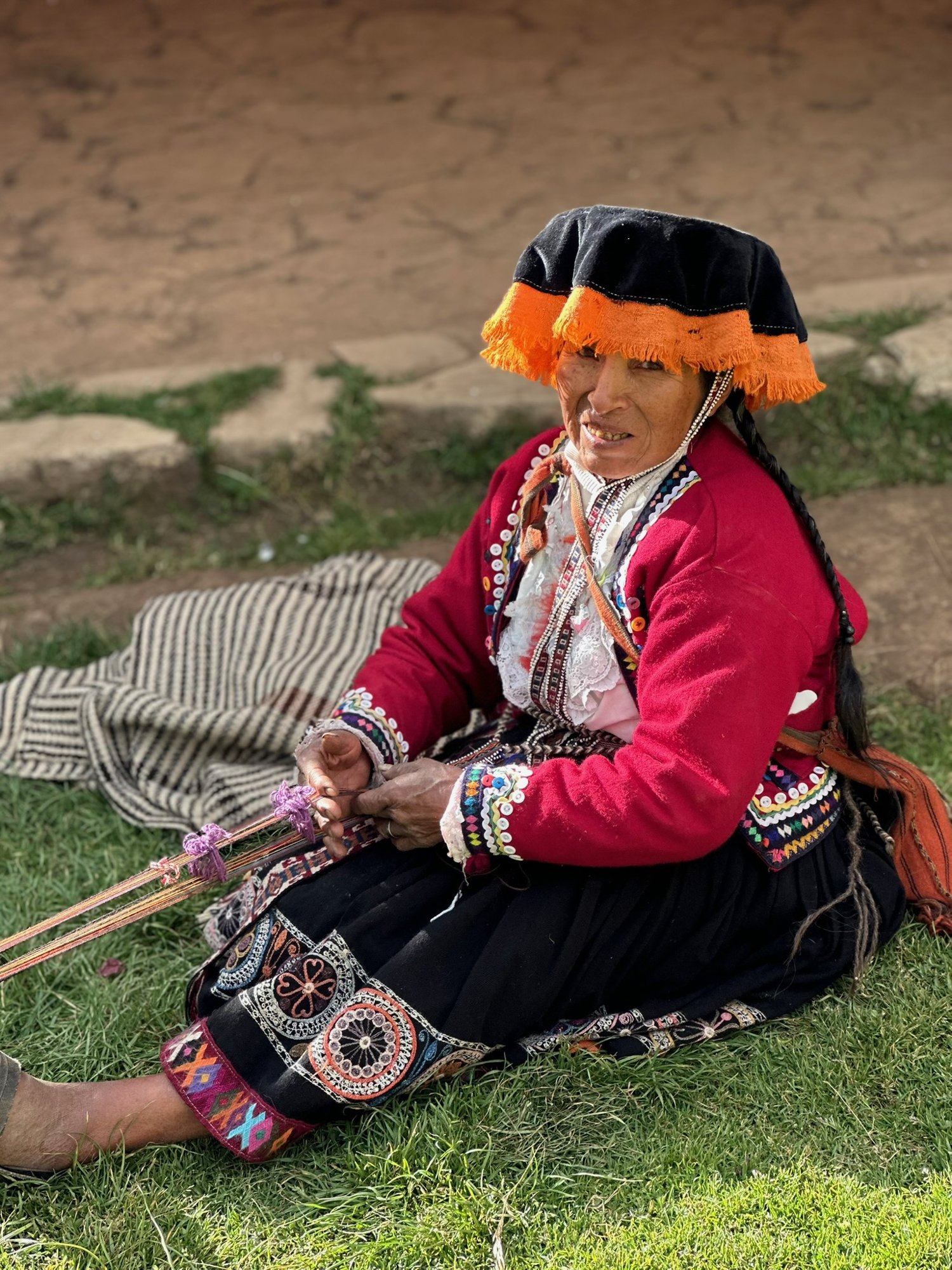
 Chahuaytire (where we went)
A weaving community with its own page at the Center for Traditional Textiles of Cusco.
Visit →
Find it on the map →
Chahuaytire (where we went)
A weaving community with its own page at the Center for Traditional Textiles of Cusco.
Visit →
Find it on the map →
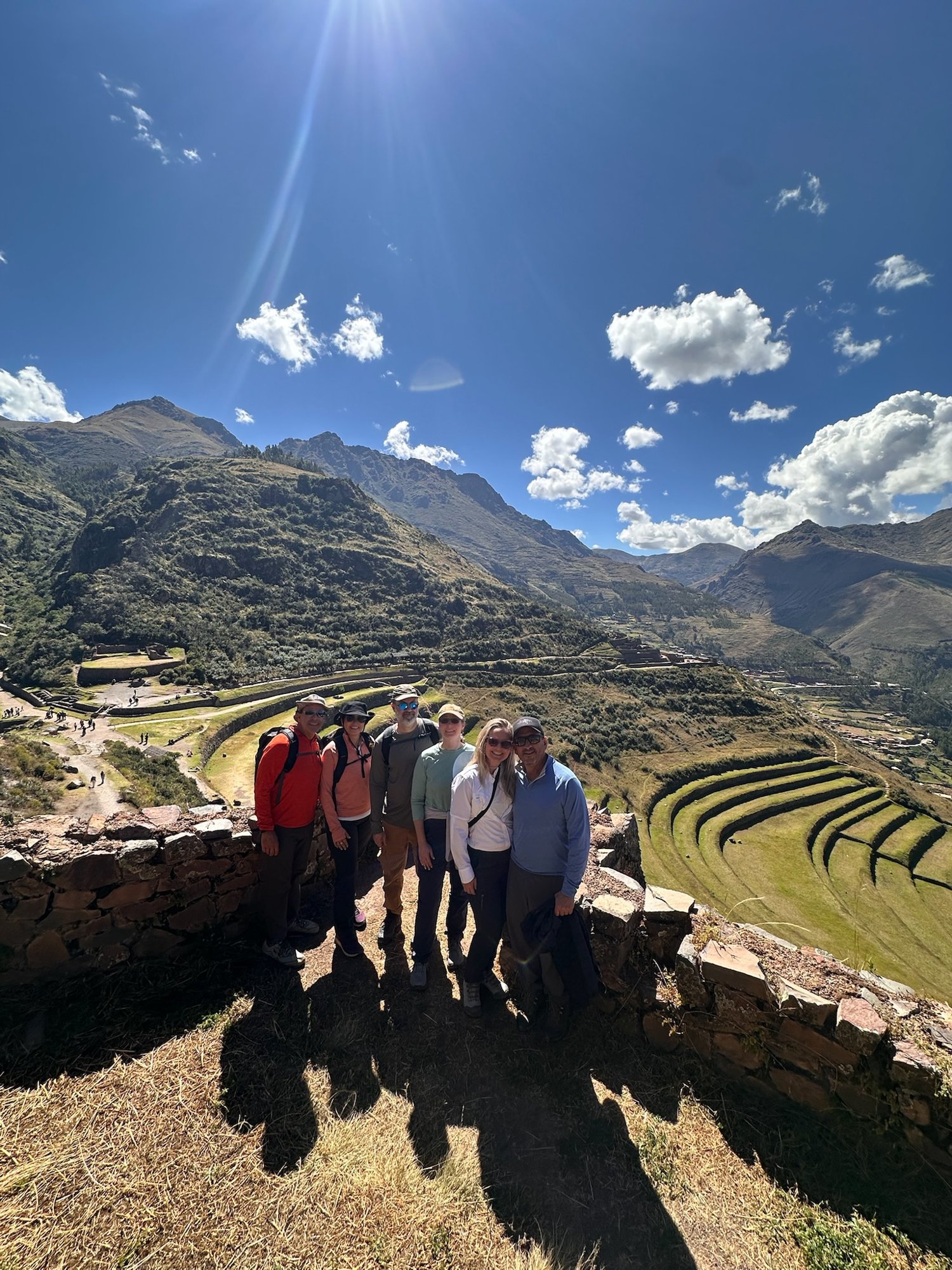
 Pisac Archaeological Park
A massive citadel on the ridge above the town of Pisac, known for its terraces, military towers, and an Inca cemetery. It was a gateway to the jungle and a center for corn production.
Official Page →
Find it on the map →
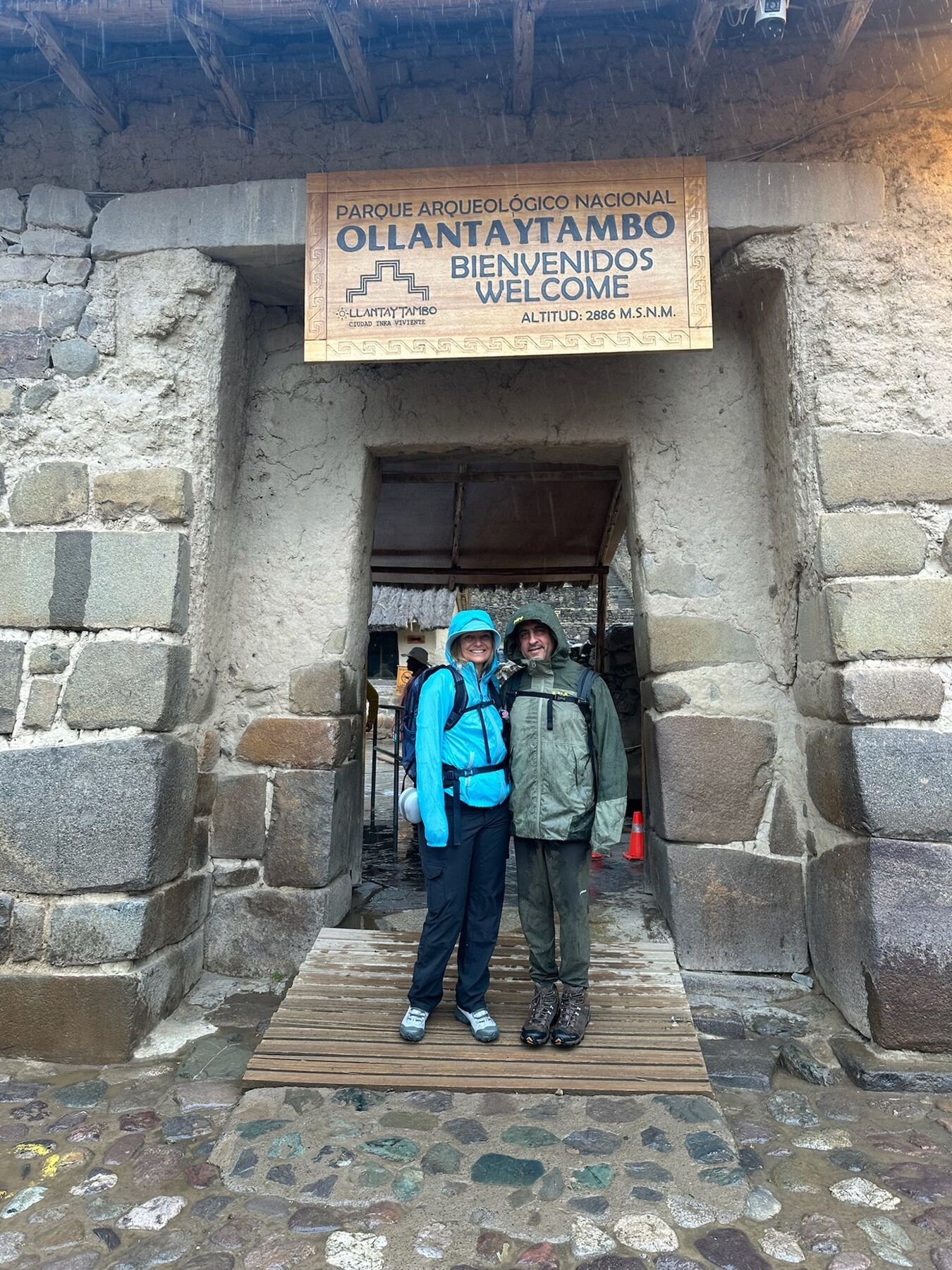
Ollantaytambo Archaeological Center
The royal estate of the Emperor Pachacuti and a strategic military fortress — one of the few places where the Incas successfully repelled Spanish forces. Those granite stairs are not a joke.
Official Page →
Find it on the map →
Moray Archaeological Complex
Concentric circular terraces that create different microclimates, most likely used to experiment with crops. Roughly 7 km west of Maras.
Official Page →
Find it on the map →
Chinchero Archaeological Park
Built as the royal palace of Tupac Inca Yupanqui, with a Spanish church built directly on top of the Inca foundations on the main plaza.
Official Page →
Find it on the map →
Pisac Archaeological Park
A massive citadel on the ridge above the town of Pisac, known for its terraces, military towers, and an Inca cemetery. It was a gateway to the jungle and a center for corn production.
Official Page →
Find it on the map →
Ollantaytambo Archaeological Center
The royal estate of the Emperor Pachacuti and a strategic military fortress — one of the few places where the Incas successfully repelled Spanish forces. Those granite stairs are not a joke.
Official Page →
Find it on the map →
Moray Archaeological Complex
Concentric circular terraces that create different microclimates, most likely used to experiment with crops. Roughly 7 km west of Maras.
Official Page →
Find it on the map →
Chinchero Archaeological Park
Built as the royal palace of Tupac Inca Yupanqui, with a Spanish church built directly on top of the Inca foundations on the main plaza.
Official Page →
Find it on the map →
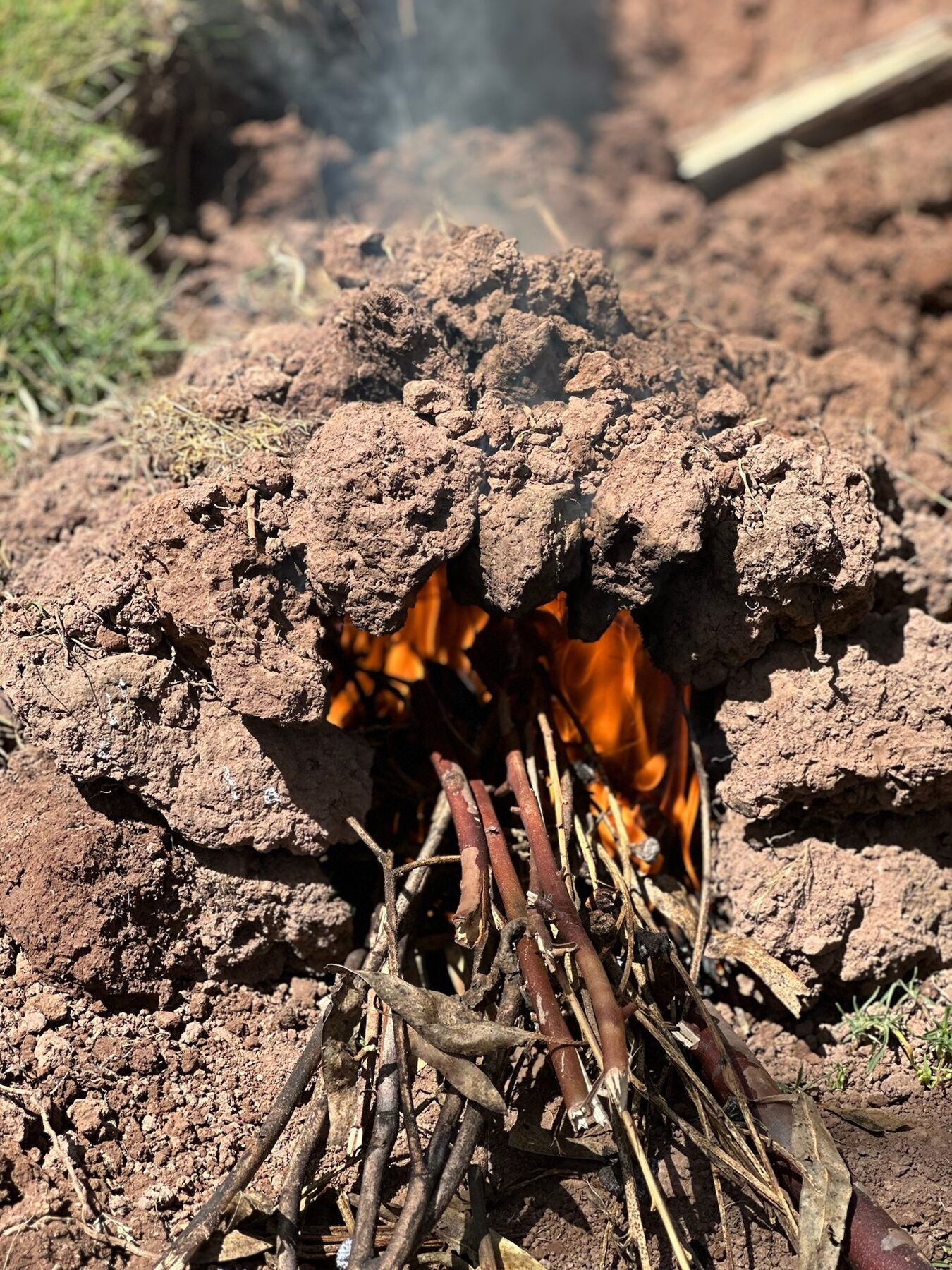
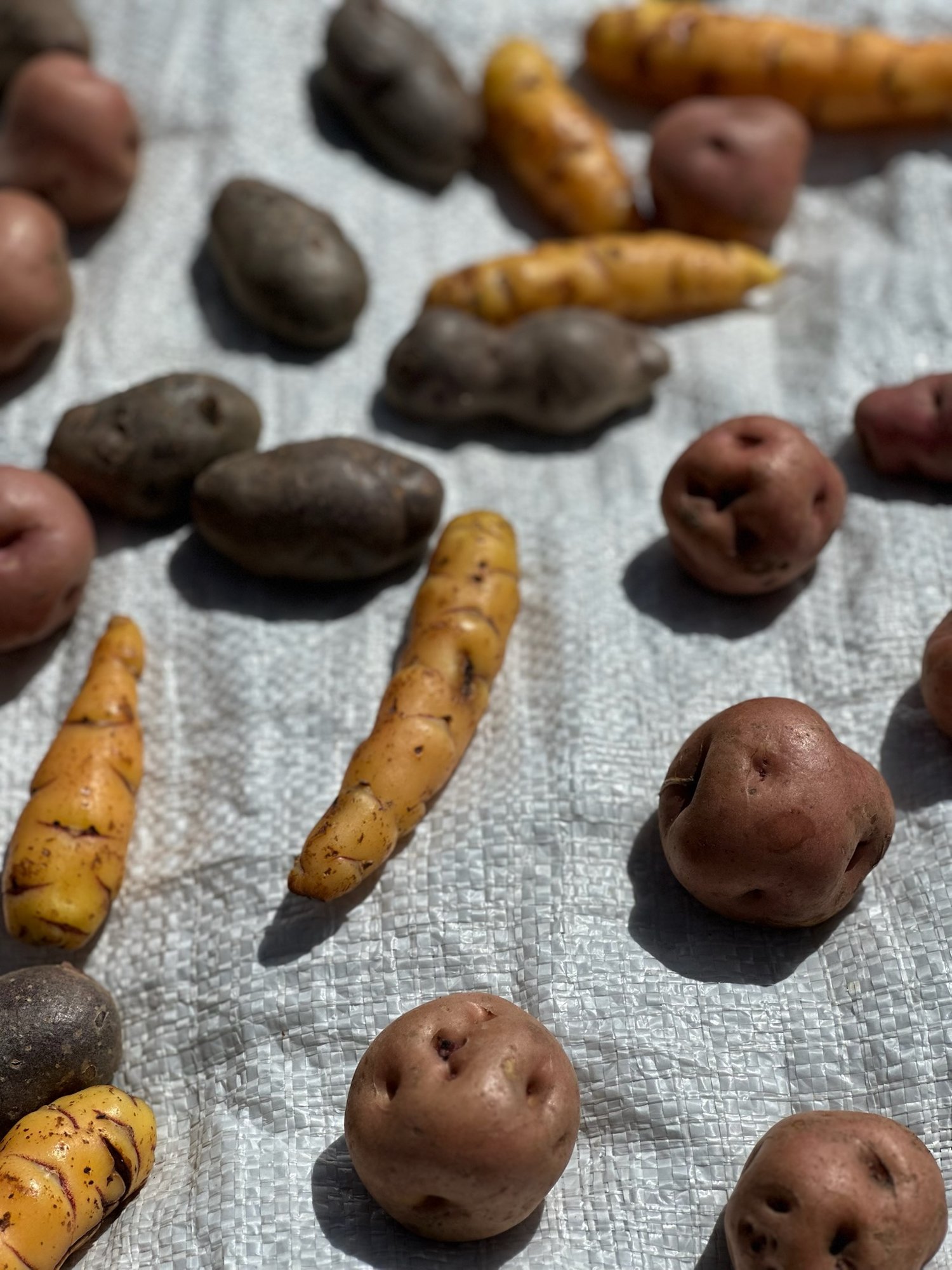
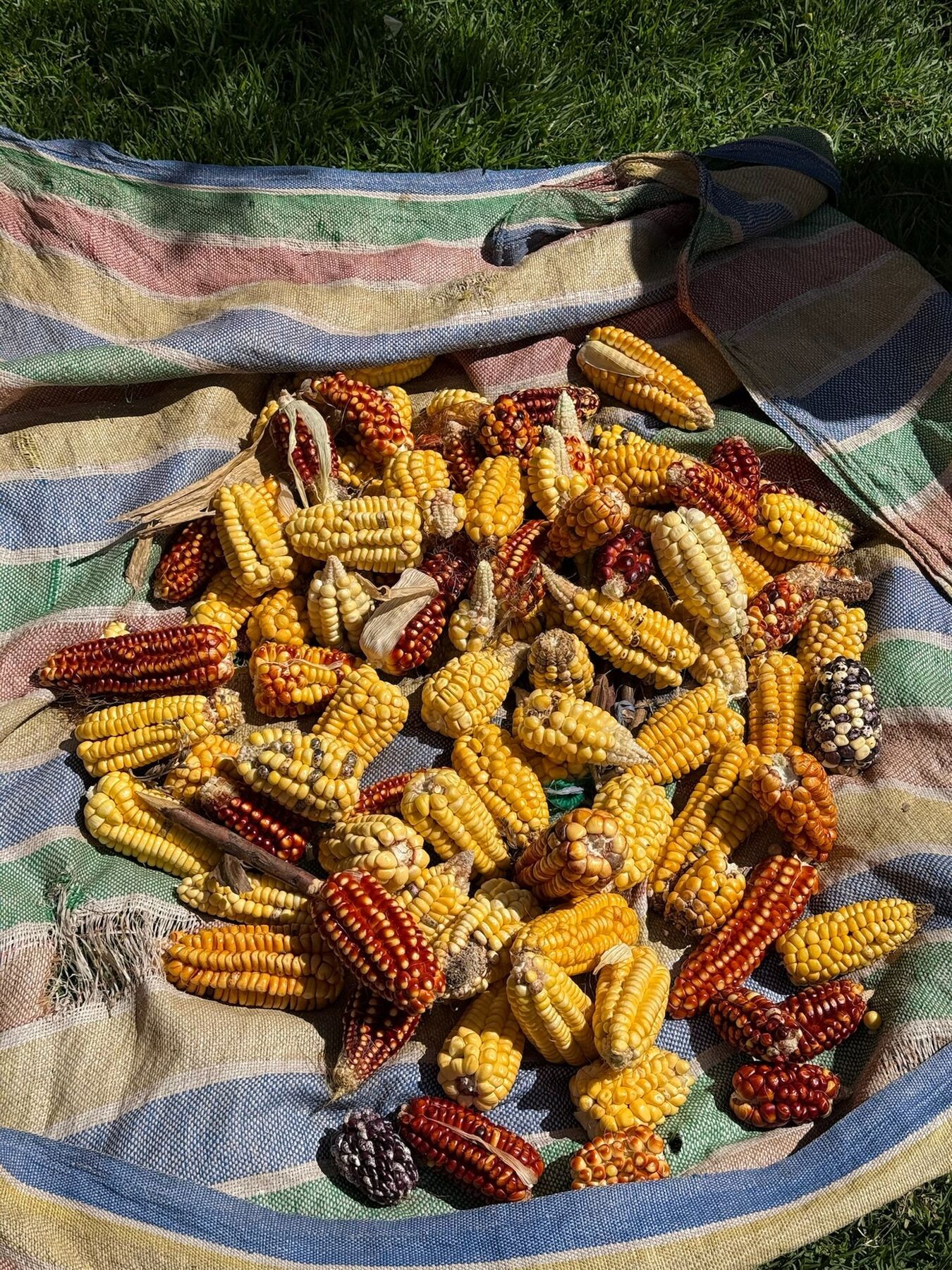
This was a highlight of our Valle Sagrado experience. Explora coordinated with La Base Lamay to let us visit a high-altitude Indigenous community located far above the town.
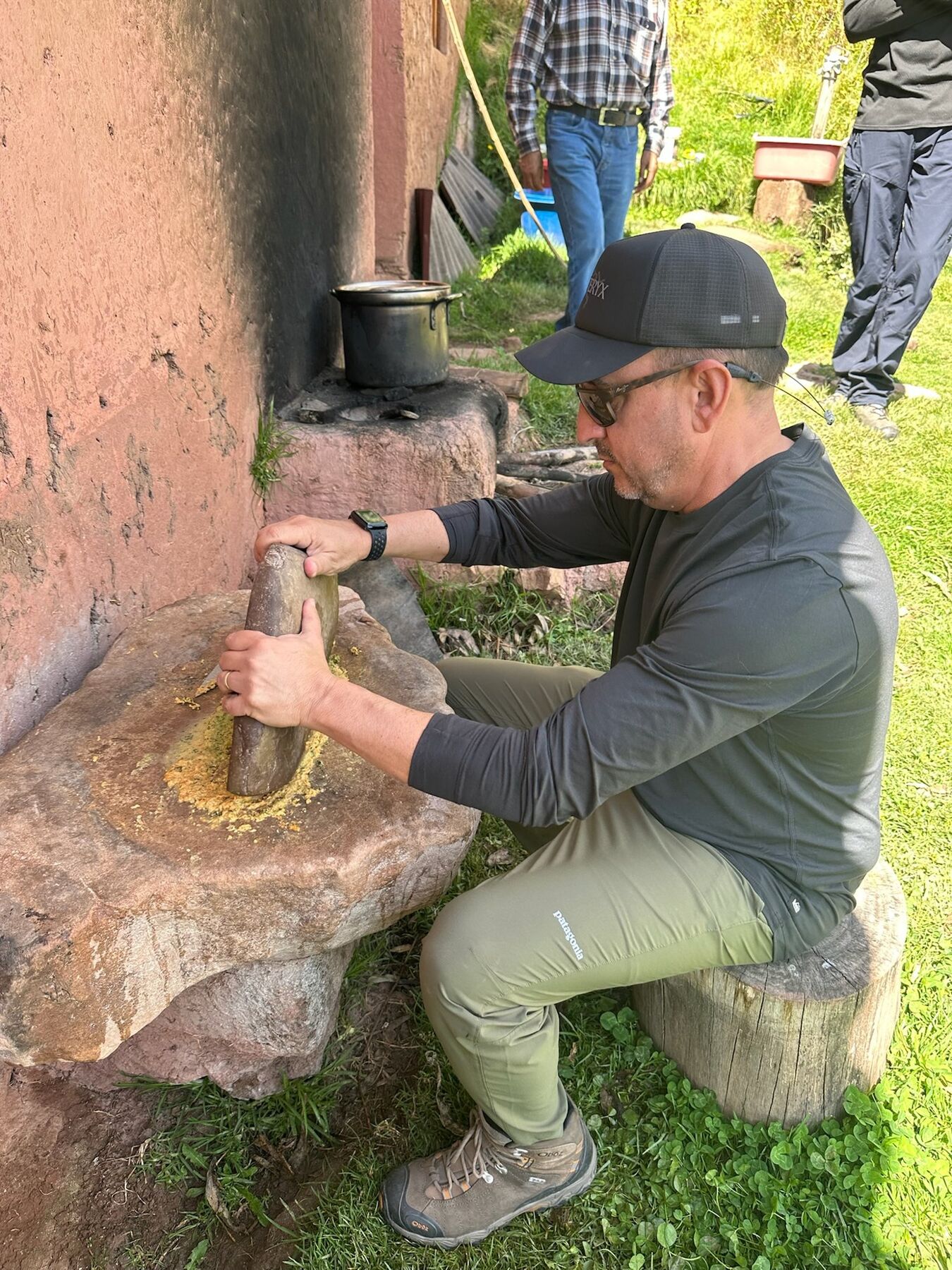
Once there, we were put to work shucking corn with a tipina — a short, pointed stick used to peel the husk from the cob — and then laid the corn out in the sun to dry. We got a tour of the farm and saw the large terraced, multicolored fields reaching far around the valley. To cook our food (multiple types of potatoes), we learned to build an earthen oven with clay from the mountain. We even used a batán and uña to make the salsa for our potatoes.
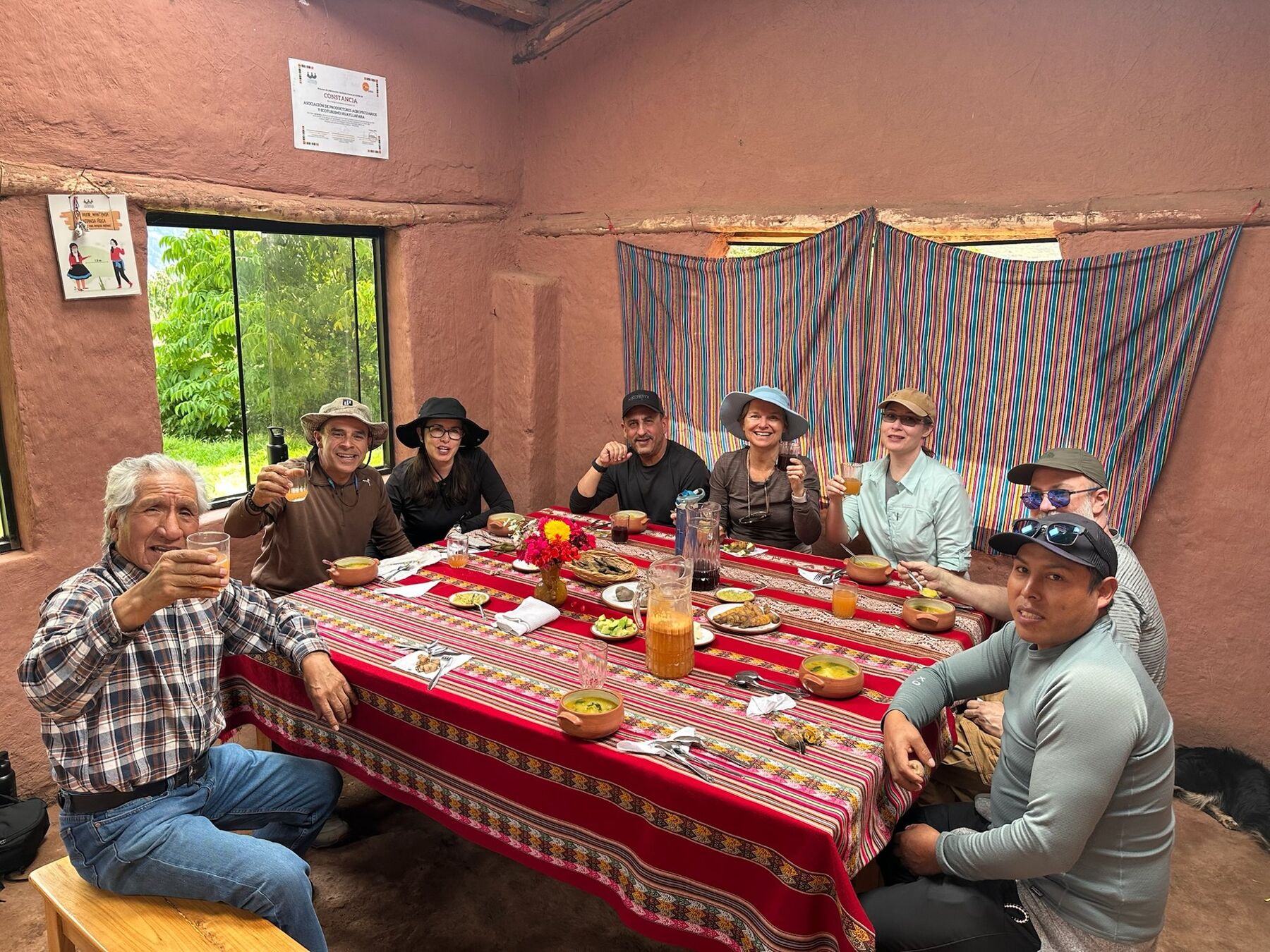
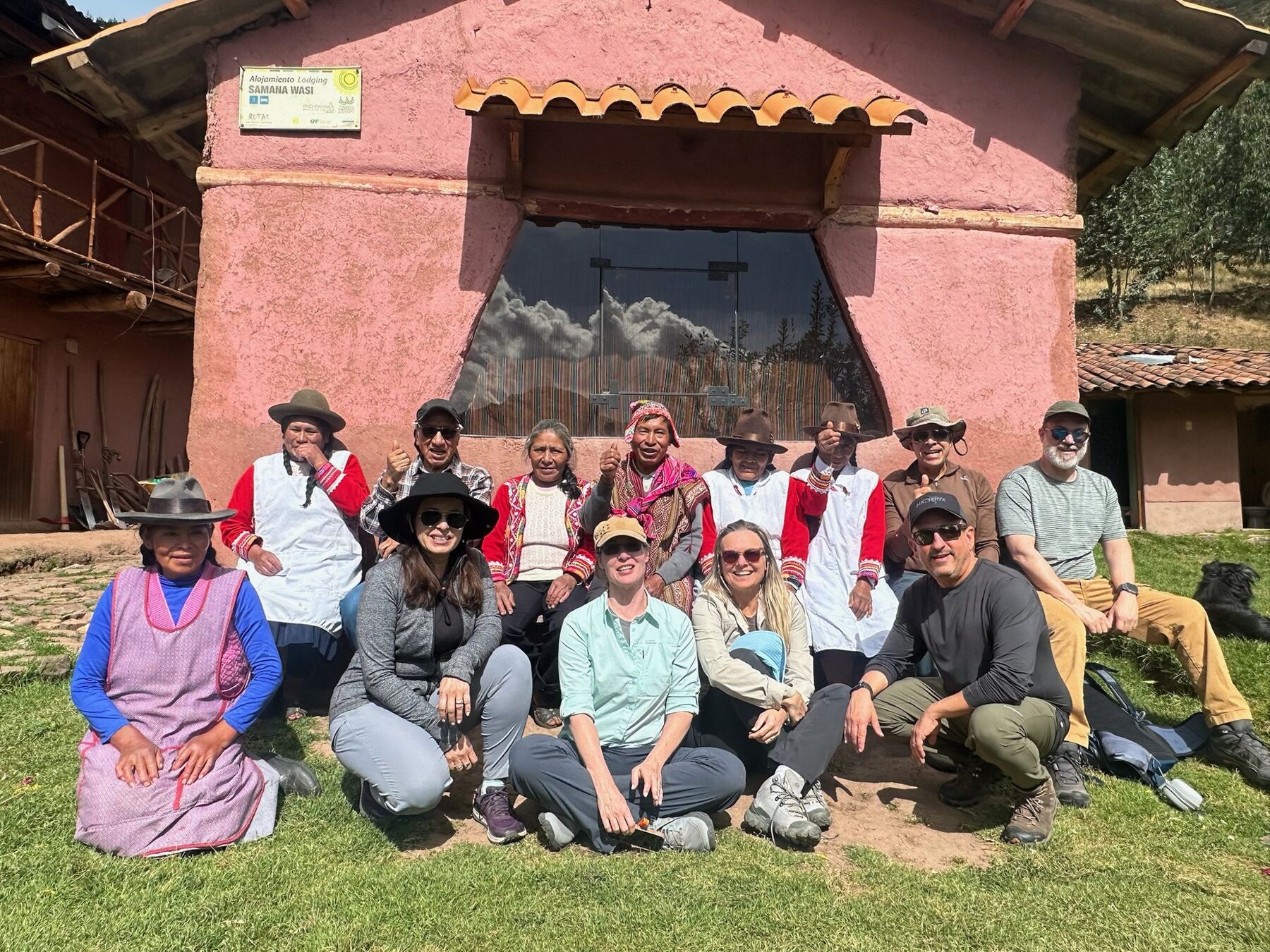
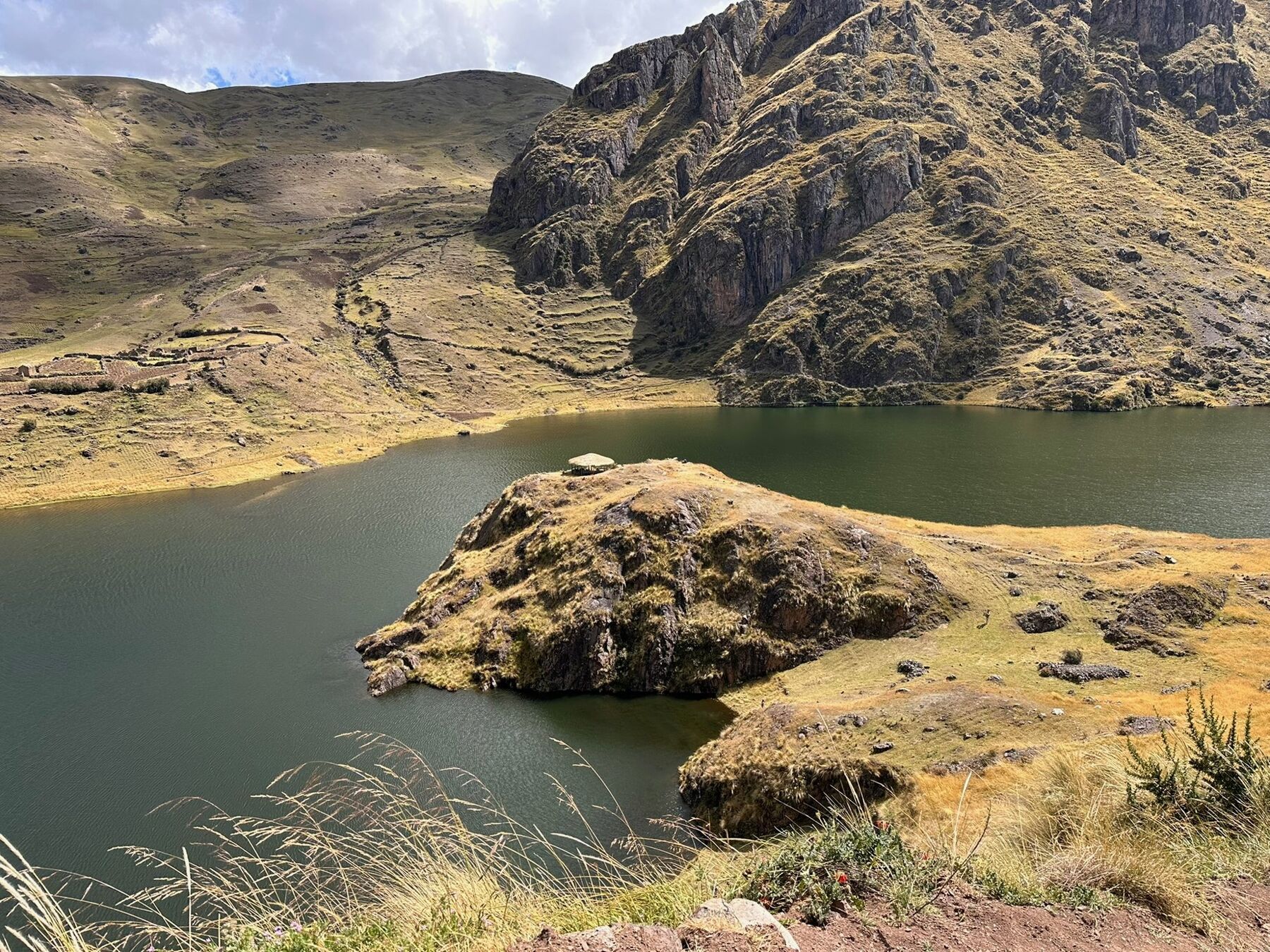
The long drive back was truly humbling. We watched the village children walking up the mountain, returning from school in flimsy sandals, smiling and waving as we drove by. As a thank-you, we brought hard-to-come-by food and basic hygiene items. The villagers were so appreciative. Thank you, Explora and La Base Lamay!
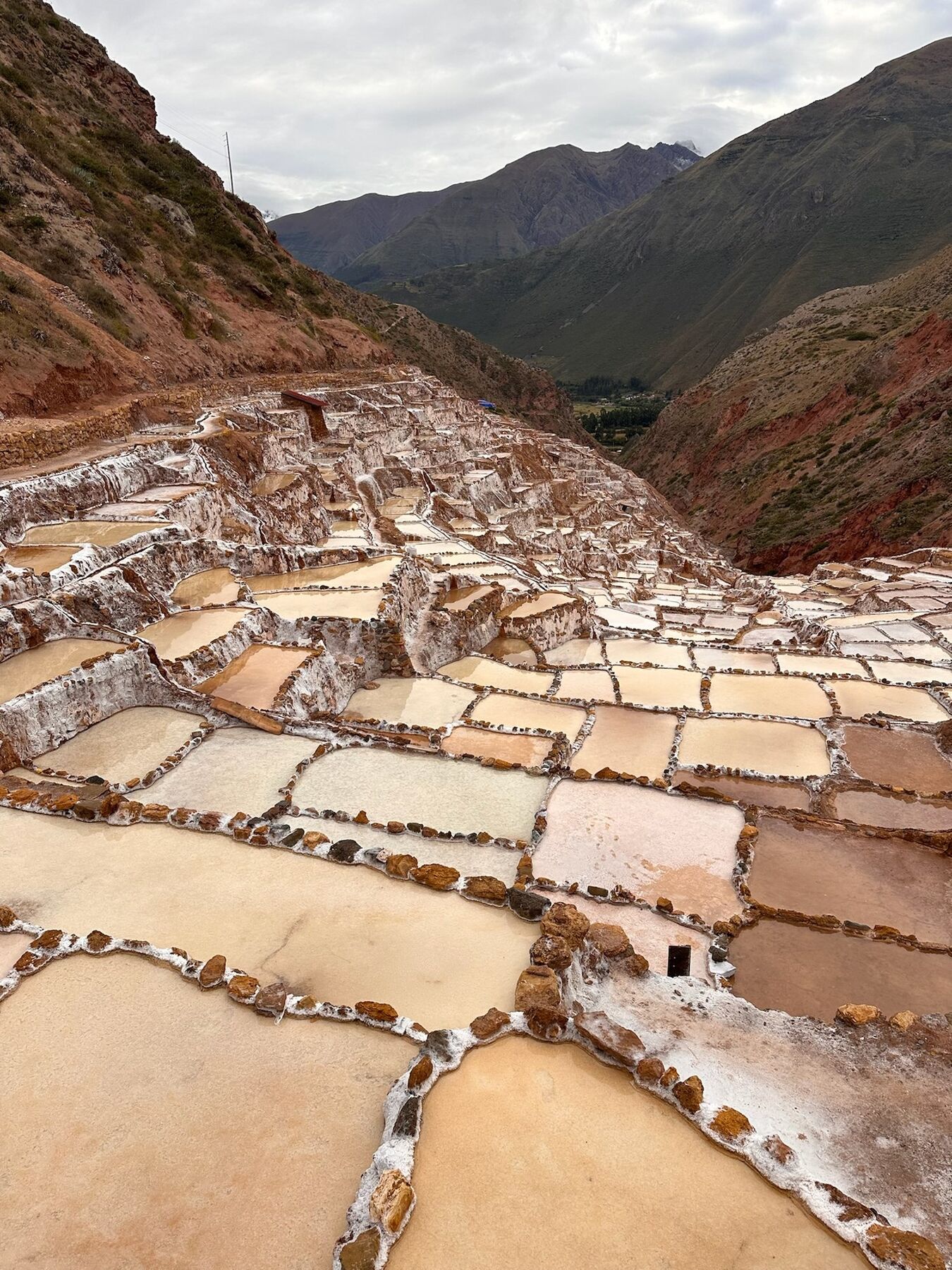
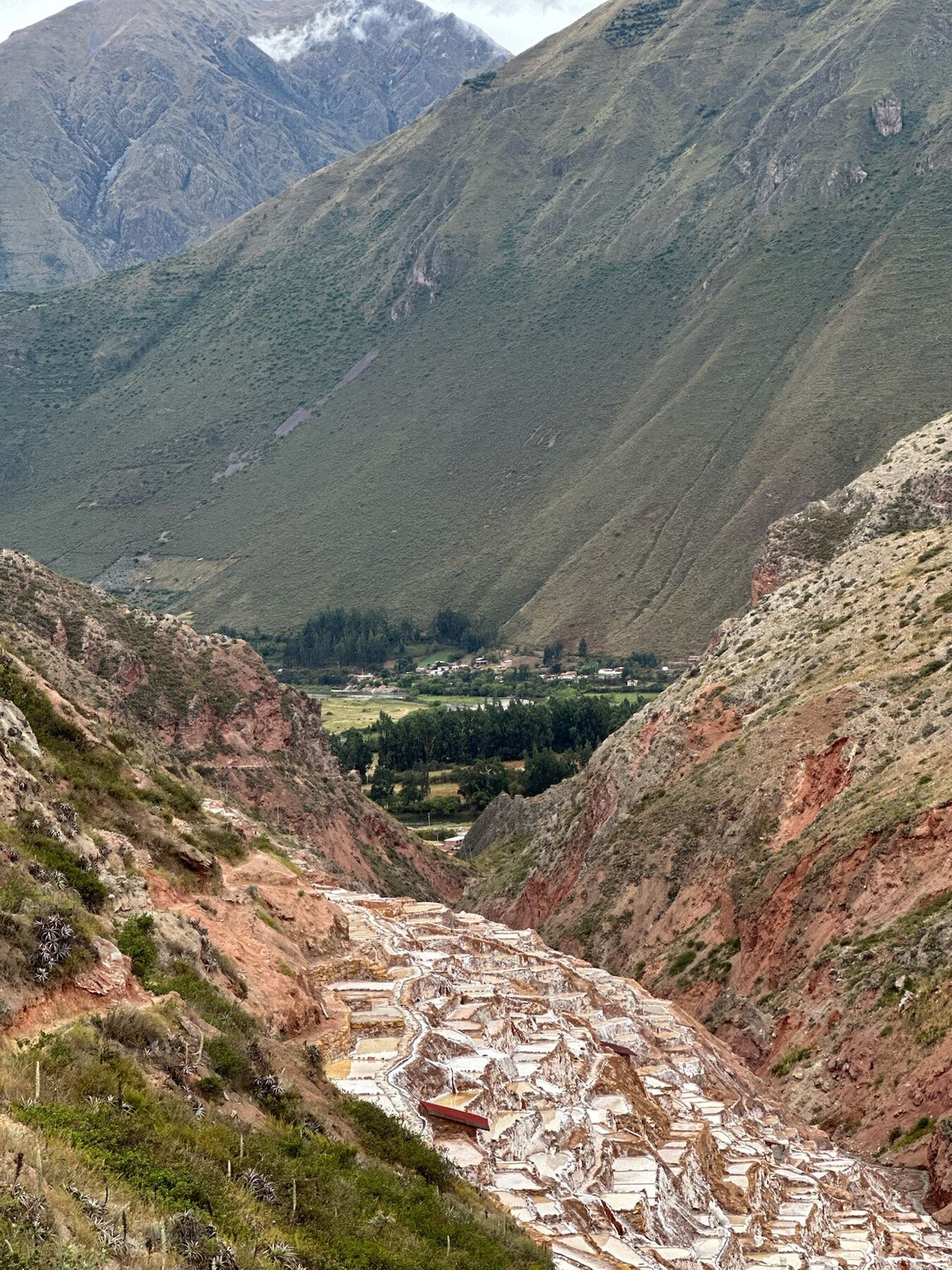
Inca-era salt pools, still in operation today, sit a short drive from the town of Maras. The Spanish once took them over, but the pools have since been returned to the residents of the nearby towns. The site is more than 6,000 individual salt ponds, each typically owned and “farmed” by a specific family from the communities of Maras and Pichingoto. You can buy salt, along with the usual souvenirs, at the market run by the local families.
Even if you don’t stay at Explora, do stay in the Valle Sagrado for more than a day.
No kick-backs for links. Ever.
Explora Valle Sagrado
Where we based ourselves for the week. Lodge, guides and the village visit all run through them.
Visit →
Find it on the map →
La Base Lamay
The community partner Explora coordinated with for our high-altitude village exchange.
Visit →
Find it on the map →
This was stop two of four. On to Machu Picchu → or back to the Peru home page →