i
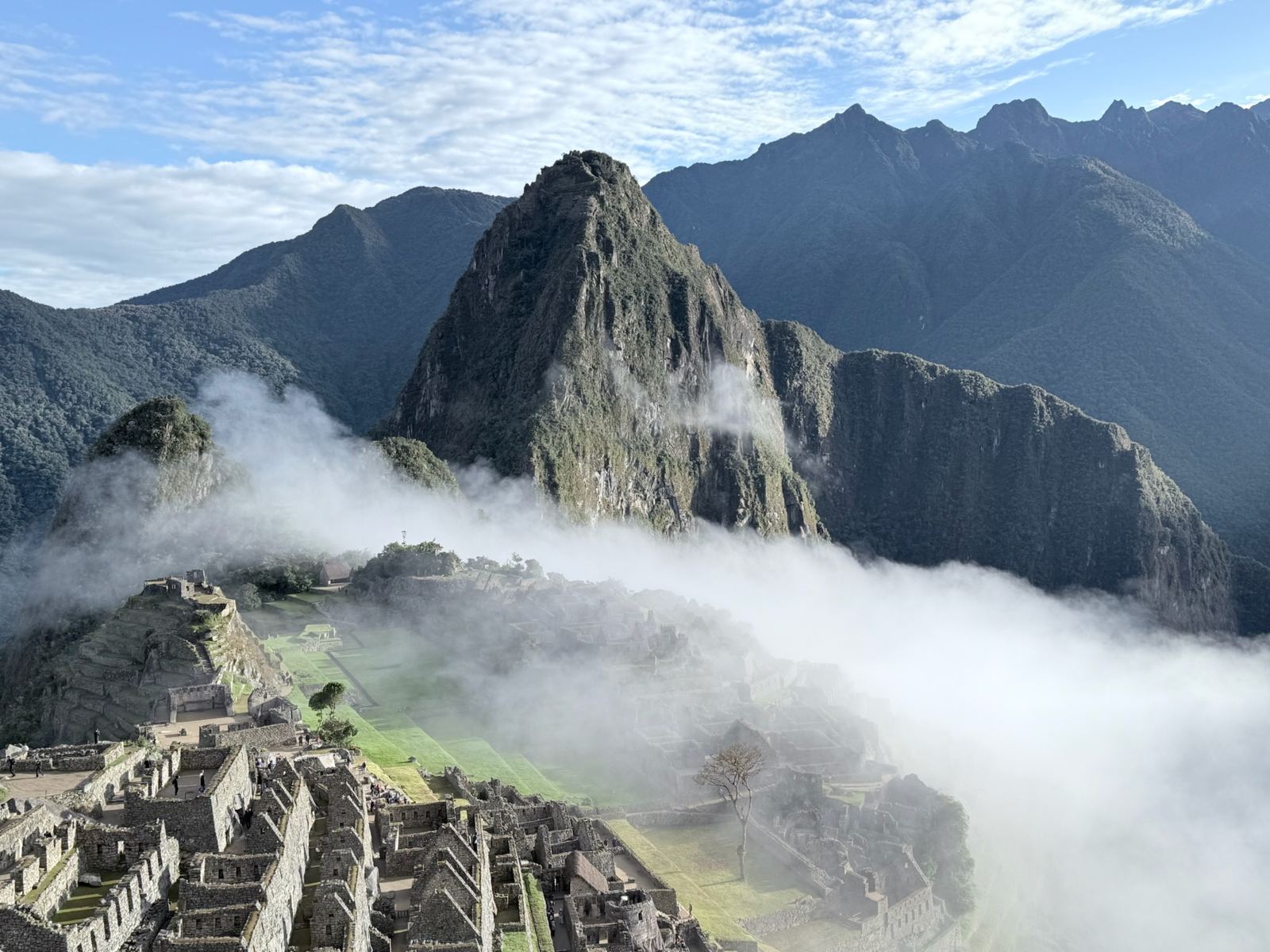
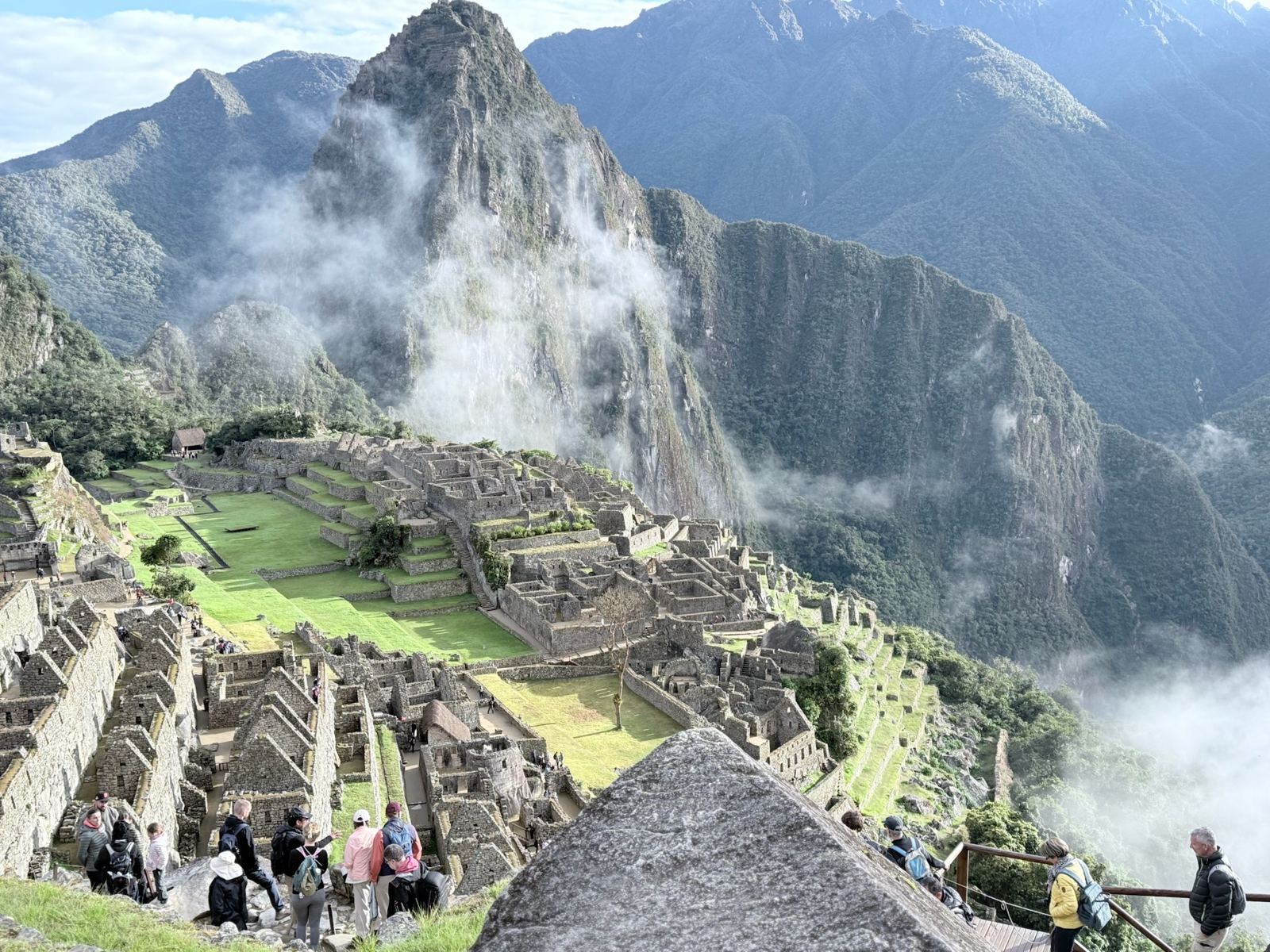
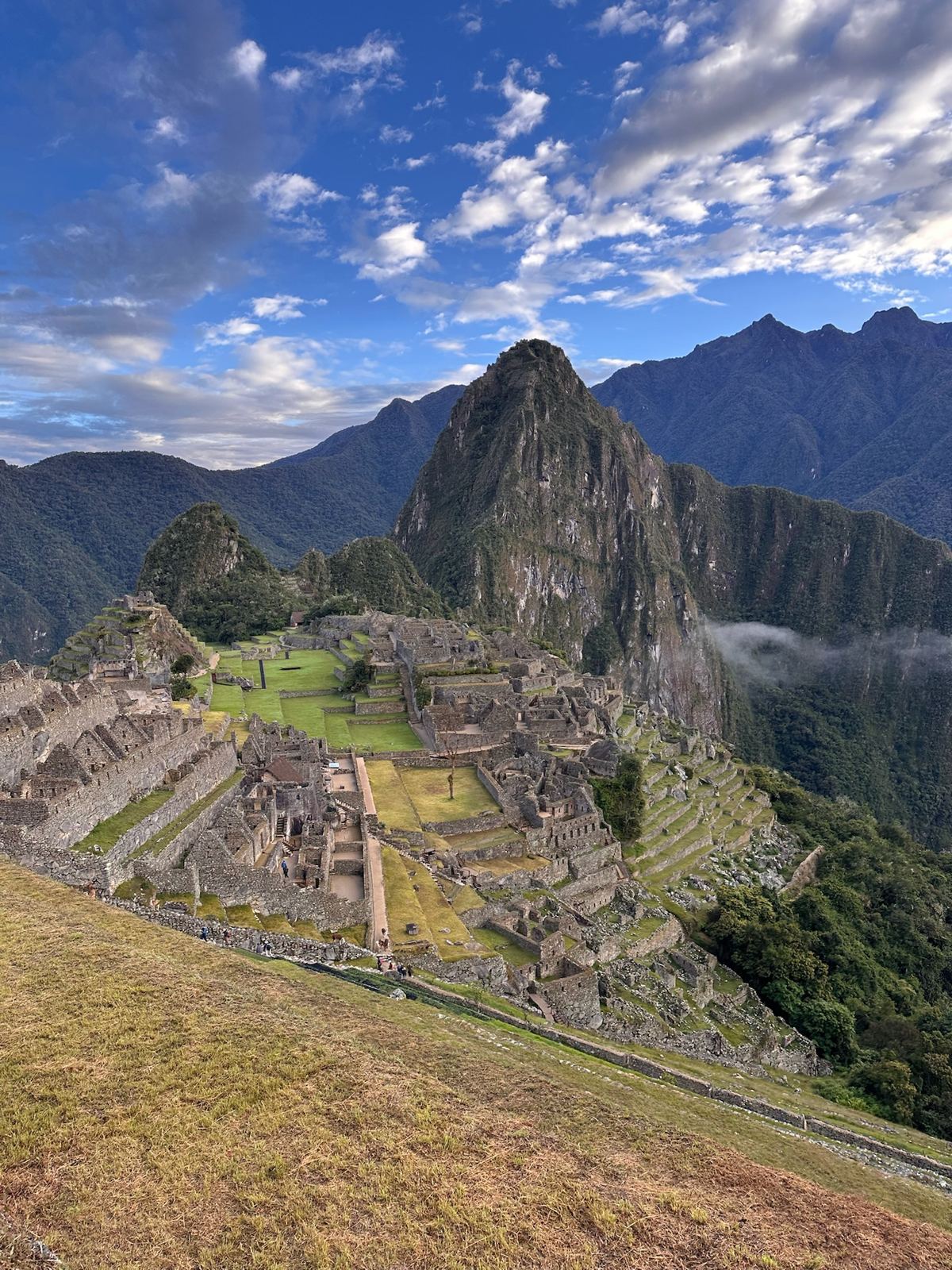
Machu Picchu, clouds still in the valley.
The Lost City Lives Up to the Hype
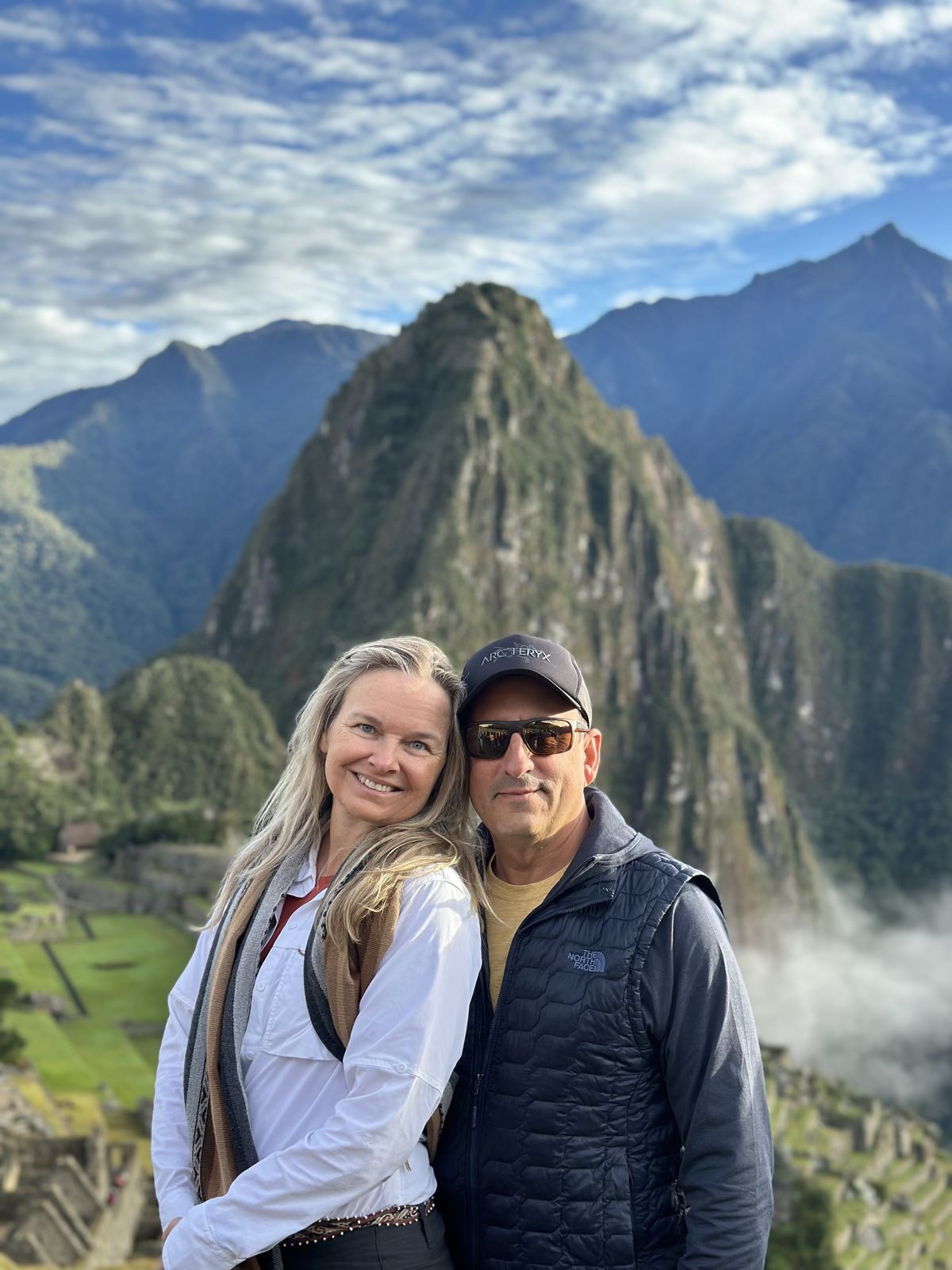
Welcome to the “Lost City,” which — let’s be honest — was never really lost, just waiting for the rest of the world to catch up to its altitude. As a self-avowed Latin American history nut, I’ve spent years romanticizing the Andes, but watching the mist clear at dawn to reveal the ruins is the one time my expectations didn’t just meet reality; they got a high-altitude bear hug from it.
Yes, it is a bucket-list cliché. Yes, it absolutely lives up to the hype.
As always, every link in these posts goes straight to the vendor. We don't take commission — on links or on reviews. Ever!
Trust us? Check out our Machu Picchu Wander Map.
*As always, no commissions from our links. We encourage booking early and direct. These maps are always a work in progress, and are curated from all past trips and current research.
These pins also power ai-tinerary, our invite-only itinerary tool. Same stamps, same opinions.
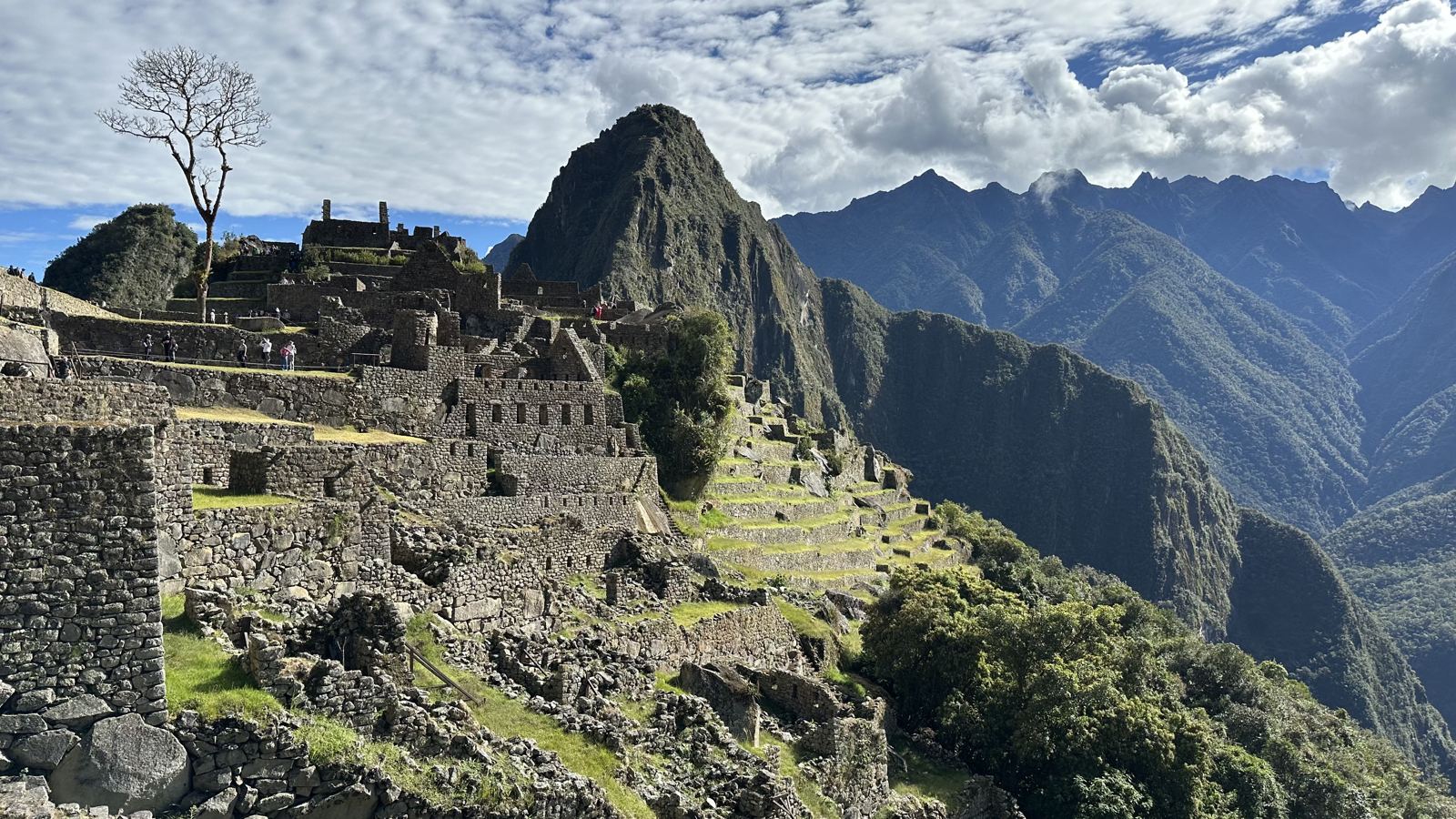
Forget what you know about modern masonry. The Incas didn’t just build a city; they performed a miracle in granite. We’re talking about ashlar masonry, where stones are cut so precisely they fit together without a drop of mortar.
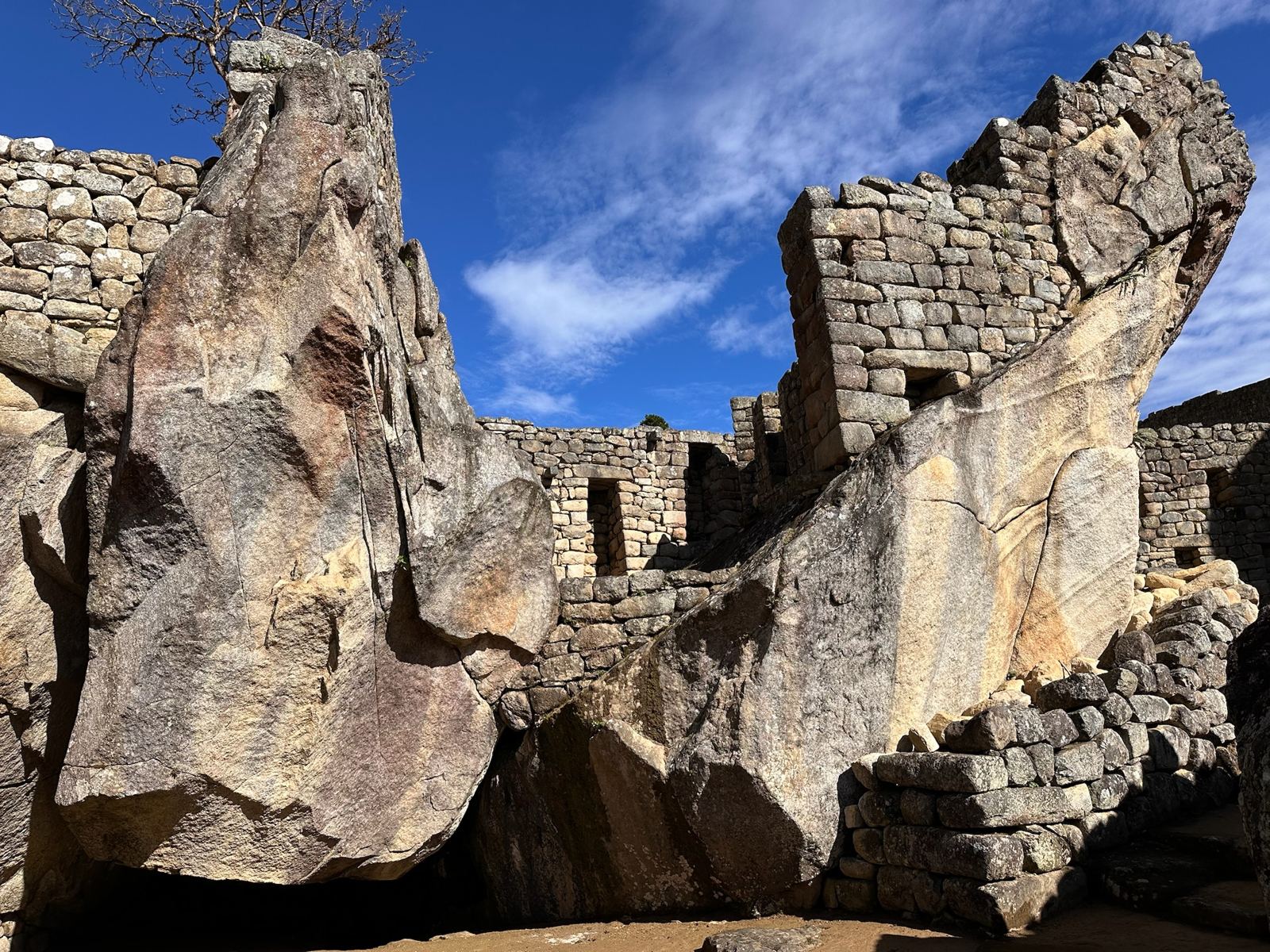
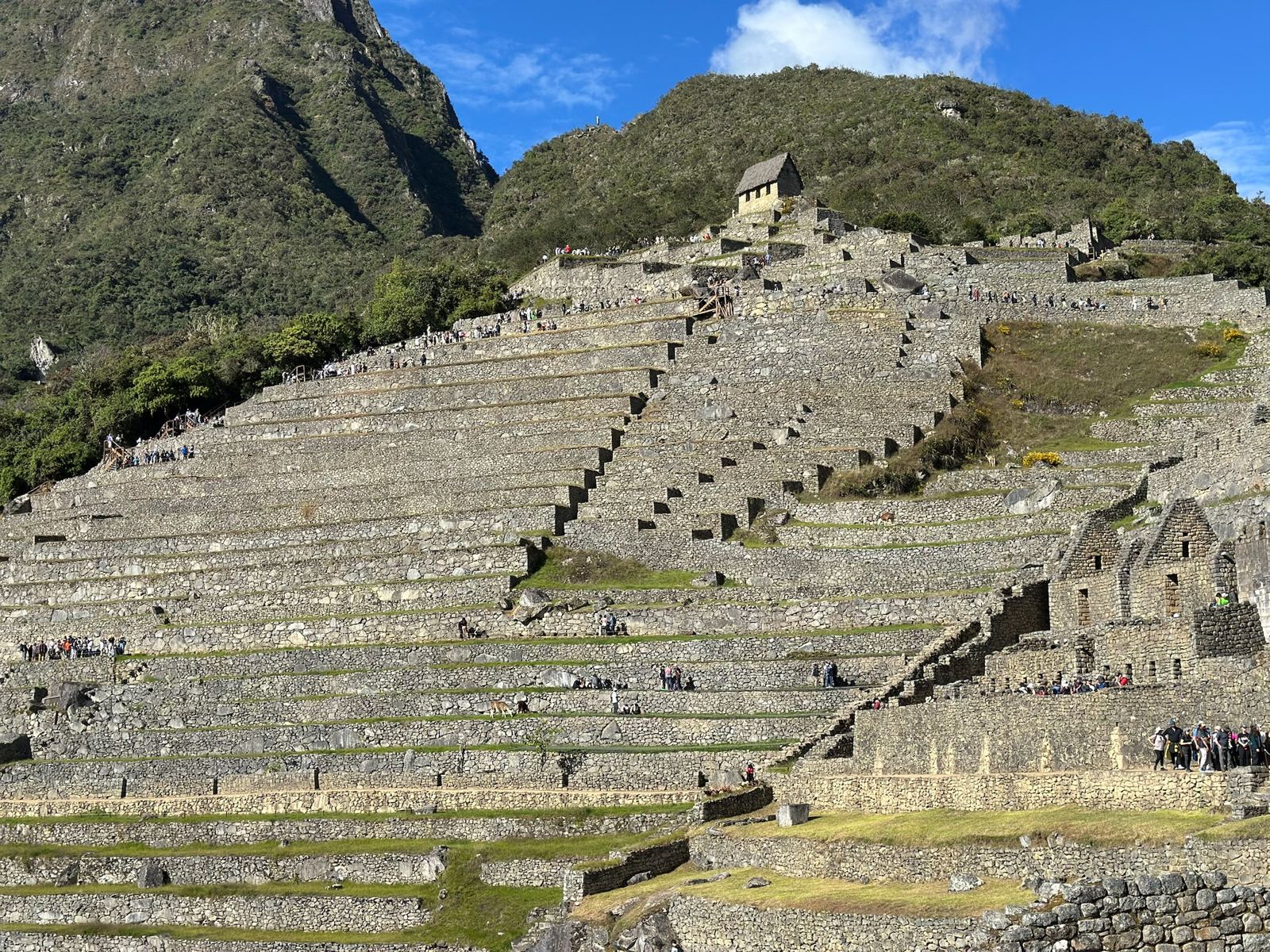
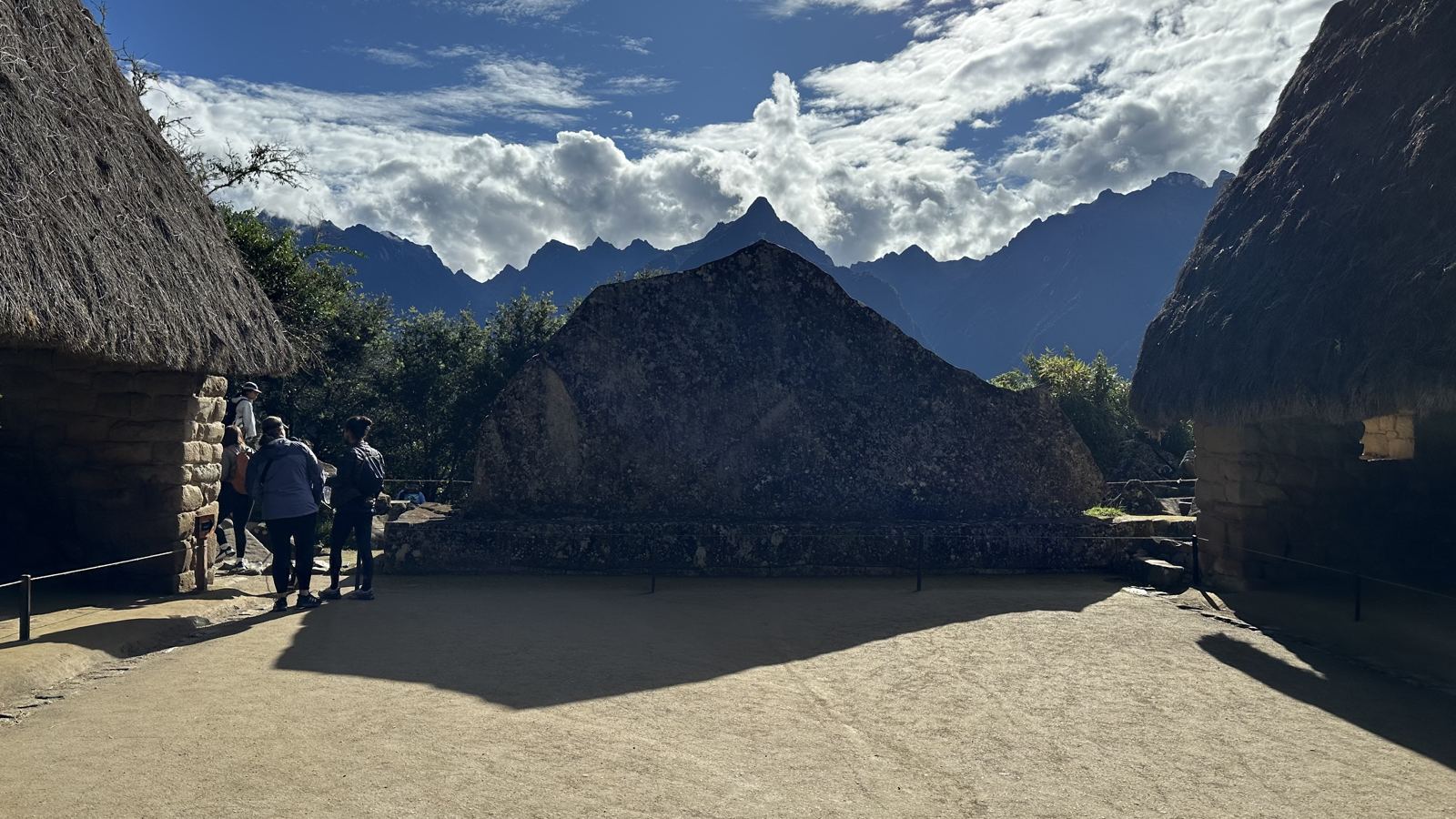
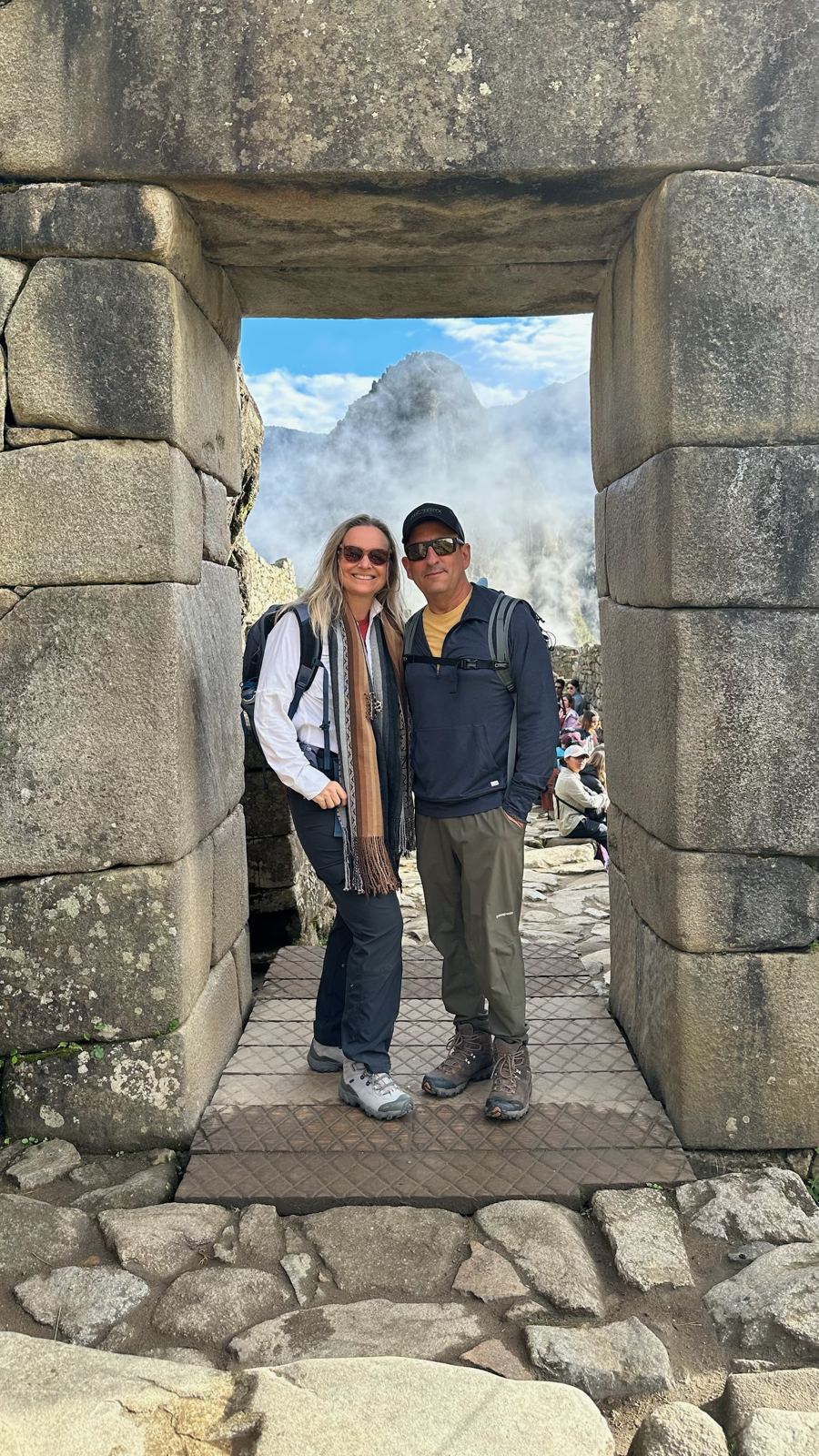
The physics here is wild — these walls are essentially “seismic-proof.” When an earthquake hits, the stones dance and then settle right back into place. Meanwhile, I can’t even get a bookshelf from IKEA to stay level. To see those massive polygonal blocks hugging the mountain ridges is to realize that the Incas weren’t just engineers; they were artists working with the very bones of the earth.
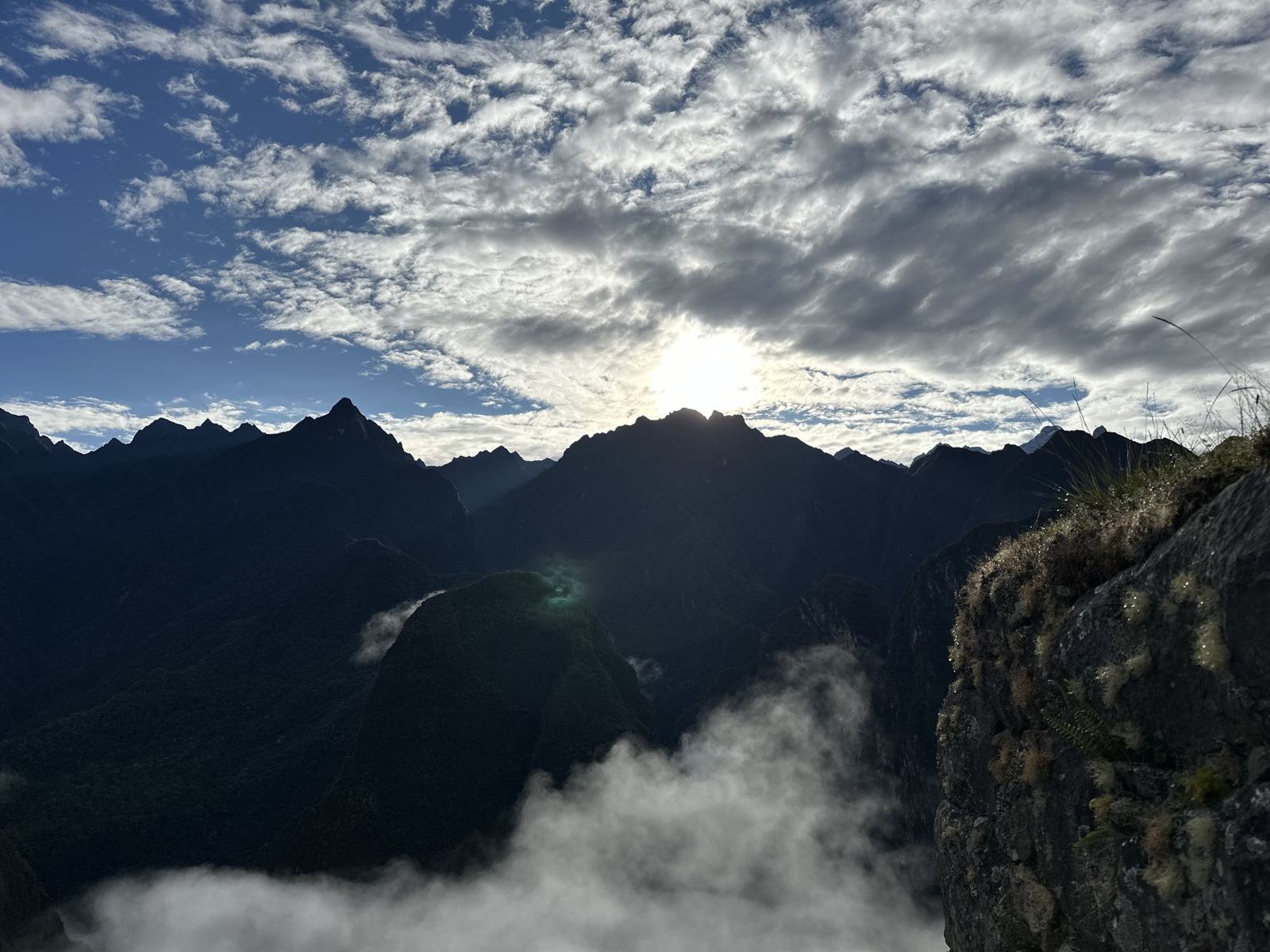
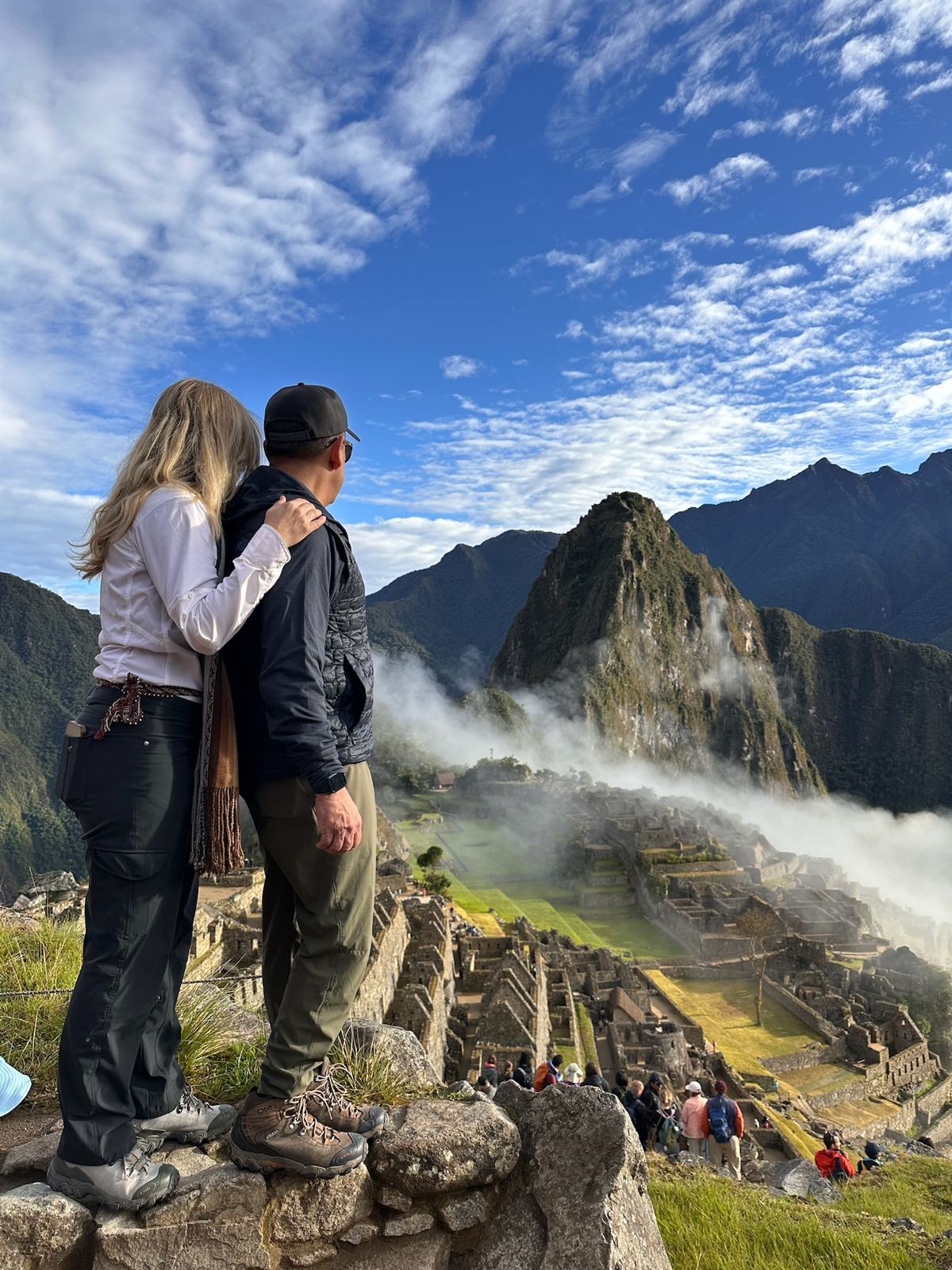
There is a specific moment when the sun crests the peaks and hits the ritual stones. The ruins transform from a cold, misty gray into a glowing, ethereal gold. It’s spiritual. It’s profound. It’s also the exact moment you realize you are sharing this “sacred solitude” with 400 other people wearing neon North Face jackets.
Navigating the ticketing system is a feat of endurance that would baffle an Incan chasqui (runner). It involves a dizzying array of circuits (Circuit 1, 2, 3, or 4?), specific time slots that are policed with surgical precision, and a website that seems to operate on 1998 dial-up logic.
Pro tip: you must hire a tour guide. Not just because it’s the rule, but because without one you’re just looking at very expensive rocks. A good guide breathes life into the terraces, explaining the celestial alignments and the agricultural genius that kept a city in the clouds fed.
If you’re the type of person who enjoys standing in a 26-mile-long queue disguised as a “spiritual journey,” by all means, book the Classic Inca Trail. Just be aware that you’ll be sharing your “solitude” with 500 other people, their porters, and a strictly regulated permit system that requires you to plan your life six months in advance. And, in all honesty, look for a different travel blog!
If that sounds like your personal version of hell, the Staches suggest you look elsewhere:
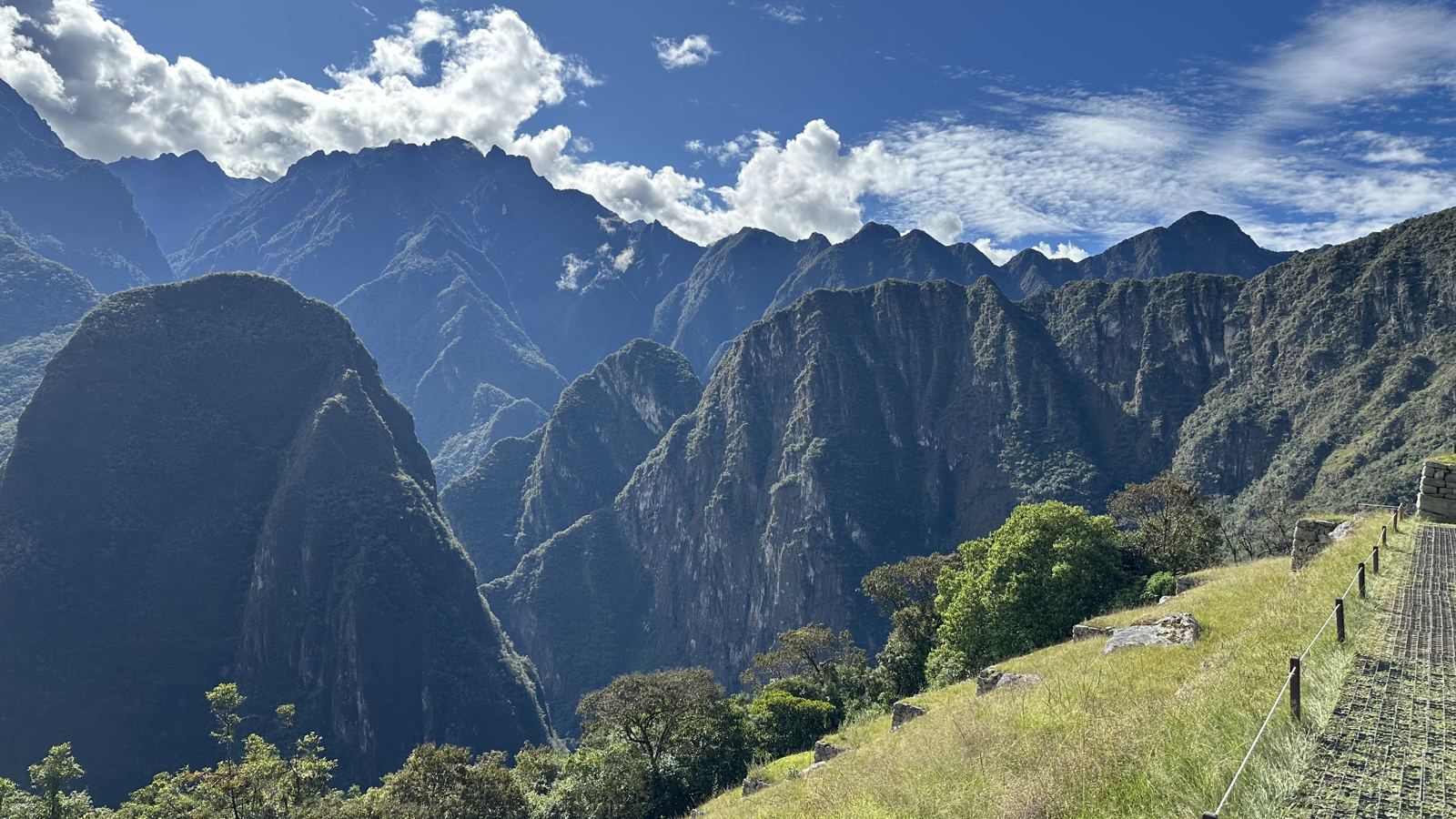
The Salkantay Trek: for actual nature lovers. If you want to see the Andes without seeing the back of a stranger’s zip-off cargo pants, the Salkantay Trail is the superior choice. You’ll trade crowded ruins for snow-capped peaks (hello, Mt. Salkantay), turquoise glacial lakes, and actual cloud forests. And unlike the Inca Trail, where you’re relegated to designated campsites that smell faintly of group anxiety, the Salkantay offers high-end lodge-to-lodge trekking: raw wilderness by day, an outdoor jacuzzi at night at places like Mountain Lodges of Peru.
The “compromise” for the semi-adventurous. If you simply must say you walked the original path but your knees (or your patience) won’t tolerate four days of stone stairs, consider the Short Inca Trail (the one-day hike). You get dropped off by the train, hike a few hours to the Sun Gate for the iconic view, and — this is the crucial part — reward yourself with a stay at the Belmond Sanctuary Lodge. While the four-day trekkers are collapsing into their tents, you’ll be sipping a pisco sour at the only hotel at the citadel gates.
The verdict: if you’re reading a blog about food and high-end hotels, the four-day Inca Trail is likely not for you. Go Salkantay for the scenery, or do the day hike plus Belmond combo for the bragging rights without the blisters.
Getting from Cusco or Ollantaytambo to Machu Picchu is a logistical ballet that essentially boils down to how much you’re willing to pay to be entertained while staring at a river. Whether you’re departing from the sacred cobblestones of Ollantaytambo or taking the “bimodal” (bus-then-train) shuffle from Cusco, you have two main players: PeruRail and Inca Rail. They use the same tracks, but their marketing departments would have you believe they’re operating in different dimensions.
The “First Class” reality check. If you opt for the “First Class” or “Vistadome Observatory” tiers, you’ll find the seats perfectly comfortable. Prepare your soul, however, for a level of forced whimsy that makes Disney World look like a gritty documentary.
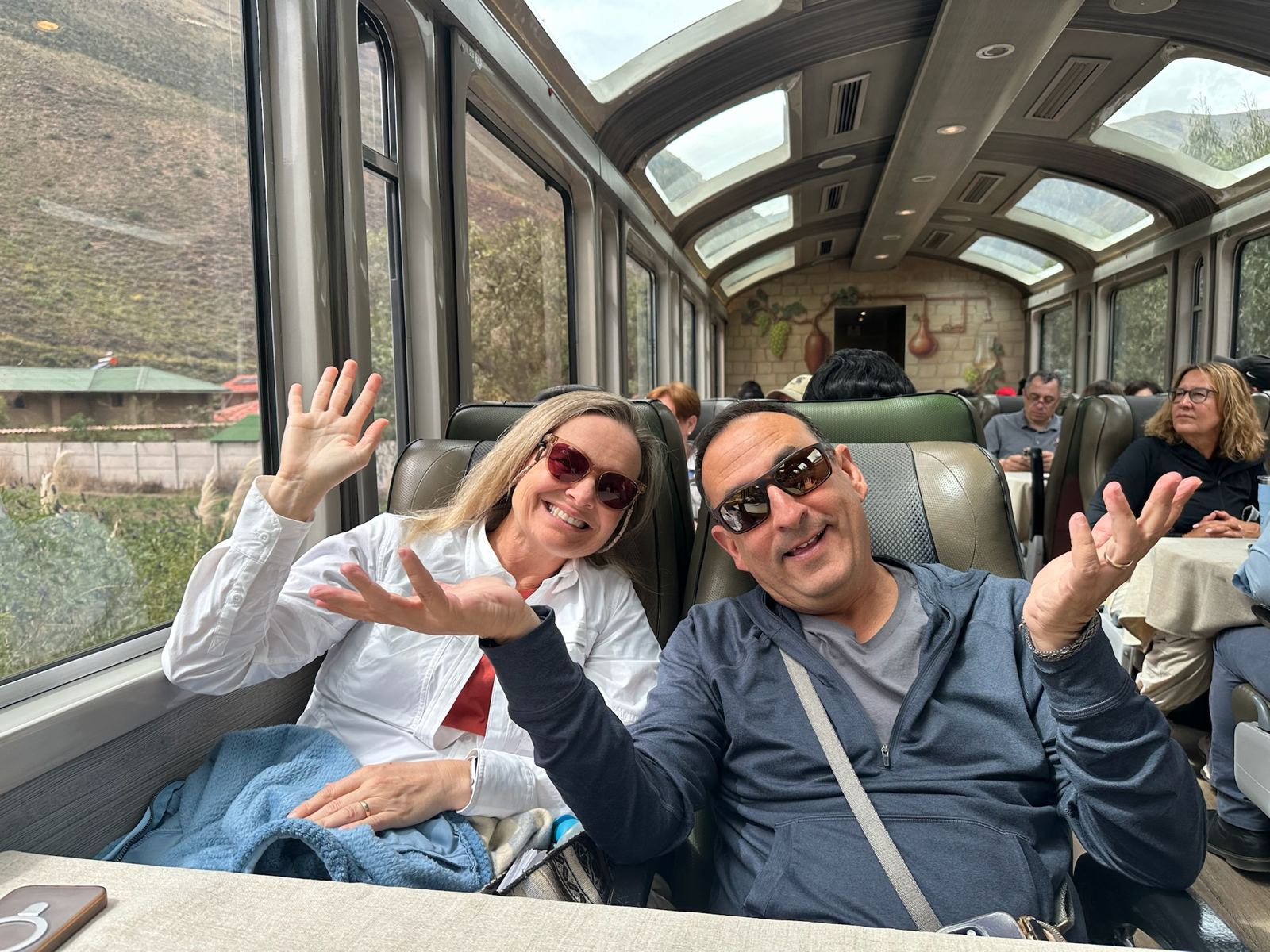
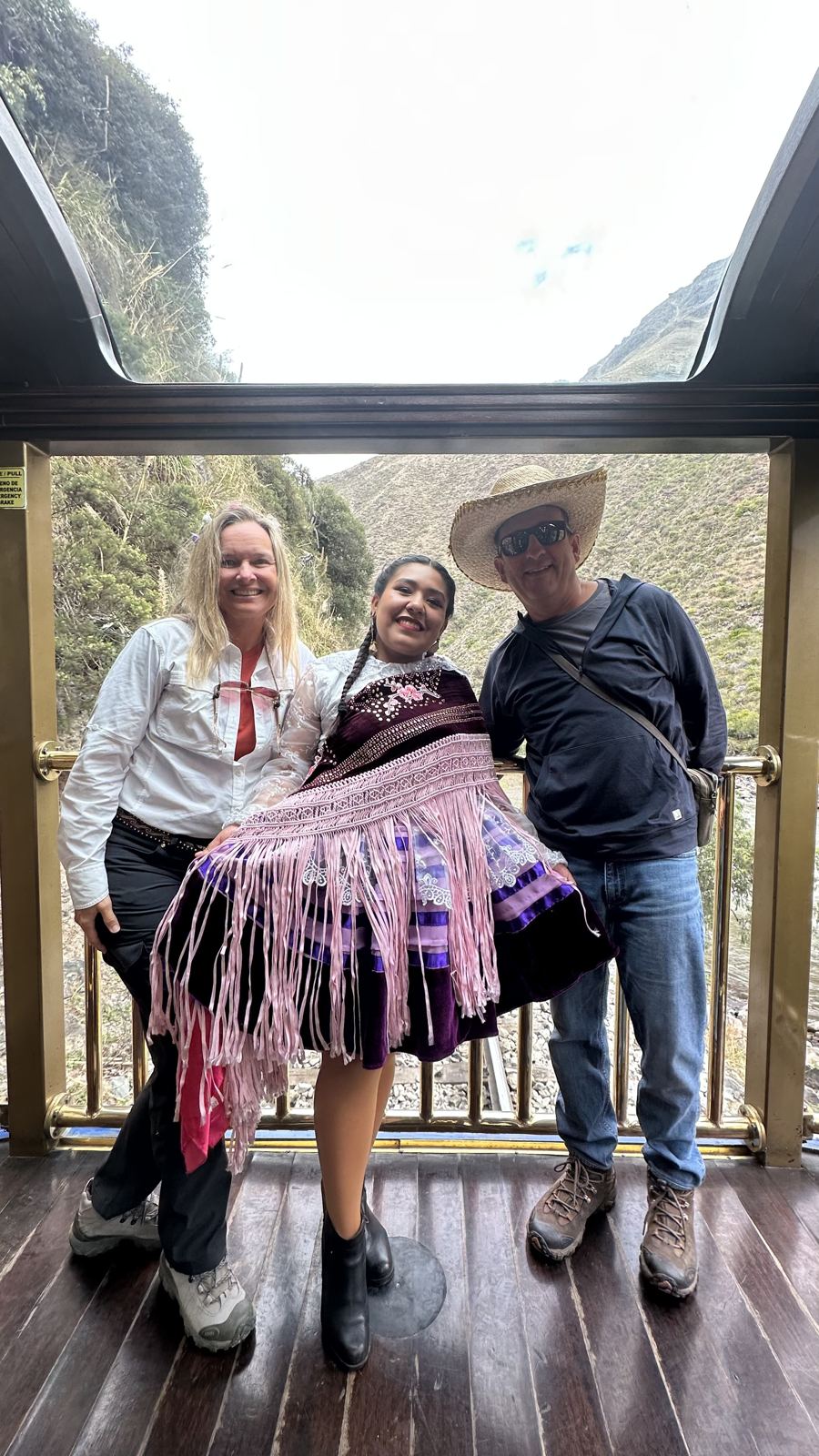
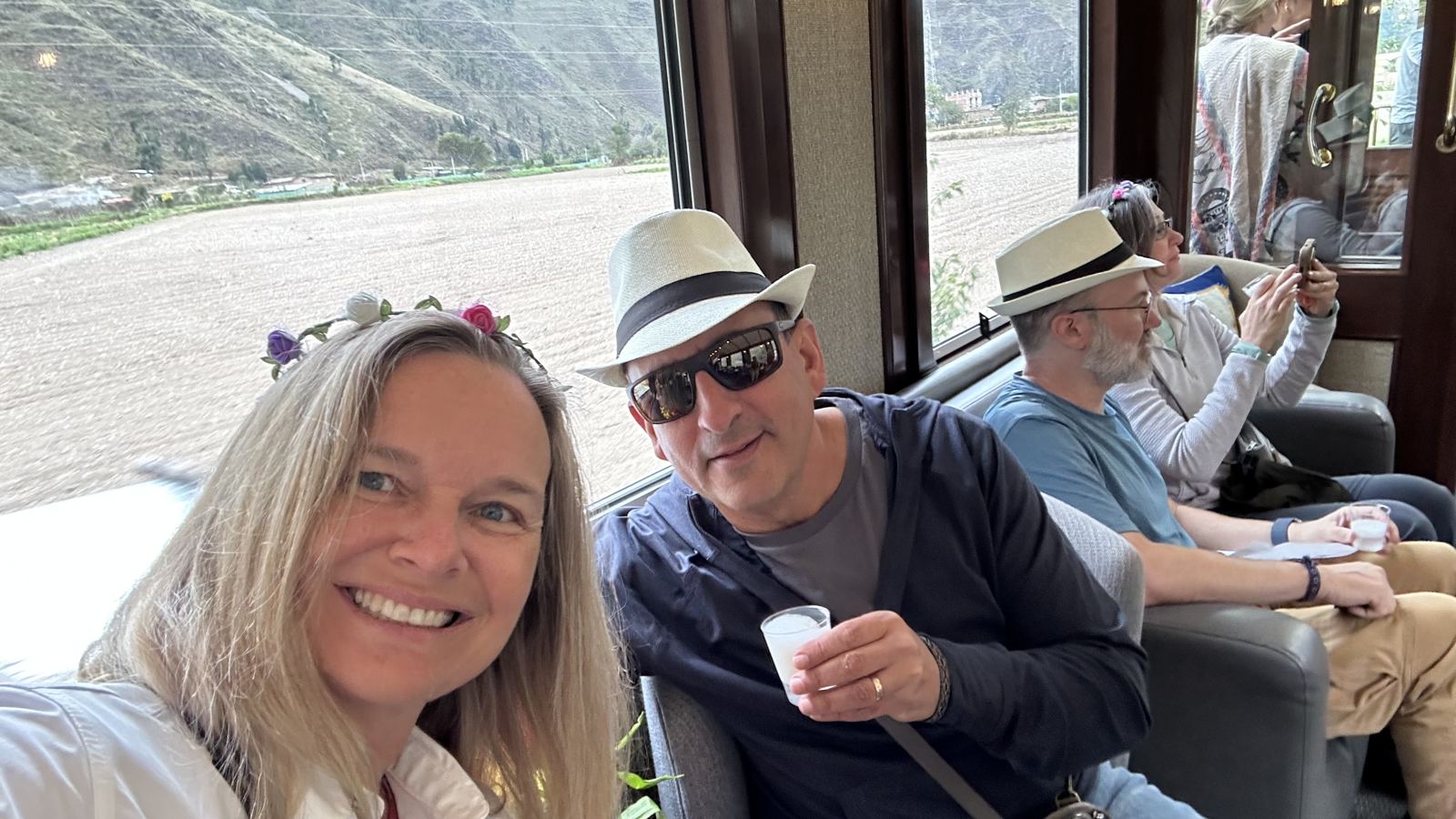
In the world of Peruvian rail travel, the middle ground is a trap of upselling and manufactured “authenticity.” The Mustache offers two paths to sanity:
1. The true splurge. If you actually want luxury, go for the Belmond Hiram Bingham. It’s a world of difference — actual fine dining, free-flowing cocktails, and a level of service that doesn’t feel like a 90-minute infomercial. It’s ruinously expensive, but at least it knows what it is.
2. The tactical save. Go second class (Expedition or Voyager). You get the exact same view through the windows, a much lower bill, and zero obligation to watch a steward dance in a colorful mask while trying to sell you a $200 scarf.
Basically, if you pay for the mid-tier “premium” experience, expect them to spend the whole trip trying to sell you something else at an even higher price. Either go all-in on the Belmond or keep your wallet shut and enjoy the scenery in second class.
So, you’ve survived the train. You’ve stepped off at Aguas Calientes (now rebranded as “Machu Picchu Pueblo” for maximum tourist appeal) and you think you’ve reached the finish line. Think again. You are now at the mercy of the Consettur bus, a fleet of green shuttles that serve as the final, frustrating hurdle between you and that iconic shot.
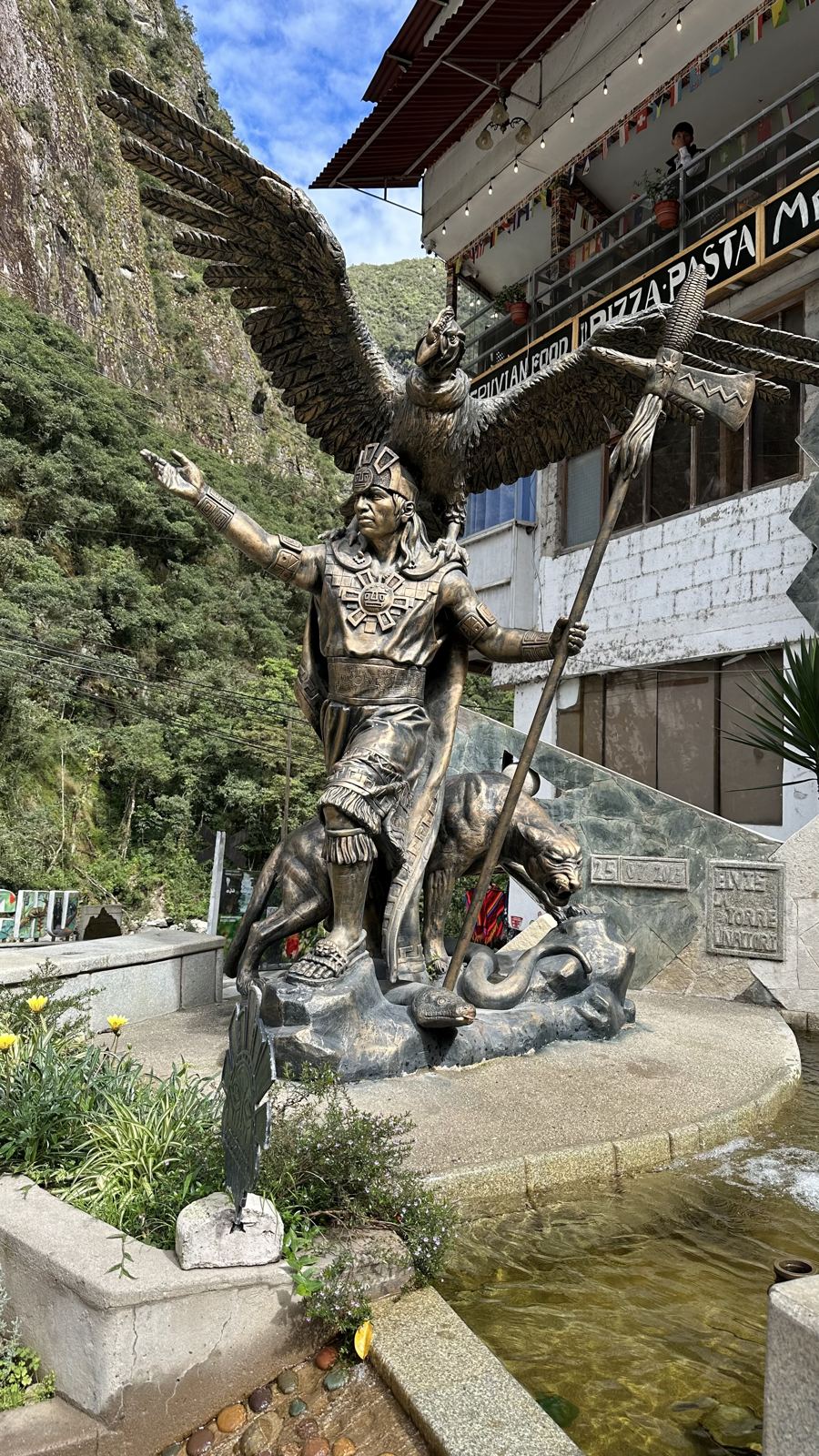
The queue of infinite patience. Whether it’s a refreshing Andean drizzle or a sun that wants to peel your skin off, the line for the bus is a marvel of human endurance. It snakes through town like a restless serpent, fueled by the anxiety of thousands of people all trying to be the “first” at the Sun Gate. You will stand there for an eternity, wondering if the line is moving or if the Earth has simply stopped spinning. It’s like waiting for a theme-park ride, except the ride is a 25-minute series of white-knuckle switchbacks up a dirt road called the Hiram Bingham Highway.
The ticketing labyrinth. In a stunning display of “why make it easy when you can make it profitable,” the bus ticket and the Machu Picchu entry ticket are entirely separate purchases. The gotcha: your bus time has to line up with your entry slot. If you show up at the gate with a 9:00 AM entry ticket but didn’t account for the 60-minute bus line, the guards will greet you with a polite but firm “no.” The ticketing system is also a confusing mess of different offices and digital hurdles. Lose that little slip of paper? Congratulations, you’ve just donated more money to the local economy and headed to the back of the line.
The Belmond escape hatch. There is a way to bypass this communal suffering: the Belmond Sanctuary Lodge, if it’s still open. If you’re staying at the Sanctuary (right at the citadel gates), or you’ve booked their private transfer, you ascend to a higher plane of existence while the masses sweat in the queue below. We would have booked there ourselves, but at the time the Belmond was still stuck in Peruvian Negotiation Limbo over its lease.
The Stache escape hatch. We bought an entire bus. For six people. Round trip. It was an absurdly overpriced way to skip the queue, and we know it. Everyone standing in that line, waiting on their 60-person bus, gave us the evil eye, and we collected every one of them like a souvenir. Meanwhile, an entire bus sat waiting for just the six of us. Sorry, not sorry. Was it ridiculous? Completely. Was it worth it? Absolutely.
A note from the Staches: let the record show we tried. We could not get tickets on the Belmond train, le sigh, and the Sanctuary was stuck in lease limbo, so staying there was off the table too. Would we have paid any price to skip the whole Machu Picchu shuffle and sleep at the Belmond instead? In a heartbeat, as long as nobody was mid-negotiation on the lease. Outrageously, offensively expensive, and we would have paid it. Hence the private bus: not the same thing, but it’s what’s left when the dream option is closed. No matter what: buy the ticket, take the ride, and keep your sanity — if you can. And here is where the Staches admit defeat: this is the one time we will tell you to pay a professional to help you plan it. The ticket, the timed entry and the Circuit insanity are not a DIY project.
So, you’ve made it through the train-car fashion show and the green-bus purgatory. You are finally standing before the “Lost City of the Incas.” It is, undeniably, a stunning pile of rocks.
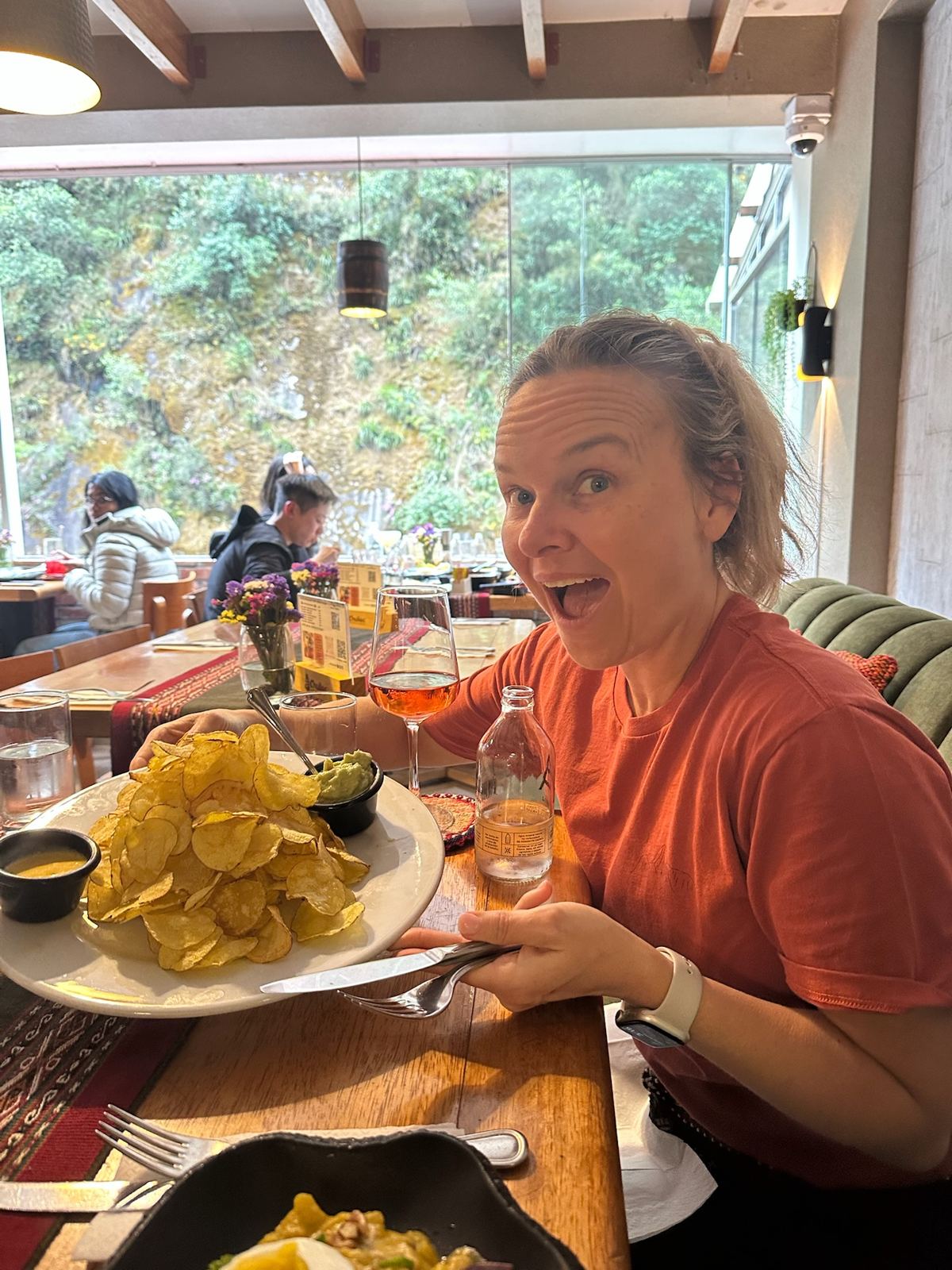
But here’s the secret the tour guides won’t tell you: Machu Picchu is the only thing to see at Machu Picchu. Unless you’re actively seeking the thrill of paying $18 for a mediocre burger while surrounded by the constant roar of the Urubamba River and the exhaust from the semi-hourly trains, there is zero reason to linger.
The escape strategy. Get in, take your photos, have your transcendental moment with a llama, and then immediately head back upriver. The true heart of the region isn’t at the end of the tracks; it’s back in the Valle Sagrado. While the Pueblo feels like a tourist simulation, the valley offers actual, living history.
A final regret from the Staches. As much as we mock the price tag, we still gazed longingly at the Belmond Sanctuary Lodge (which, miraculously, is still clinging to its spot at the gate through at least 2028, maybe). If we’d stayed there, we could have retreated into a pisco sour and avoided the sweaty bus descent entirely. But since we couldn’t book the full Belmond experience, the move is clear: treat Machu Picchu like a spectacular museum — visit the exhibit, skip the gift-shop town, and get back to the Sacred Valley where the real Peru is hiding.
And one honest word on the Pueblo itself: if you can time your train so you skip staying overnight there entirely, your soul (and your wallet) will thank you. It’s a tourist fever dream of overpriced pizza and souvenir stalls selling the same synthetic alpaca sweater. It’s loud, humid, and cramped. If the Belmond is still operating at the gates, pay the ridiculous price and thank them.
No kick-backs for links. Ever.
 Machu Picchu Official Ticketing
+51 84 582030 — Good luck; I hope you know the Serenity Prayer.
Visit →
Consettur Machu Picchu Bus Tickets
+51 84 211134 — The official portal for your 25-minute date with a switchback road. We hired an entire private bus for ourselves, which was really extra, but also awesome.
Visit →
Machu Picchu Official Ticketing
+51 84 582030 — Good luck; I hope you know the Serenity Prayer.
Visit →
Consettur Machu Picchu Bus Tickets
+51 84 211134 — The official portal for your 25-minute date with a switchback road. We hired an entire private bus for ourselves, which was really extra, but also awesome.
Visit →
 Belmond Hiram Bingham
The true splurge: actual fine dining, free-flowing cocktails, and service that doesn’t feel like a 90-minute infomercial. Ruinously expensive, but it knows what it is.
Visit →
Sanctuary Lodge by Belmond
+51 984 816 956 — The only way to avoid the bus queue is to stay at the gate. Bring your gold bars.
Visit →
Find it on the map →
Inkaterra Machu Picchu Pueblo Hotel
+51 84 211 122 — A lovely hotel tucked away in the jungle across the train tracks. If you’re spending the night and can’t stomach the Belmond price, this is our only suggestion.
Visit →
Find it on the map →
Belmond Sanctuary Restaurant
+51 984 816 956 — Conveniently located at the citadel entrance for those who prefer white tablecloths over trail mix.
Visit →
Find it on the map →
Alpacas Grill (on the river)
+51 921 838 182 — Solid Peruvian fare with a river view.
Find it on the map →
Chullos Restaurant & Craft Beer
+51 961 773 008 — In Machu Picchu Pueblo; great for a riverside meal while you wait for your train.
Visit →
Find it on the map →
Belmond Hiram Bingham
The true splurge: actual fine dining, free-flowing cocktails, and service that doesn’t feel like a 90-minute infomercial. Ruinously expensive, but it knows what it is.
Visit →
Sanctuary Lodge by Belmond
+51 984 816 956 — The only way to avoid the bus queue is to stay at the gate. Bring your gold bars.
Visit →
Find it on the map →
Inkaterra Machu Picchu Pueblo Hotel
+51 84 211 122 — A lovely hotel tucked away in the jungle across the train tracks. If you’re spending the night and can’t stomach the Belmond price, this is our only suggestion.
Visit →
Find it on the map →
Belmond Sanctuary Restaurant
+51 984 816 956 — Conveniently located at the citadel entrance for those who prefer white tablecloths over trail mix.
Visit →
Find it on the map →
Alpacas Grill (on the river)
+51 921 838 182 — Solid Peruvian fare with a river view.
Find it on the map →
Chullos Restaurant & Craft Beer
+51 961 773 008 — In Machu Picchu Pueblo; great for a riverside meal while you wait for your train.
Visit →
Find it on the map →
 The Salkantay Trek
An area of Peru, not a single operator, so there are many tour guides to choose from. For actual nature lovers: snow-capped peaks, turquoise glacial lakes and cloud forests, without the back of a stranger’s zip-off cargo pants. Shop around.
Find it on the map →
Mountain Lodges of Peru
Lodge-to-lodge Salkantay trekking, for people who like their wilderness with a jacuzzi.
Visit →
The Salkantay Trek
An area of Peru, not a single operator, so there are many tour guides to choose from. For actual nature lovers: snow-capped peaks, turquoise glacial lakes and cloud forests, without the back of a stranger’s zip-off cargo pants. Shop around.
Find it on the map →
Mountain Lodges of Peru
Lodge-to-lodge Salkantay trekking, for people who like their wilderness with a jacuzzi.
Visit →
In all honesty, anything across the train tracks along the river is a world away from the rest of the “gringo bar scene” uphill.
This was stop three of four. On to Cusco → or back to the Peru home page →