i
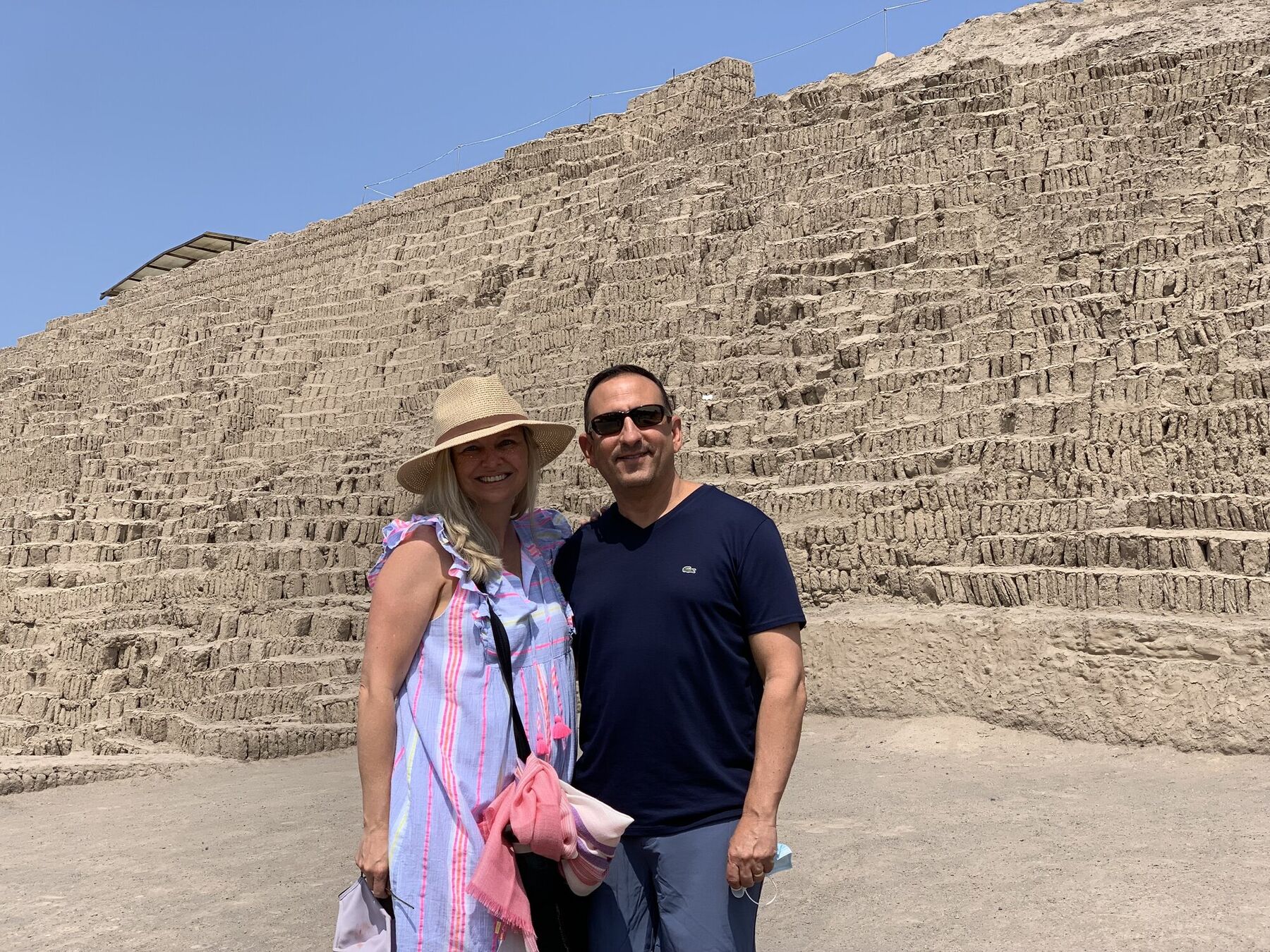
Huaca Pucllana: a 1,500-year-old pyramid in the middle of Miraflores, lit beautifully at night.
Hope You’re Hungry!
Touching down in Lima for the second time felt like reuniting with an old love who’d only gotten better with age. Our first trip, in March 2022, was a solo, Lima-only, borderline-obsessive pilgrimage through Peru’s capital of gastronomy: ceviche at dawn, anticuchos at midnight, and more pisco sours than any responsible adult should admit to. We left convinced that Lima’s food scene wasn’t just good; it was the best on the planet.
This time, we weren’t flying solo. We dragged two other adventurous couples along — six of us in total, ready to eat and drink in preparation for further adventures in the Andes. The shift from a solo obsessive mission to a collaborative pilgrimage changed the rhythm of the trip, but not the mission: find the best food in the city, understand the neighborhoods, and figure out why this place keeps pulling us back.
As always, every link in these posts goes straight to the vendor. We don't take commission — on links or on reviews. Ever!
Trust us? Check out our Lima Wander Map.
*As always, no commissions from our links. We encourage booking early and direct. These maps are always a work in progress, and are curated from all past trips and current research.
These pins also power ai-tinerary, our invite-only itinerary tool. Same stamps, same opinions.
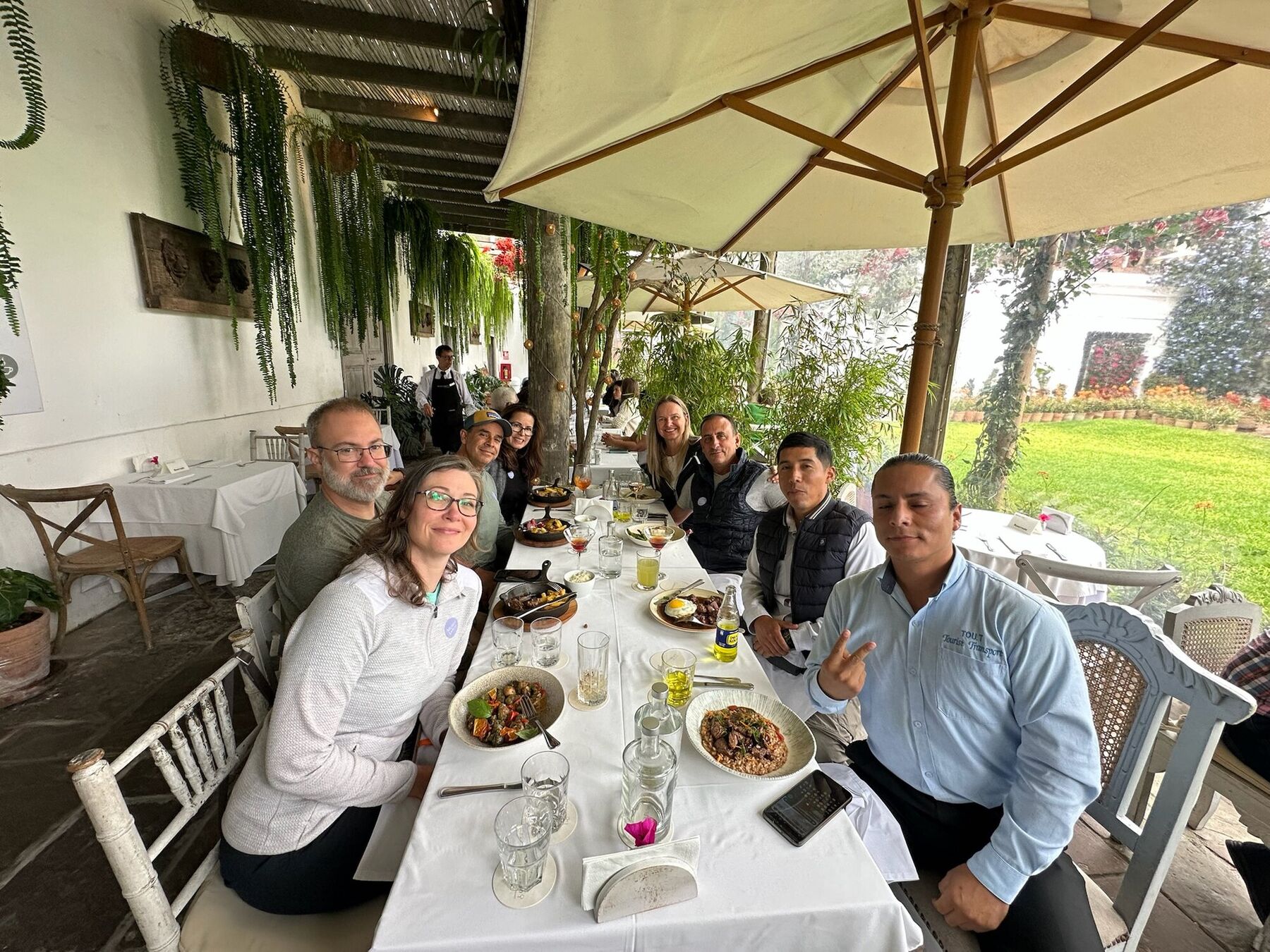
We made the Westin in San Isidro our 2025 home base — a newer, well-run property in the financial district, surrounded by glass towers, embassies, and some of the city’s best restaurants. But here’s the reality that three days into the trip made painfully clear: that “10–15 minute Uber ride” to Miraflores and Barranco? It’s only 10–15 minutes at 4 AM. Every other hour of the day it’s easily 45 minutes to an hour, sometimes longer. Lima’s traffic is not a minor inconvenience — it’s a time thief that can eat an entire morning or derail an evening dinner reservation. We learned this lesson the expensive way.
Our unplanned night at the newly renovated JW Marriott in Miraflores changed everything. Suddenly we were steps from the neighborhoods we were visiting — walkable, or an honestly short Uber ride, to the best restaurants, the Malecón, the boutique galleries, the street food, the actual energy of the city. No Uber calculation. No traffic negotiation. Just straight out the door into Lima. That single night sold us. For our next trip back, the JW is locked in. If you’re building your own Lima itinerary, learn from our mistake: location is everything in this city, and the difference between San Isidro and Miraflores isn’t miles — it’s hours.
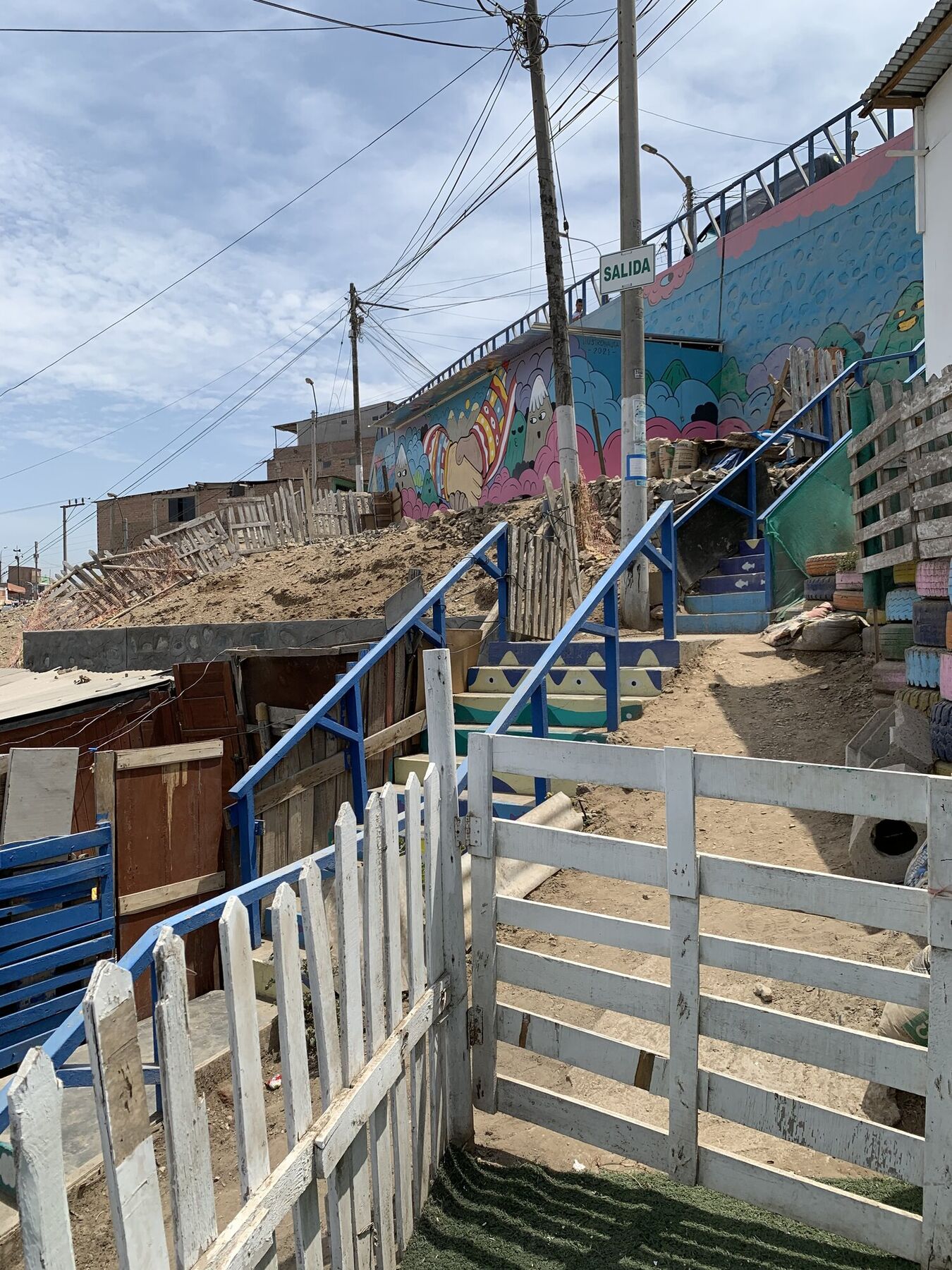
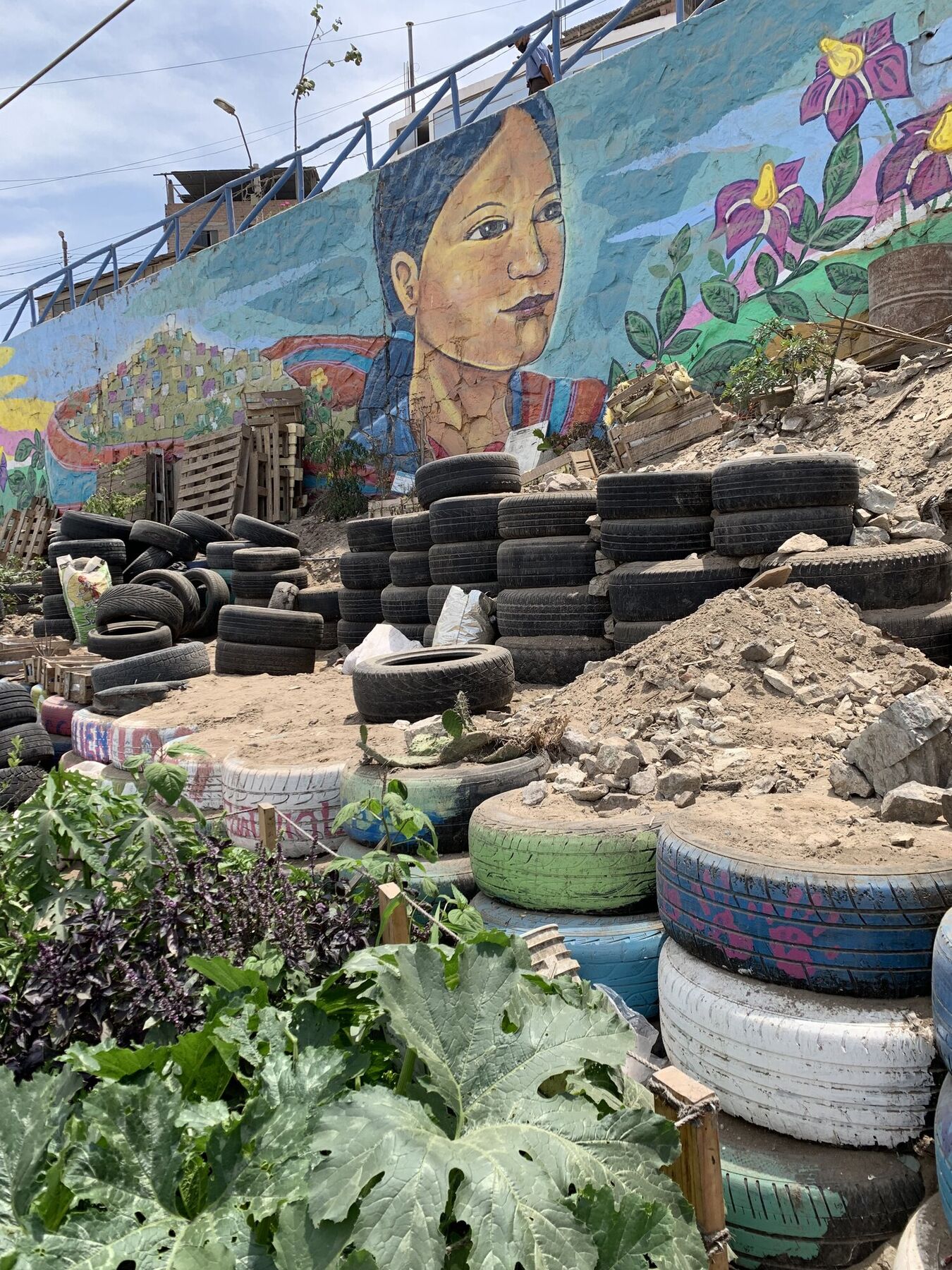
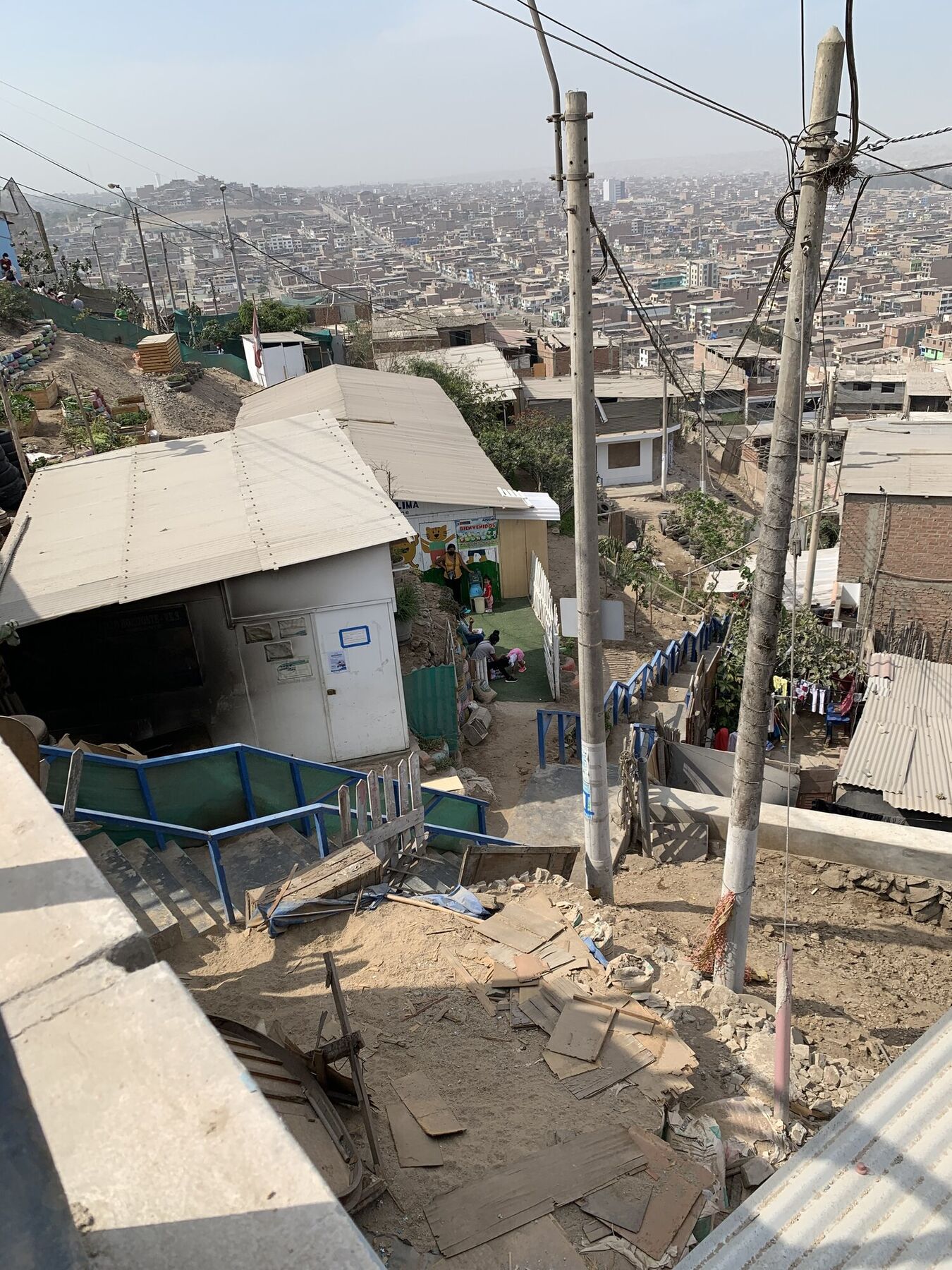
And yes, the contrasts hit even harder from this vantage point. Step out of the hotel lobby and you’re in a bubble of luxury — valet parking, rooftop pools, security everywhere. From those rooftop pools, you can see the sprawling pueblos jóvenes climbing the hills beyond the city limits, a visual reminder of the vast economic divide that defines Lima. The same city that hosts some of the world’s best restaurants and most exclusive resorts also encompasses neighborhoods where families live in resourceful, hand-built homes on steep hillsides. Ancient huacas (sacred pyramids) sit quietly in the middle of it all while brand-new skyscrapers keep rising. Lima holds all of these realities at once.
The food scene? Still the undisputed heavyweight champion of the world. Central, Maido, Kjolle, and the rest of the World’s 50 Best crew are practically neighbors, with tasting menus that’ll set you back $150–$400+ per person (worth every penny, but significantly more expensive than three years ago). Thankfully, the street corners and neighborhood mercados still sling perfect ceviche and lomo saltado for pocket change, reminding us that in Lima, mind-blowing food isn’t reserved for the elite.
 JW Marriott Lima
The newly renovated standout for any five-star-preferred Marriott loyalist in Lima. We had an unplanned night here post-renovation during the 2025 trip and immediately understood why. The central location in Miraflores is the difference-maker: steps from the best restaurants in Barranco and Miraflores, walkable to the Malecón, positioned perfectly to explore without constant Uber rides. The renovation brought the property fully into the modern luxury space while keeping the service standards Marriott loyalists expect. If you’re Titanium or above, this is now the automatic choice. Av. José Larco 160, Miraflores · +51 1 217 7000
Visit →
Find it on the map →
The Westin Lima
We’ve stayed here twice — 2022 and 2025 — and our opinion has shifted. The hotel itself is solid: newer, well run, excellent staff, good bar and restaurant. But the location is its real drawback for leisure travelers. San Isidro’s financial-district vibe doesn’t offer the walkability or neighborhood character you’re looking for in Lima, and the Uber to Miraflores and Barranco is 45 minutes to an hour at any normal hour of the day. We didn’t fully grasp this in 2022, but by 2025 the traffic reality was impossible to ignore. If you’re in town for business and San Isidro restaurants are your priority, this works. If you’re coming for the food and the neighborhoods, the location tax is real. Av. Coronel La Rosa 350, San Isidro · +51 1 201 5000
Visit →
Find it on the map →
Miraflores Park, Belmond
A lovely, old-school hotel at the edge of Miraflores, next to Barranco. Very close to everything, but a world away from it all. Maintains the polished Belmond look and excellent service. If you want the security and prestige of a luxury brand with coastal positioning, this is it.
Visit →
Find it on the map →
AC Hotel Miraflores
A good option if you want a familiar brand at a slightly lower price. Excellent location in Miraflores without the luxury-hotel price tag.
Visit →
Find it on the map →
JW Marriott Lima
The newly renovated standout for any five-star-preferred Marriott loyalist in Lima. We had an unplanned night here post-renovation during the 2025 trip and immediately understood why. The central location in Miraflores is the difference-maker: steps from the best restaurants in Barranco and Miraflores, walkable to the Malecón, positioned perfectly to explore without constant Uber rides. The renovation brought the property fully into the modern luxury space while keeping the service standards Marriott loyalists expect. If you’re Titanium or above, this is now the automatic choice. Av. José Larco 160, Miraflores · +51 1 217 7000
Visit →
Find it on the map →
The Westin Lima
We’ve stayed here twice — 2022 and 2025 — and our opinion has shifted. The hotel itself is solid: newer, well run, excellent staff, good bar and restaurant. But the location is its real drawback for leisure travelers. San Isidro’s financial-district vibe doesn’t offer the walkability or neighborhood character you’re looking for in Lima, and the Uber to Miraflores and Barranco is 45 minutes to an hour at any normal hour of the day. We didn’t fully grasp this in 2022, but by 2025 the traffic reality was impossible to ignore. If you’re in town for business and San Isidro restaurants are your priority, this works. If you’re coming for the food and the neighborhoods, the location tax is real. Av. Coronel La Rosa 350, San Isidro · +51 1 201 5000
Visit →
Find it on the map →
Miraflores Park, Belmond
A lovely, old-school hotel at the edge of Miraflores, next to Barranco. Very close to everything, but a world away from it all. Maintains the polished Belmond look and excellent service. If you want the security and prestige of a luxury brand with coastal positioning, this is it.
Visit →
Find it on the map →
AC Hotel Miraflores
A good option if you want a familiar brand at a slightly lower price. Excellent location in Miraflores without the luxury-hotel price tag.
Visit →
Find it on the map →
 Wyndham Grand Costa del Sol Lima Airport
Because of flight timing, you may want to stay near the airport to avoid the hour-plus morning drive. This is our recommendation for airport stays. Note: there are two Wyndhams. You want the Grand.
Visit →
Find it on the map →
Wyndham Grand Costa del Sol Lima Airport
Because of flight timing, you may want to stay near the airport to avoid the hour-plus morning drive. This is our recommendation for airport stays. Note: there are two Wyndhams. You want the Grand.
Visit →
Find it on the map →
Stache pro tip: don’t be afraid to explore hotels that aren’t on our list. On our most recent trip we saw many locally owned properties worth checking out. The luxury hotel market in Lima is competitive, and there are excellent small properties that don’t show up on international booking sites.
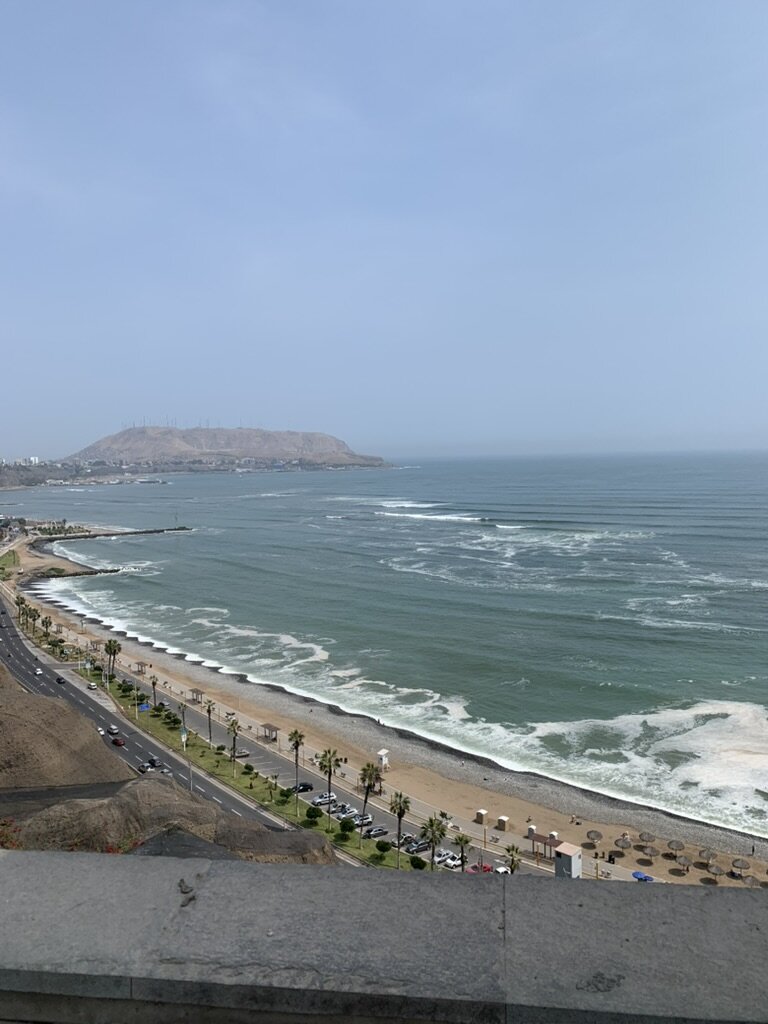
Lima is a sprawling city of more than 40 districts, blending historic charm, world-class cuisine, and stunning Pacific views. For first-time visitors, the key neighborhoods revolve around the historic center (Centro Histórico) with its colonial architecture and iconic Plaza Mayor, the upscale and modern Miraflores, and the bohemian, artistic Barranco. Other areas like San Isidro offer luxury and greenery, but the coastal districts of Miraflores and Barranco stand out as the most convenient and lively bases.
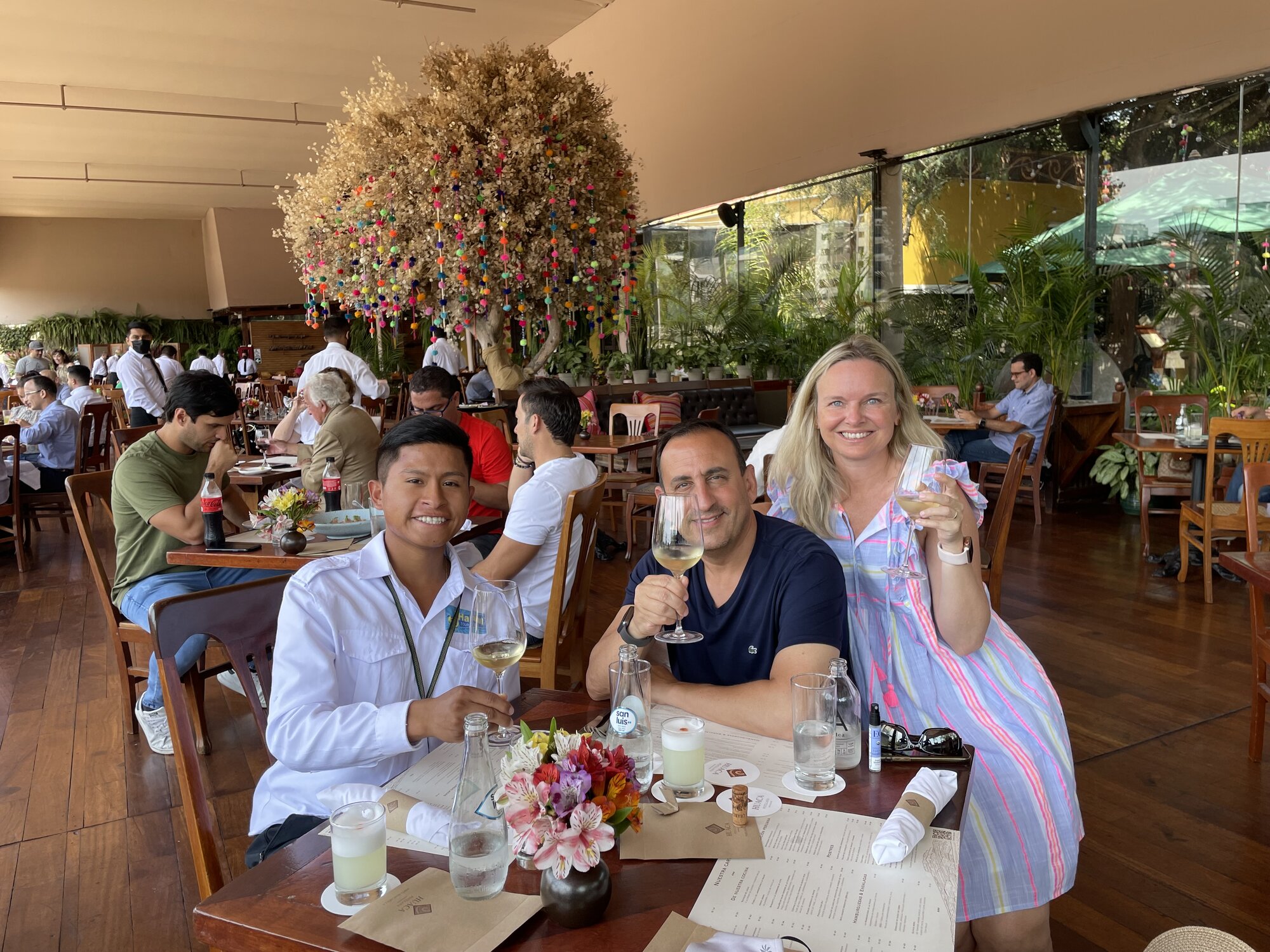
One critical note on how you explore Lima: use a local guide company. We cannot stress this enough. Peru, like many Latin American countries, carries deep scars of colonialism and racism that show up in all aspects of society, including tourism. When you book with a local company like Haku Tours, you’re directly supporting Indigenous and pre-Columbian guides who are often excluded from mainstream tourism infrastructure. Haku employs many guides from Indigenous backgrounds and has built a business model that centers their expertise and voices.
Beyond the ethical imperative, Haku Tours was extraordinarily flexible with us. They created custom itineraries that went far beyond the typical tourist circuit — giving us real access to neighborhoods, local restaurants, and community experiences that shaped how we understand Lima. They handled all transportation, were professional and knowledgeable, and were genuinely invested in our experience. Their philanthropic arm, Reciprocity NGO, works directly in Peruvian communities on education and sustainable development. If you’re visiting Lima or heading to Cusco, we strongly encourage you to book with them. You’ll have a better trip, and your money will go to people who deserve it.
These two adjacent neighborhoods along the Pacific cliffs are where you’ll find the highest concentration of top restaurants — from casual cevicherías to acclaimed fine-dining spots like Central and Maido — along with trendy cafes, bars, and nightlife. They’re also home to many of Lima’s modern attractions: the cliffside Malecón walkway for paragliding and ocean views in Miraflores, the ancient Huaca Pucllana pyramid, the Larco Museum (nearby in Pueblo Libre but easily accessible), parks like Parque del Amor, and street-art galleries.
Barranco adds a colorful, creative vibe with its famous Bridge of Sighs, murals, and bohemian streets perfect for evening strolls. Both districts are safe, walkable, and packed with hotels ranging from boutique properties to international chains, making them ideal for immersing yourself in Lima’s food scene without constant commuting.
The main exception is the historic Plaza Mayor and surrounding colonial sites (like the Cathedral and Government Palace), about 20–30 minutes away by Uber or taxi. A day trip there is essential for history buffs, but basing yourself in Miraflores or Barranco keeps you close to most daily highlights — beaches, dining, shopping, and coastal vibes — while avoiding the heavier traffic in the center.
Bottom line: choose Miraflores for a polished, tourist-friendly feel or Barranco for artsy charm.
Beyond the basics: while Miraflores, Barranco, and Centro Histórico form the core of most first-time visits, Lima’s true personality reveals itself if you venture deeper. Neighborhoods like Pueblo Libre (home to museums and art galleries), Comas (a quieter residential area), Rímac (historic and gritty, for the adventurous), La Punta, and Chorrillos each offer their own character. Lima is sprawling and complex — if you have time, ask your guide (like those from Haku Tours) to take you beyond the expected tourist route.
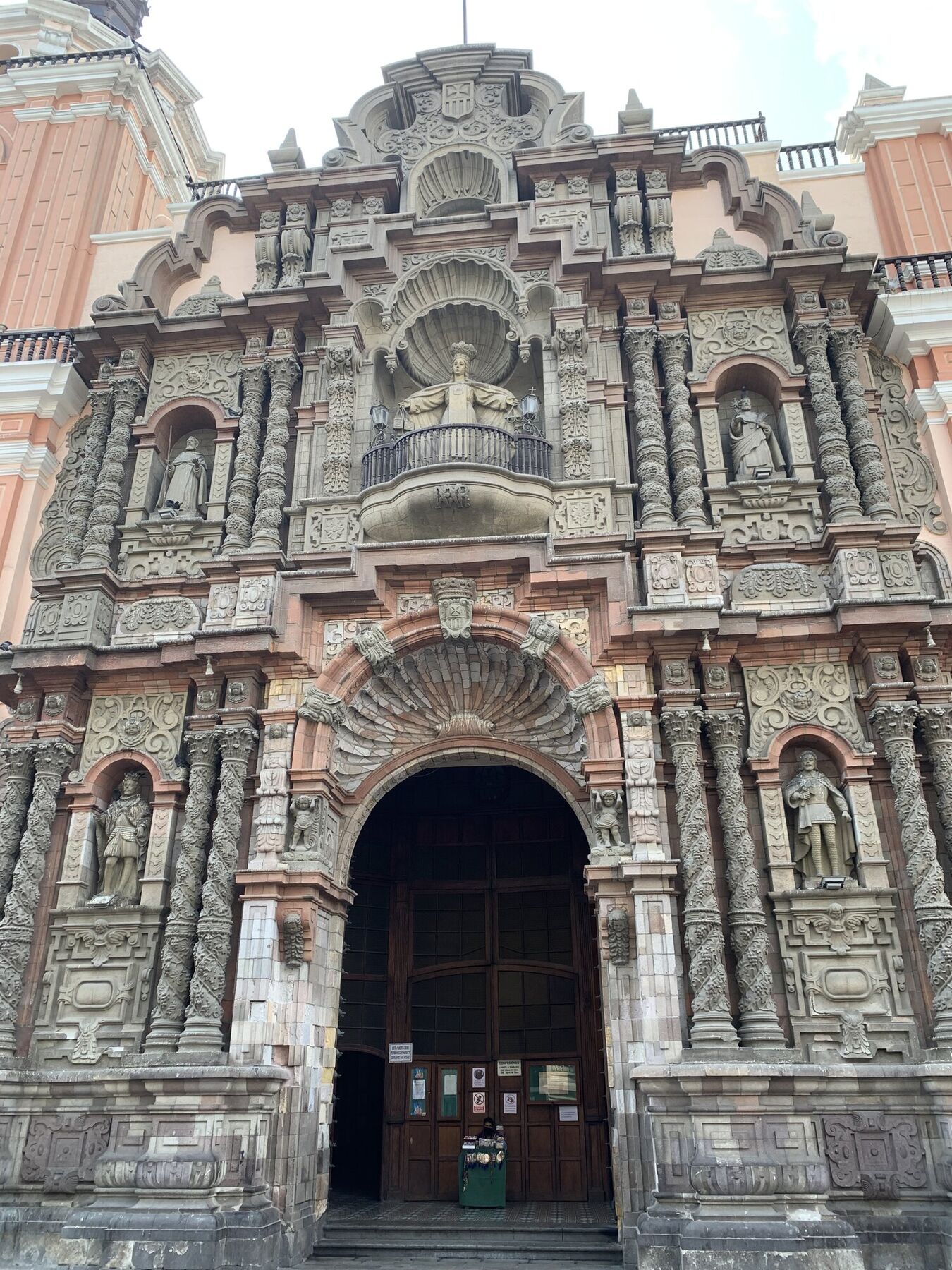
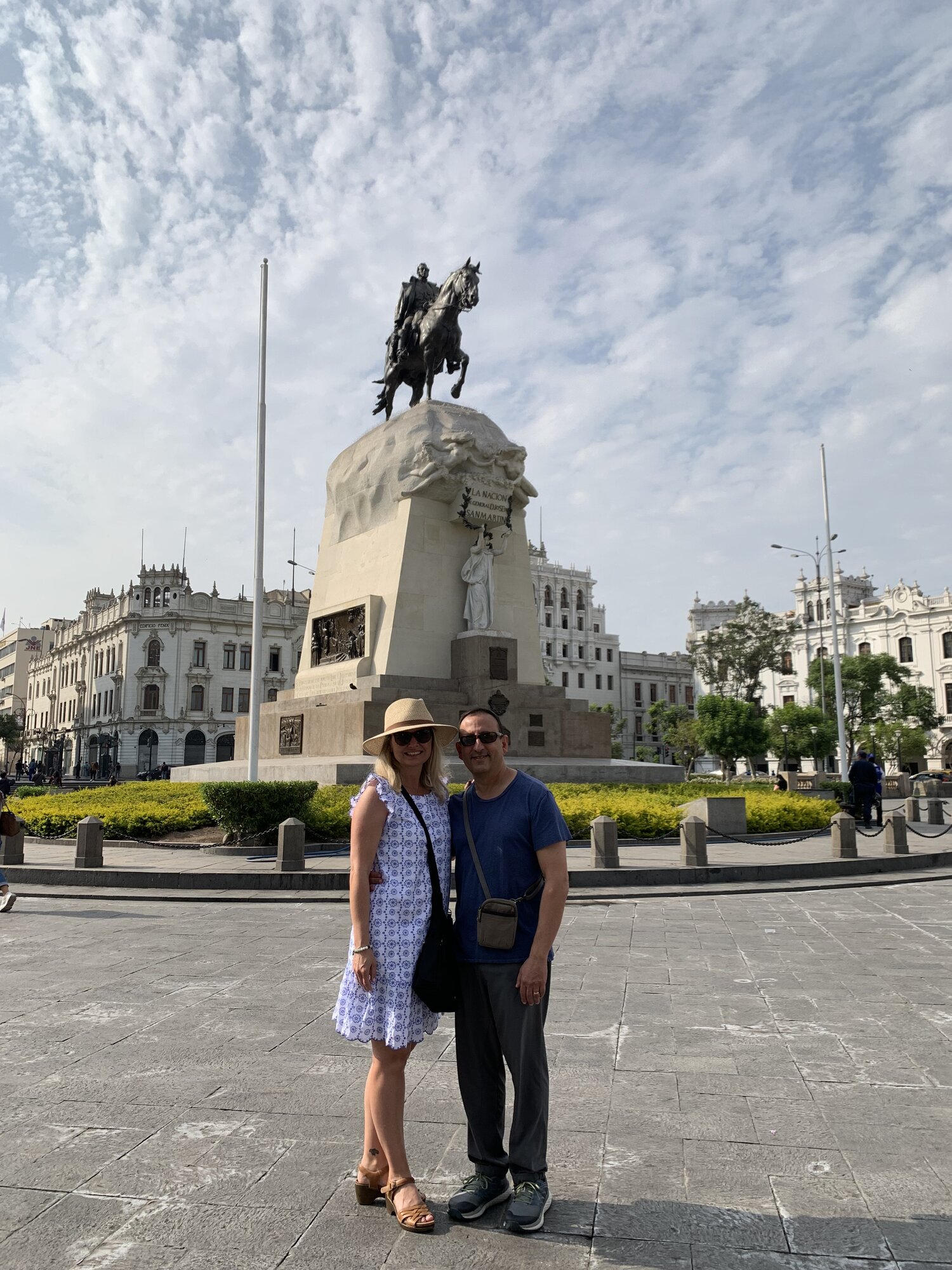 San Francisco Convent & Catacombs
A haunting experience: bone-filled catacombs beneath this 17th-century convent in Centro Histórico. The underground passages hold thousands of skeletal remains arranged in haunting patterns. It’s both museum and memento mori. Plan one to two hours and book ahead in peak season. Jirón Lampa, Cercado de Lima · +51 1 427 1703
Visit →
Find it on the map →
Larco Museum
A wonderfully curated small museum in Pueblo Libre with an excellent range of pre-Columbian exhibits — ceramics, textiles, and artifacts that illuminate Peru’s ancient civilizations, without the overwhelming scale of the larger museums. Set in a restored colonial mansion, with a lovely café. Worth half a day. (The khipu below, an Inca recording system of knotted strings used to track census data, tribute, and history, is one of the highlights.) Av. Simón Bolívar 1515, Pueblo Libre · +51 1 461 1312
Visit →
Find it on the map →
Magic Water Circuit
A unique park in central Lima with incredible fountains that light up after dark. The evening laser show is genuinely impressive. Touristy, yes, but the engineering and artistry are worth experiencing. Go at dusk to catch both day and night. Parque de la Reserva, Lima · +51 1 330 3052
Visit →
Find it on the map →
Huaca Pucllana
A 1,500-year-old pyramid in the middle of Miraflores, still imposing despite the modern development around it. Walk the site during the day to understand the scale, then return at night when it’s lit. The on-site restaurant has views of the illuminated pyramid. Calle General Borgoño cuadra 8, Miraflores · +51 1 617 7148
Visit →
Find it on the map →
San Francisco Convent & Catacombs
A haunting experience: bone-filled catacombs beneath this 17th-century convent in Centro Histórico. The underground passages hold thousands of skeletal remains arranged in haunting patterns. It’s both museum and memento mori. Plan one to two hours and book ahead in peak season. Jirón Lampa, Cercado de Lima · +51 1 427 1703
Visit →
Find it on the map →
Larco Museum
A wonderfully curated small museum in Pueblo Libre with an excellent range of pre-Columbian exhibits — ceramics, textiles, and artifacts that illuminate Peru’s ancient civilizations, without the overwhelming scale of the larger museums. Set in a restored colonial mansion, with a lovely café. Worth half a day. (The khipu below, an Inca recording system of knotted strings used to track census data, tribute, and history, is one of the highlights.) Av. Simón Bolívar 1515, Pueblo Libre · +51 1 461 1312
Visit →
Find it on the map →
Magic Water Circuit
A unique park in central Lima with incredible fountains that light up after dark. The evening laser show is genuinely impressive. Touristy, yes, but the engineering and artistry are worth experiencing. Go at dusk to catch both day and night. Parque de la Reserva, Lima · +51 1 330 3052
Visit →
Find it on the map →
Huaca Pucllana
A 1,500-year-old pyramid in the middle of Miraflores, still imposing despite the modern development around it. Walk the site during the day to understand the scale, then return at night when it’s lit. The on-site restaurant has views of the illuminated pyramid. Calle General Borgoño cuadra 8, Miraflores · +51 1 617 7148
Visit →
Find it on the map →
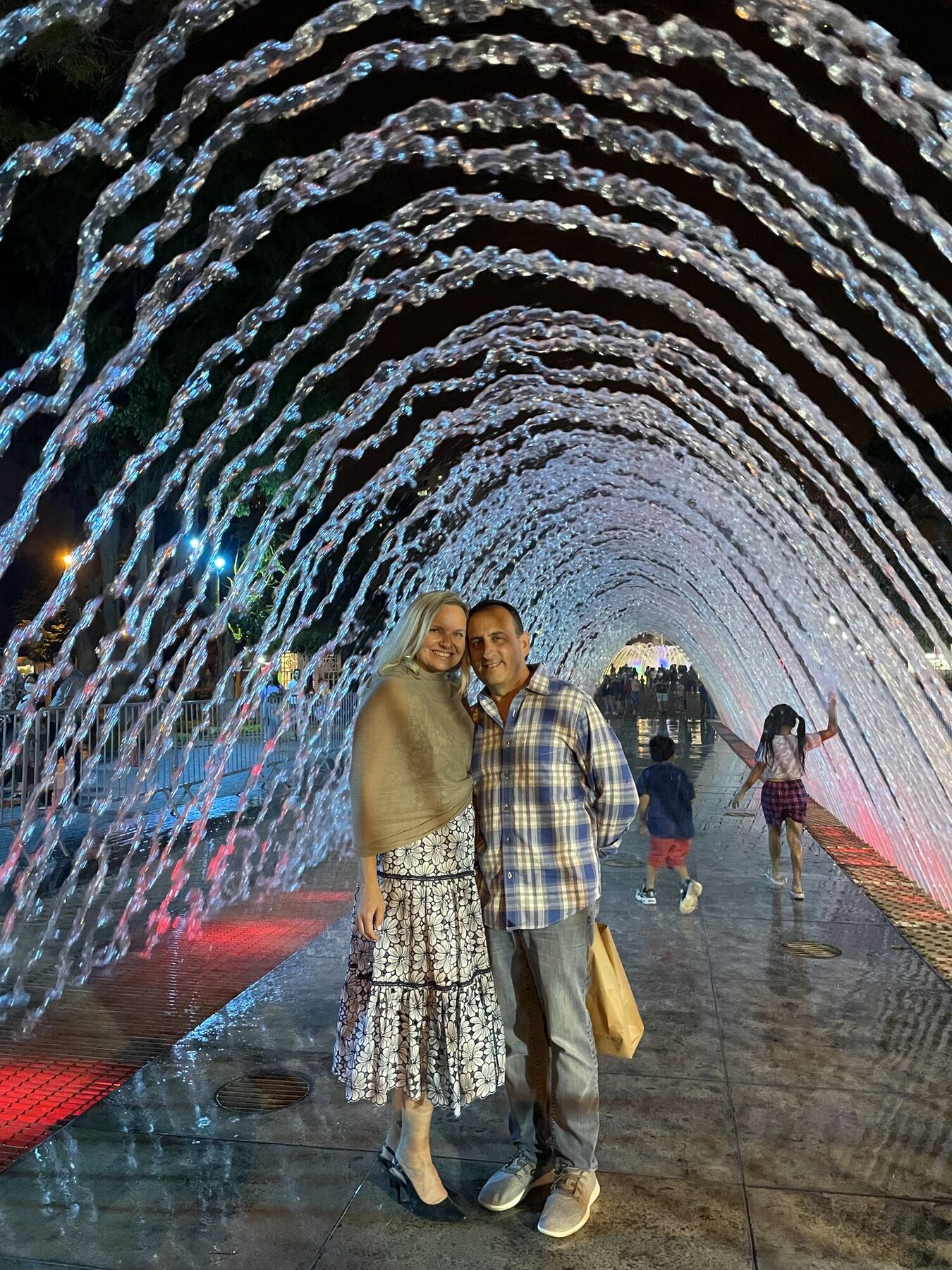
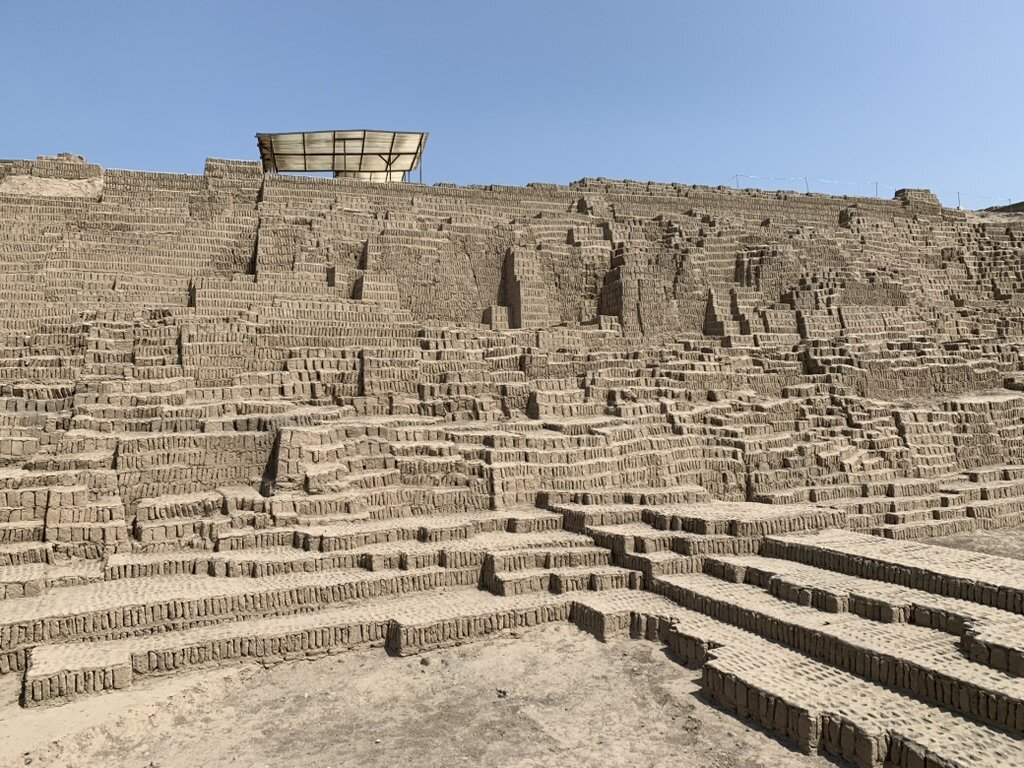
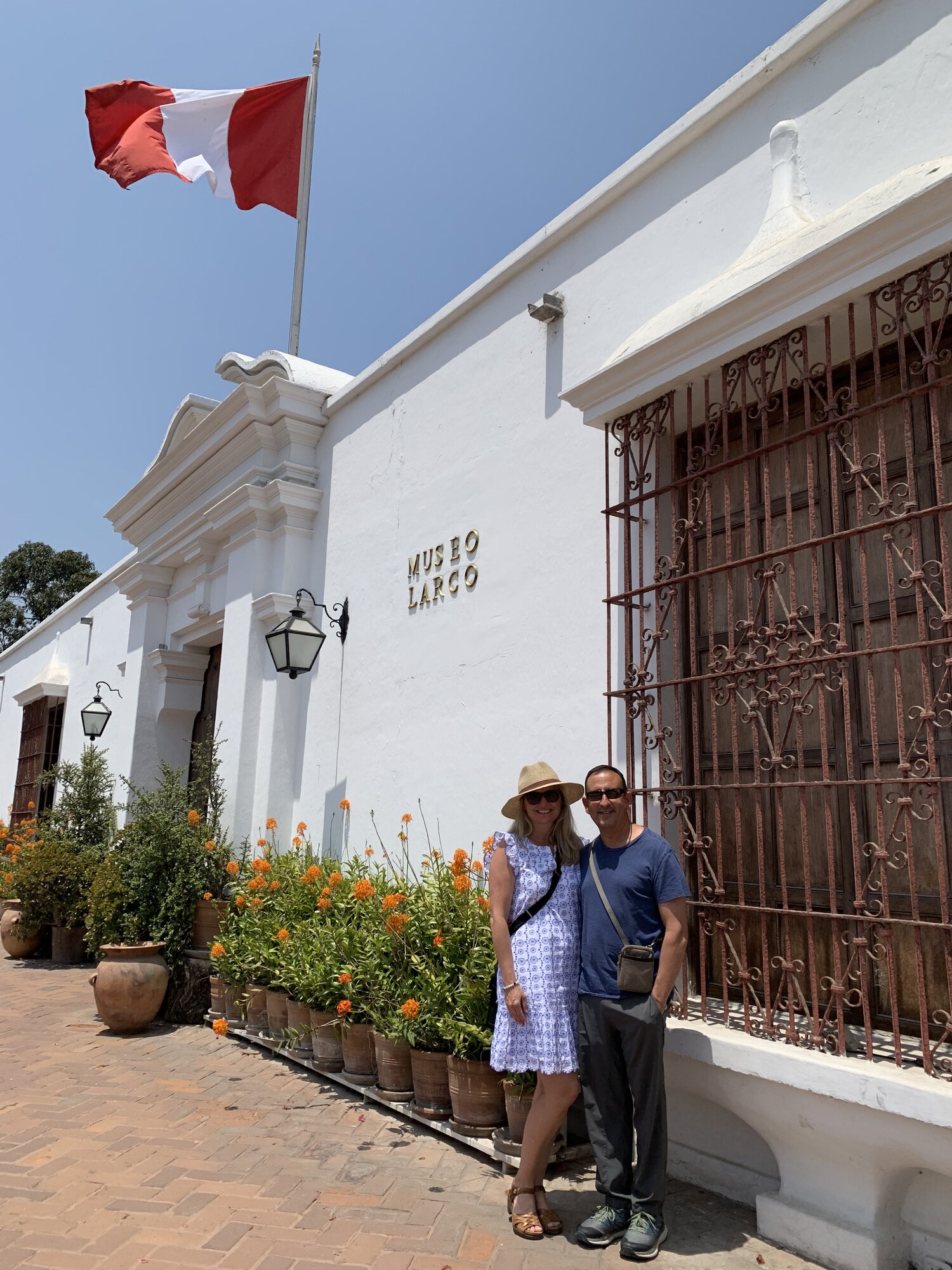
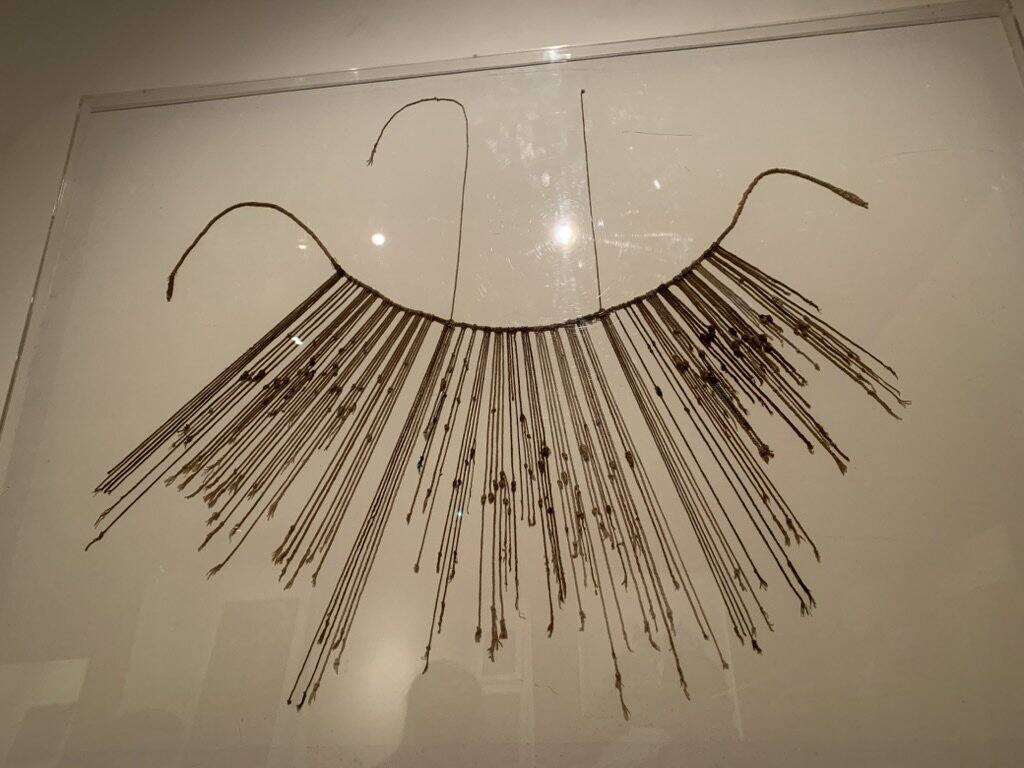
Khipu: an ingenious Inca recording device using knotted strings to track census data, tribute records, and historical narratives — a sophisticated system still not fully deciphered by modern scholars.
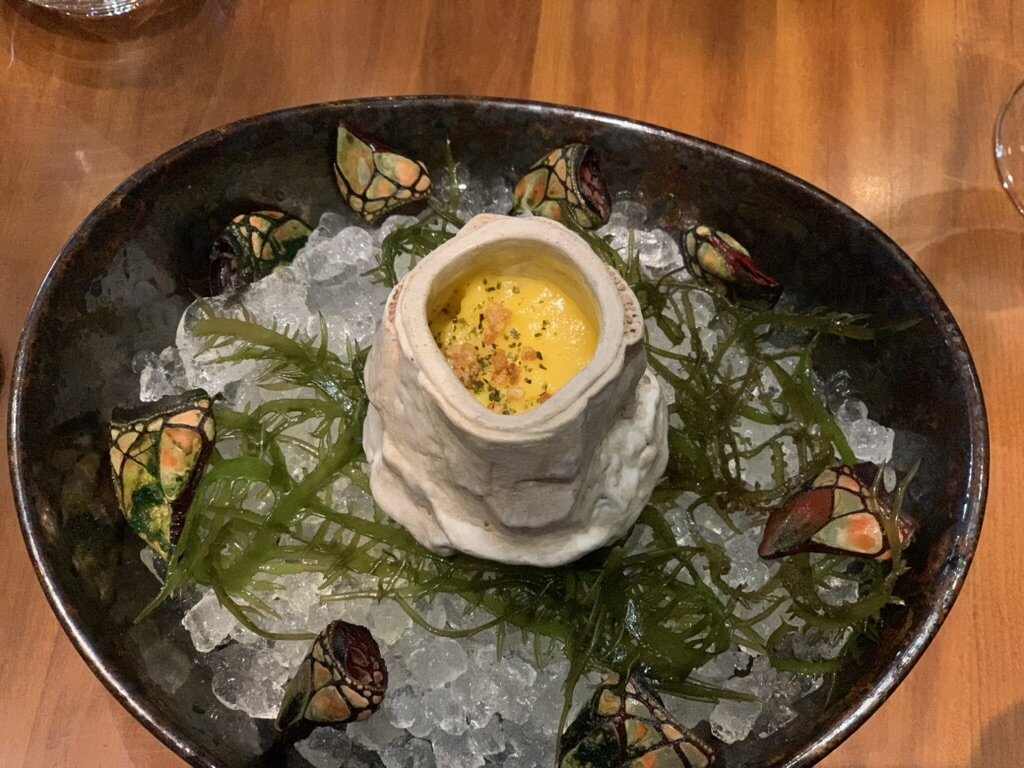
Lima is widely considered the culinary capital of South America, home to several of the top-ranked restaurants in the world.
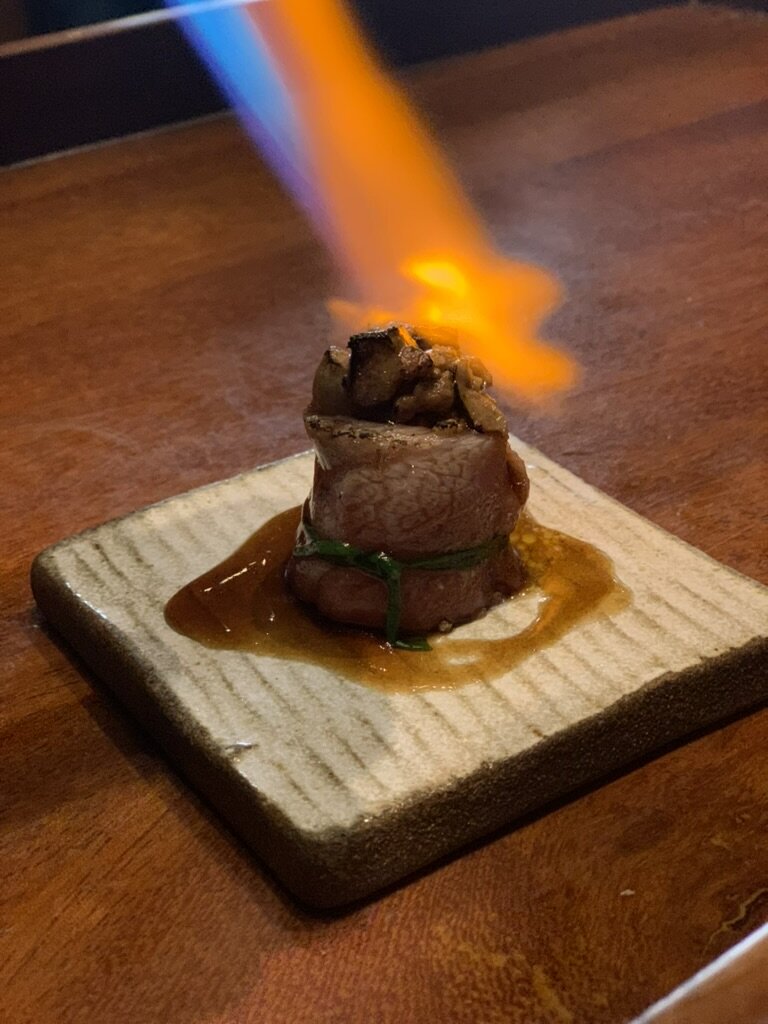
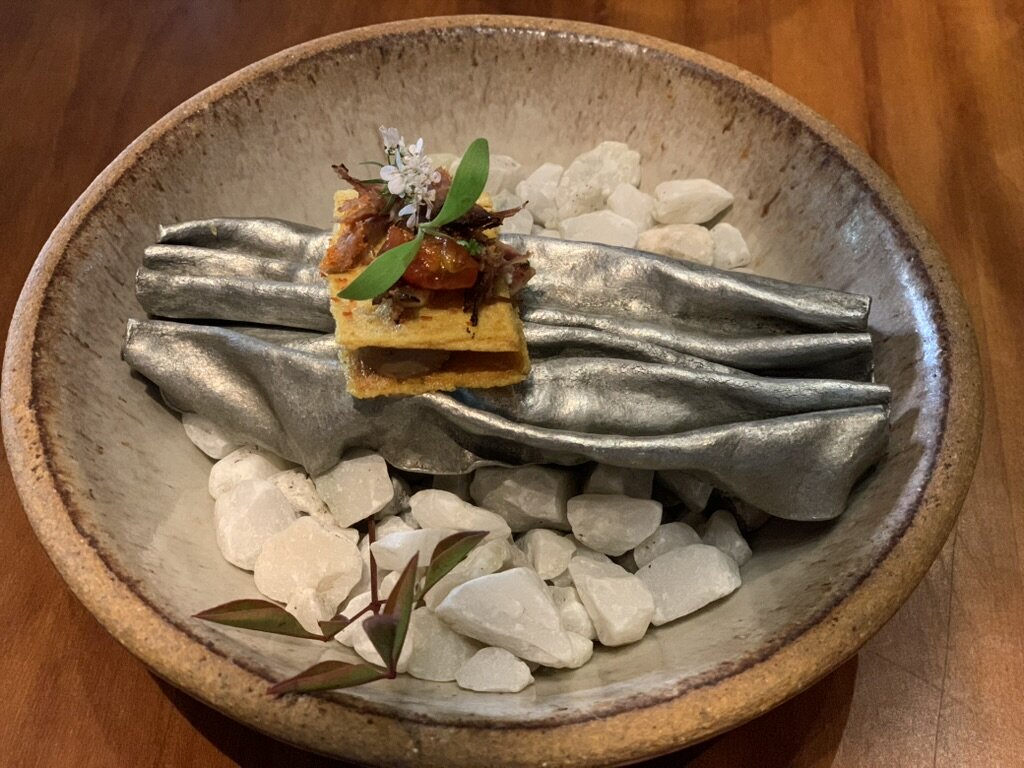 Maido
One of the best restaurants in Lima, with prices to prove it, and still He-Stache’s favorite. Chef Mitsuharu “Micha” Tsumura has perfected Nikkei cuisine (Japanese-Peruvian fusion) in a way few restaurants ever have. High-end, creative, and worth every penny if you can get a table. The flaw: they no longer offer gluten-free options. Calle San Martín 399, Miraflores · +51 1 313 5100
Visit →
Find it on the map →
Central
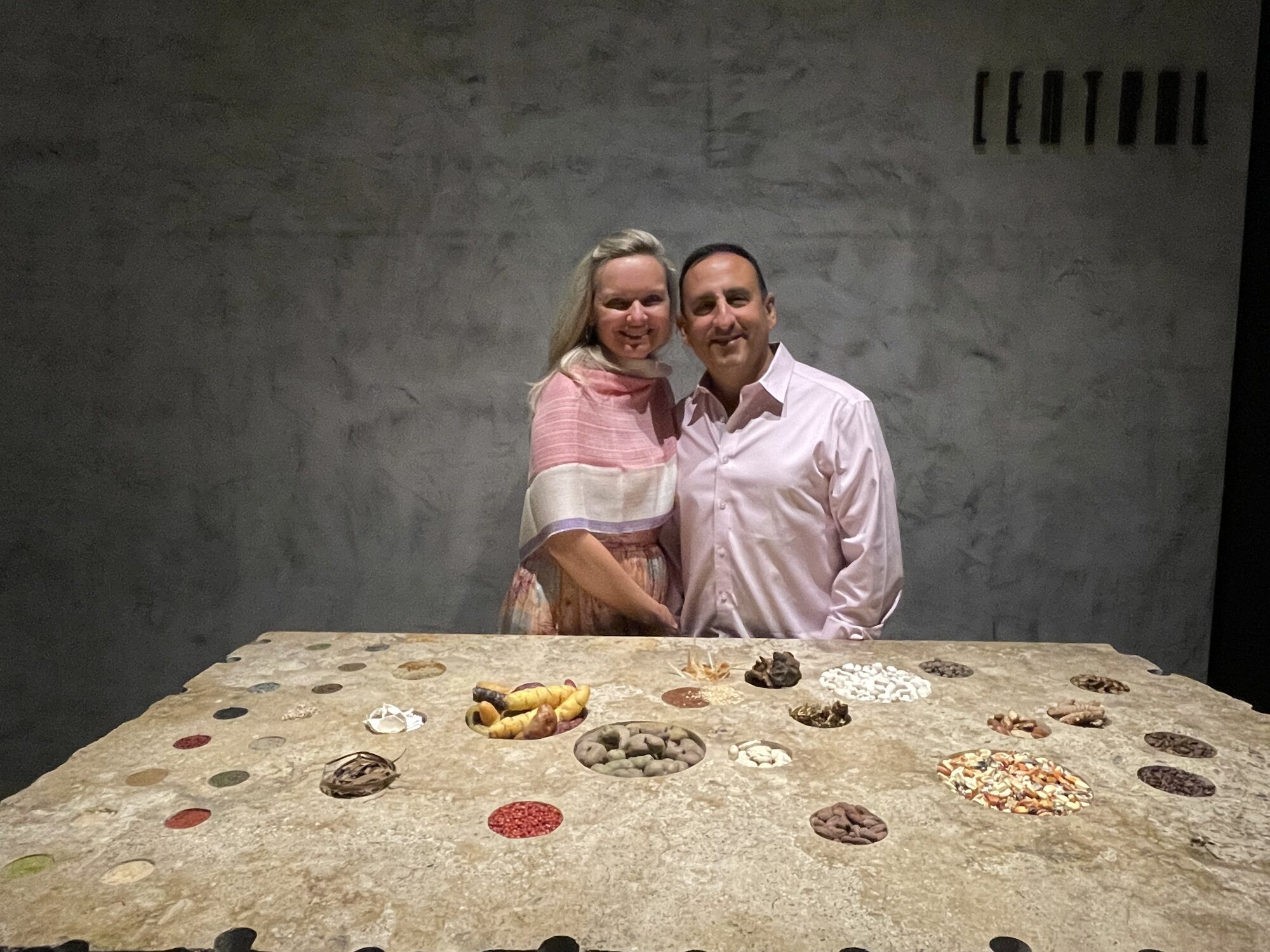
Dining at a whole other level: a carefully crafted lesson in Peru’s megadiversity from chefs Virgilio Martínez and Pía León, one of the world’s most creative and innovative teams. The meal is presented as pure education — several courses show you the ingredient in its original form before it’s transformed into the dish. The flaw: the price has more than doubled in the past two years. At over $400 per person, food only, it’s out of reach for most visitors, let alone locals. We’re very glad we did it before the jump. Av. Pedro de Osma 301, Barranco · +51 1 242 8515
Visit →
Find it on the map →
Kjolle
A standout within the Central group. We thoroughly enjoyed our meal here and feel it’s a much better deal than Central. If you can only do one, this is the spot — though we believe the price has doubled recently here, too. Chef Pía León showcases colorful and rare native flora in an ingredient-driven, innovative approach to Peruvian cuisine. Av. Pedro de Osma 301, Barranco · +51 1 242 8575
Visit →
Find it on the map →
Mayta
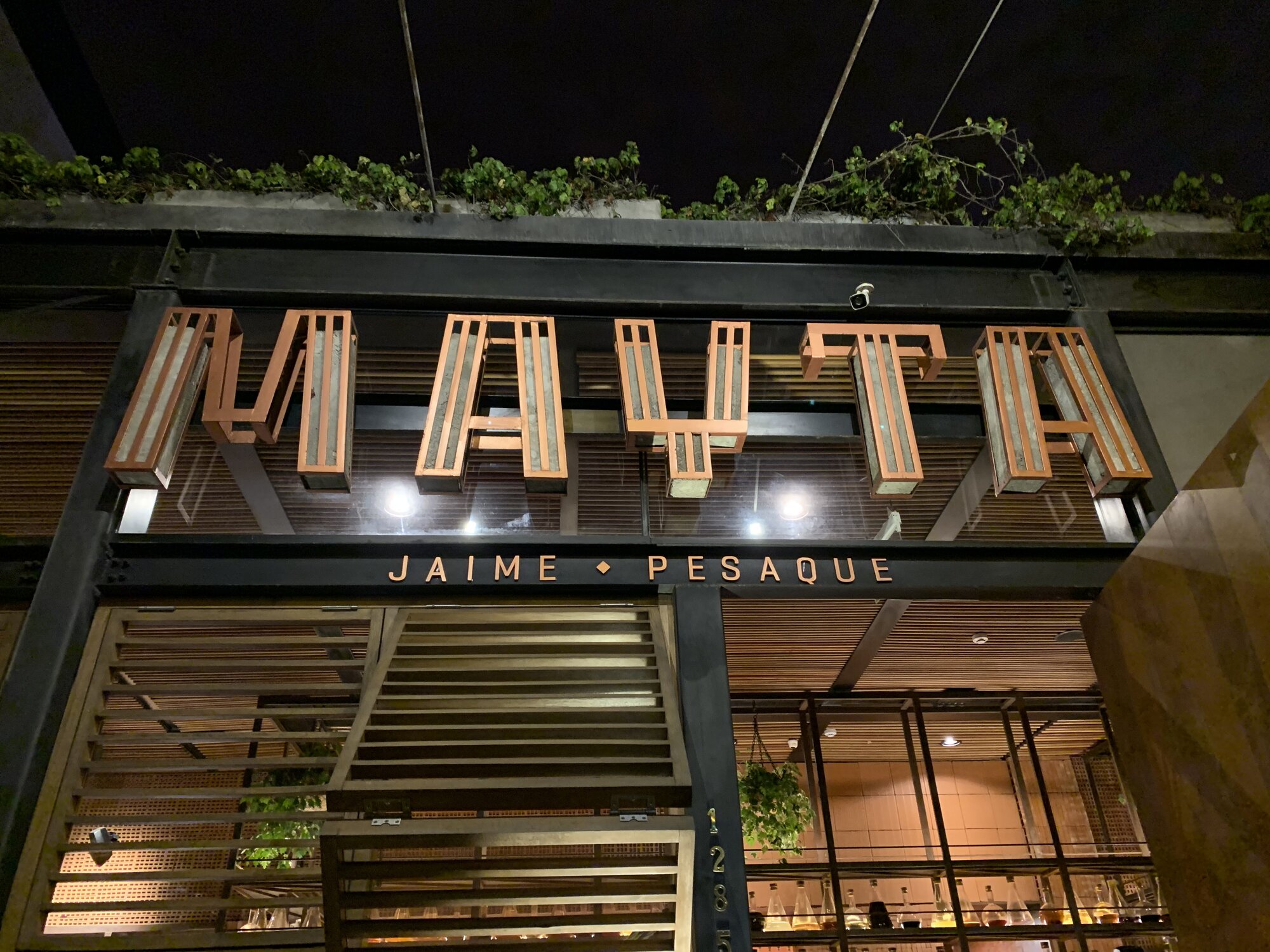
A beautiful restaurant with many elevated Peruvian dishes and a very good cocktail menu: refined contemporary Peruvian cooking that transforms traditional recipes using local products. Av. Mariscal La Mar 1285, Miraflores · +51 937 220 734
Visit →
Find it on the map →
Astrid y Gastón
We have not eaten here, but we had to include it: it’s truly an OG of Lima’s culinary revolution, and the restaurant that helped launch the city’s global reputation with refined Peruvian classics. Av. Paz Soldán 290, San Isidro · +51 1 442 2777
Visit →
Find it on the map →
Maido
One of the best restaurants in Lima, with prices to prove it, and still He-Stache’s favorite. Chef Mitsuharu “Micha” Tsumura has perfected Nikkei cuisine (Japanese-Peruvian fusion) in a way few restaurants ever have. High-end, creative, and worth every penny if you can get a table. The flaw: they no longer offer gluten-free options. Calle San Martín 399, Miraflores · +51 1 313 5100
Visit →
Find it on the map →
Central
Dining at a whole other level: a carefully crafted lesson in Peru’s megadiversity from chefs Virgilio Martínez and Pía León, one of the world’s most creative and innovative teams. The meal is presented as pure education — several courses show you the ingredient in its original form before it’s transformed into the dish. The flaw: the price has more than doubled in the past two years. At over $400 per person, food only, it’s out of reach for most visitors, let alone locals. We’re very glad we did it before the jump. Av. Pedro de Osma 301, Barranco · +51 1 242 8515
Visit →
Find it on the map →
Kjolle
A standout within the Central group. We thoroughly enjoyed our meal here and feel it’s a much better deal than Central. If you can only do one, this is the spot — though we believe the price has doubled recently here, too. Chef Pía León showcases colorful and rare native flora in an ingredient-driven, innovative approach to Peruvian cuisine. Av. Pedro de Osma 301, Barranco · +51 1 242 8575
Visit →
Find it on the map →
Mayta
A beautiful restaurant with many elevated Peruvian dishes and a very good cocktail menu: refined contemporary Peruvian cooking that transforms traditional recipes using local products. Av. Mariscal La Mar 1285, Miraflores · +51 937 220 734
Visit →
Find it on the map →
Astrid y Gastón
We have not eaten here, but we had to include it: it’s truly an OG of Lima’s culinary revolution, and the restaurant that helped launch the city’s global reputation with refined Peruvian classics. Av. Paz Soldán 290, San Isidro · +51 1 442 2777
Visit →
Find it on the map →
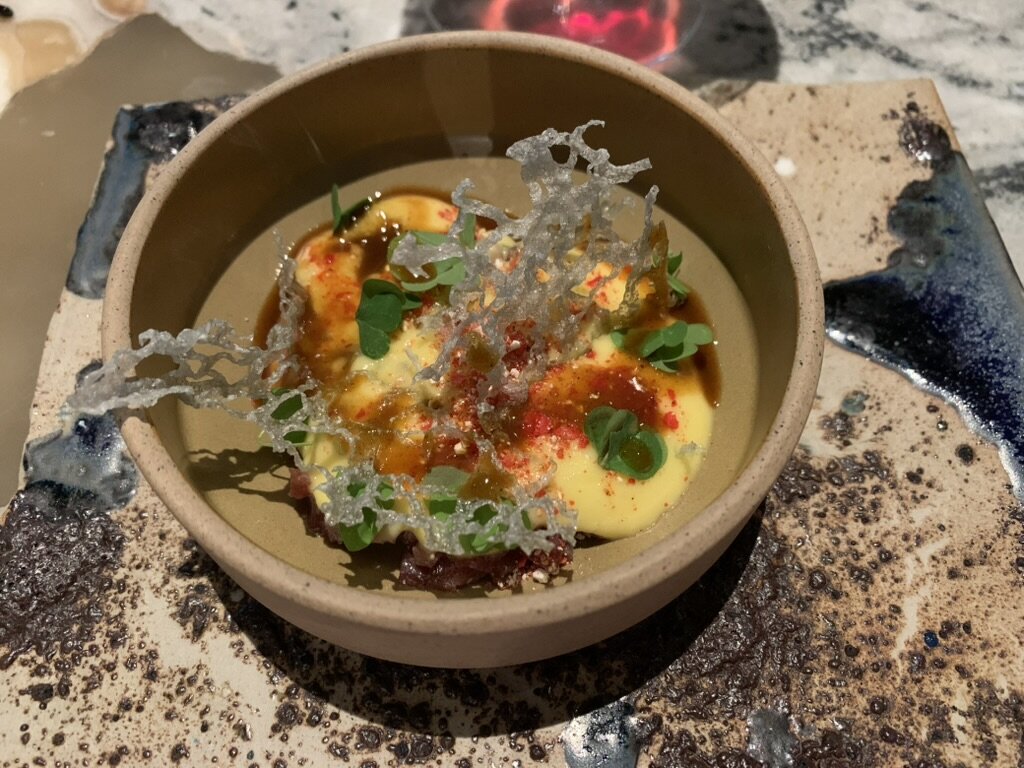
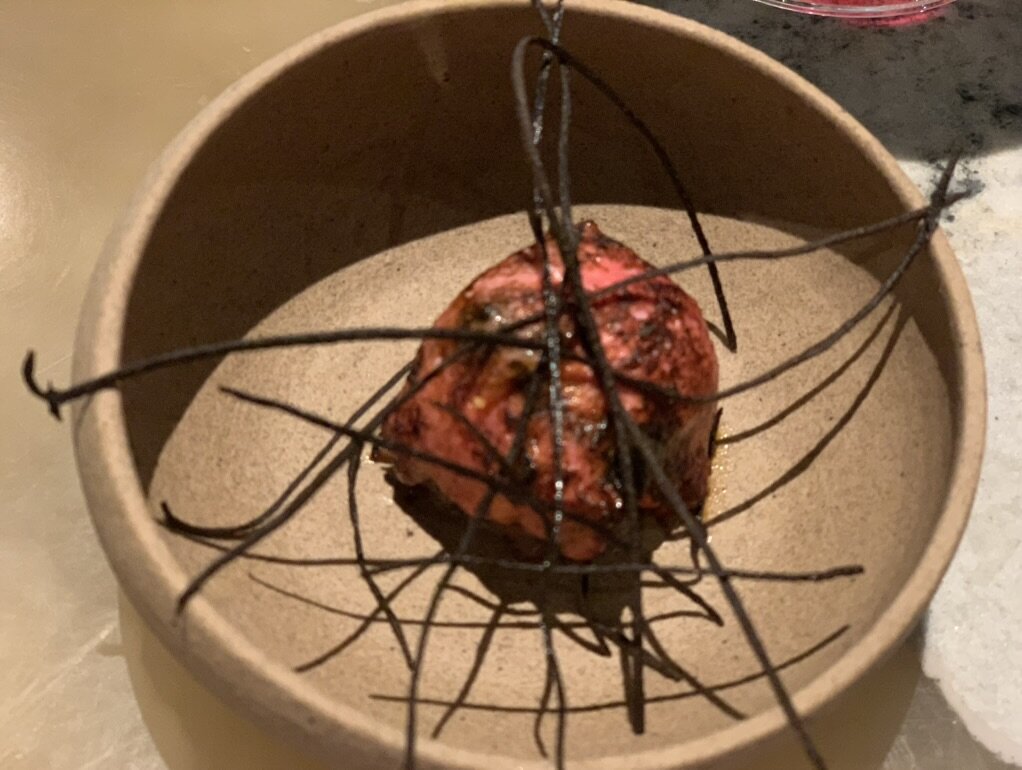
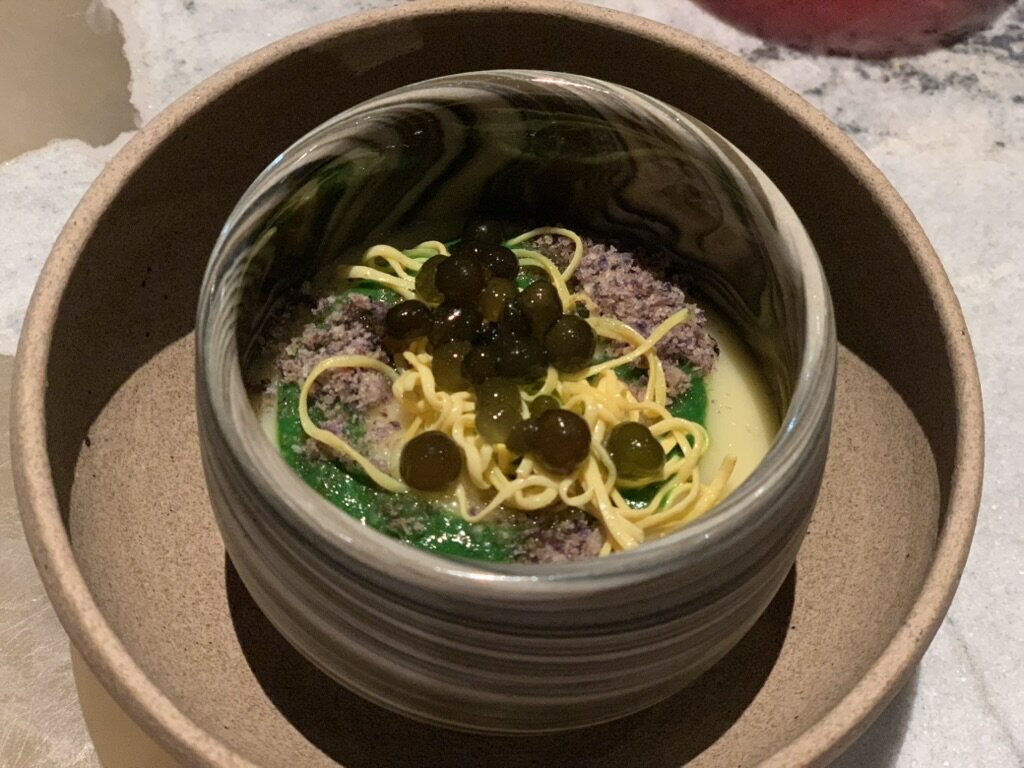
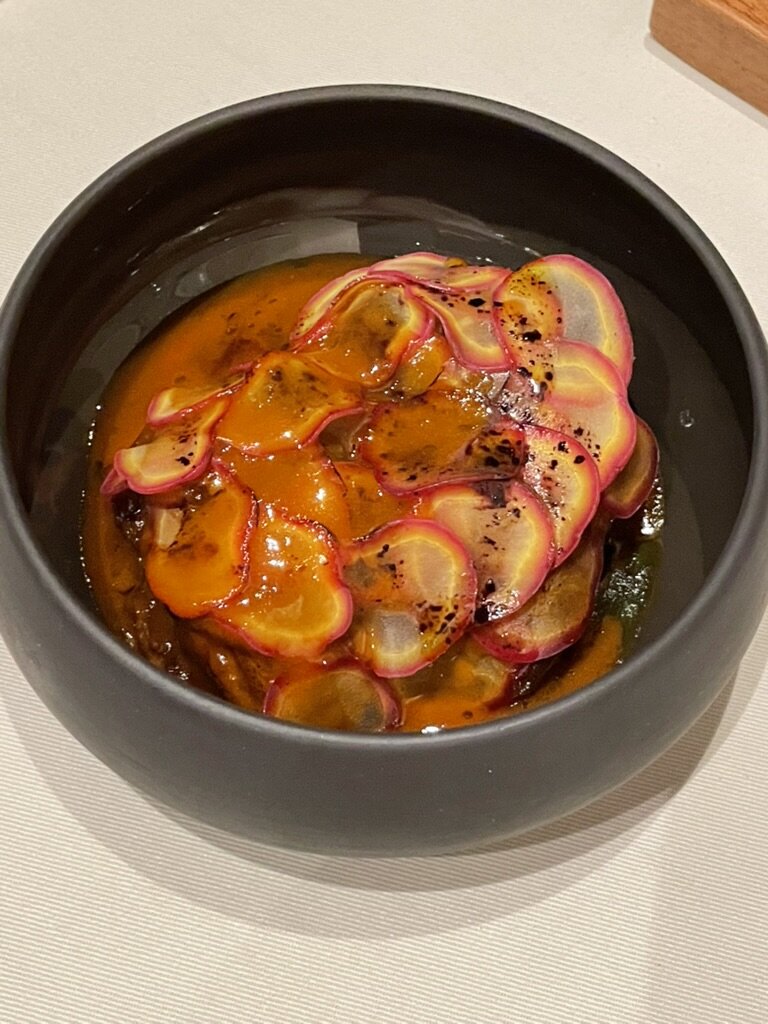
Booking the impossible. For Central and Maido, it is highly recommended to book three to four months in advance, as they are among the hardest tables to secure in the world. Plan ahead, or plan to be disappointed.
 Rafael
An excellent dinner. One of the original Lima haute-cuisine restaurants, and it maintains the feel of a local hangout — a big plus. The owner/chef was in residence. Sophisticated Peruvian-Italian fusion in a beautiful Art Deco townhouse. Calle San Martín 300, Miraflores · +51 966 409 797
Map →
Official site →
Larco Museum Café-Restaurant
A great spot for lunch or a pisco tasting. Elegant Peruvian and international cooking in the museum’s lush, flower-filled gardens. Av. Simón Bolívar 1515 (entrance on Navarra 169), Pueblo Libre · +51 1 461 1312
Visit →
Find it on the map →
Restaurante Huaca Pucllana
Great for lunch after touring the ruins. In the evening they light up the pyramid to great effect. Upscale Peruvian dining with an unparalleled view of a 1,500-year-old adobe pyramid. Calle General Borgoño, Block 8, Miraflores · +51 1 445 4042
Visit →
Find it on the map →
Matria
Seasonal, “kilometer zero” Peruvian cooking with a focus on sustainability and fresh vegetables. A different philosophy for fine dining in Lima. Av. General Mendiburu 823, Miraflores · +51 1 422 4449
Map →
Canta Rana
A quirky, flag-draped local institution famous for traditional ceviche and leche de tigre. Authentic Lima without the haute-cuisine price tag. Calle Genova 101, Barranco · +51 1 247 7274
Map →
Official site →
Rafael
An excellent dinner. One of the original Lima haute-cuisine restaurants, and it maintains the feel of a local hangout — a big plus. The owner/chef was in residence. Sophisticated Peruvian-Italian fusion in a beautiful Art Deco townhouse. Calle San Martín 300, Miraflores · +51 966 409 797
Map →
Official site →
Larco Museum Café-Restaurant
A great spot for lunch or a pisco tasting. Elegant Peruvian and international cooking in the museum’s lush, flower-filled gardens. Av. Simón Bolívar 1515 (entrance on Navarra 169), Pueblo Libre · +51 1 461 1312
Visit →
Find it on the map →
Restaurante Huaca Pucllana
Great for lunch after touring the ruins. In the evening they light up the pyramid to great effect. Upscale Peruvian dining with an unparalleled view of a 1,500-year-old adobe pyramid. Calle General Borgoño, Block 8, Miraflores · +51 1 445 4042
Visit →
Find it on the map →
Matria
Seasonal, “kilometer zero” Peruvian cooking with a focus on sustainability and fresh vegetables. A different philosophy for fine dining in Lima. Av. General Mendiburu 823, Miraflores · +51 1 422 4449
Map →
Canta Rana
A quirky, flag-draped local institution famous for traditional ceviche and leche de tigre. Authentic Lima without the haute-cuisine price tag. Calle Genova 101, Barranco · +51 1 247 7274
Map →
Official site →
 Carnaval
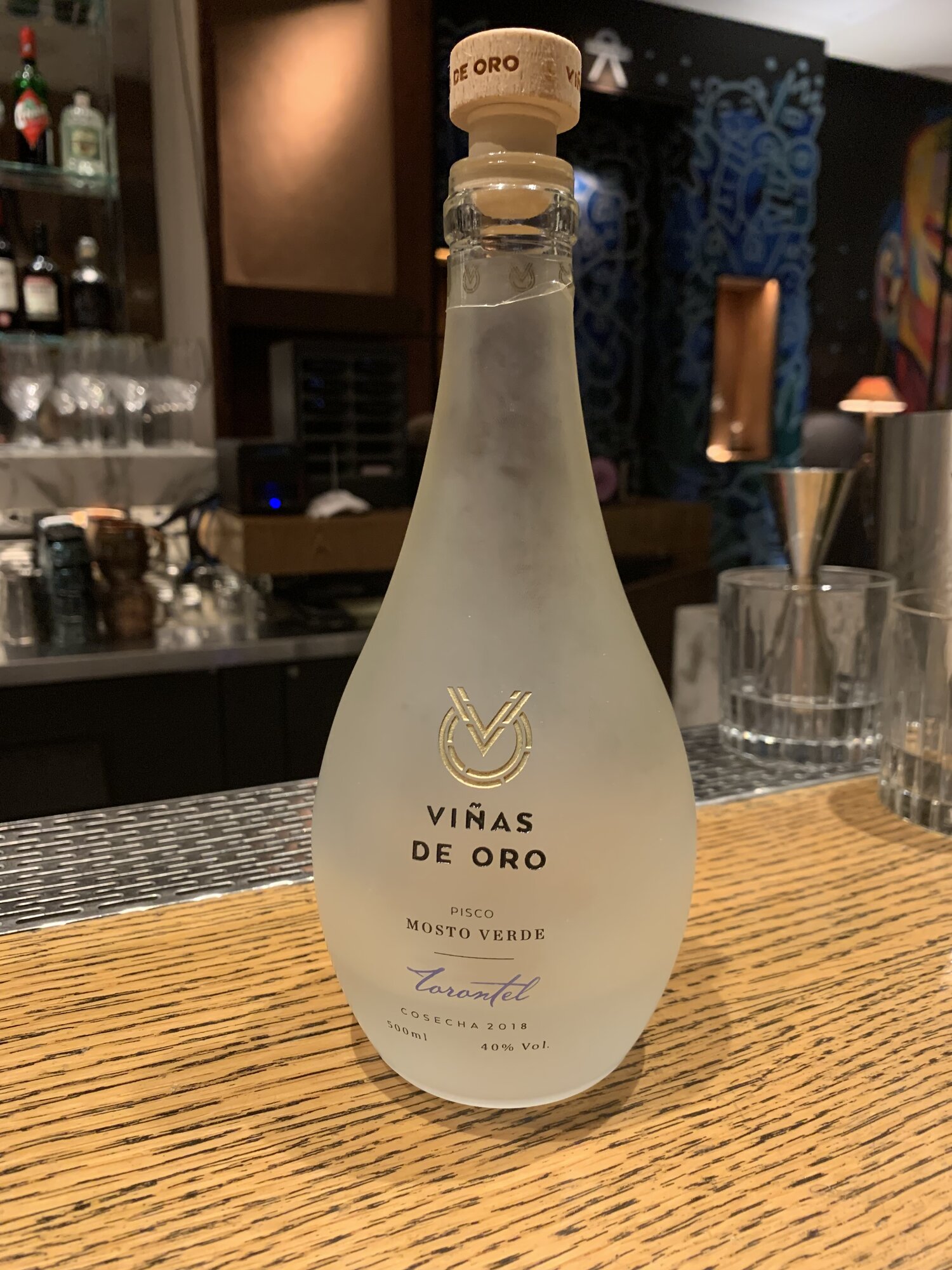
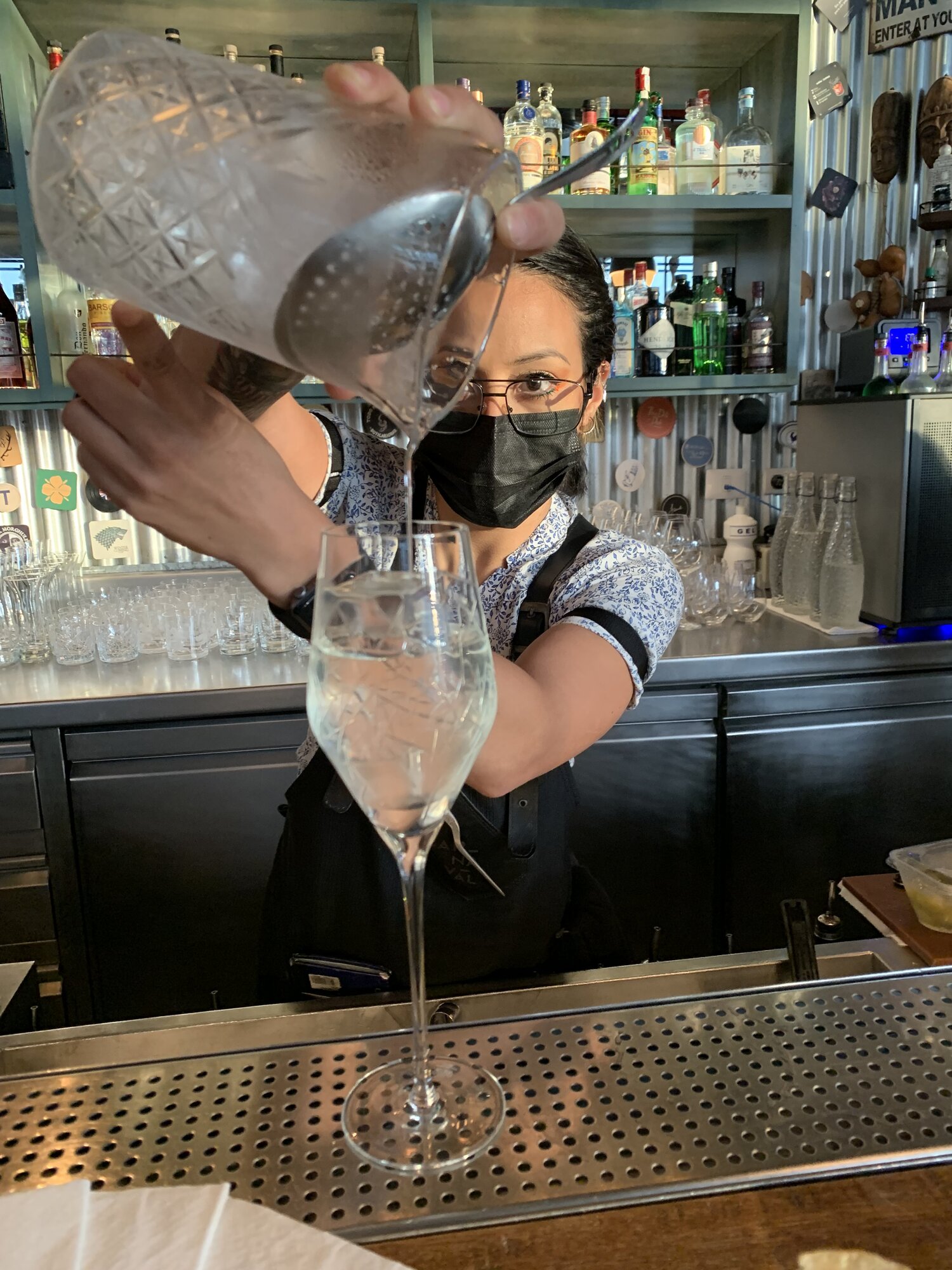
Excellent craft cocktails with a nod to the Aviary in Chicago. Don’t expect a lot of locals; do expect to be shown their merch. Sit at the bar — the truffle cocktail comes with a decadent truffle bite. Do not miss. Av. Pardo y Aliaga 662, San Isidro · +51 913 965 587
Visit →
Find it on the map →
Nítido Coffee Co.
A great coffee shop near the Westin: a specialty coffee shop in the financial district offering expert brews and a modern cafe menu. Av. Rivera Navarrete 585, San Isidro
Visit →
Find it on the map →
Cervecería del Valle Sagrado
A local brewery with multiple locations and a popular taproom serving award-winning craft beers and Peruvian-inspired bar bites. Calle 2 de Mayo 508, Miraflores · +51 997 417 667
Visit →
Find it on the map →
Museo del Café Peruano
Not your local Starbucks. An immersive espresso bar offering traditional brewing demonstrations and high-quality beans from across Peru — an education in what coffee and baristas should be. Jr. Conde de Superunda 275, Lima (Historic Center) · +51 962 491 696
Map →
Al Toke Pez
A tiny, no-frills seafood stand in Surquillo that gained global fame for its high-quality, low-cost ceviche. Lima street food at its best.
Map →
Official site →
La Lucha Sanguchería
The city’s most famous spot for a classic pan con chicharrón (pork belly sandwich) in Miraflores.
Map →
Carnaval
Excellent craft cocktails with a nod to the Aviary in Chicago. Don’t expect a lot of locals; do expect to be shown their merch. Sit at the bar — the truffle cocktail comes with a decadent truffle bite. Do not miss. Av. Pardo y Aliaga 662, San Isidro · +51 913 965 587
Visit →
Find it on the map →
Nítido Coffee Co.
A great coffee shop near the Westin: a specialty coffee shop in the financial district offering expert brews and a modern cafe menu. Av. Rivera Navarrete 585, San Isidro
Visit →
Find it on the map →
Cervecería del Valle Sagrado
A local brewery with multiple locations and a popular taproom serving award-winning craft beers and Peruvian-inspired bar bites. Calle 2 de Mayo 508, Miraflores · +51 997 417 667
Visit →
Find it on the map →
Museo del Café Peruano
Not your local Starbucks. An immersive espresso bar offering traditional brewing demonstrations and high-quality beans from across Peru — an education in what coffee and baristas should be. Jr. Conde de Superunda 275, Lima (Historic Center) · +51 962 491 696
Map →
Al Toke Pez
A tiny, no-frills seafood stand in Surquillo that gained global fame for its high-quality, low-cost ceviche. Lima street food at its best.
Map →
Official site →
La Lucha Sanguchería
The city’s most famous spot for a classic pan con chicharrón (pork belly sandwich) in Miraflores.
Map →
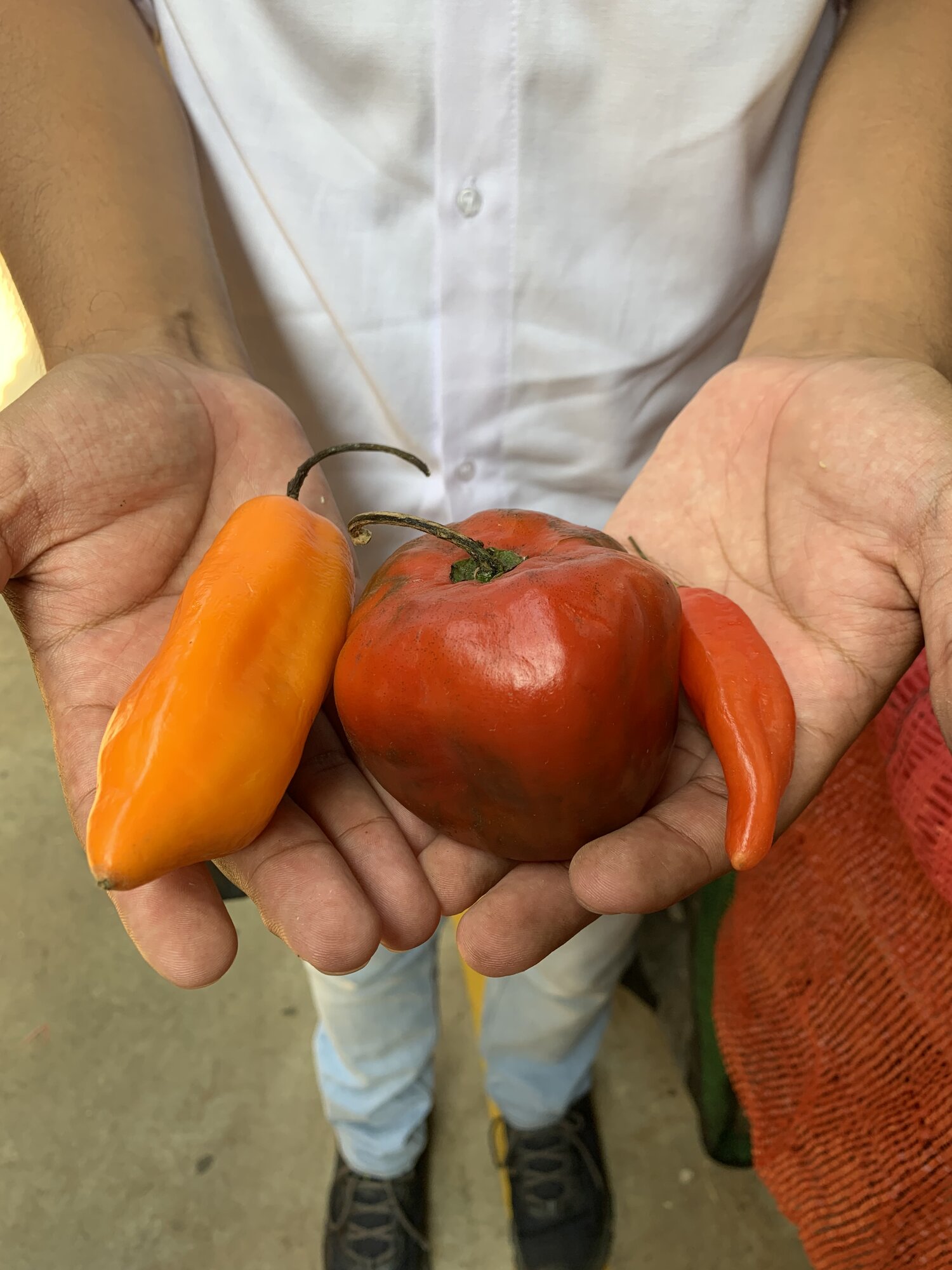
Local markets. If you want to understand how Limeños actually shop, skip the tourist markets and visit the real ones. Markets like Mercado Santa Rosa or Mercado San Pedro are where locals buy their groceries, produce, and everyday goods. The fruit and vegetables will overwhelm you — colors and varieties you’ve never seen, prices that make you reconsider your grocery bill at home. It’s sensory overload in the best way.
The “Indigenous” markets reality. Lima has tourist markets that market themselves as “indigenous” or “artisan” spaces — the Plaza de Armas markets in Centro Histórico or the souvenir stalls in Miraflores. Here’s the hard truth: much of what’s on offer is now mass-produced imports with an Andean veneer, and telling the difference requires knowledge.
How to spot authentic Andean weavings. Look for natural dyes: authentic pieces show color variation and a softer, more nuanced palette than mass-produced imports, which are often too uniform and bright. Check the back — handlooms leave visible weaver’s marks and inconsistencies in tension, while machine-made pieces are perfectly uniform. Feel the fiber: true alpaca is soft but with a subtle grip; cheap synthetics feel slippery and plastic. Ask where pieces were made — authentic weavers will tell you their region or community, and vague answers are a red flag. And price is a clue: handwoven textiles are expensive and time-intensive, so if it costs a third of what you’d expect, it’s probably not authentic.
Where to find authentic gifts. If you’re serious about supporting real artisans, look beyond the markets. Kuna and Sol Alpaca are boutique sources with contemporary Peruvian design; both are pricier than the markets, but you’re paying for authenticity and craftsmanship. For ceramics and pottery, look for smaller galleries in Barranco, many of which feature working artists. And if you have time, spend half a day with a local guide visiting an actual weaving cooperative outside the city, where you can meet makers and buy directly.
Kuna
Boutique alpaca and alpaca-blend clothing, with a range of styles from casual to formal. San Isidro flagship and Jockey Plaza.
Visit →
Find it on the map →
Sol Alpaca
Premium alpaca knitwear and accessories with contemporary designs. Jockey Plaza has the best selection; the Larcomar location is handy if you’re already in Miraflores.
Visit →
Find it on the map →
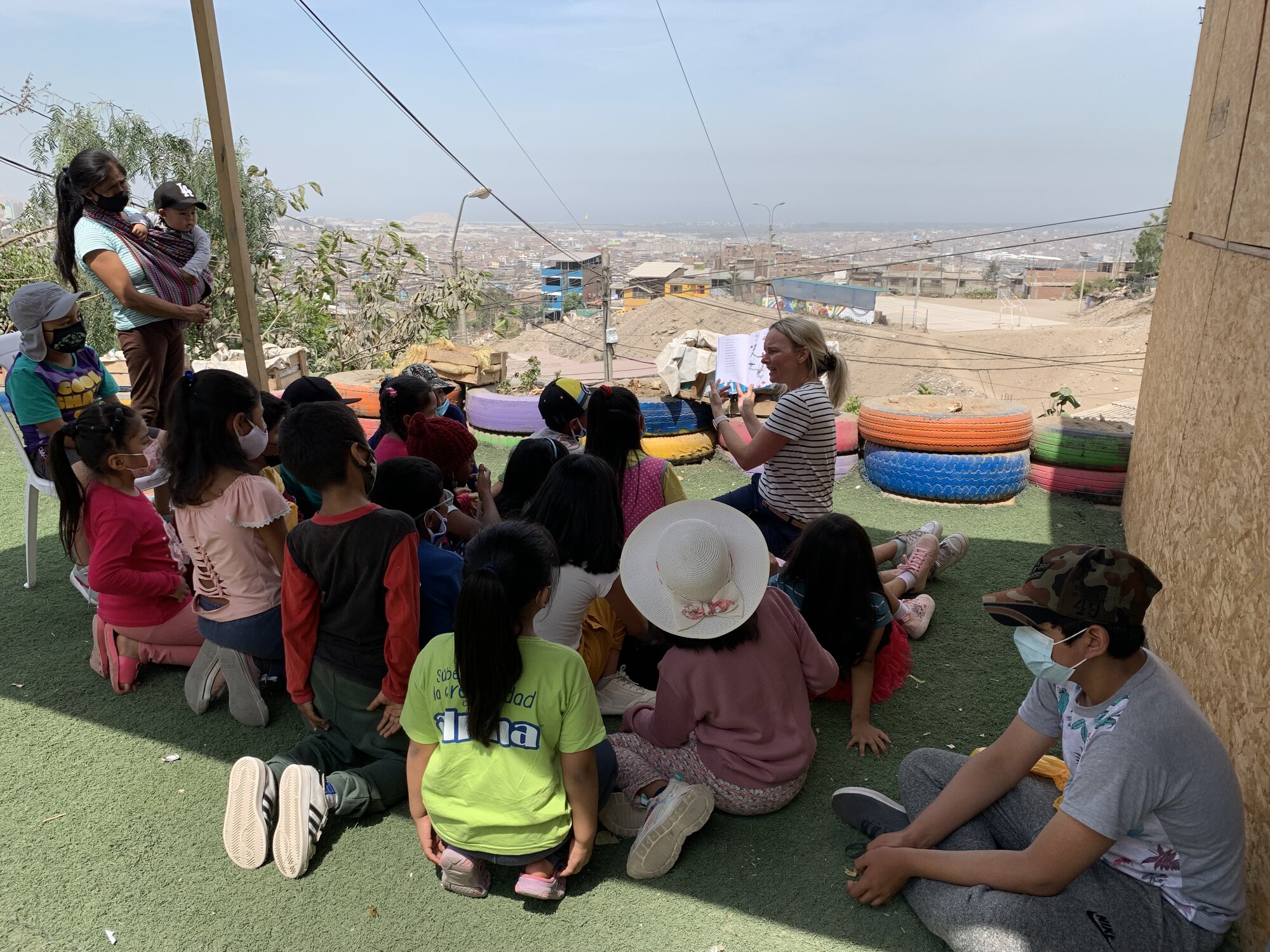
Travel is a privilege. Every time we land in a city like Lima — with its world-class restaurants, luxury hotels, and all the comfort that comes with a North American passport — we’re acutely aware that not everyone living there has access to the same opportunities. During our first visit, we wanted to do more than eat our way through the city. We wanted to understand the neighborhoods that make Lima what it is, and to give back meaningfully.
Our tour operator, Haku Tours, works with their sister organization, Reciprocity NGO, to create opportunities for community service days for travelers. They connected us with an organization working directly in a pueblo joven, and we spent a day there that completely changed how we understand Lima.
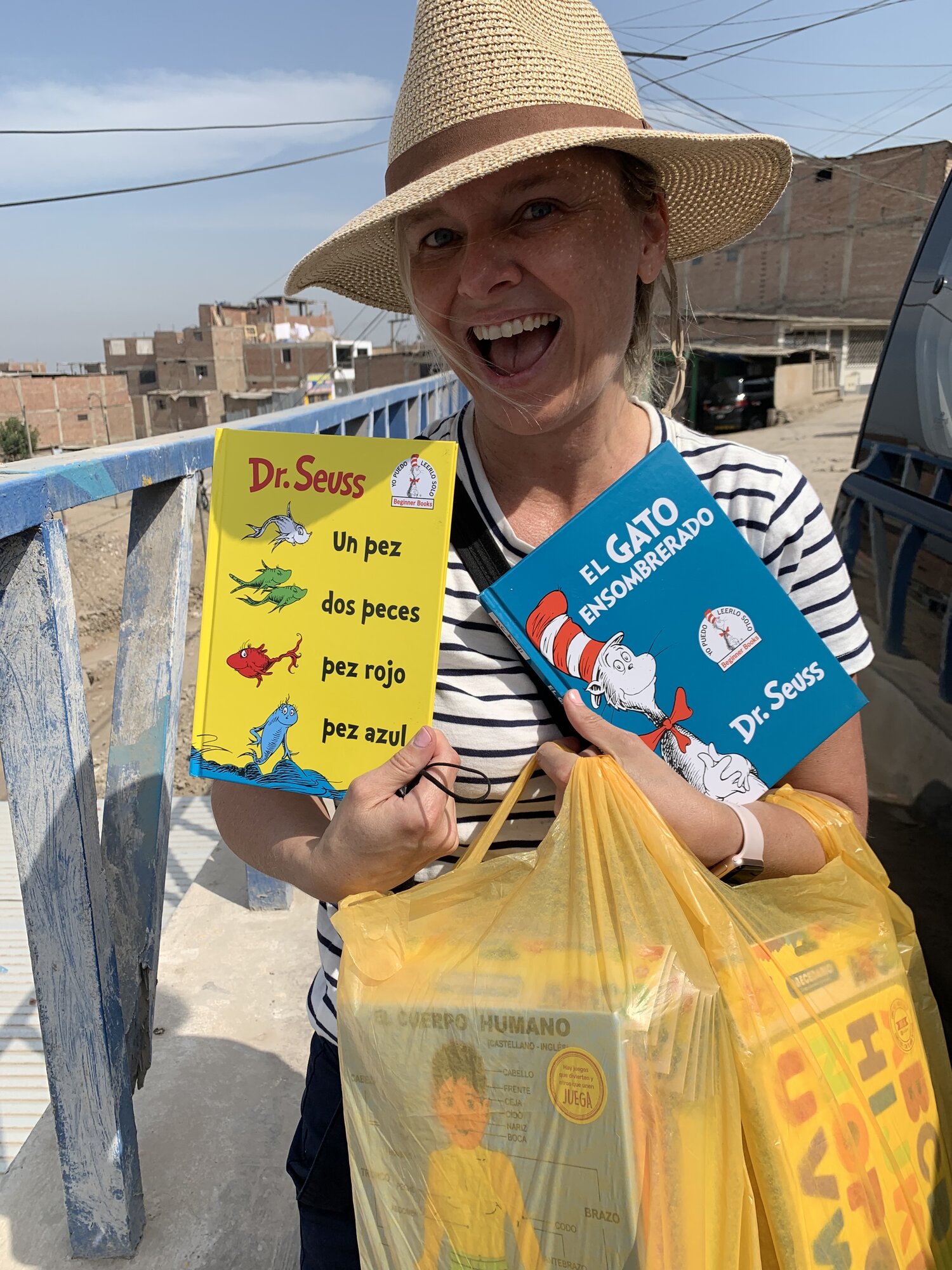
That day, we brought school supplies for the children (about 30 English-Spanish books to start a library, learning aids, and some food and pantry supplies for families). She-Stache led a reading lesson with some of the children, reading El Gato Ensombrerado (The Cat in the Hat) in Spanish. It was joyful, silly, and deeply connecting. The day ended with lunch hosted by a village elder at her home, a moment of genuine hospitality that humbled us entirely. It wasn’t charity — it was community.
Our 2025 trip brought a different kind of visit. A few friends wanted to give back but weren’t comfortable visiting the communities themselves. We met with another village organizer over coffee and learned about their current needs. What they needed most was cement — enough to build the foundation of a new school and community center. So that’s what we funded. We also learned on this trip that all of the books from our first visit are still there.
The trip to Lima’s version of Home Depot with community members who knew exactly what was needed was quite the education. We hope to have photos of the finished project soon. What started as a desire to do something meaningful has become an ongoing relationship — and a reminder that travel isn’t just about what you consume. It’s about the connections you build and the communities you support along the way.
If you’re interested in learning more about Reciprocity NGO or supporting similar work in Peru, reach out to Haku Tours. They’ll connect you with the right people.
No kick-backs for links. Ever.
Haku Tours
Our local guides in Lima, and the sponsor of Reciprocity NGO. Book direct.
Visit →
Larco Museum
One of the best museums in Lima, in a colonial mansion with a world-class collection. Worth a morning or afternoon.
Visit →
Find it on the map →
Huaca Pucllana
A 1,500-year-old pyramid in the middle of Miraflores. Visit in daylight, dine at the restaurant at night for the illuminated view.
Visit →
Find it on the map →
Maido Reservations
Book three to four months in advance. Do not wait.
Visit →
Central Reservations
Book three to four months in advance. One of the hardest tables in the world to get.
Visit →
Stached, and then some. We’ve used them on two separate visits, and they deliver a professional yet deeply personal experience. Locally owned, flexible enough to build custom itineraries, and the people who connected us with the community days. Book them direct.
This was stop one of four. On to the Sacred Valley → or back to the Peru home page →