i
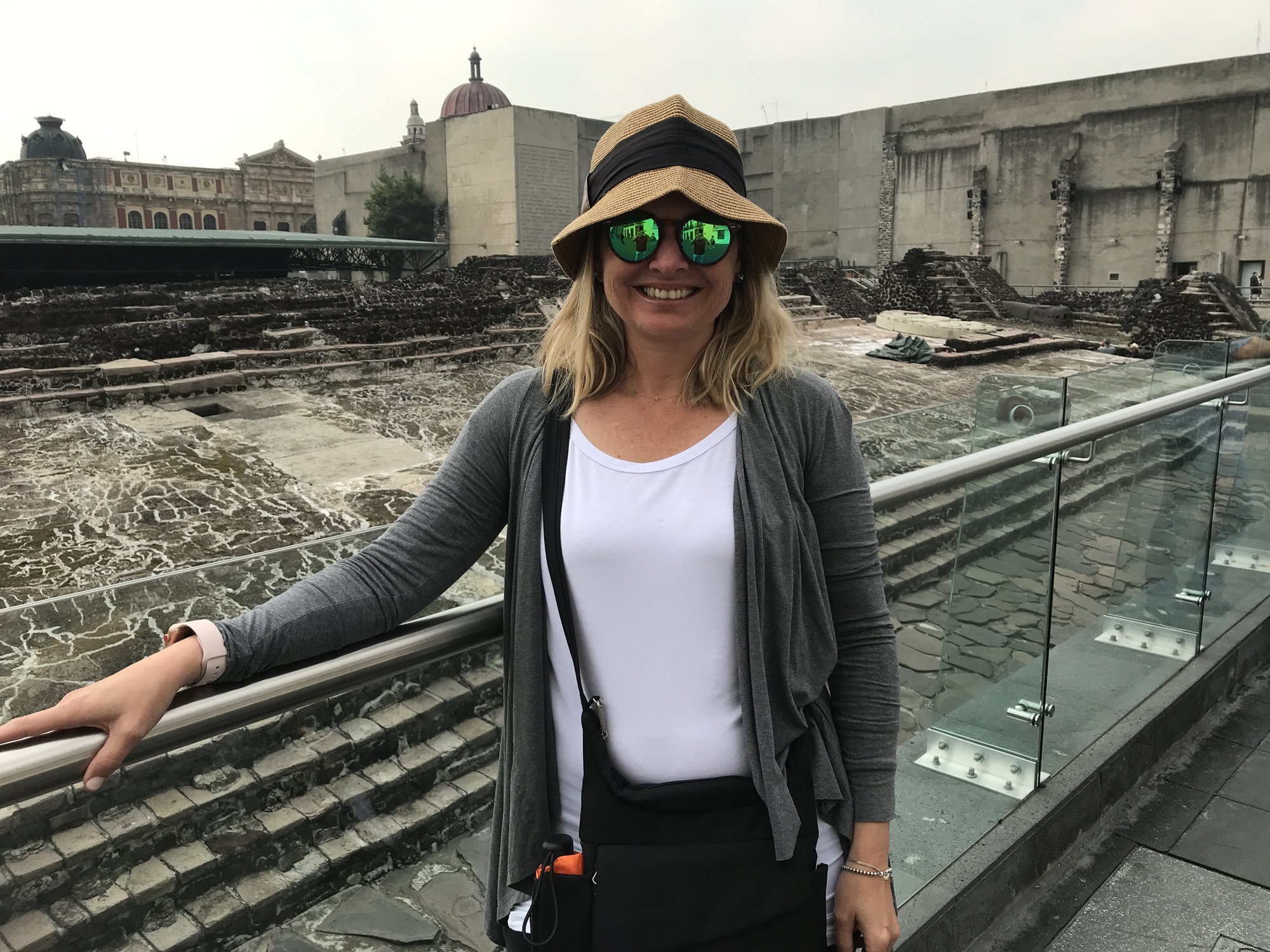
She-Stache at Templo Mayor, contemplating 700 years of history and whether it’s too early for a mezcal.
A foodie anniversary, one wrestling match we’re still arguing about, and the city that sent us to Lima.
We went to Mexico City in mid-July expecting heat. We got sweater weather. Mexico City sits at about 2,240 meters, roughly 7,350 feet, and July is the rainy season, so the city we found was cool, damp and a lot less smoggy than its reputation. Yes, cool. In Mexico. In July.
This was a foodie trip, plain and simple: five days of feeding frenzy with a healthy dose of culture stirred in so we could call it educational. It was also our anniversary, which we spent at Lucha Libre. More on that, and on whose idea it was, below.
Pujol and Quintonil were the standouts. But this trip was a while ago, and Mexico City’s food scene does not sit still. One of our best meals has already closed. Treat our list as a starting point and go find the new places. We will.
One more thing. This is the trip that opened our eyes to Latin American food, and it’s the reason we eventually ended up eating our way through Lima. Thank you, CDMX.
We paid full price for everything. Every link in this post goes straight to the vendor. No commission, on links or on reviews. Ever.
Trust us? Check out our CDMX Wander Map.
*As always, no commissions from our links. We encourage booking early and direct. These maps are always a work in progress, and are curated from all past trips and current research.
These pins also power ai-tinerary, our invite-only itinerary tool. Same stamps, same opinions.
We’ll do the bad first. We always do.
Mexico City can be dangerous. We walked Polanco and the city’s other wealthy neighborhoods at night without a single issue. Outside of those areas, visibly showing off wealth is a real risk. Leave the watch in the safe, keep the phone in your pocket, be aware of your surroundings, and be extra careful at night, especially in the Centro Histórico.
And despite plenty of big-city experience, we still found ourselves uncomfortable in some of the touristy areas after dark, specifically around the Museo del Tequila y el Mezcal and Plaza Garibaldi, the mariachi square. We went at night, with a private driver. We would not go at night again. Go in daylight, or skip it.
Then there’s the graft. Booking private drivers through the St. Regis was one of our best decisions. Even so, our Teotihuacán driver still tried to steer us into tourist traps, specifically a “tequila factory.” About that: under Mexican law, tequila can only be made in 181 municipalities across five states, Jalisco, Guanajuato, Michoacán, Nayarit and Tamaulipas. Teotihuacán is in the State of Mexico, which is none of them. Whatever they were pouring, it was not tequila. A vetted driver is still a driver with a cousin. Say no, politely, and repeat as needed.
Mexico City is built directly on top of Tenochtitlan, the Aztec capital, and they are still digging it out. Templo Mayor, the empire’s great temple, sits just off the Zócalo: partly excavated, partly under restoration, and partly still underneath the colonial buildings around it. The Spanish leveled it and built a city on the rubble. Archaeologists have spent decades taking that city back, one very small brush at a time. Even the subway got in on it: digging the Metro uncovered a round Aztec temple to Ehécatl, the wind god, which now sits inside Pino Suárez station. Mind the gap. And the pyramid.
Walk the site, then the museum beside it: the site gives you the scale, the museum tells you what you were just standing on. Flaw: restoration is ongoing, so parts of the site sit under scaffolding and protective roofs. That’s the price of watching history get dug up in real time.
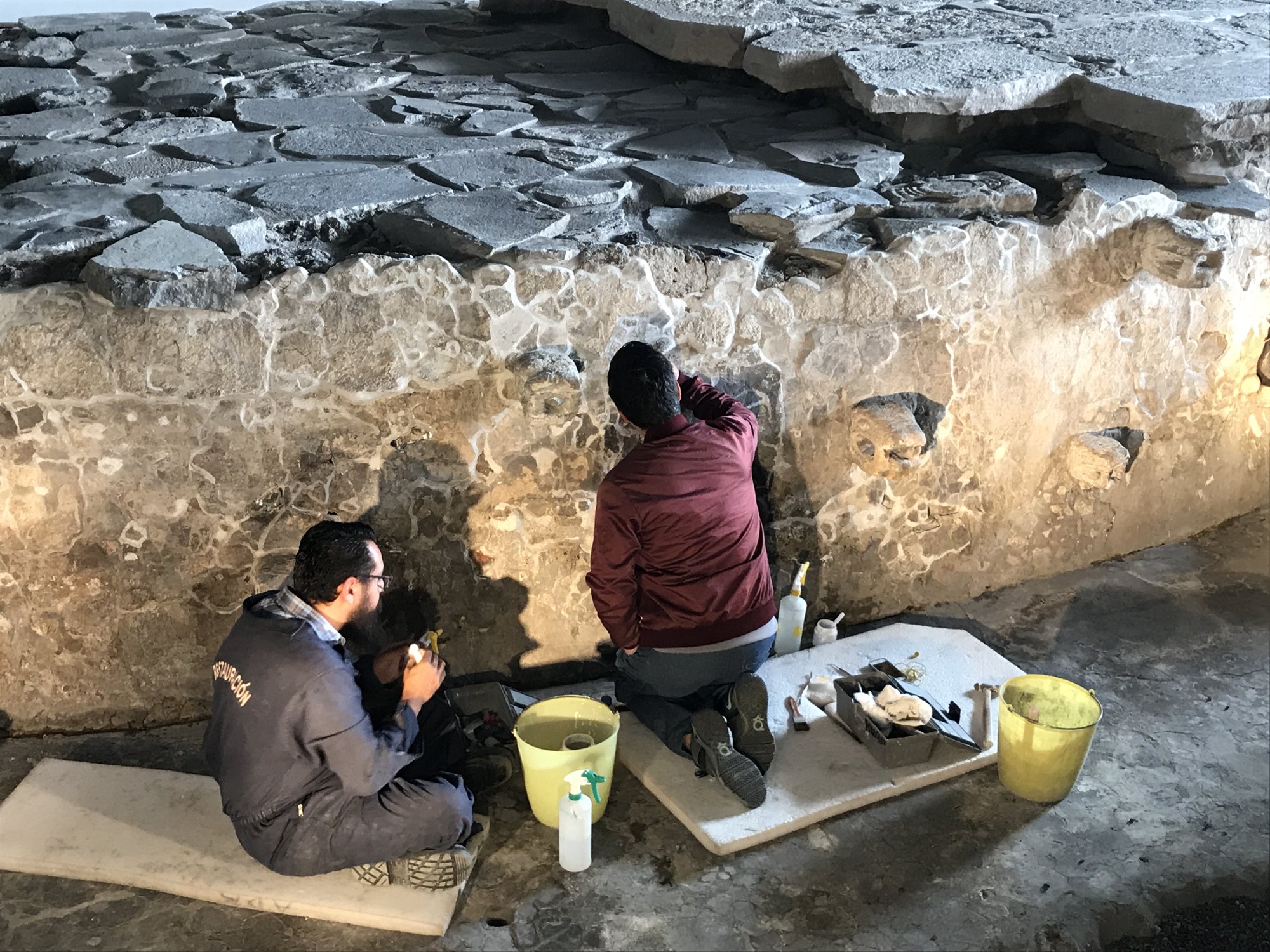
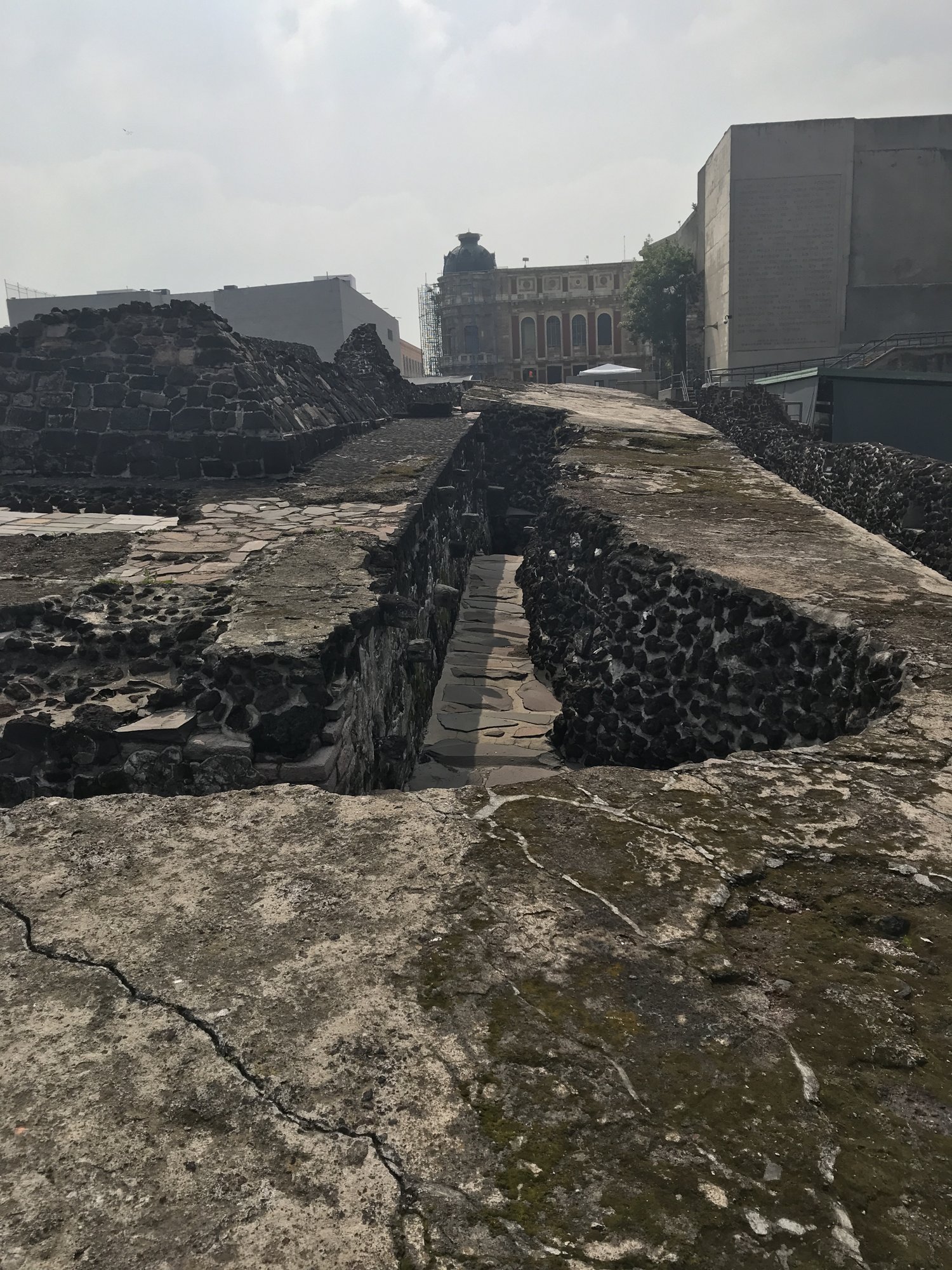
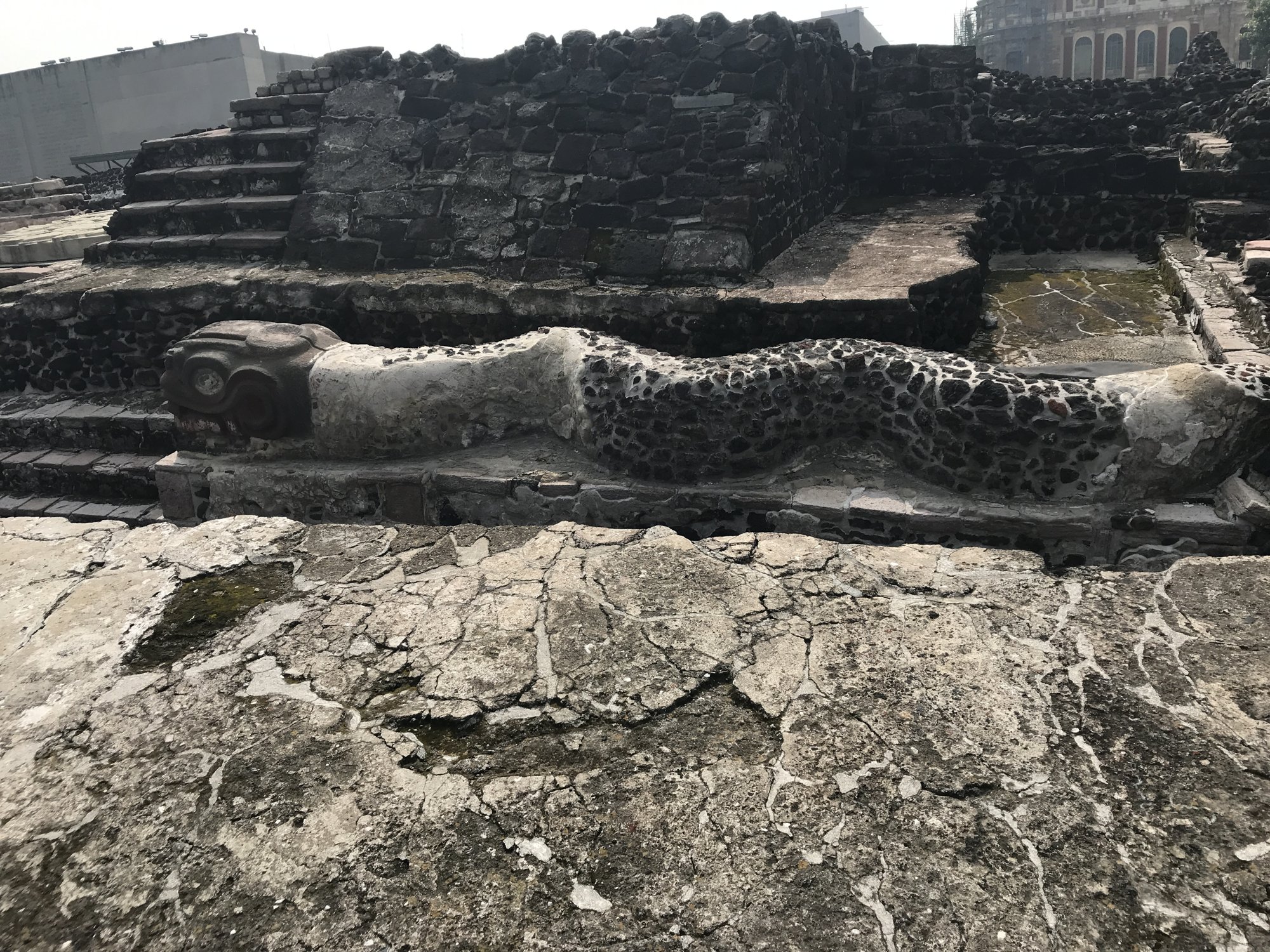
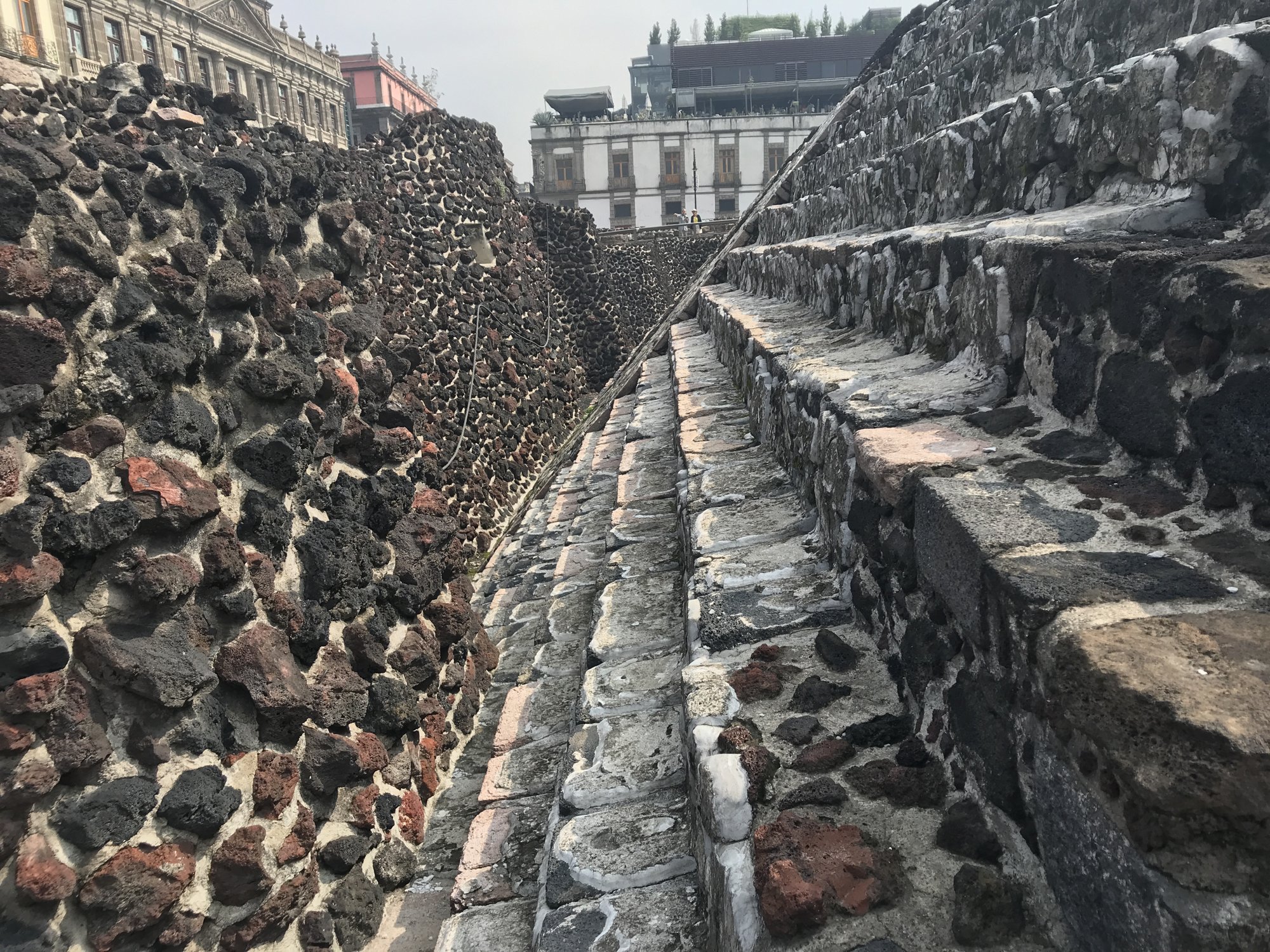
Mexico City is built on top of Tenochtitlan, and they’re still digging it out. Even the subway: building the Metro turned up an Aztec temple that now sits inside a station.
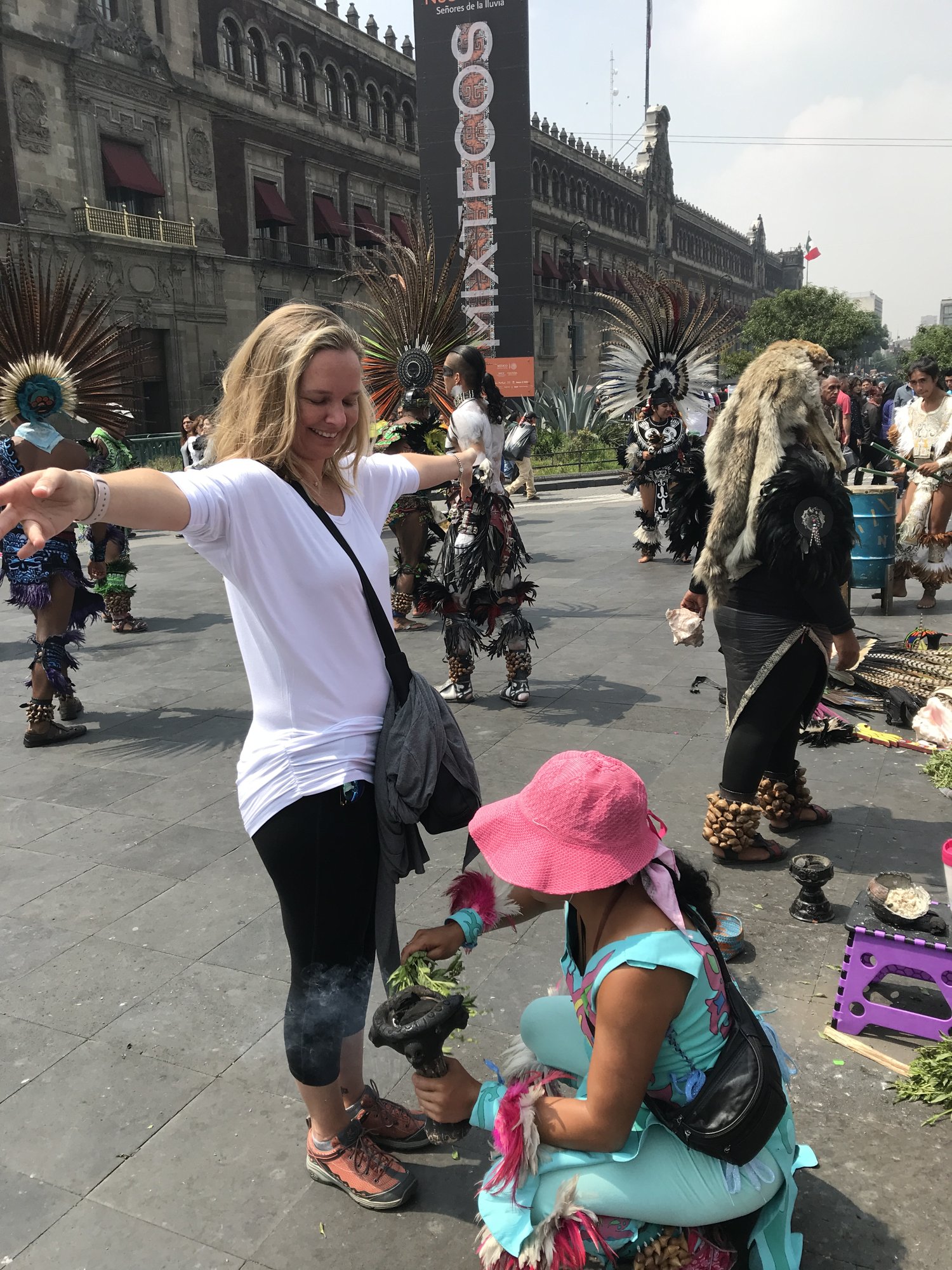
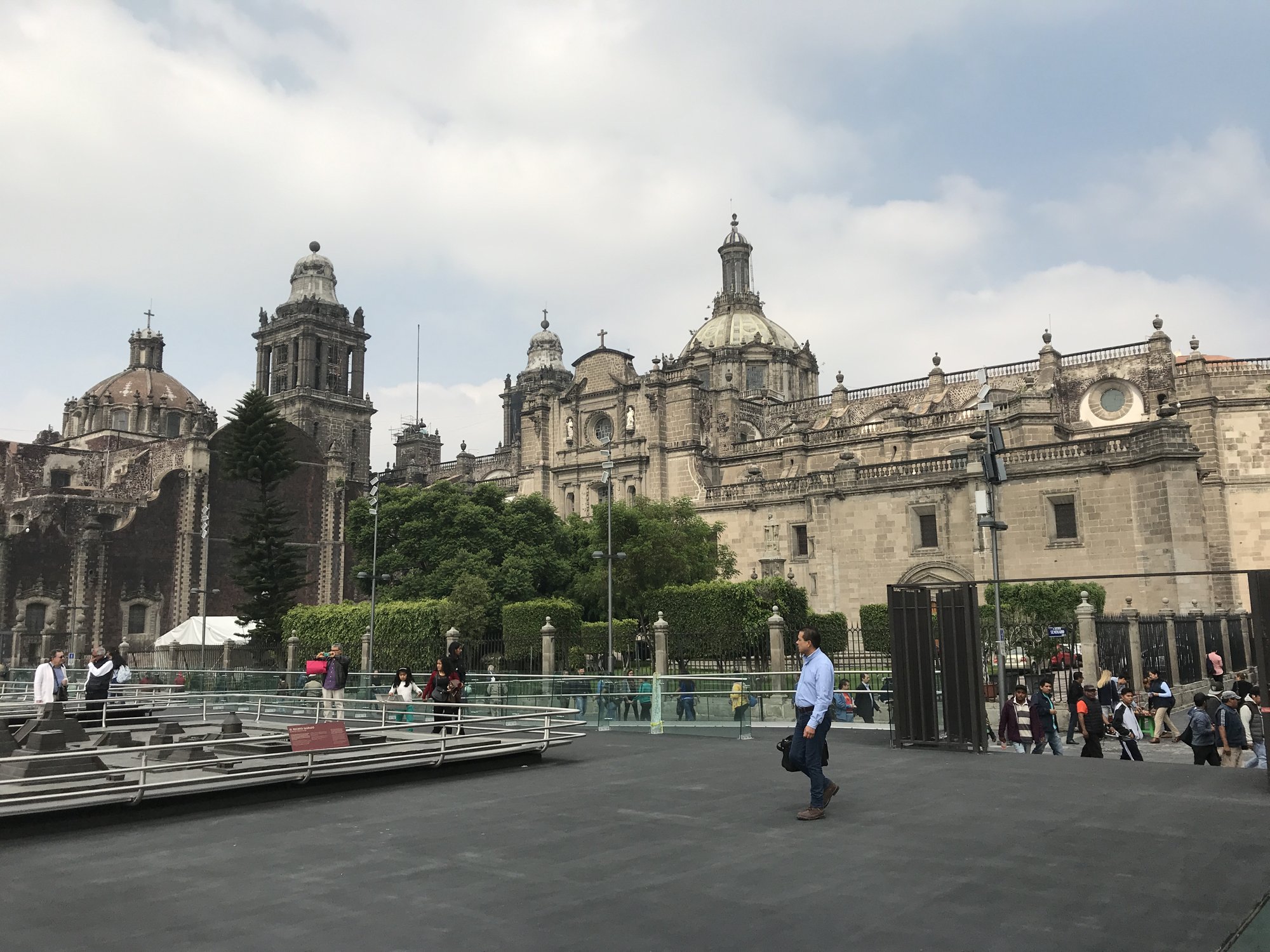
Step out of the ruins and you are on the Zócalo, Spain’s answer to everything you just saw. The Catedral Metropolitana was built right next to the temple it replaced. Subtle. Real subtle.
The plaza itself is a show: dancers in feathered headdresses, drums, and healers offering cleansing ceremonies with copal smoke and bundles of herbs. Is it kitschy? Very. Did She-Stache totally fall for it anyway? Also very. We’d tell you to skip it, but we didn’t, and we’re not going to pretend to be better people than we are.
Flaw: the Zócalo is enormous, shadeless, and the center of the city’s protests and events, so what you find there depends entirely on the day. Some days it’s a plaza. Some days it’s a stage, a market or a march.
Head west and the city changes completely. Bosque de Chapultepec is the city’s enormous park, between Paseo de la Reforma and Polanco, and it was one of the biggest surprises of the trip: impressive, green, and it felt very safe, with plenty of locals wandering right along with us. Up on its hill, Chapultepec Castle houses the Museo Nacional de Historia. It is a climb. Wear real shoes.
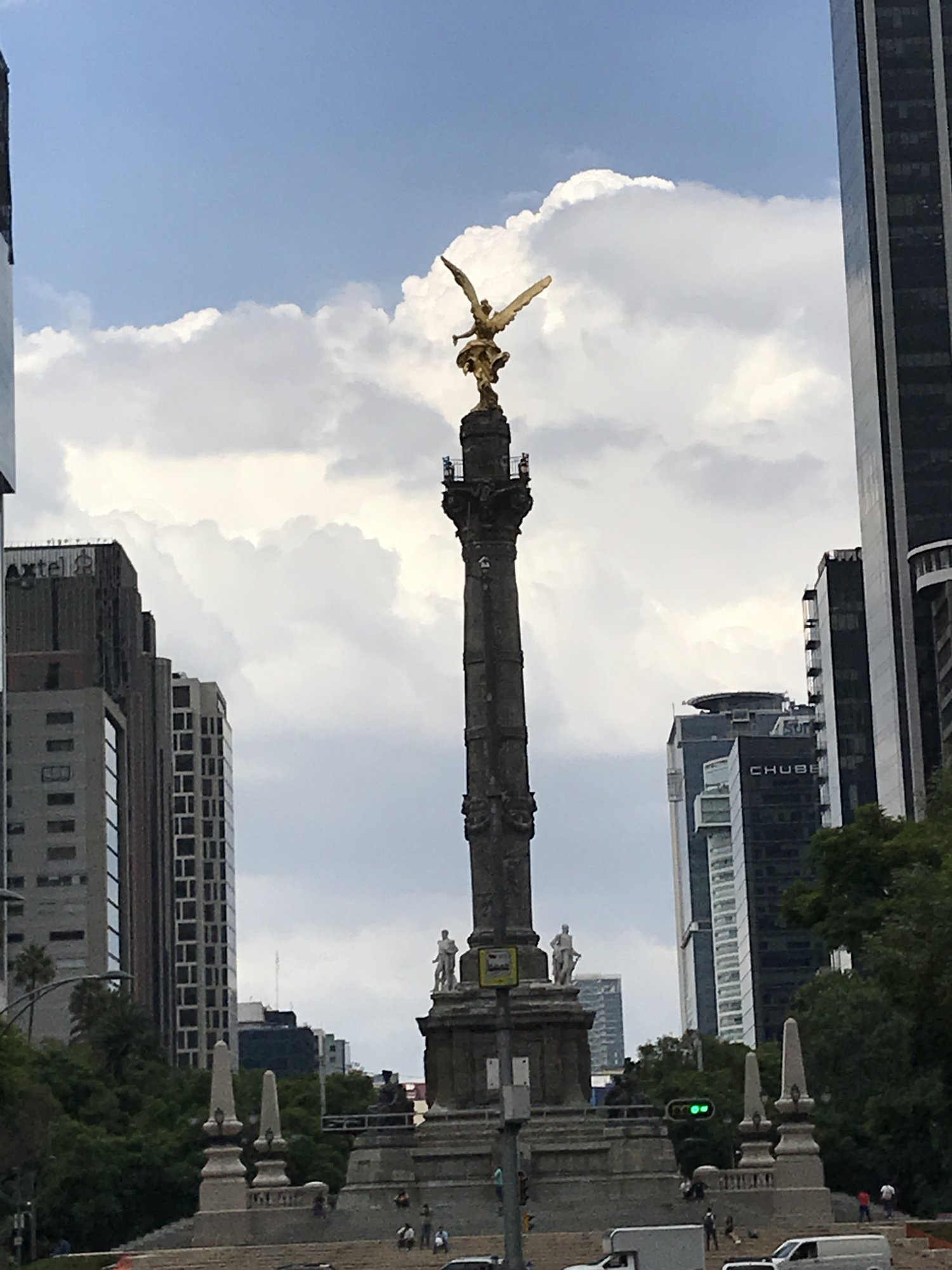
Reforma itself is the city’s grand boulevard, and the Ángel de la Independencia is its centerpiece. Here’s the tip: on Sunday mornings, from 8 a.m. to 2 p.m., the city closes Reforma to cars and hands it over to bikes and walkers. Plan a Sunday stroll. Do not plan a Sunday morning airport run down Reforma.
Over in Polanco, Museo Soumaya is an excellent private museum of historical items and art. It’s the one museum on this list where you might spend more time looking at the building than at what’s in it.
Teotihuacán is about an hour northeast of the city: vast pre-Columbian ruins, older than the Aztecs, with excellent and extensive preservation. Nobody knows who built it. The city’s major buildings were deliberately burned around 600 A.D., it was empty by about 750, and why is still debated: revolt, invasion, or both. The Aztecs found it abandoned in the 1400s and named it Teotihuacán, “the place where the gods were created.” It is a UNESCO World Heritage Site, and it earns it.
The Avenue of the Dead runs between the Pyramid of the Moon and the Pyramid of the Sun, and you can climb. The stairs are steep. Steeper than they look, and they look steep. Go in the morning, wear shoes with grip, and bring water and a layer, because at this altitude the sun and the clouds trade places fast.
Go with a private driver, and when the driver suggests a little detour to a “tequila factory,” you already know what to say. (See The Gripe. And see Mezcal, below, for what you should be drinking instead.)
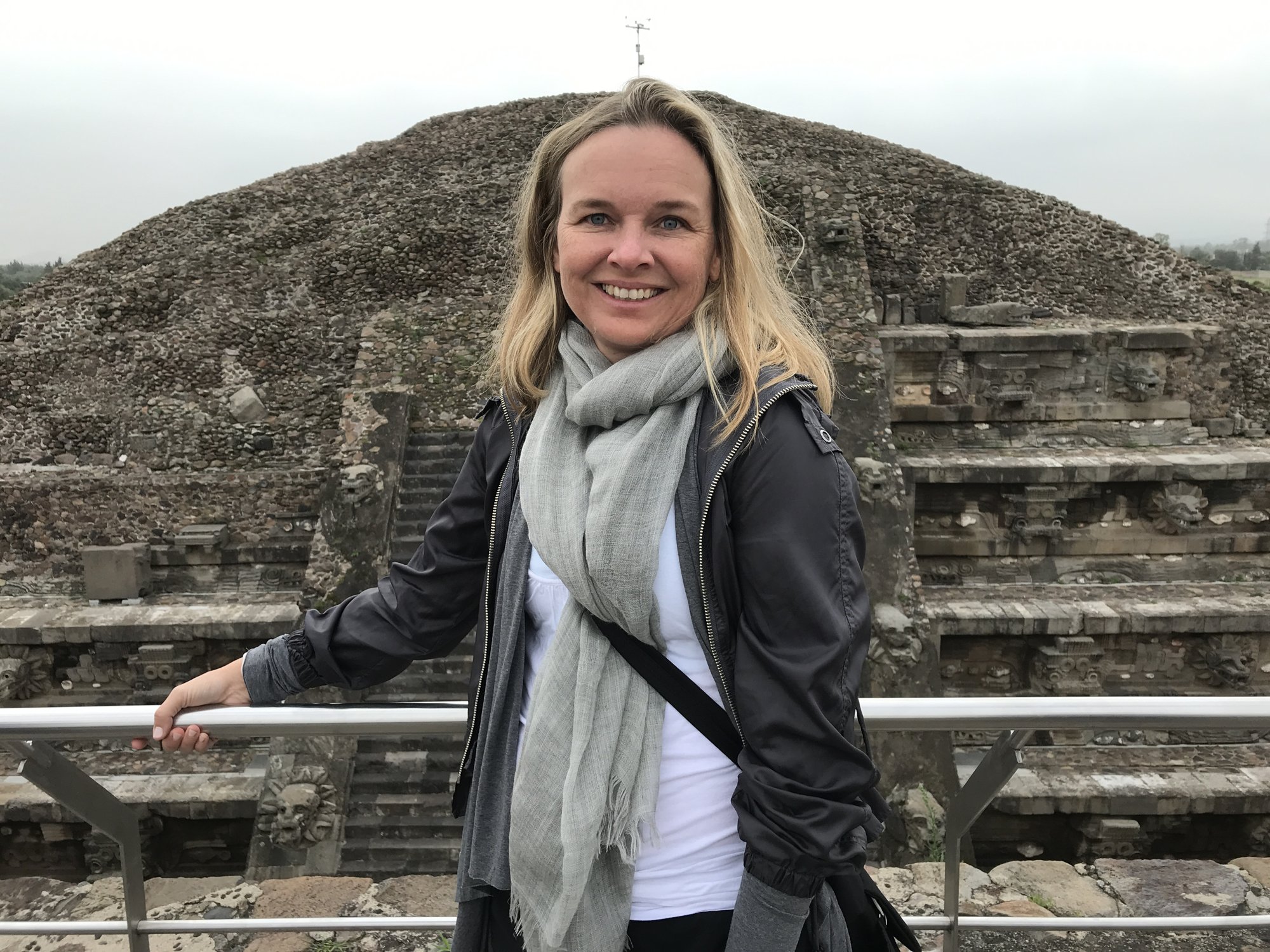
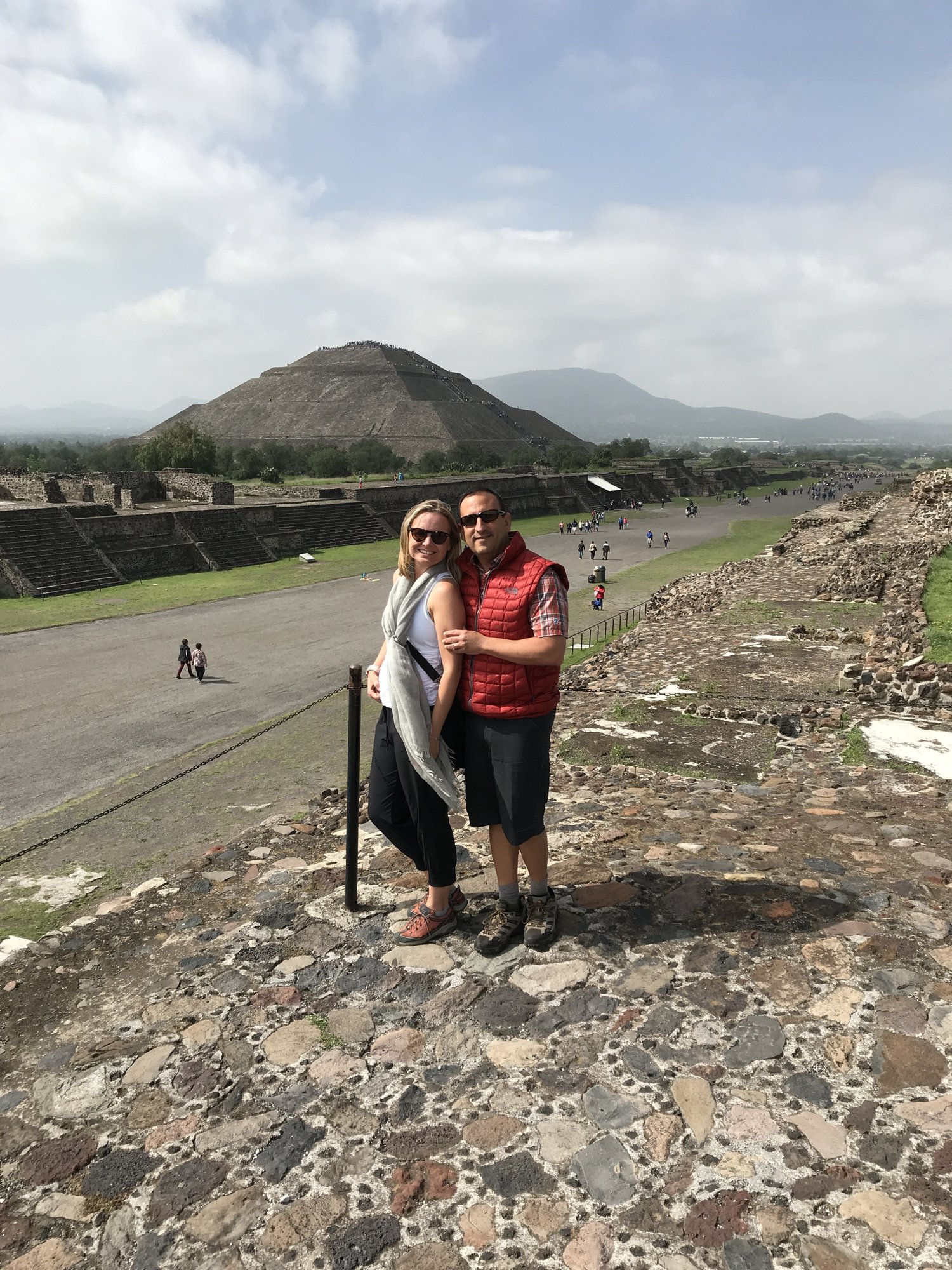
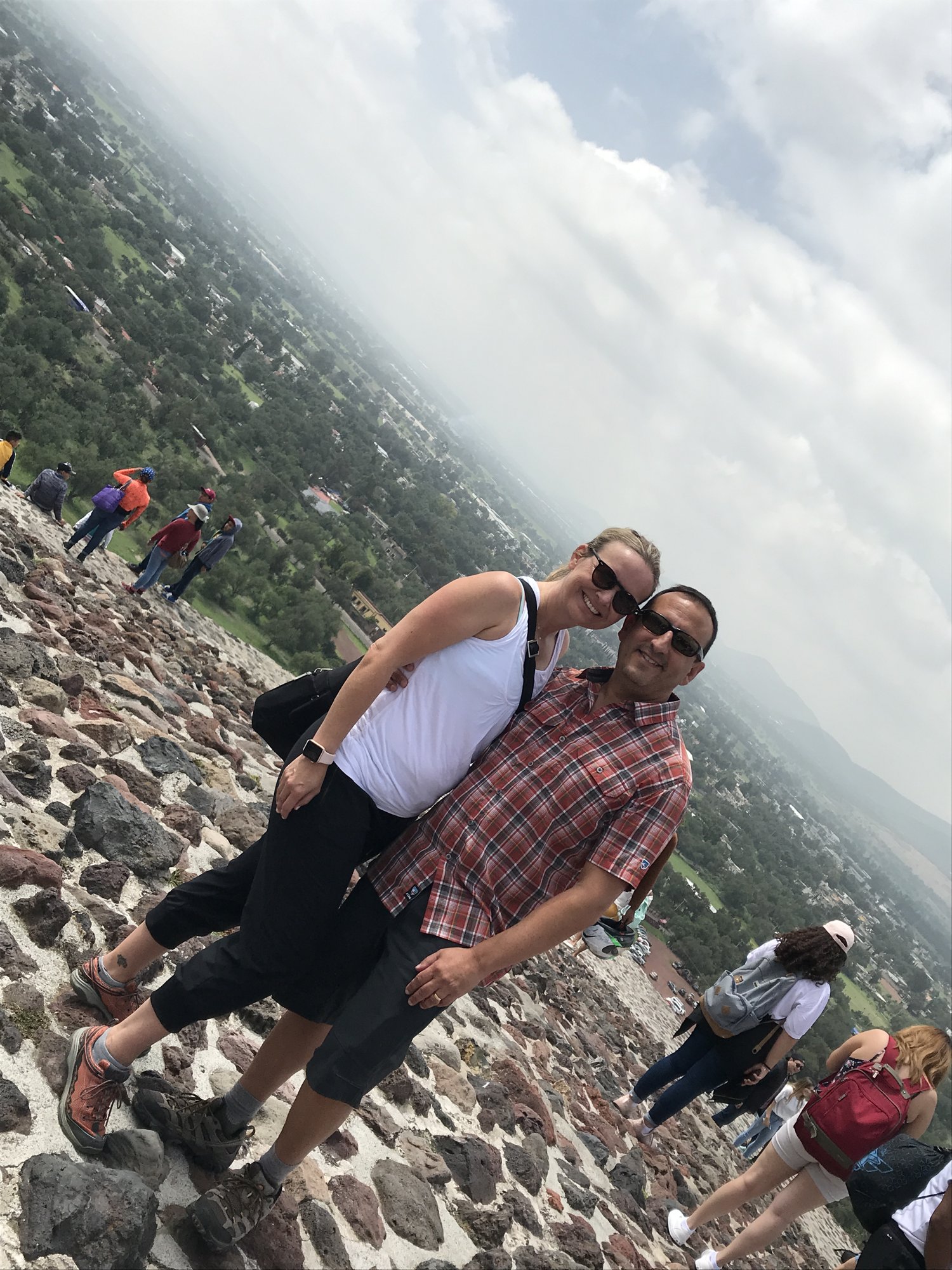
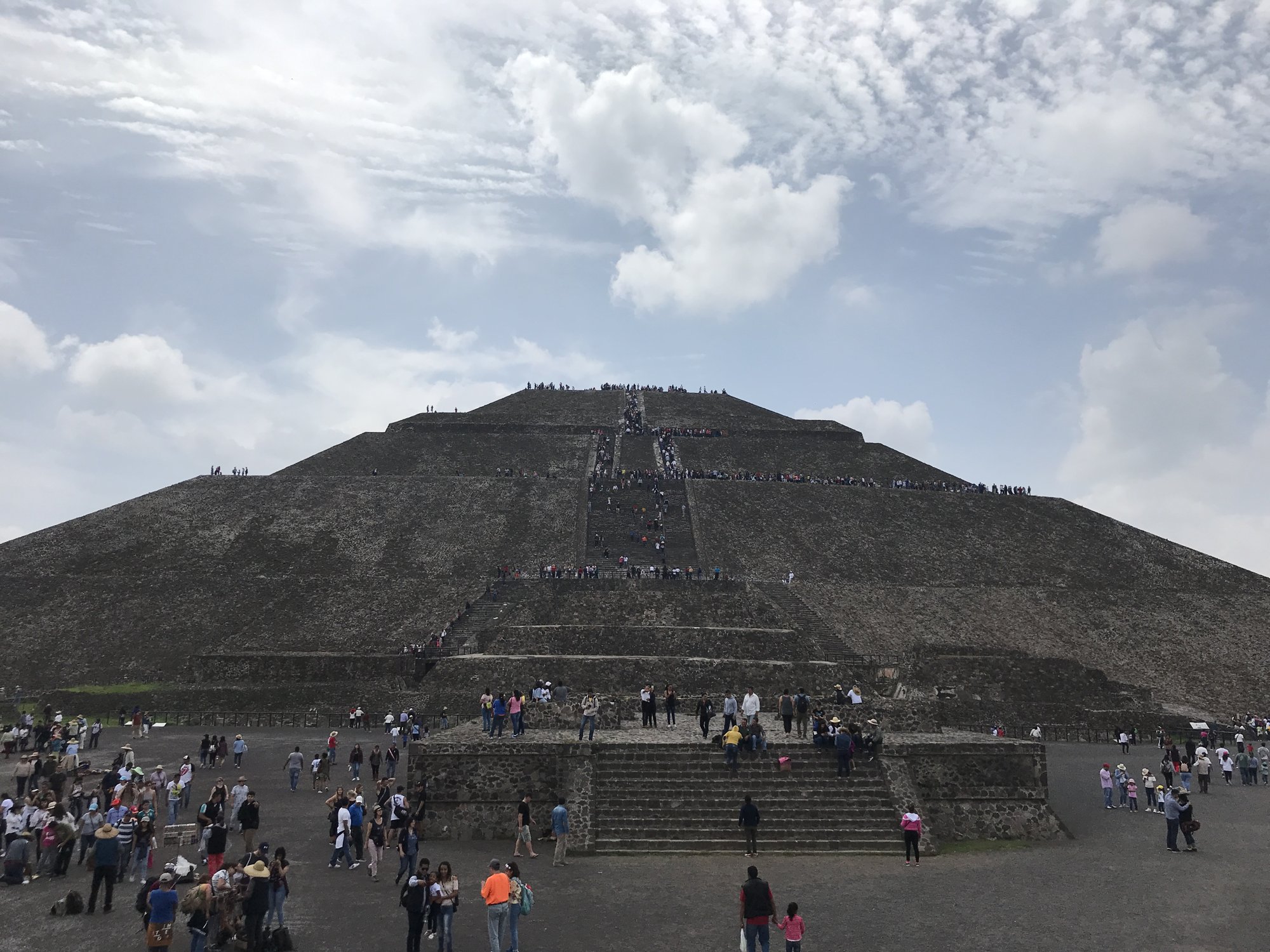
Teotihuacán in the morning. The stairs are steeper than they look, and they look steep.
We spent our anniversary at Lucha Libre at Arena México, home of CMLL, the oldest wrestling promotion in the world. This was He-Stache’s idea. Of course it was.
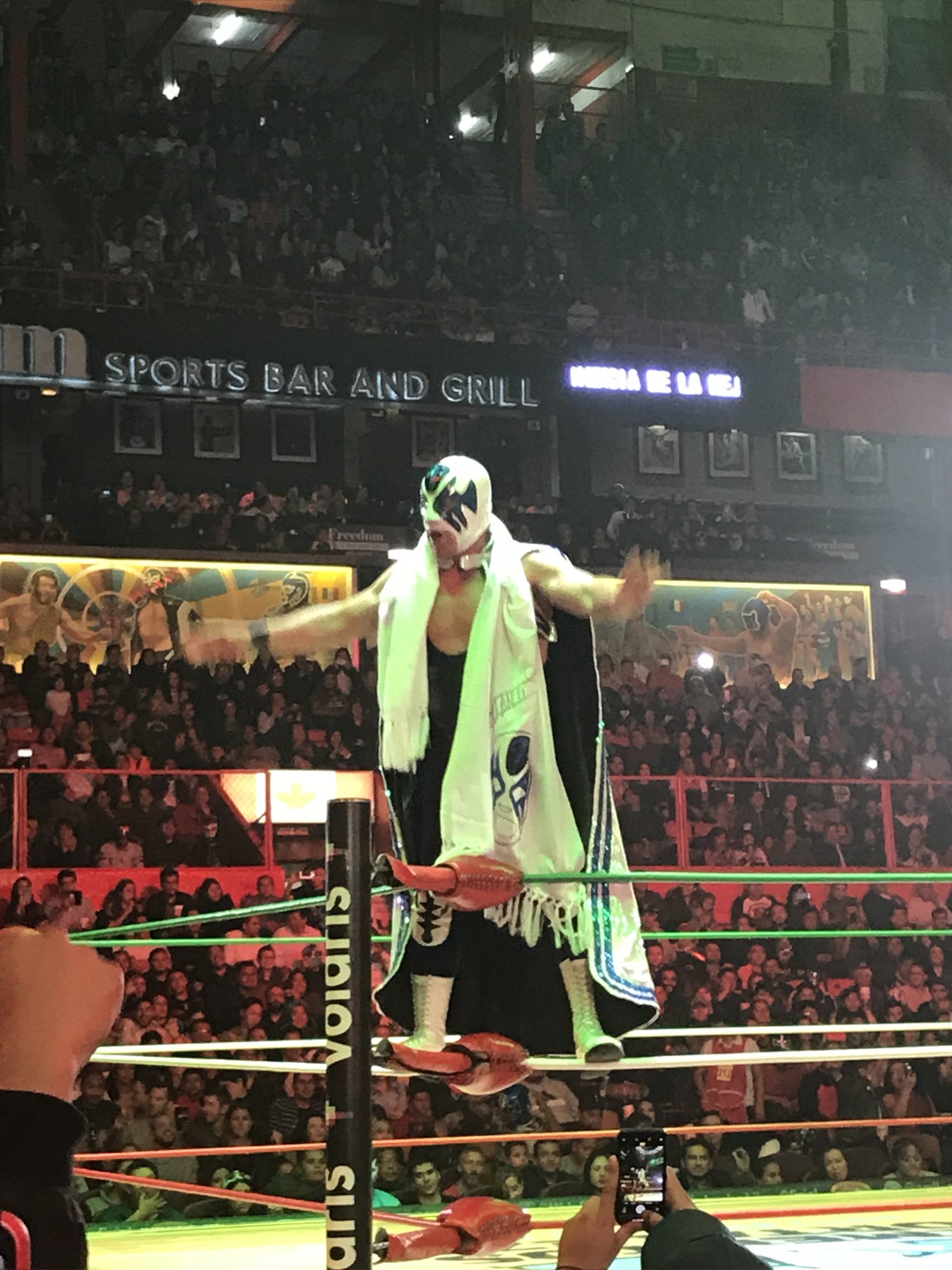
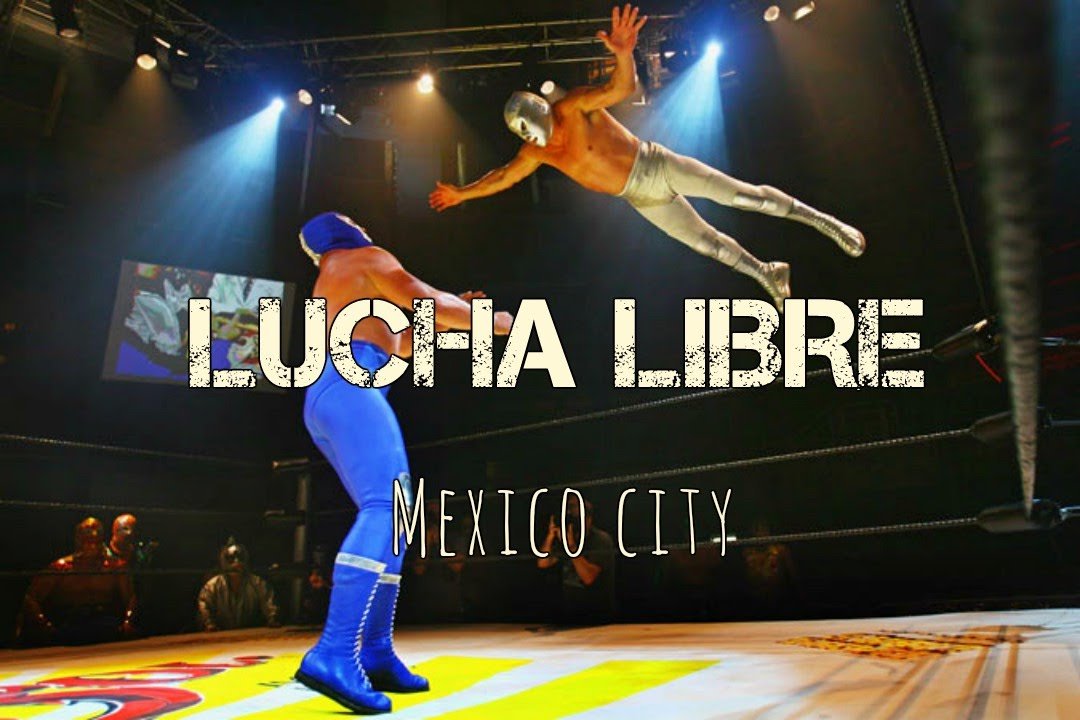
Here is what you need to know: Lucha Libre is real in Mexico. Not real as in unscripted. Real as in an arena full of fans who take it very seriously, and wrestlers who fly off the top rope like the floor is optional. The masks are sacred. The crowd is half the show.
Yes, we stayed until the Mini-Estrellas fought, on He-Stache’s insistence. That’s Lucha Libre’s division of smaller wrestlers, and yes, they fly too. No, He-Stache is not a horrible person. He has a very twisted sense of humor, and apparently everyone in Arena México that night shared it. She-Stache was not impressed, and she feels this night alone qualifies her for the wife-of-the-century award. The committee is still deliberating.
For the record, her own map pin calls it “really a great way to spend your anniversary.” Make of that what you will. Flaw: the arena is in Doctores, not a neighborhood to wander at night. Arrive and leave with your driver.
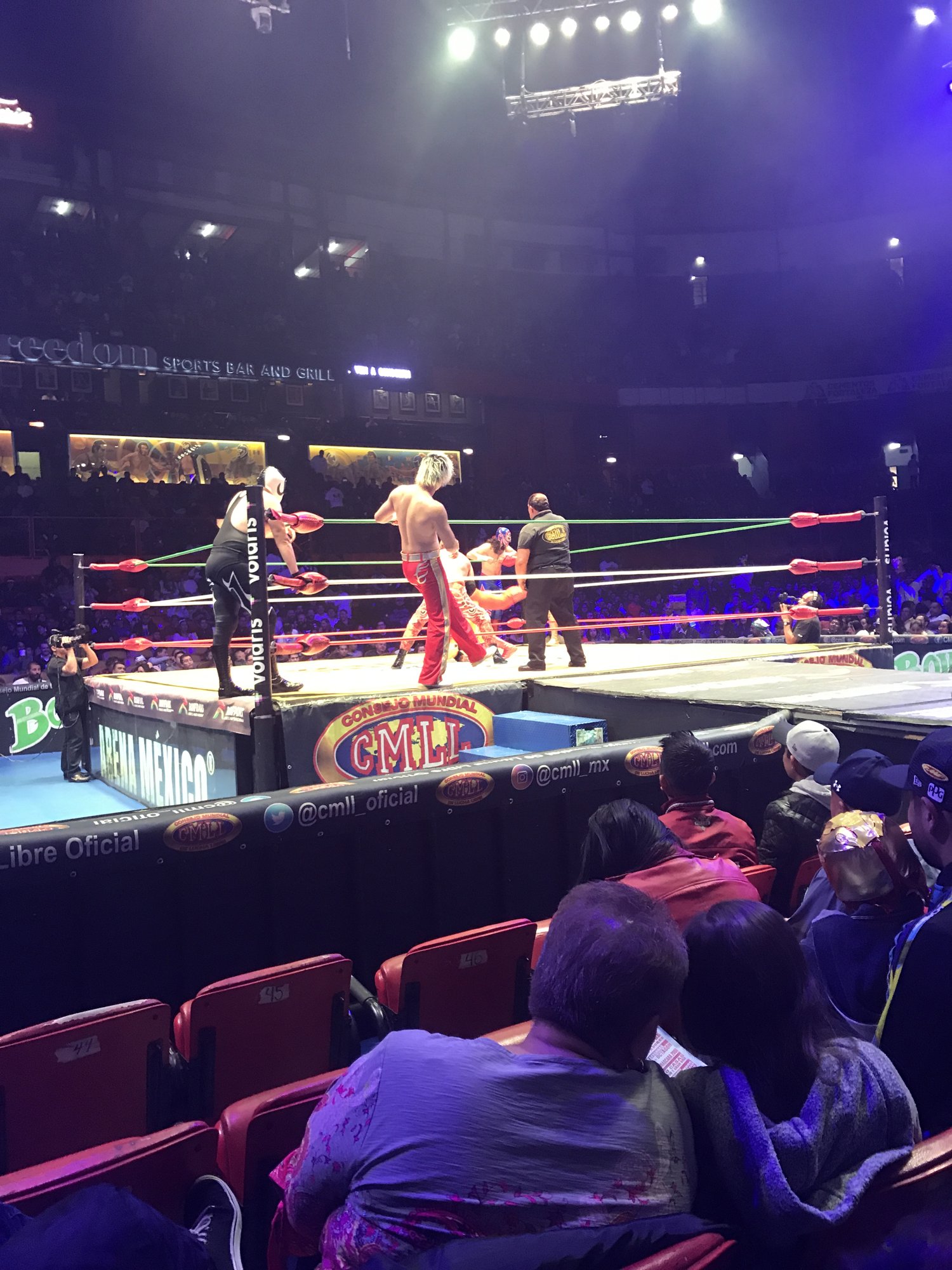
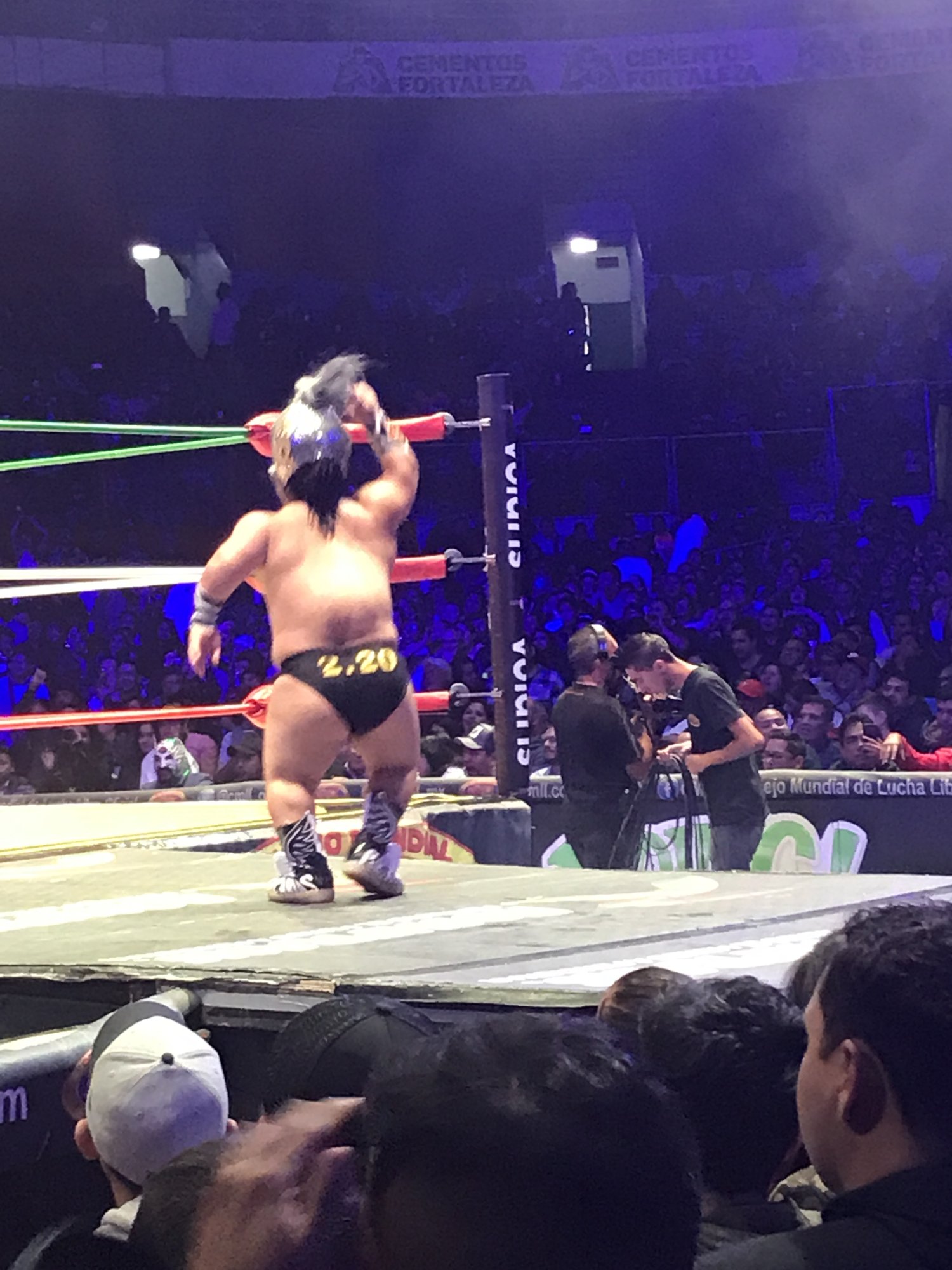
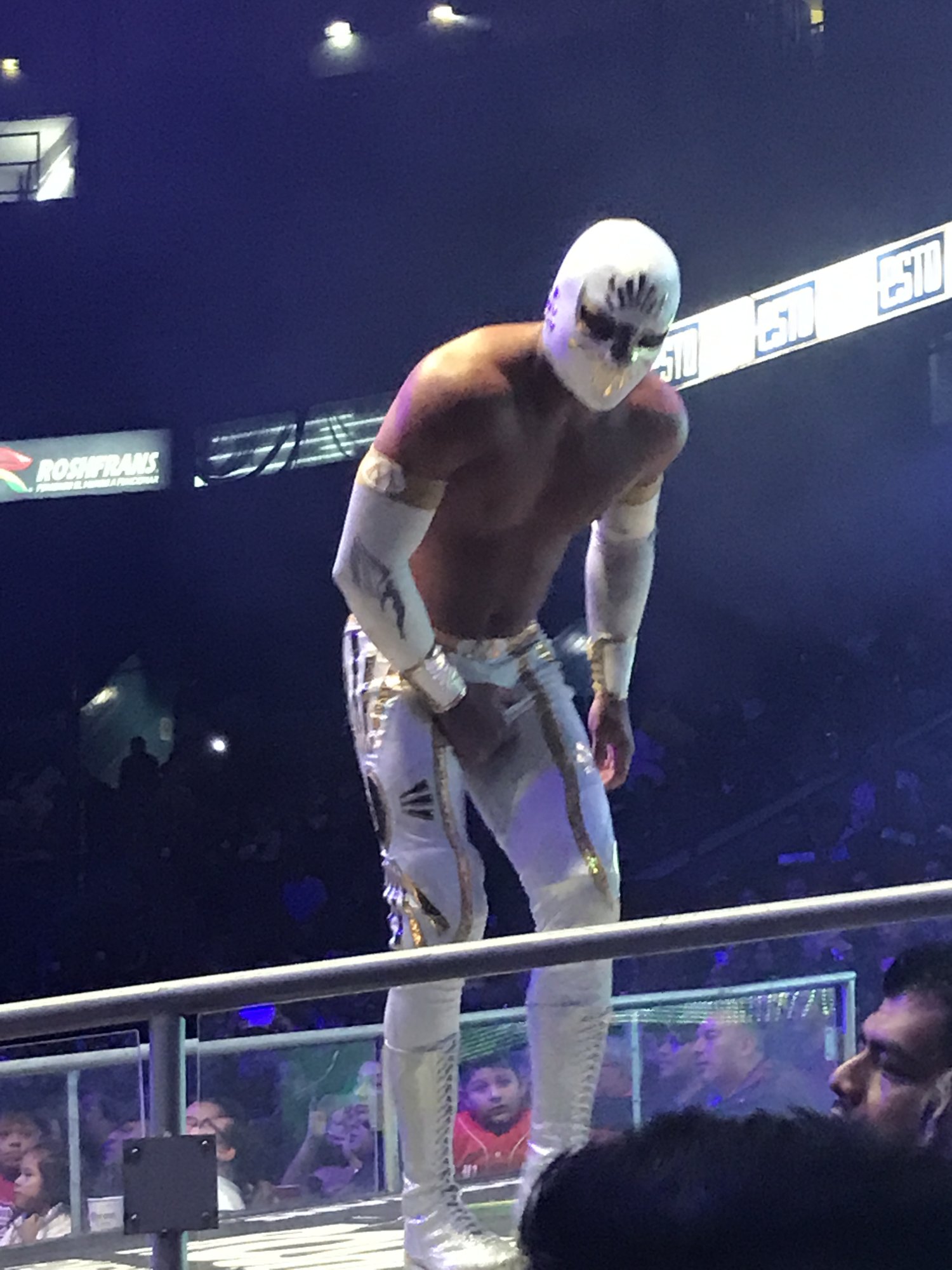
Best anniversary ever? He-Stache votes yes. She-Stache is still waiting on her wife-of-the-century trophy.
Two nights later, She-Stache got her rebuttal. The Ballet Folklórico de México performs at the Palacio de Bellas Artes, a marble palace of a theater on the edge of the Centro Histórico. Its stage curtain is a glass mosaic made by Tiffany Studios, a mountain landscape in colored glass. The dancing is spinning skirts, stomping feet, and a tour of Mexico’s regions in costume. Culture, with sequins. No body slams.
Flaw: the building is beautiful and the neighborhood around it after dark is not somewhere to linger. Our map pin says it plainly: be careful at night. Have your driver waiting when the curtain comes down.
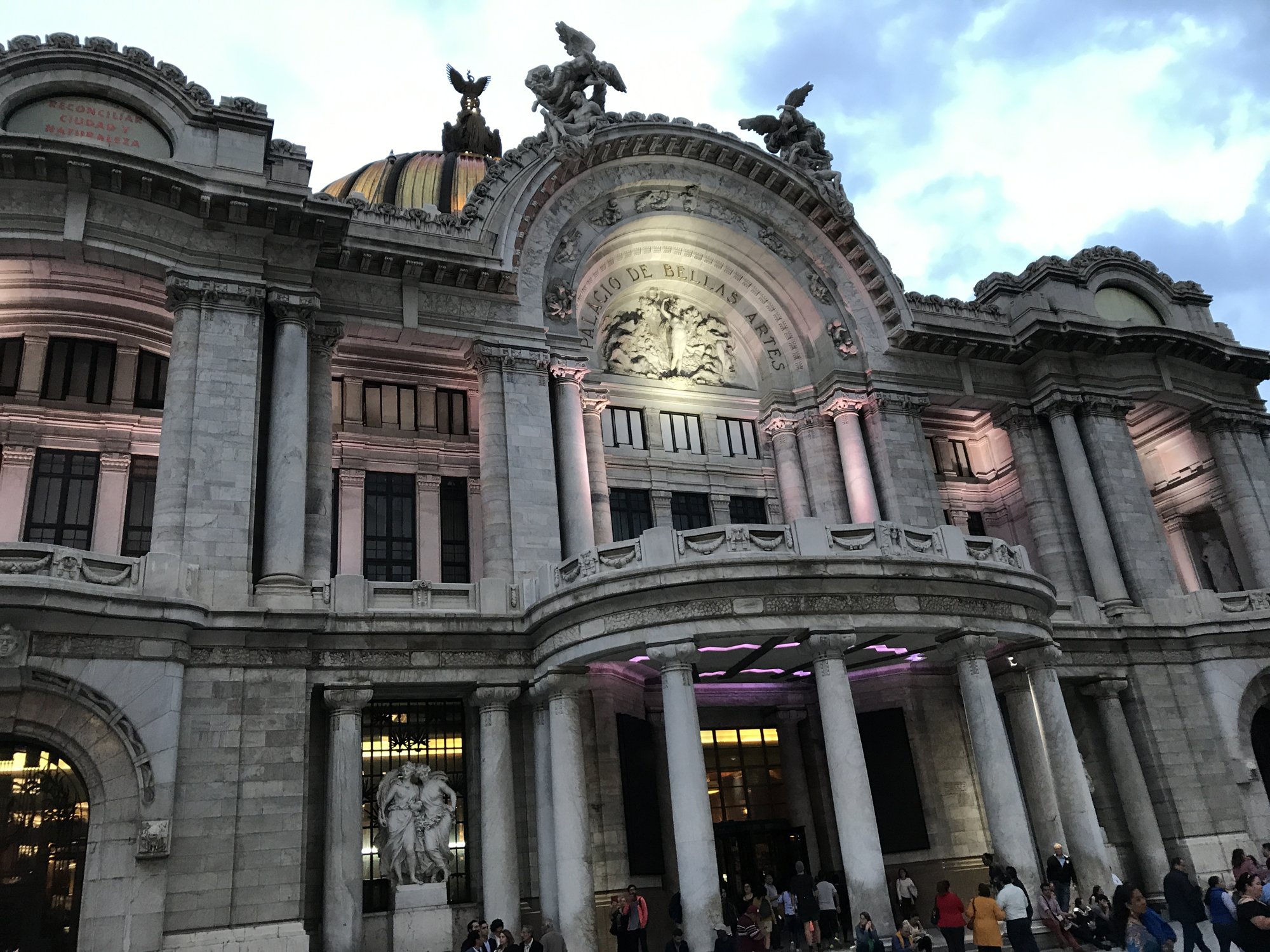
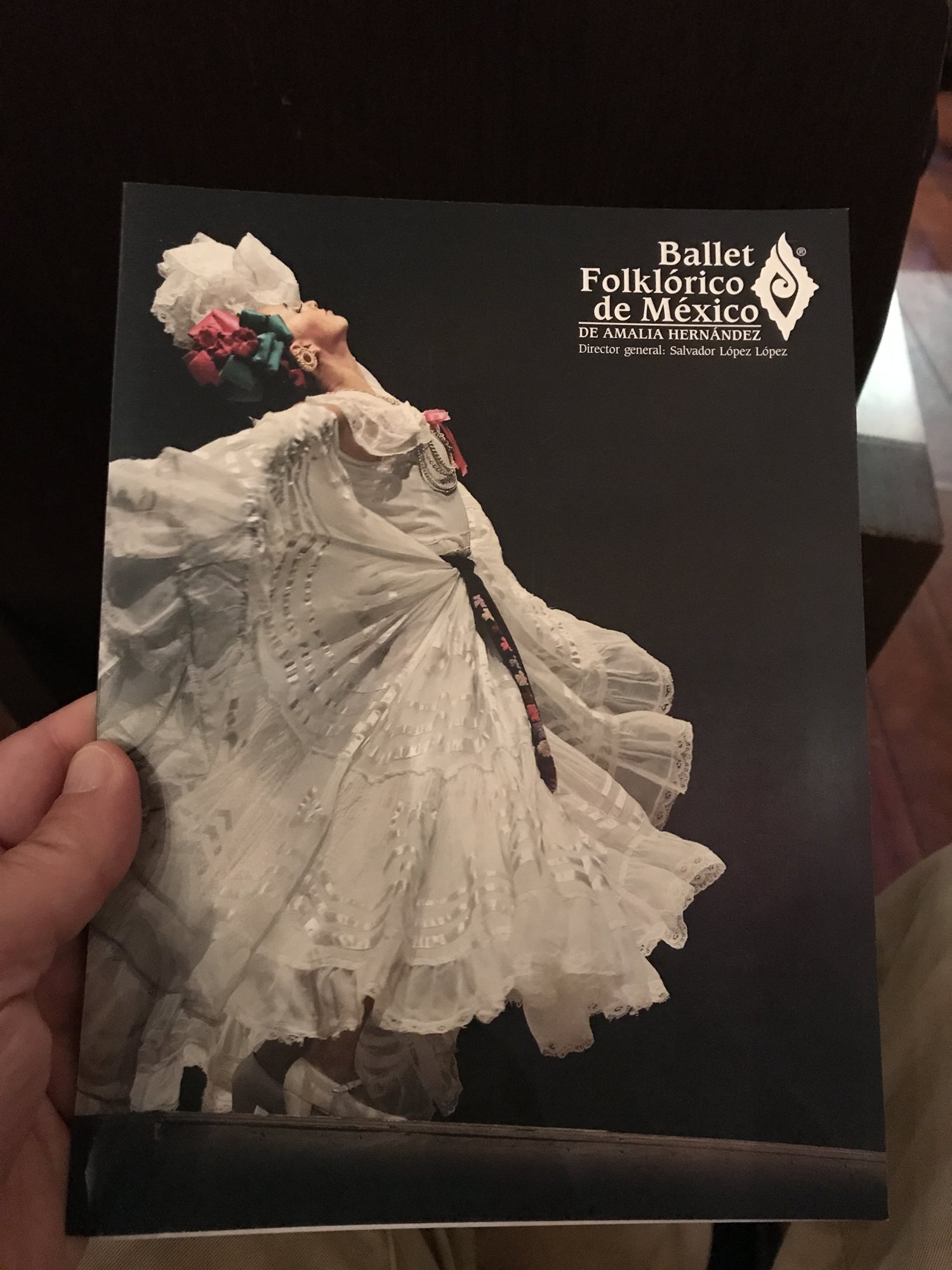
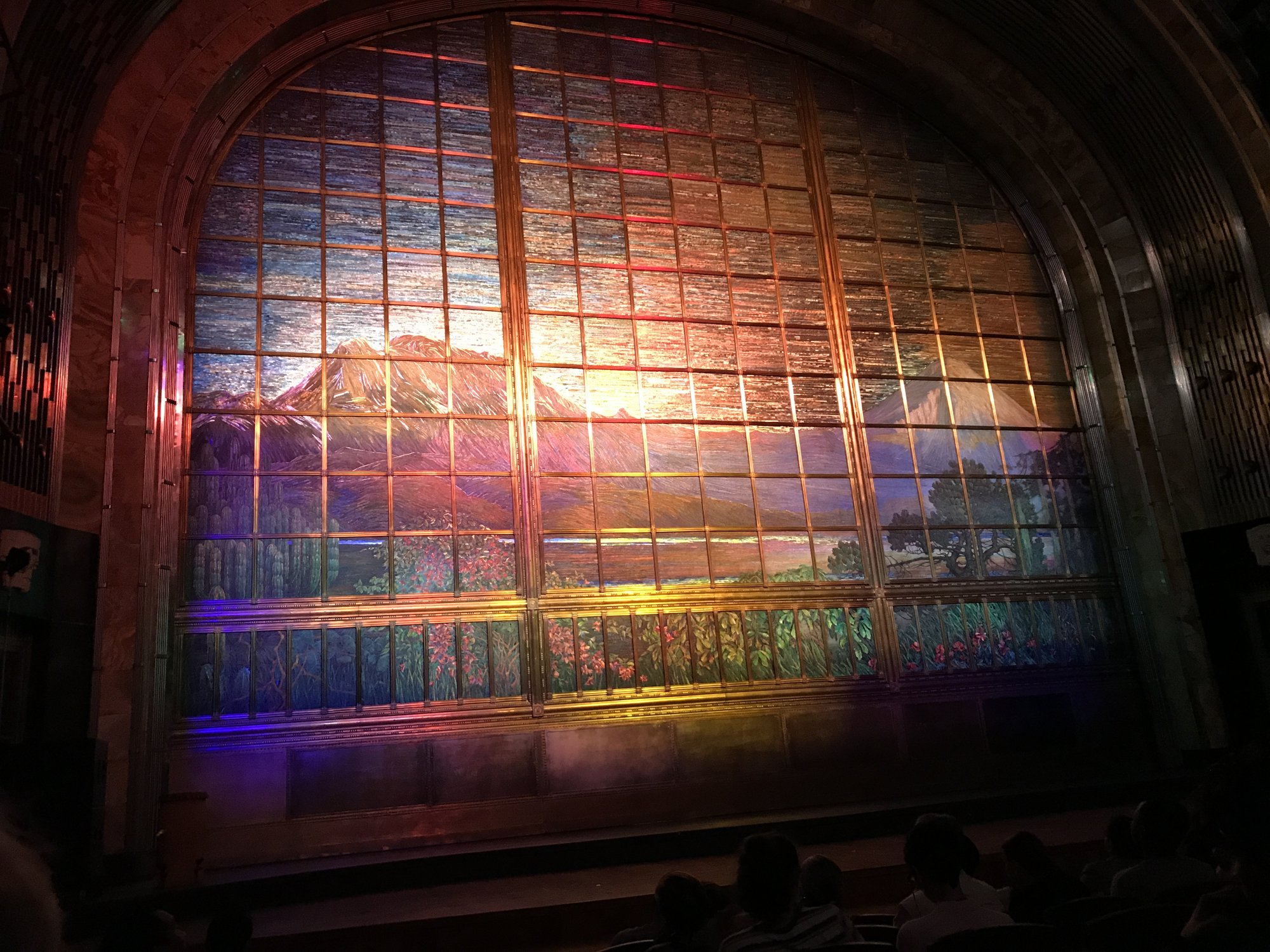
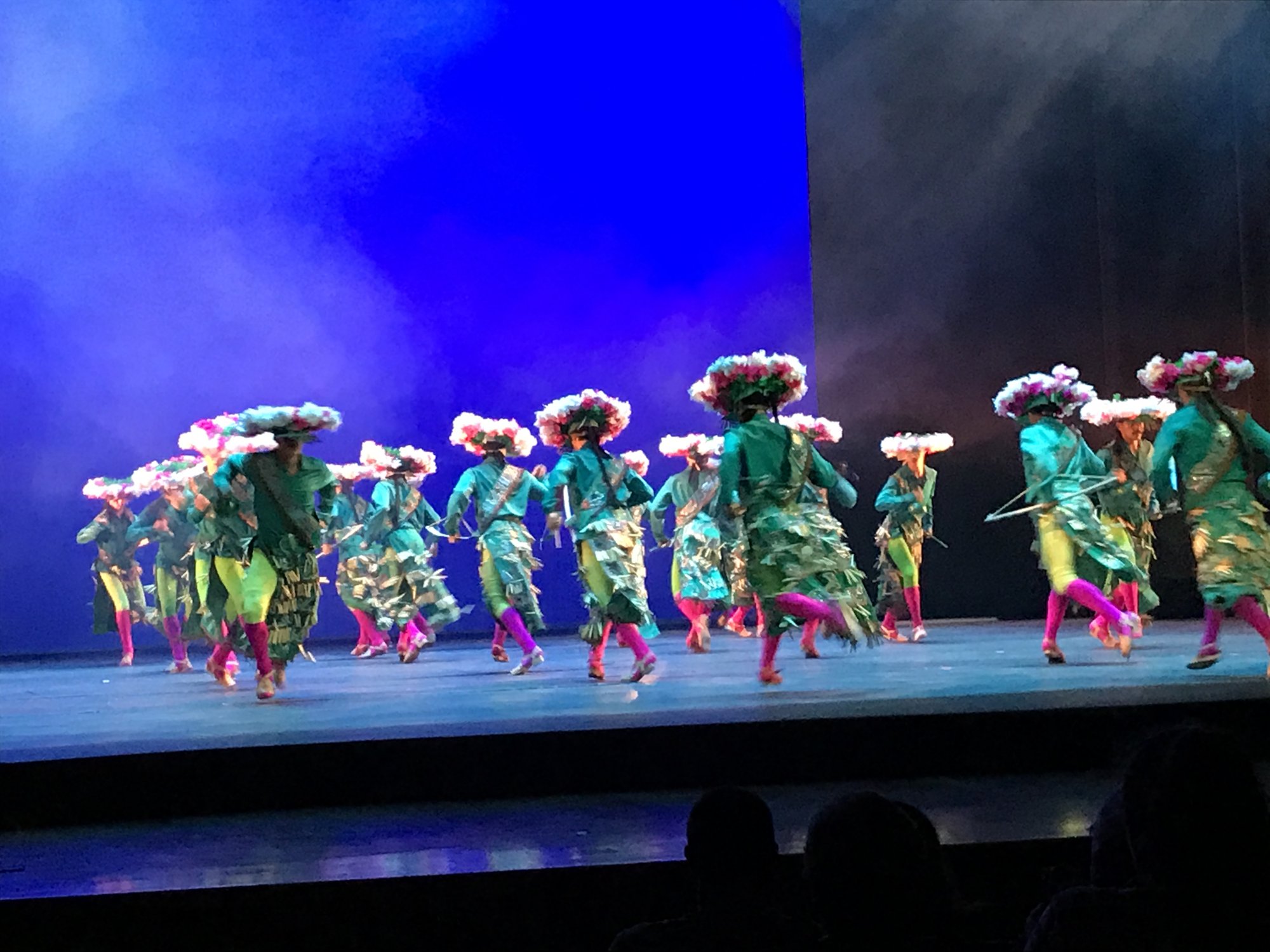
Ballet Folklórico de México at Bellas Artes, with a Tiffany glass curtain as the opening act. Not a spandex costume in sight. She-Stache’s anniversary rebuttal.
This is why we came. One warning before we start: this trip was in 2018. Restaurants close, chefs move, and one of our best meals here has already closed. Check before you book.
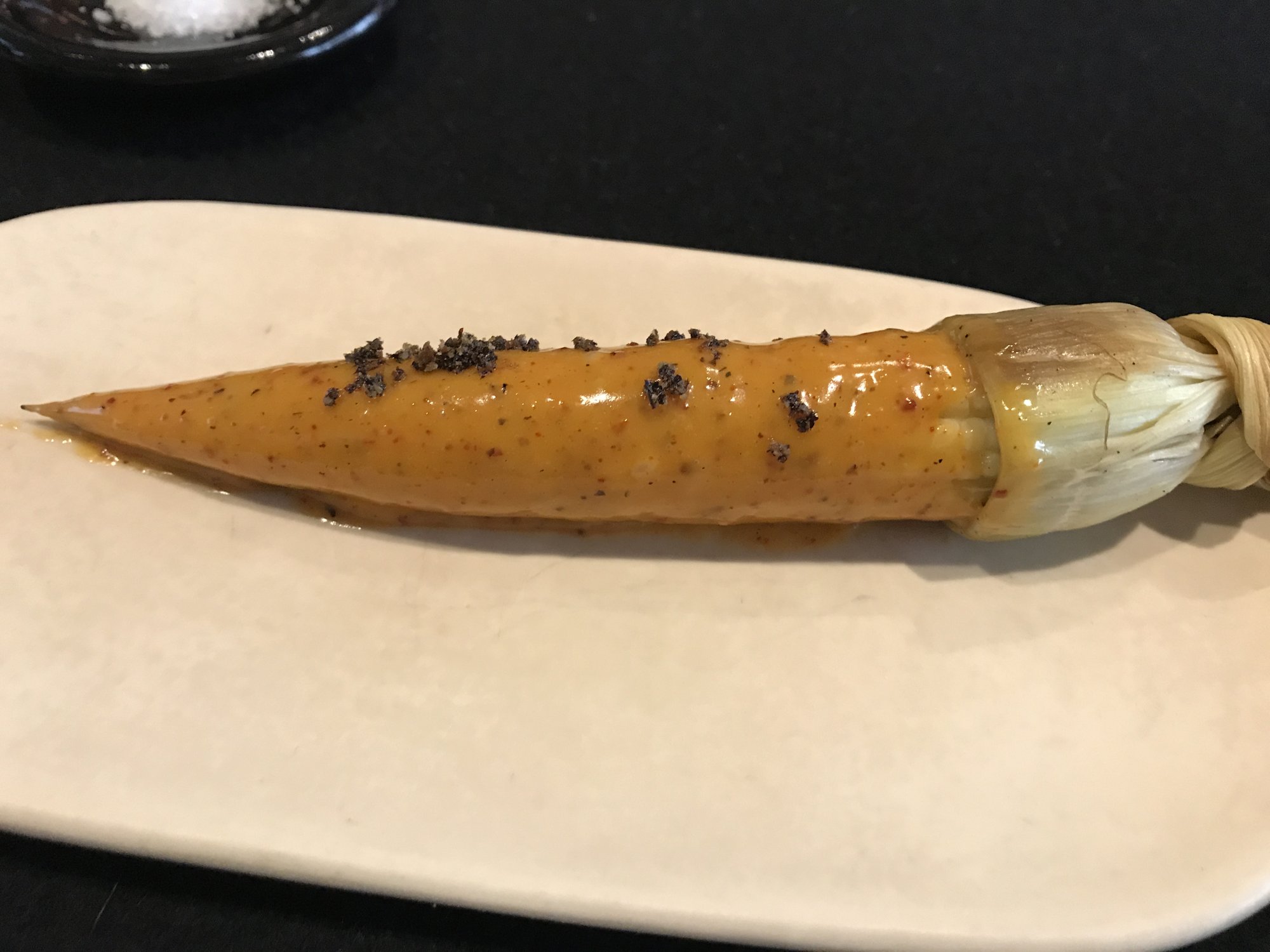
Pujol is chef Enrique Olvera’s flagship and one of the most famous restaurants in Mexico. Our advice, straight off our map: excellent restaurant, but go for the taco experience. We did the taco omakase at the bar, course after course of tacos we could not always pronounce, which is the “budget” way into one of Mexico’s most famous kitchens. The quotation marks are doing a lot of work.
And yes, we ate ant larvae. Escamoles are harvested from ant nests around the roots of agave plants, they’ve been eaten in central Mexico since long before anyone called it a tasting menu, and they are surprisingly good. Close your eyes. Open your mouth. Thank us later.
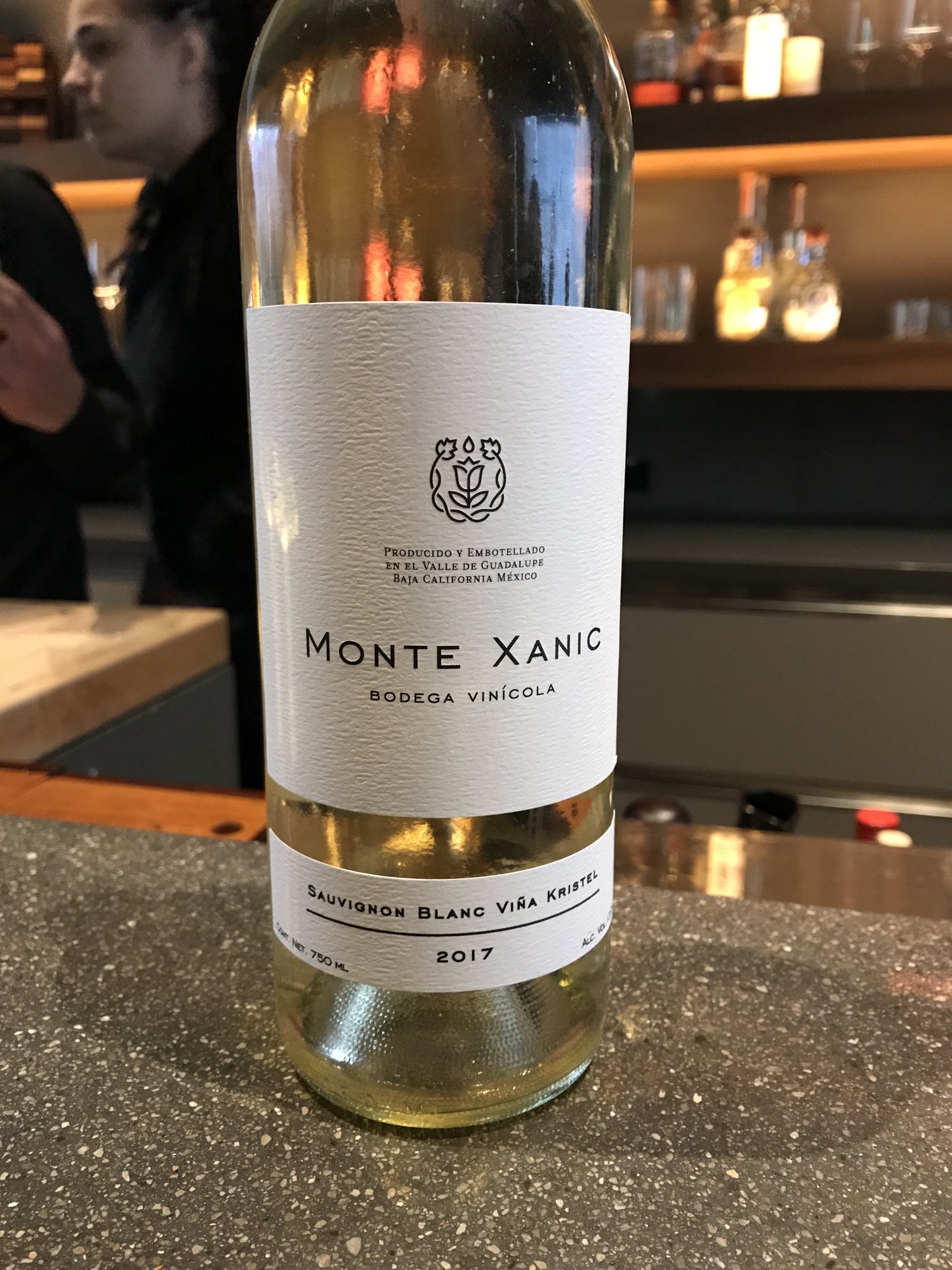
The bigger surprise was in the glass. Mexican wine is far better than its reputation. The rosés and whites from Valle de Guadalupe in Baja California were surprisingly good, starting with a Monte Xanic white at Pujol’s bar. Valle de Guadalupe is next on our Mexico list. Consider yourself warned.
In Roma Norte, Rosetta was an excellent tasting experience in a beautiful building, a Porfiriato-era mansion on Calle Colima. Its sister bakery, Panadería Rosetta, is up the street and on our list for next time.
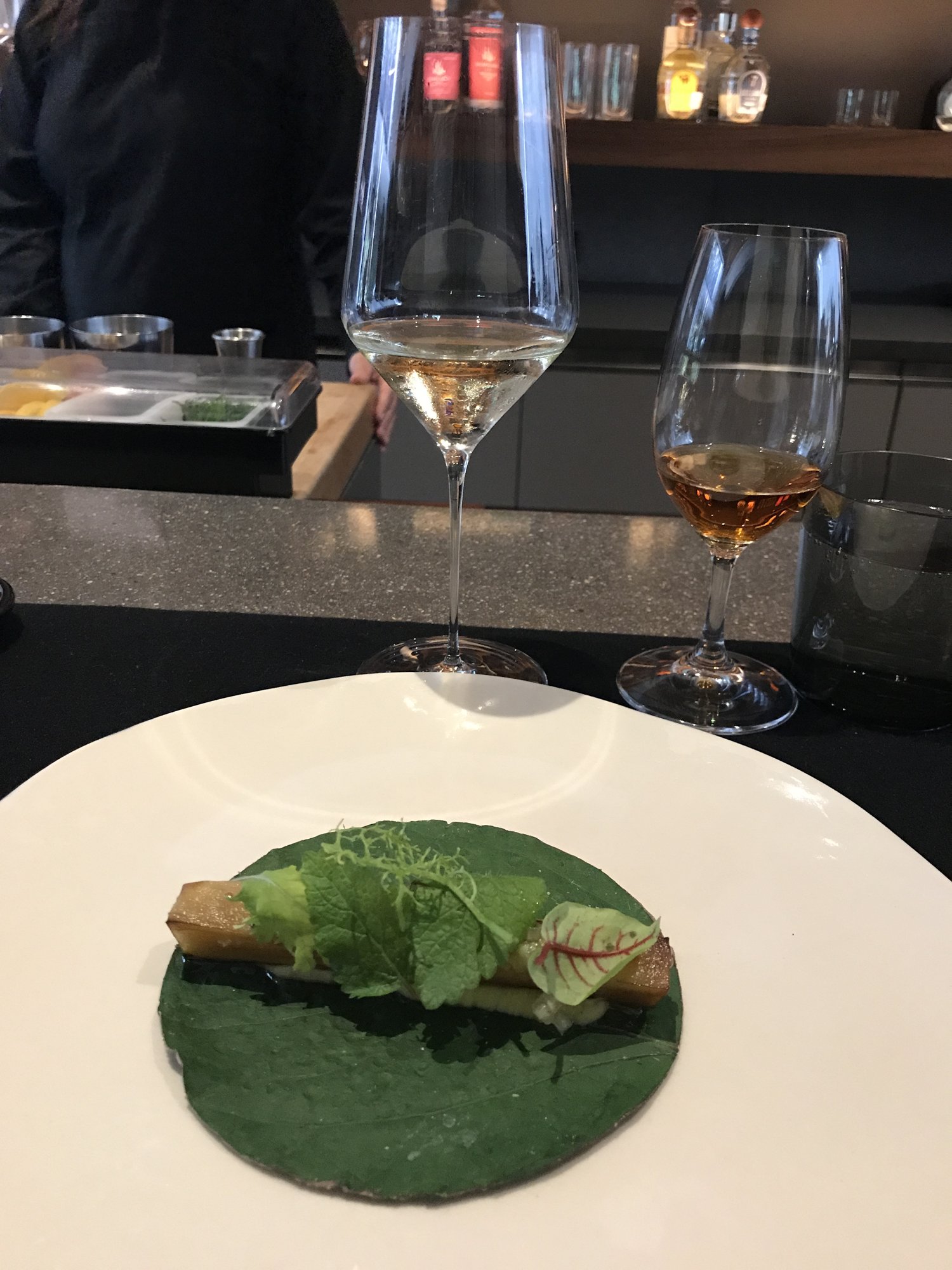
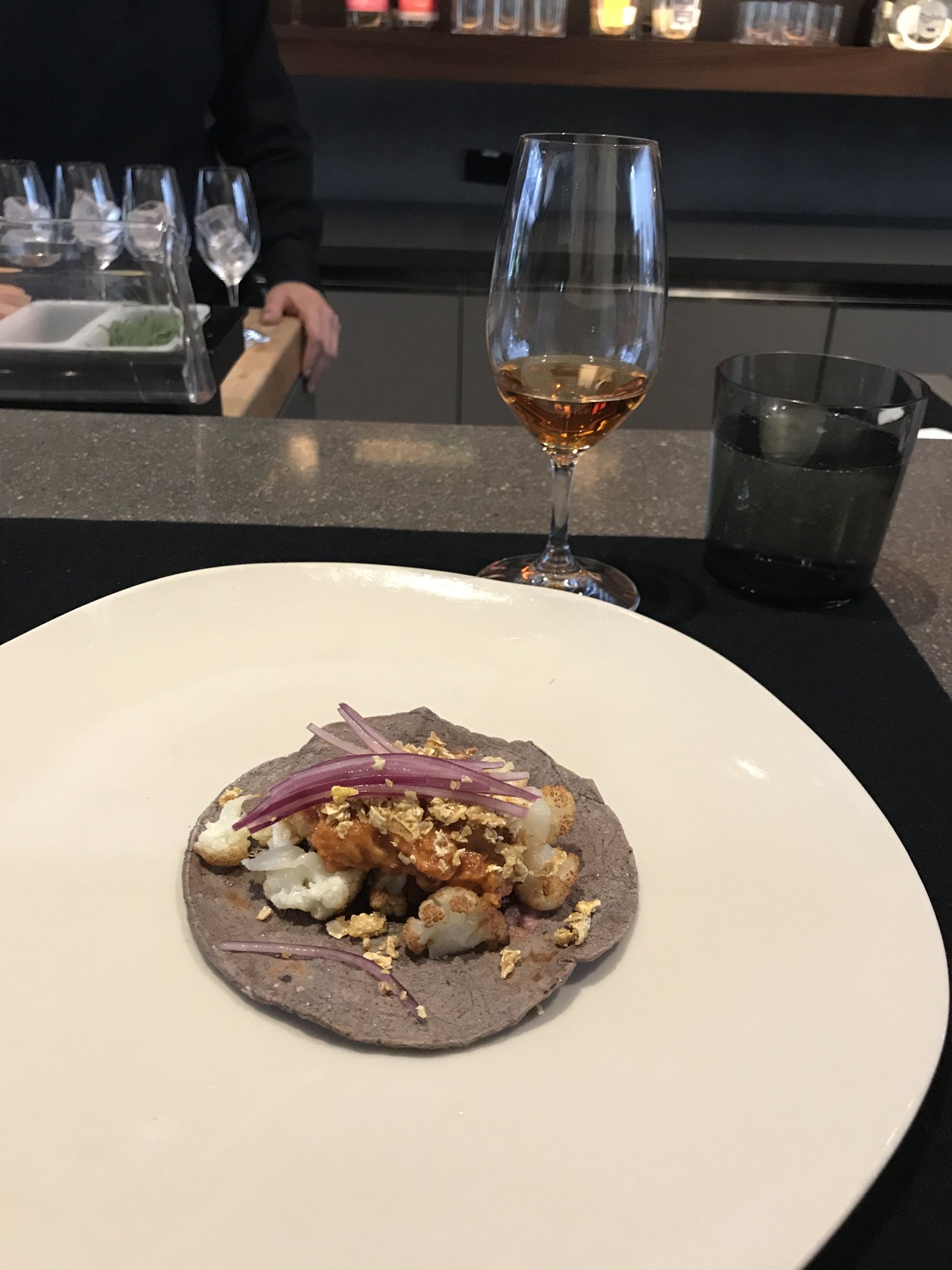
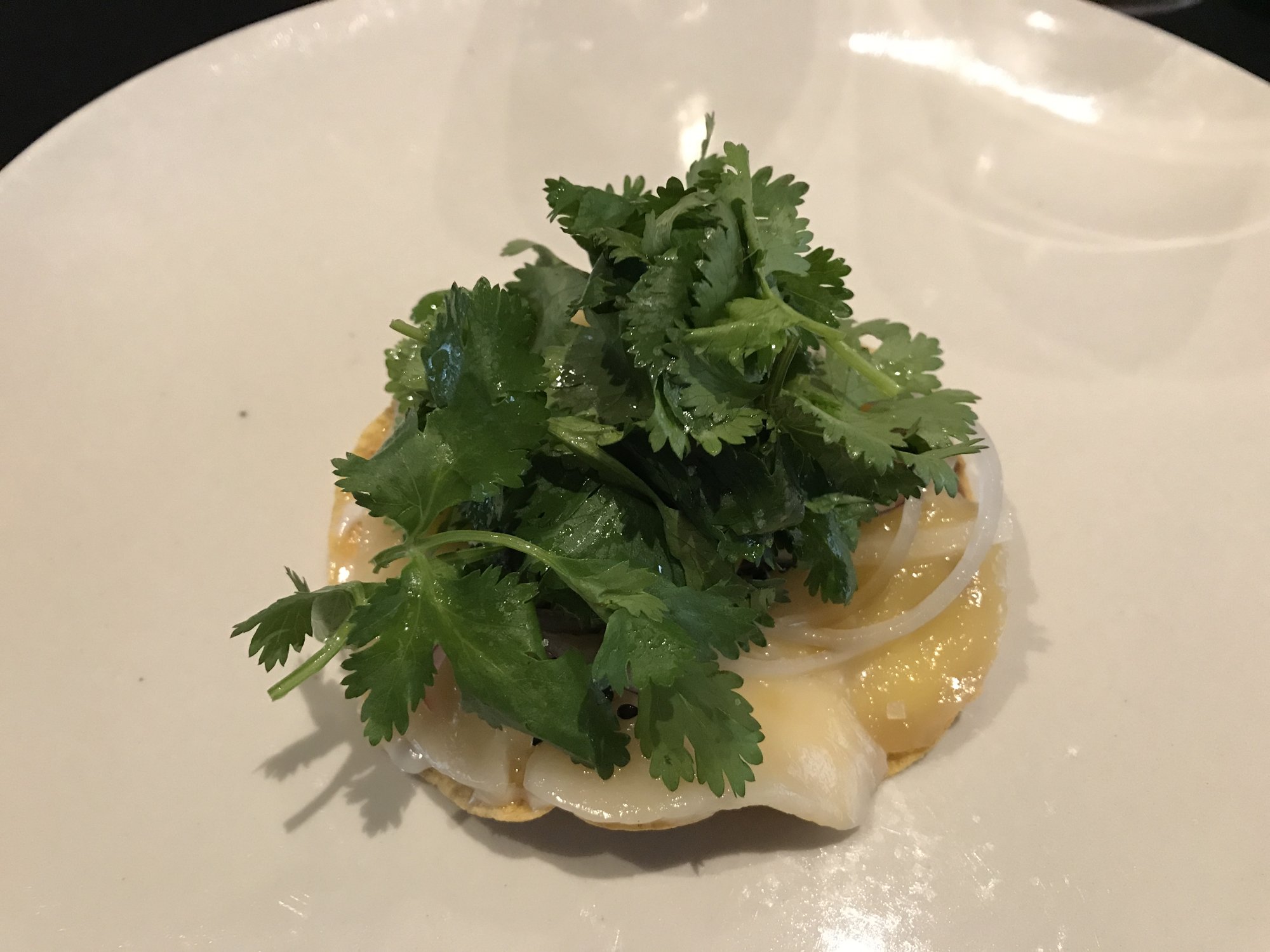
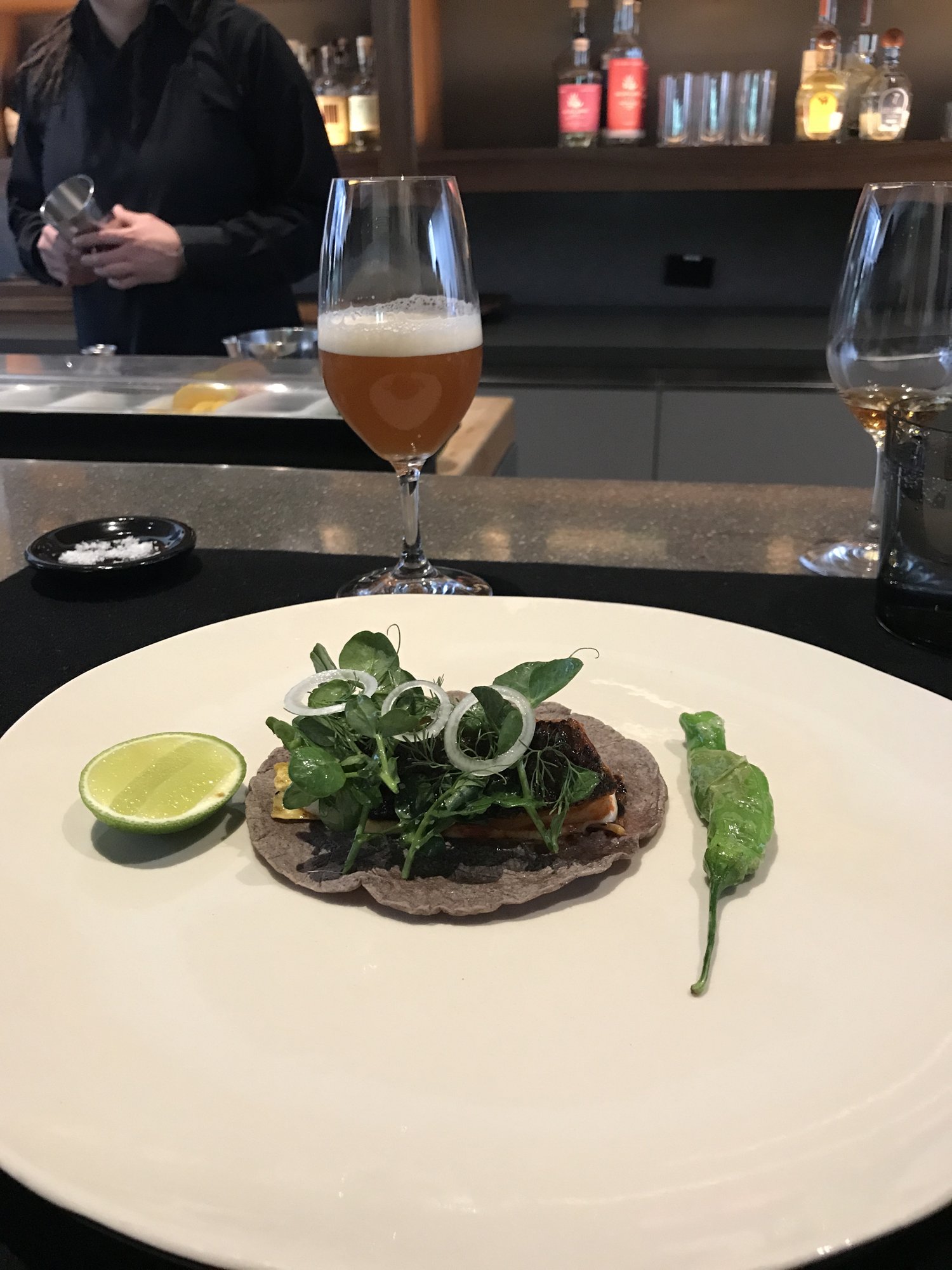
Taco omakase at Pujol’s bar: the “budget” way into one of Mexico’s most famous kitchens. The quotation marks are doing a lot of work.
Our cooking class at Casa Jacaranda started the way all good cooking does: at the market. Ours was Mercado de Medellín in Roma, a typical neighborhood mercado. Mole paste sold by the pound, chiles in every color, a whole aisle of hot sauces, and a counter where the real chefs work.
Then back to the kitchen. Masa, mole on banana leaves, and salsa ground by hand in a molcajete, the volcanic-stone mortar that has been doing this job for a few thousand years longer than your blender. Our map note says it all: excellent group cooking classes in CDMX.
Flaw: masa is harder than it looks, and it looks hard. Also, Casa Jacaranda’s kitchen is now on Calle Milán in Juárez, so check the meeting point before you go.
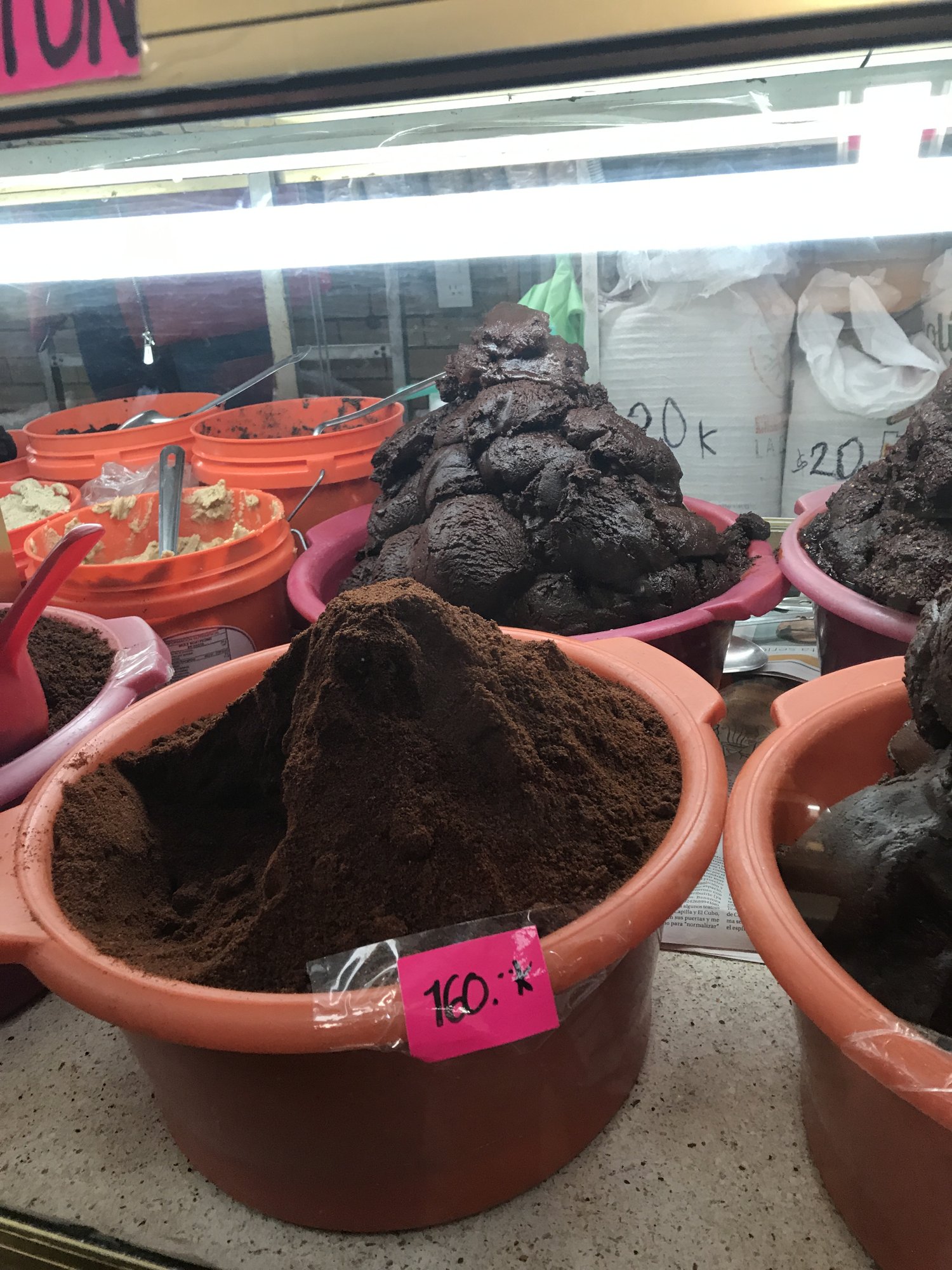
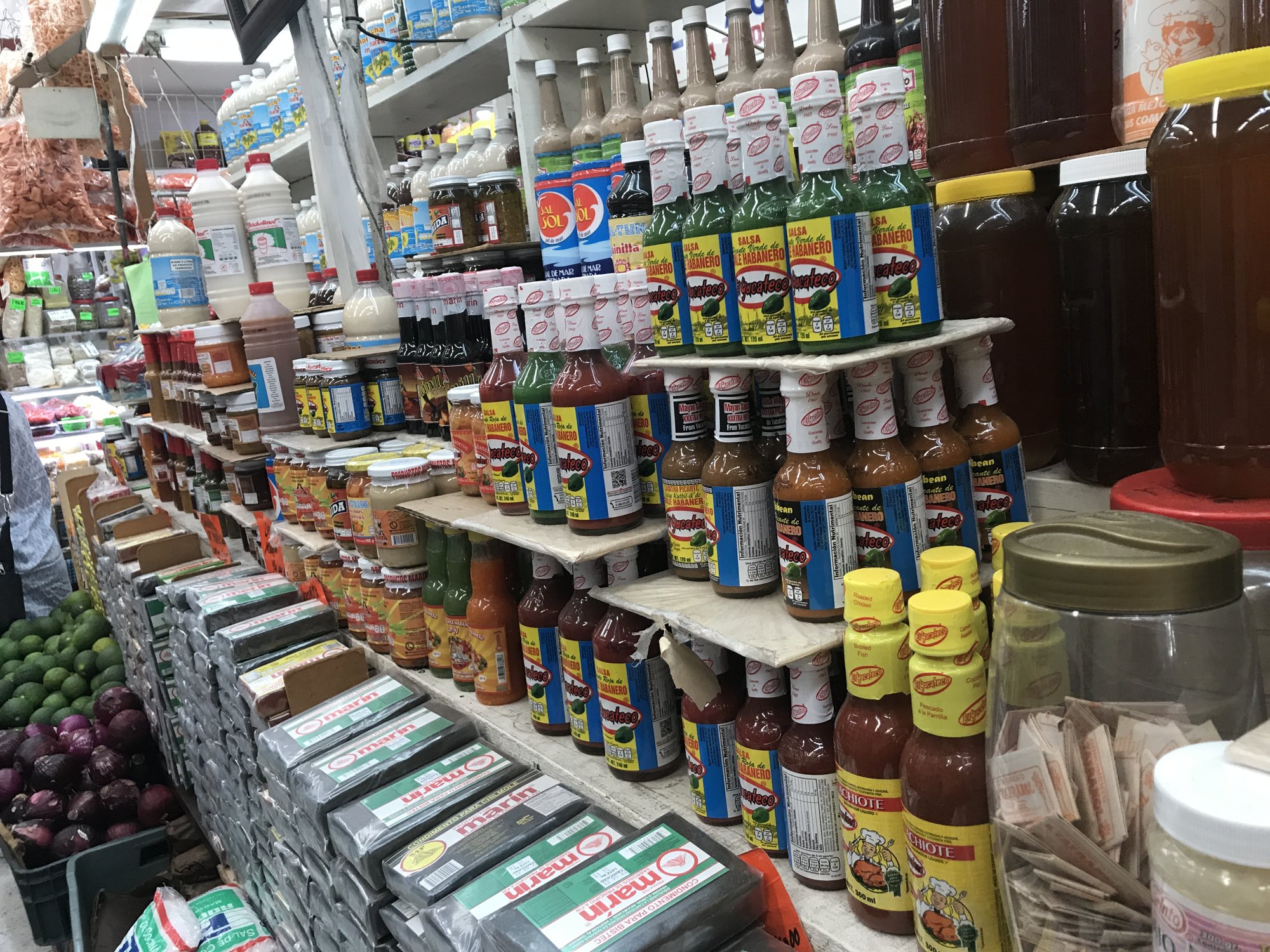
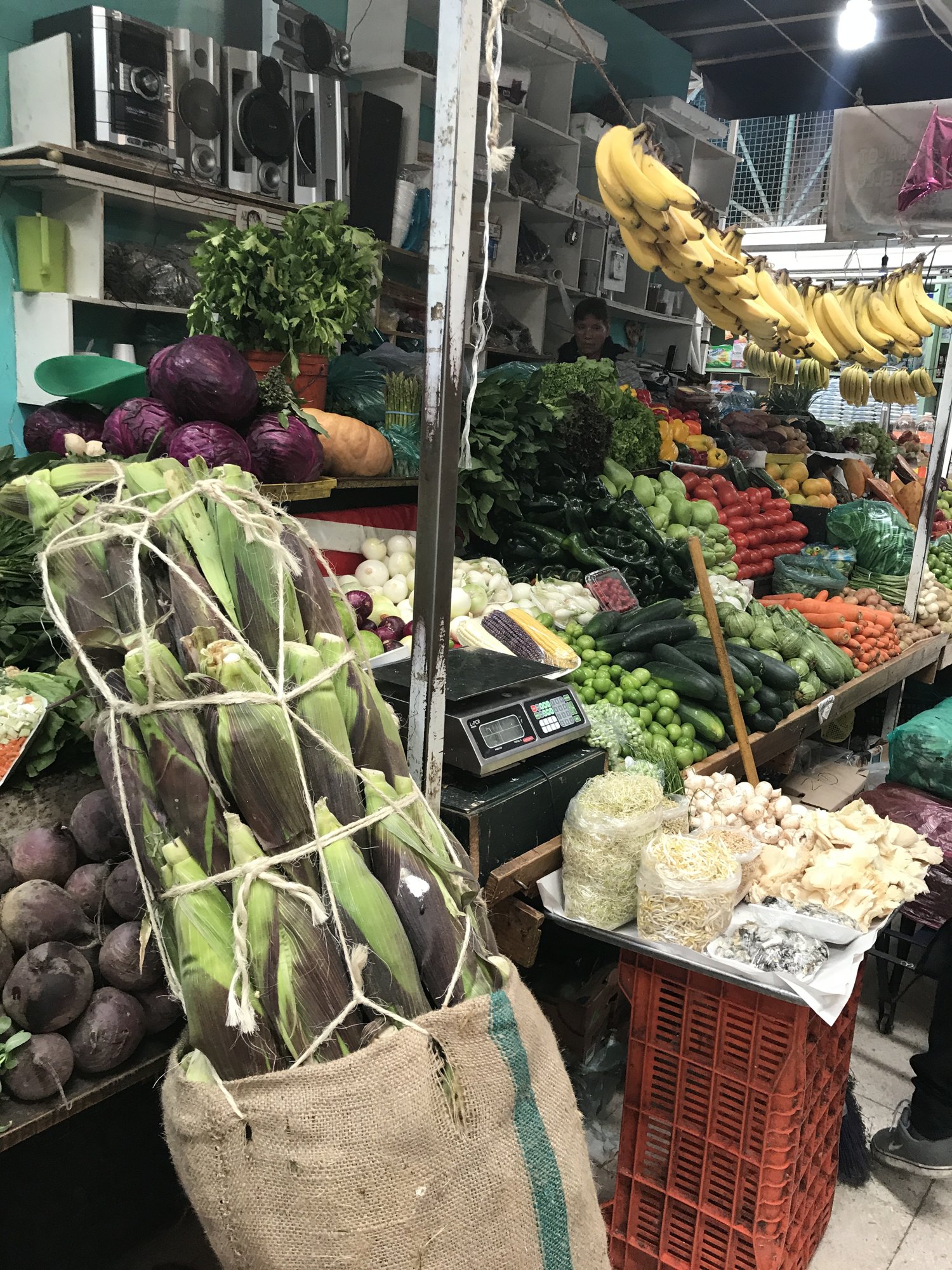
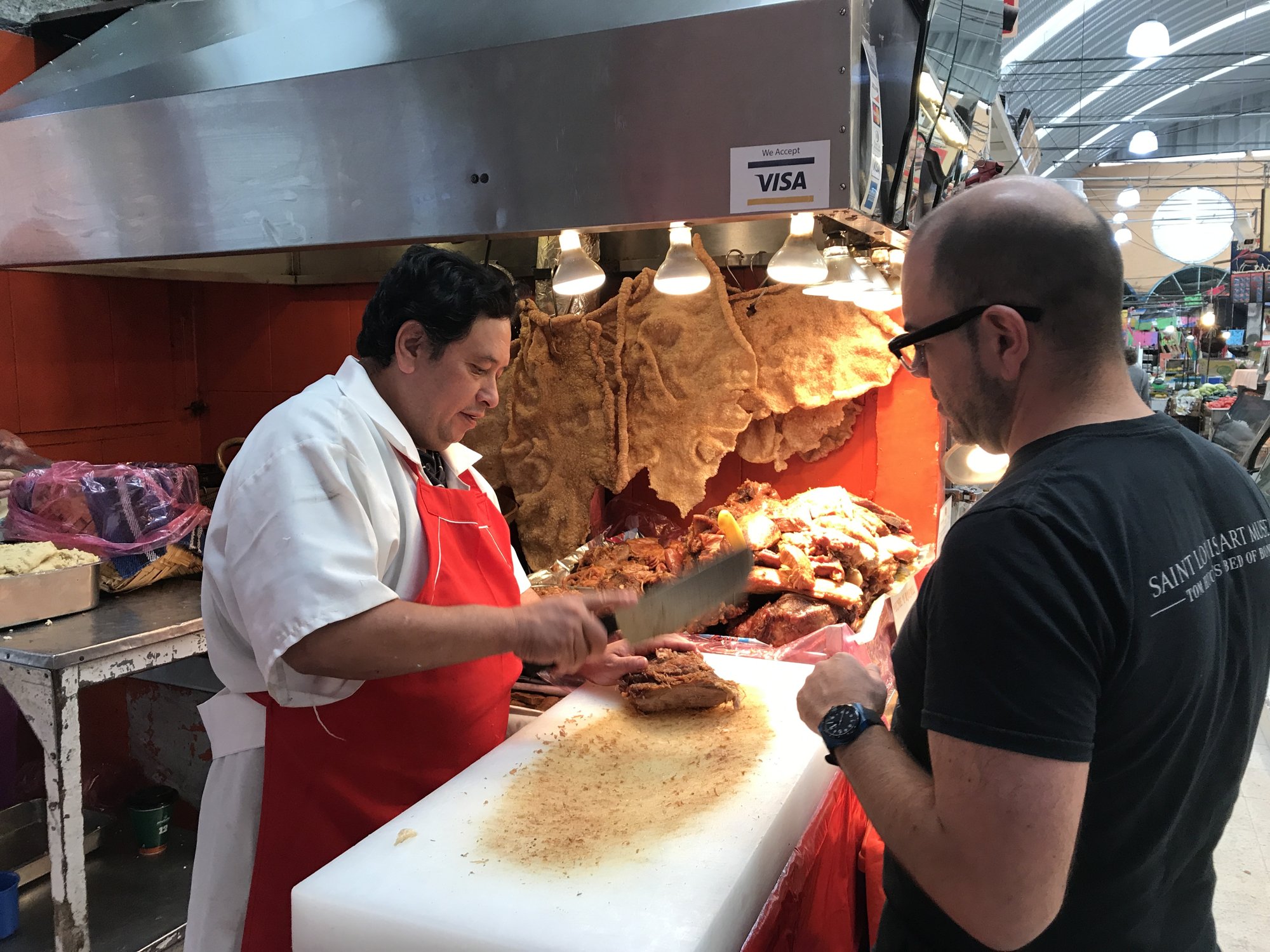
Market run before the cooking class. So many chiles, so little suitcase space.
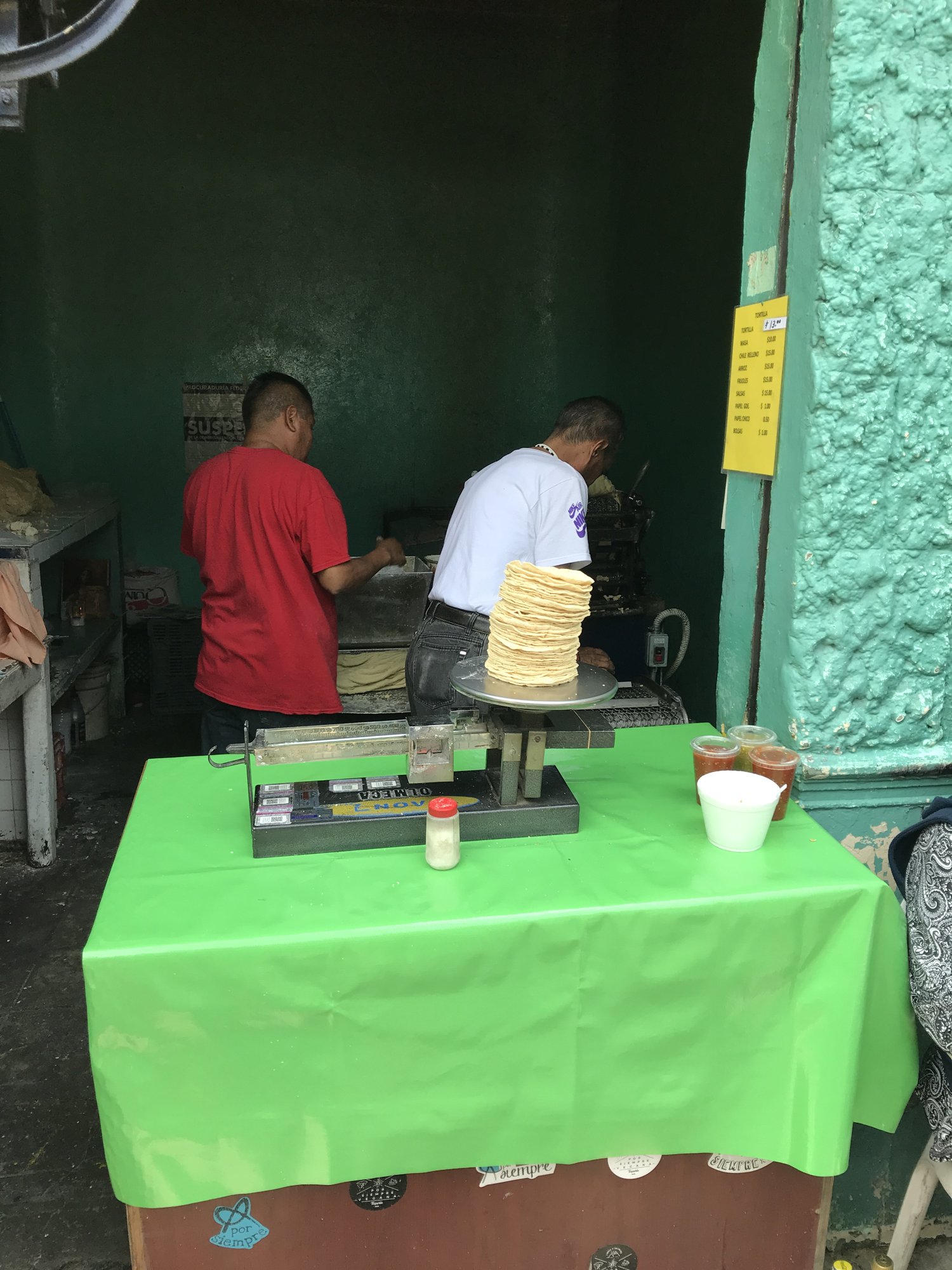
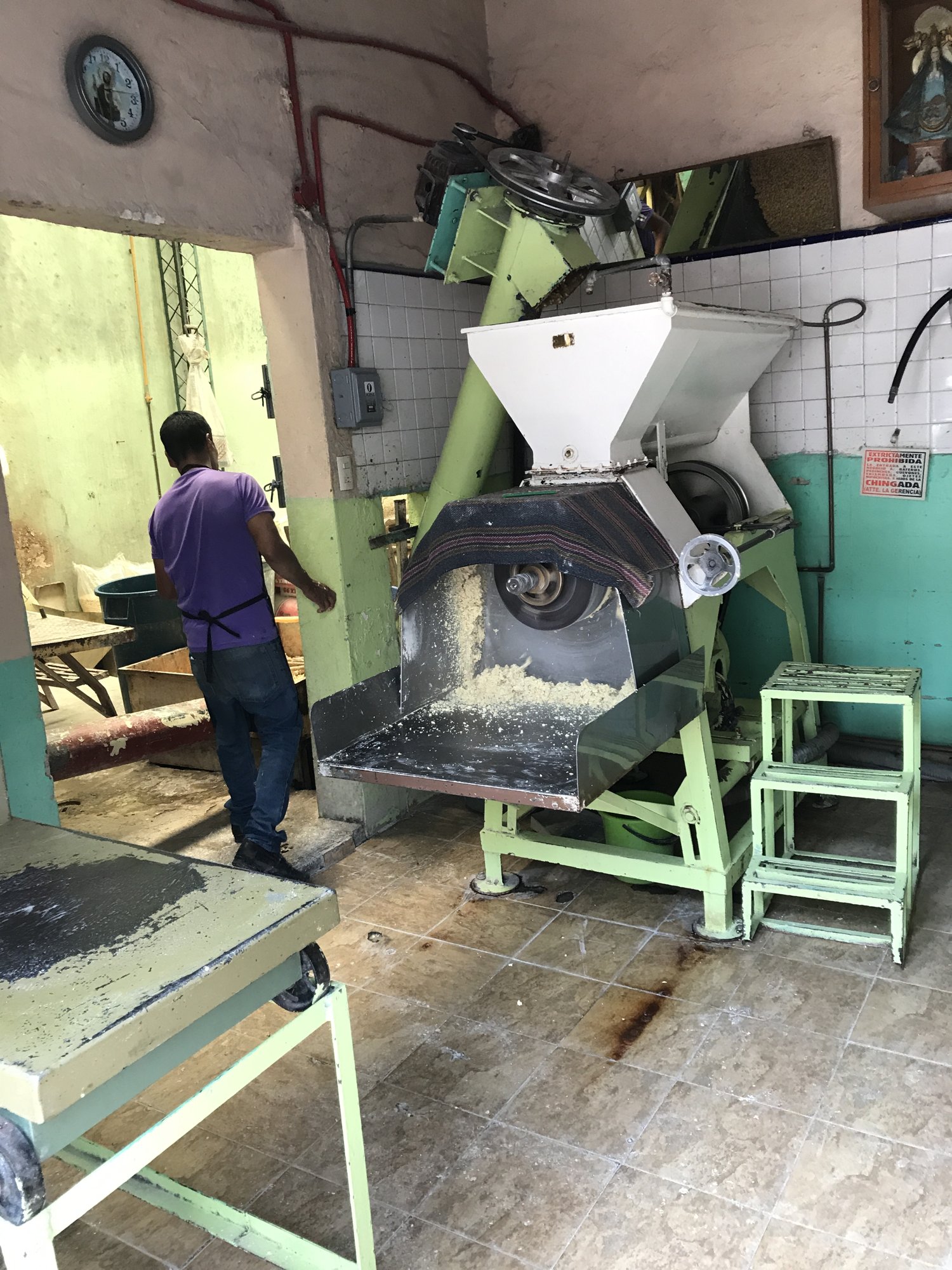
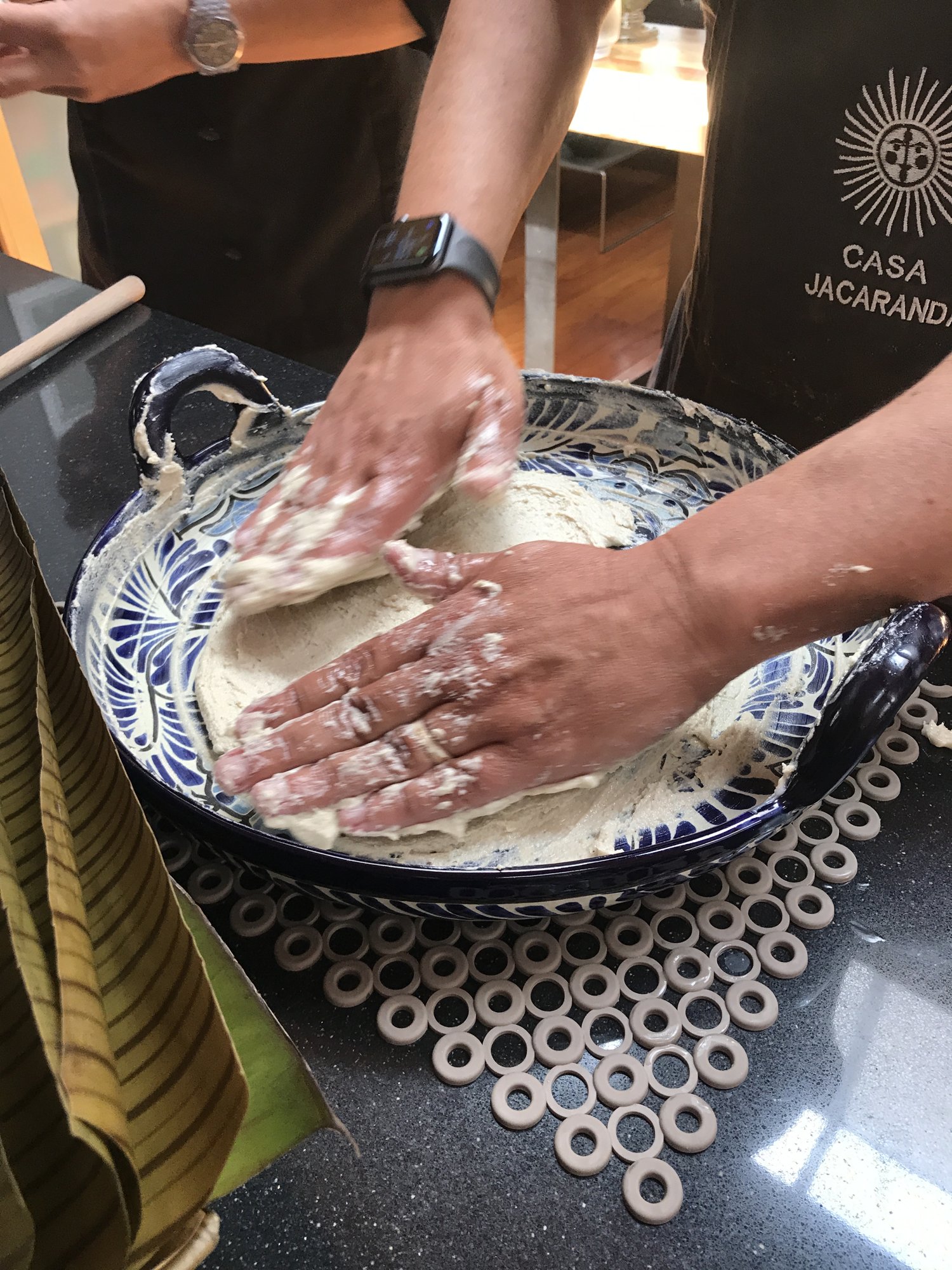
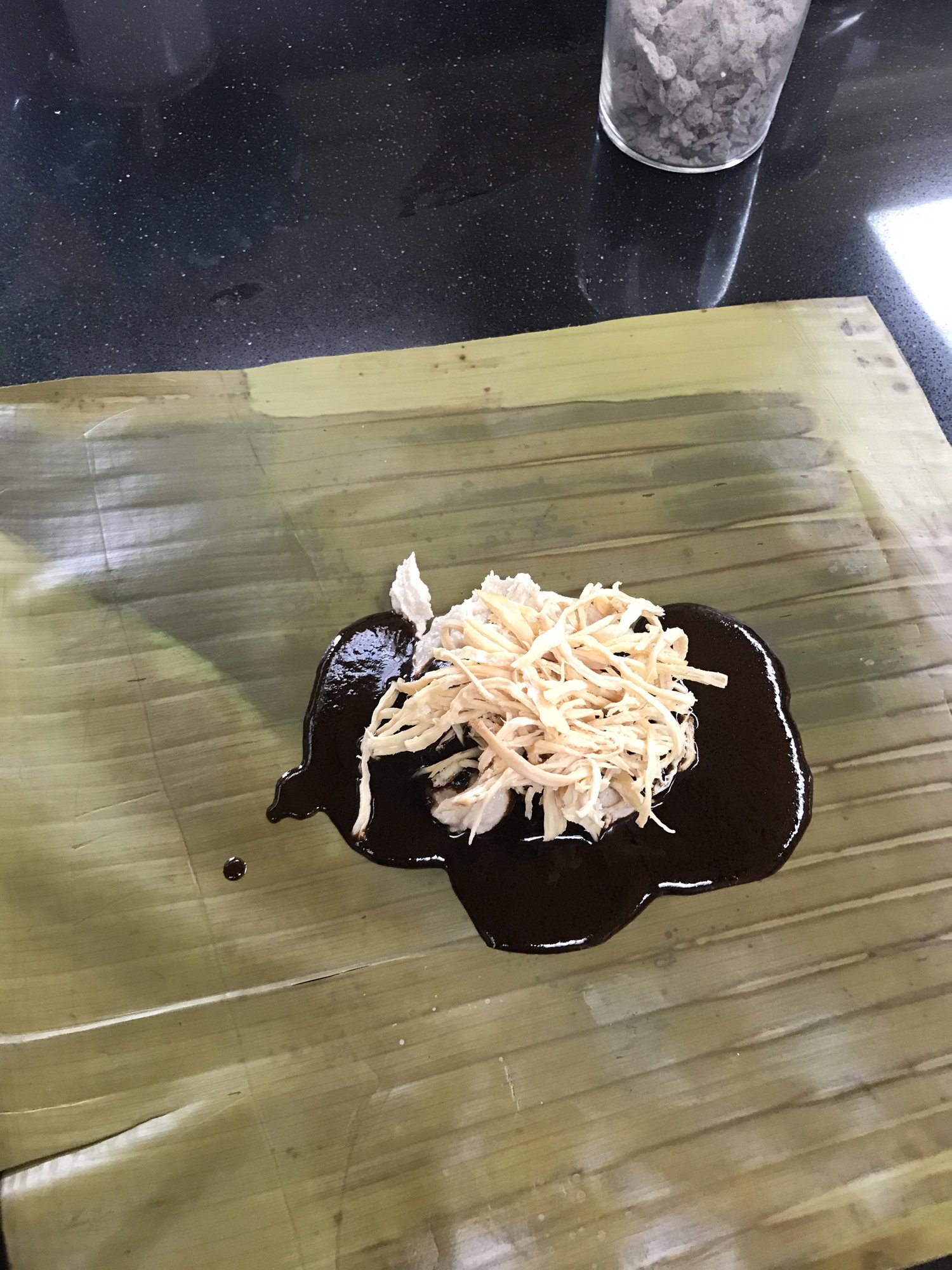
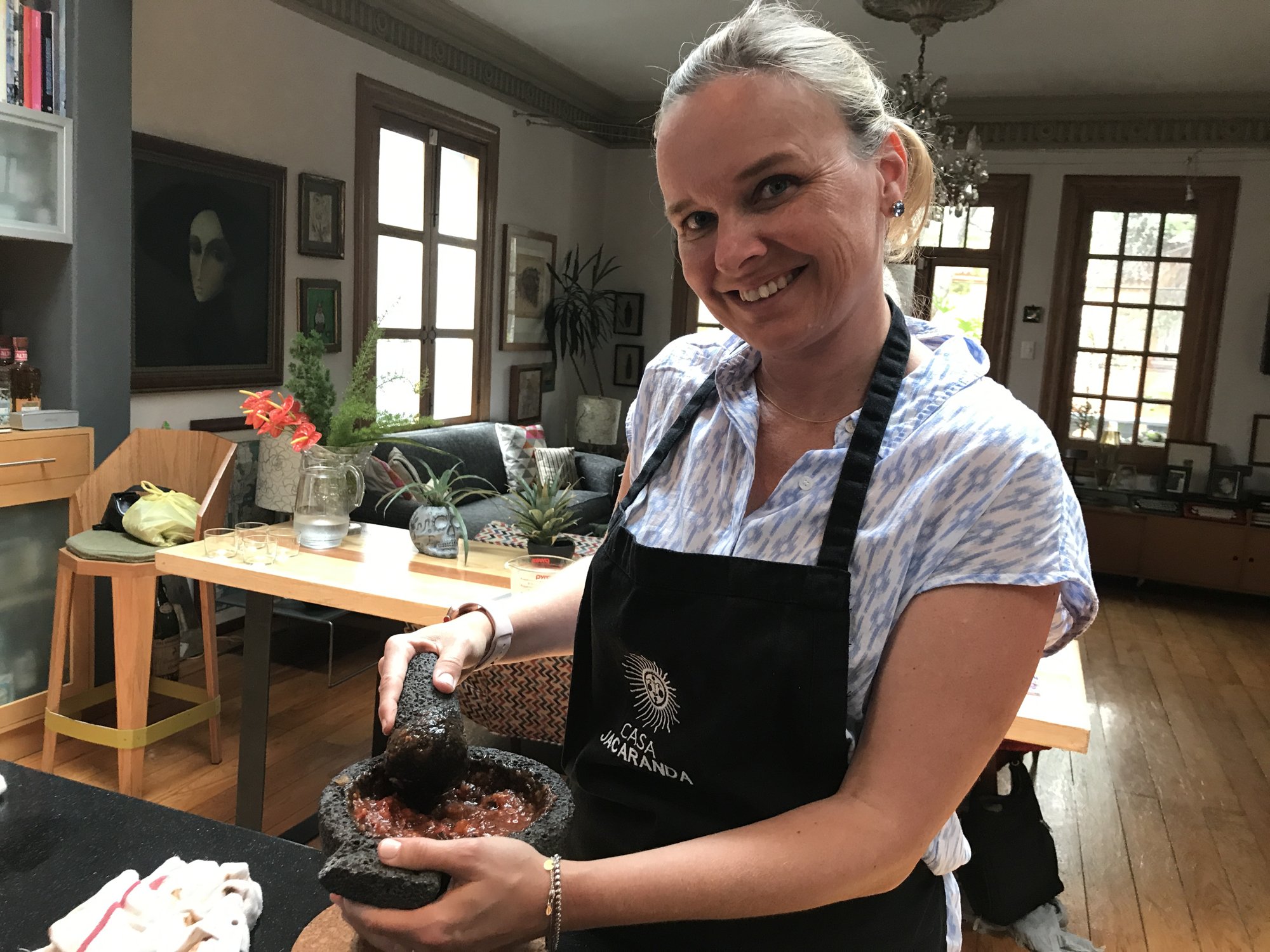
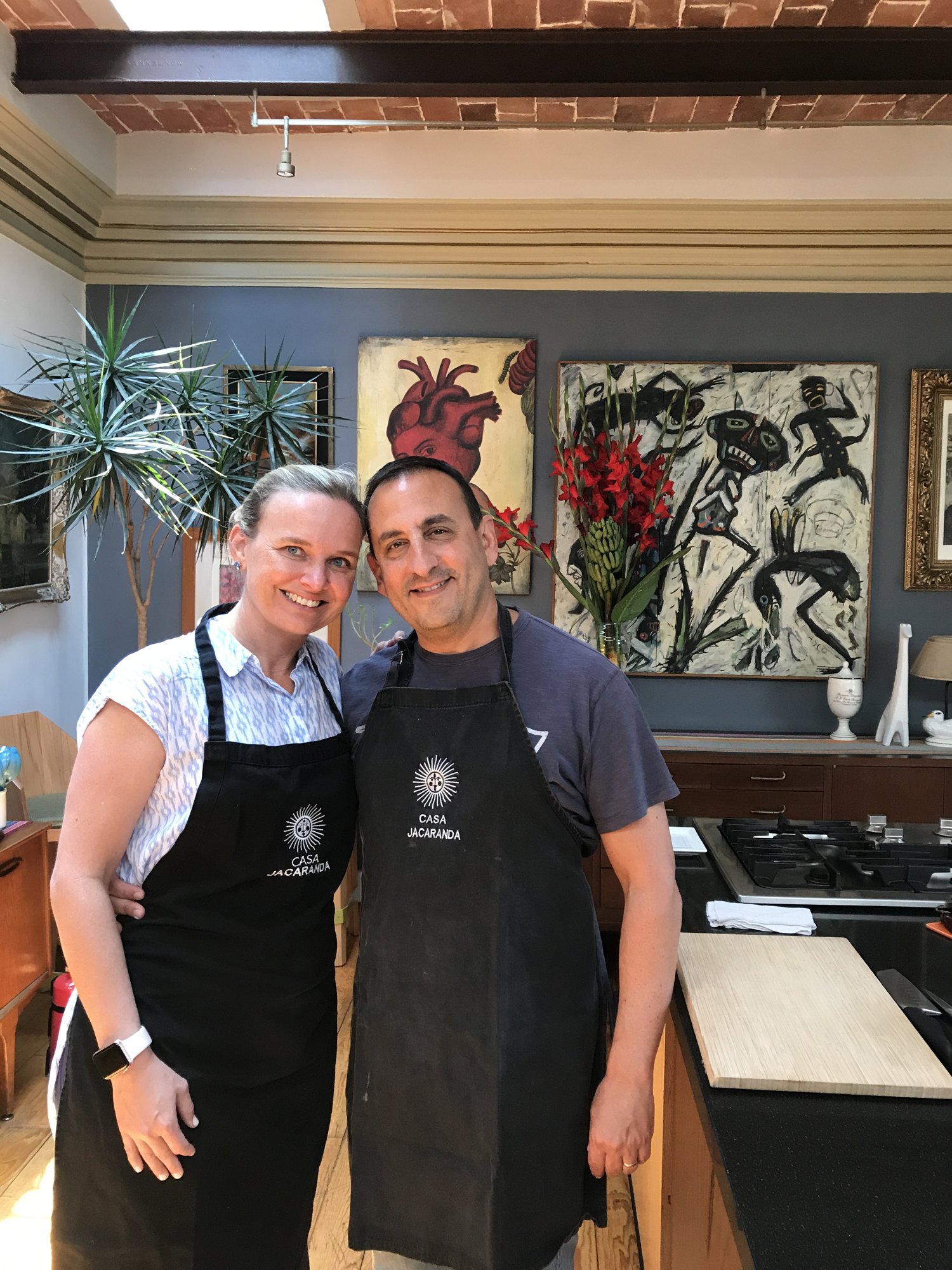
Cooking class at Casa Jacaranda: market haul in the morning, mole and tamales by the afternoon, and a renewed respect for every abuela in Mexico.
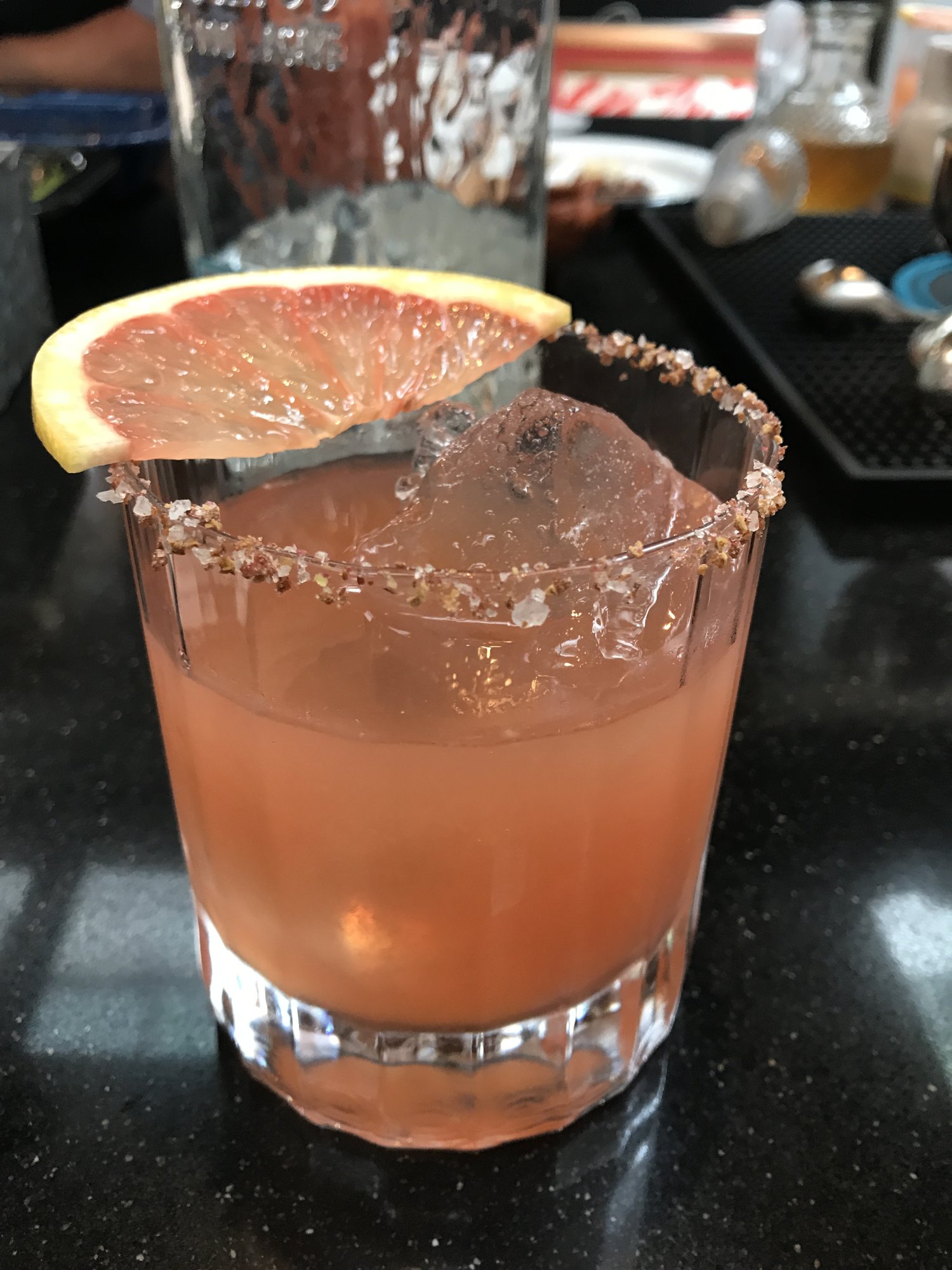
Lunch at class came with drinks, because of course it did. The paloma: tequila, grapefruit and a salted rim. If your only Mexican cocktail is a margarita, this is your upgrade. It’s tart, it’s salty, it’s gone before you notice. Grapefruit counts as a serving of fruit. We checked. (We did not check.)
Dinner that night was Comedor Jacinta in Polanco. Did we need dinner after a cooking class? No. Did we go anyway? This is a foodie trip. Keep up. For the sweet tooth: Churrería El Moro, the city’s churro institution. We went to the branch closest to the St. Regis. Churros. Not gluten free. Not sorry. And for coffee, El Minutito, because somebody has to keep the Staches upright between meals.
After Teotihuacán, lunch at Dulce Patria, chef Martha Ortiz’s restaurant in Polanco. Calories climbed, calories replaced. It has since closed, so consider this a eulogy rather than a recommendation, and a reminder to check every restaurant before you book.
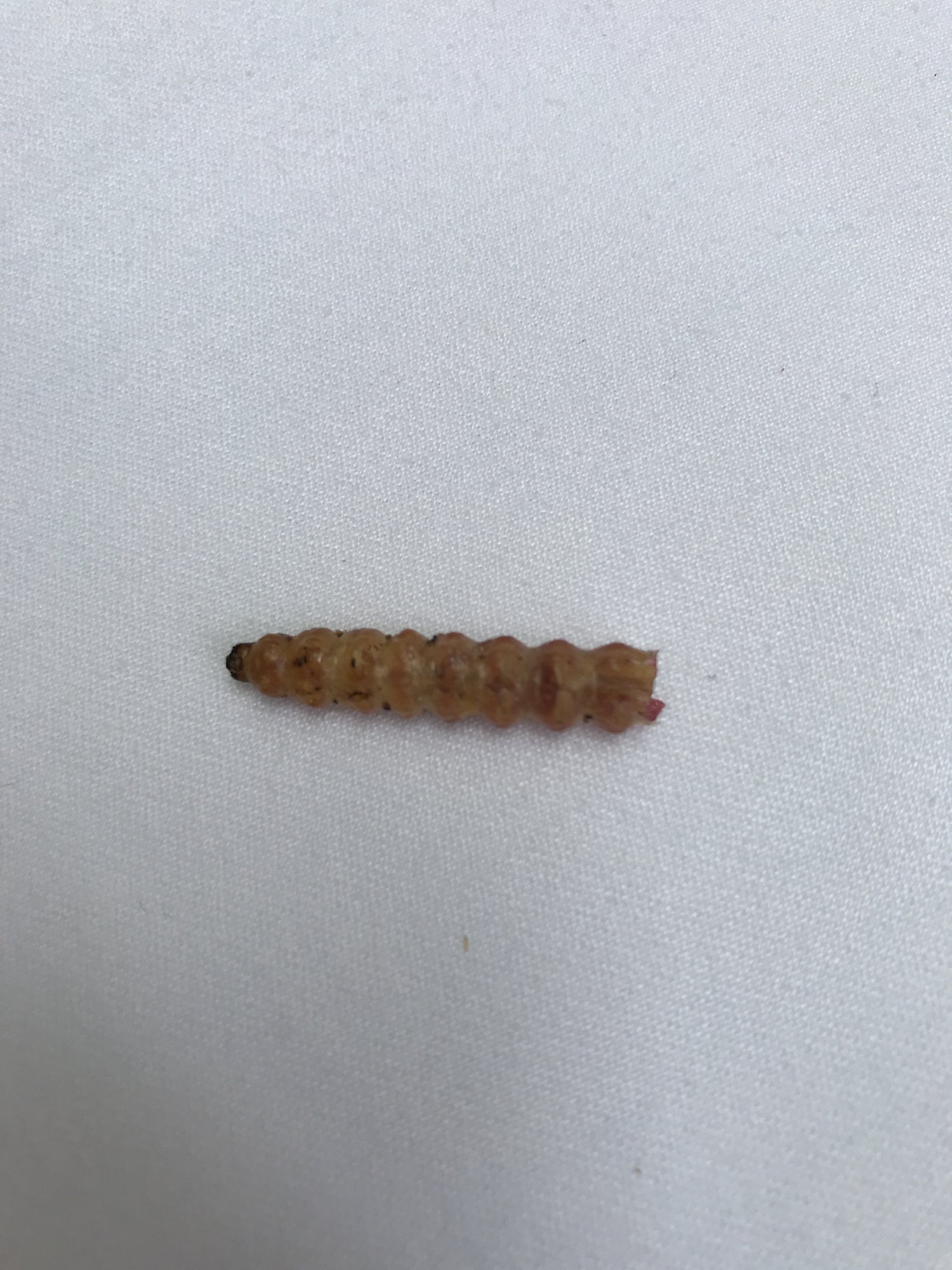
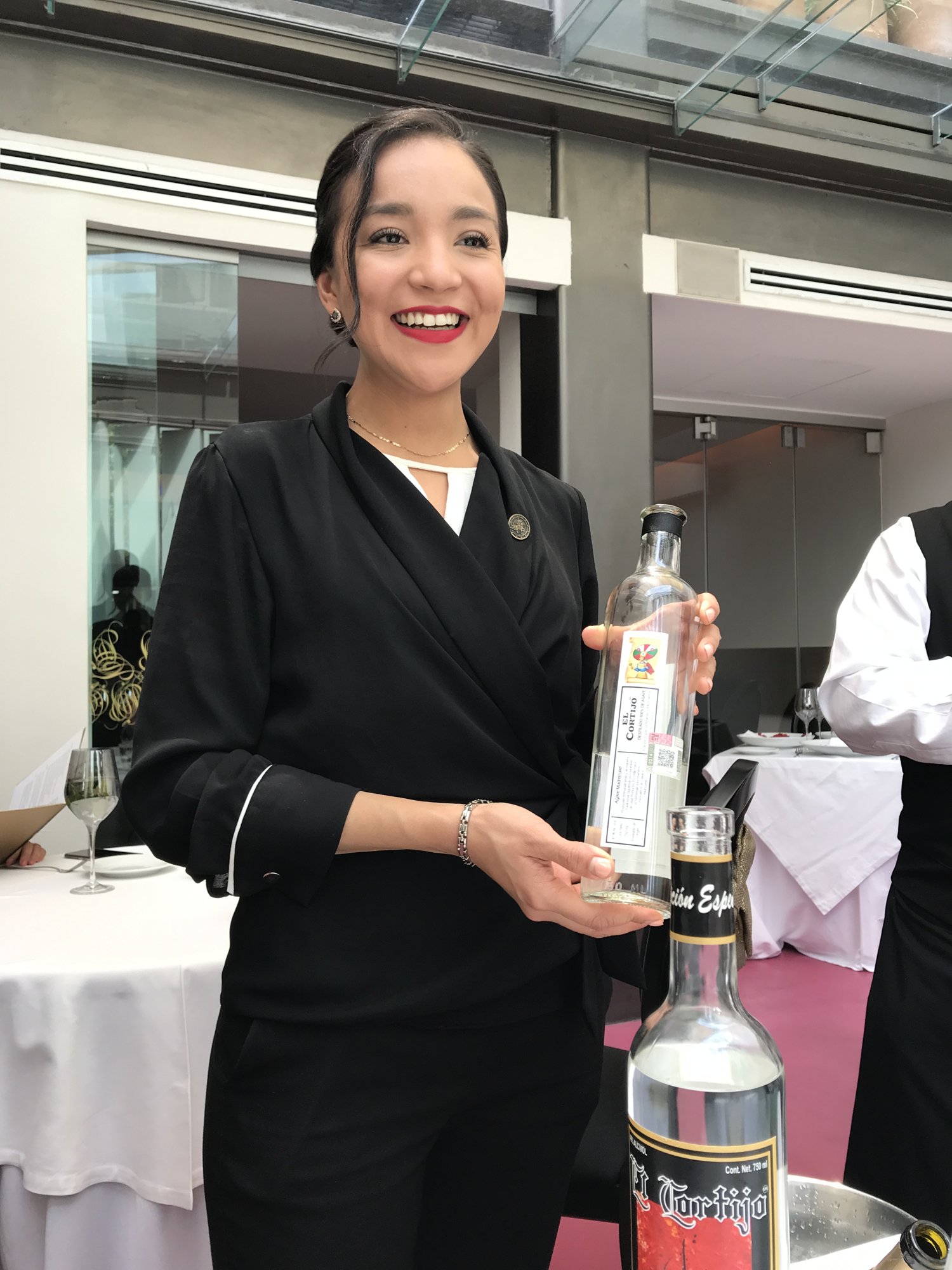
This is where we did the worm ritual: a toasted gusano de maguey, then mezcal. Yes, we did it. And it turned out to be nothing like the version you’ve heard about.
You sip it. Mezcal is not a shot. It comes in a small cup or a gourd so you can smell it first.
It comes with snacks. The classic is an orange slice dusted with sal de gusano, a salt of toasted agave worms ground with chile. Bite the orange, then sip. Toasted grasshoppers and a spicy chaser often show up too.
The worm is food. It’s a moth larva that lives in the agave plant, and it’s eaten toasted as a delicacy. Eaten off a plate, then a slow sip of mezcal: that’s the real thing.
And tequila never has a worm. Mexico’s rules reportedly forbid adding insects or larvae to tequila. Worm-in-the-bottle mezcal does exist, mostly from Oaxaca, but it’s a small slice of the market and nobody agrees on how it started. The “tequila worm” dare is a gringo invention twice over.
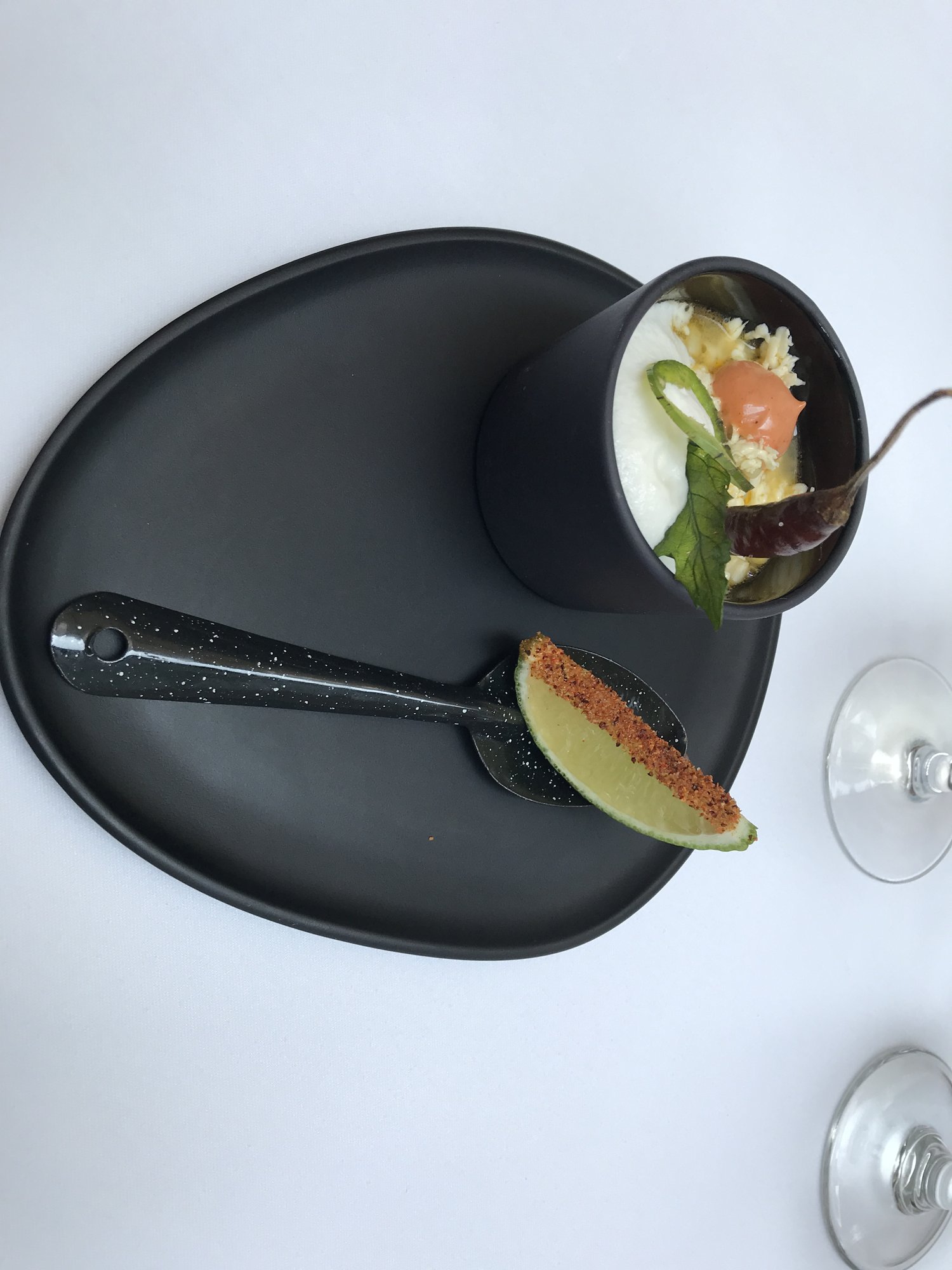
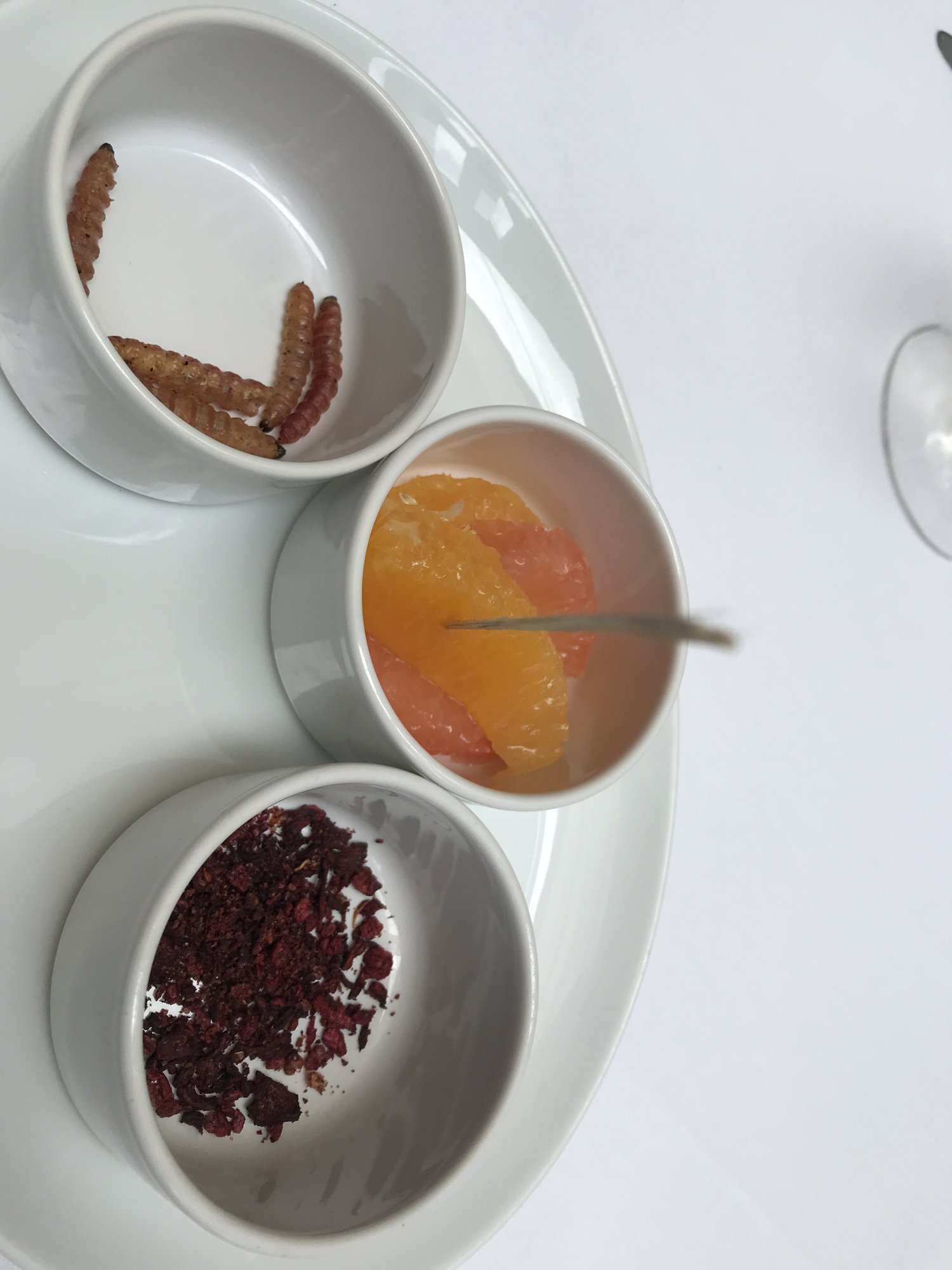
Dulce Patria after Teotihuacán. Calories climbed, calories replaced. It has since closed, which is exactly why we tell you to go find the new places.
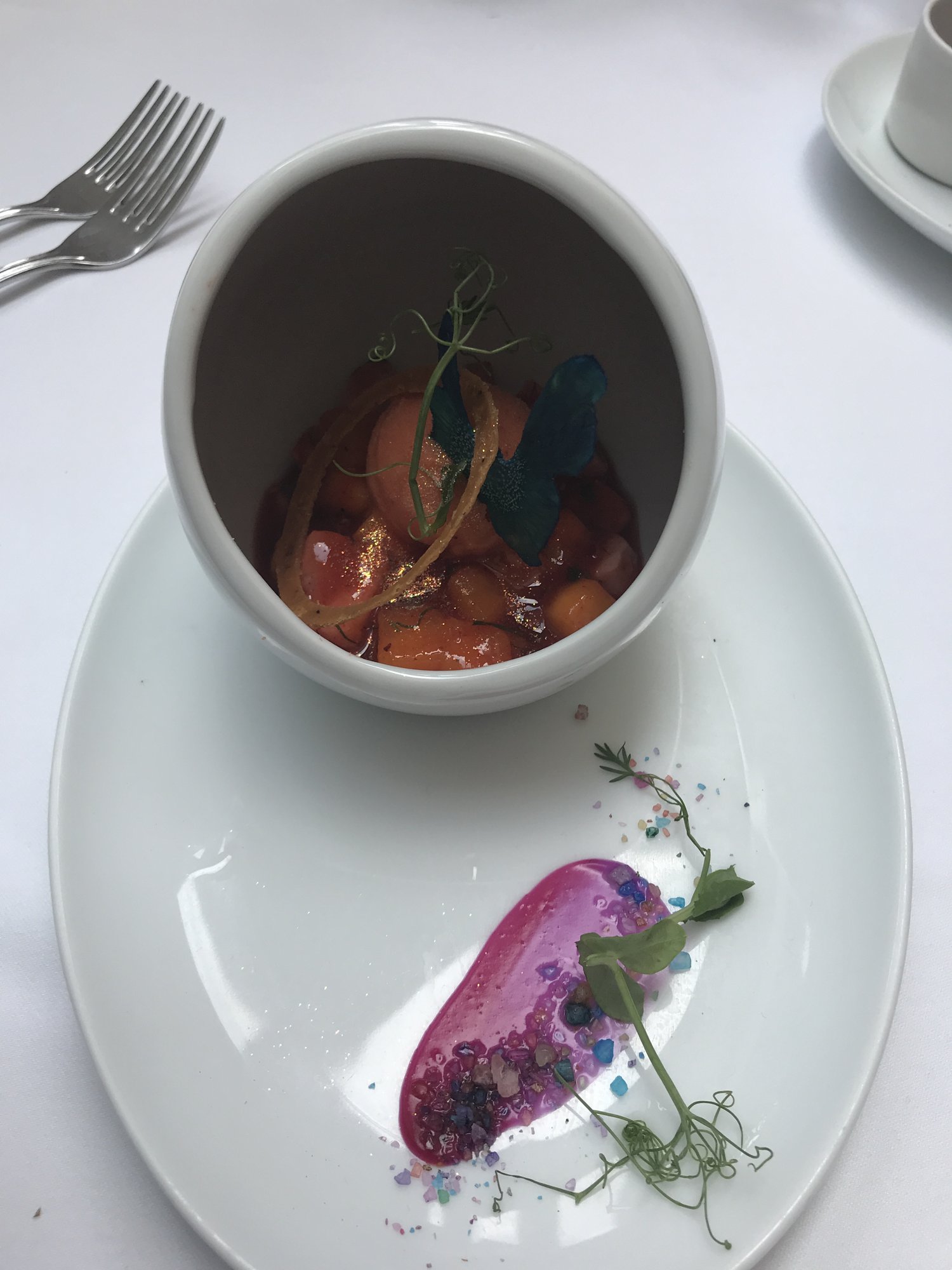
Quintonil was the other standout. Our map note from years ago said we were hoping it was still stellar. It is. Chef Jorge Vallejo’s Polanco restaurant now holds two Michelin stars and was named No. 3 on The World’s 50 Best Restaurants list for 2025. Translation: book well ahead, and expect to pay accordingly.
Flaw: it is a long lunch. Ours ran most of the afternoon. Clear the schedule, and do not book anything that requires you to be upright and alert afterward.
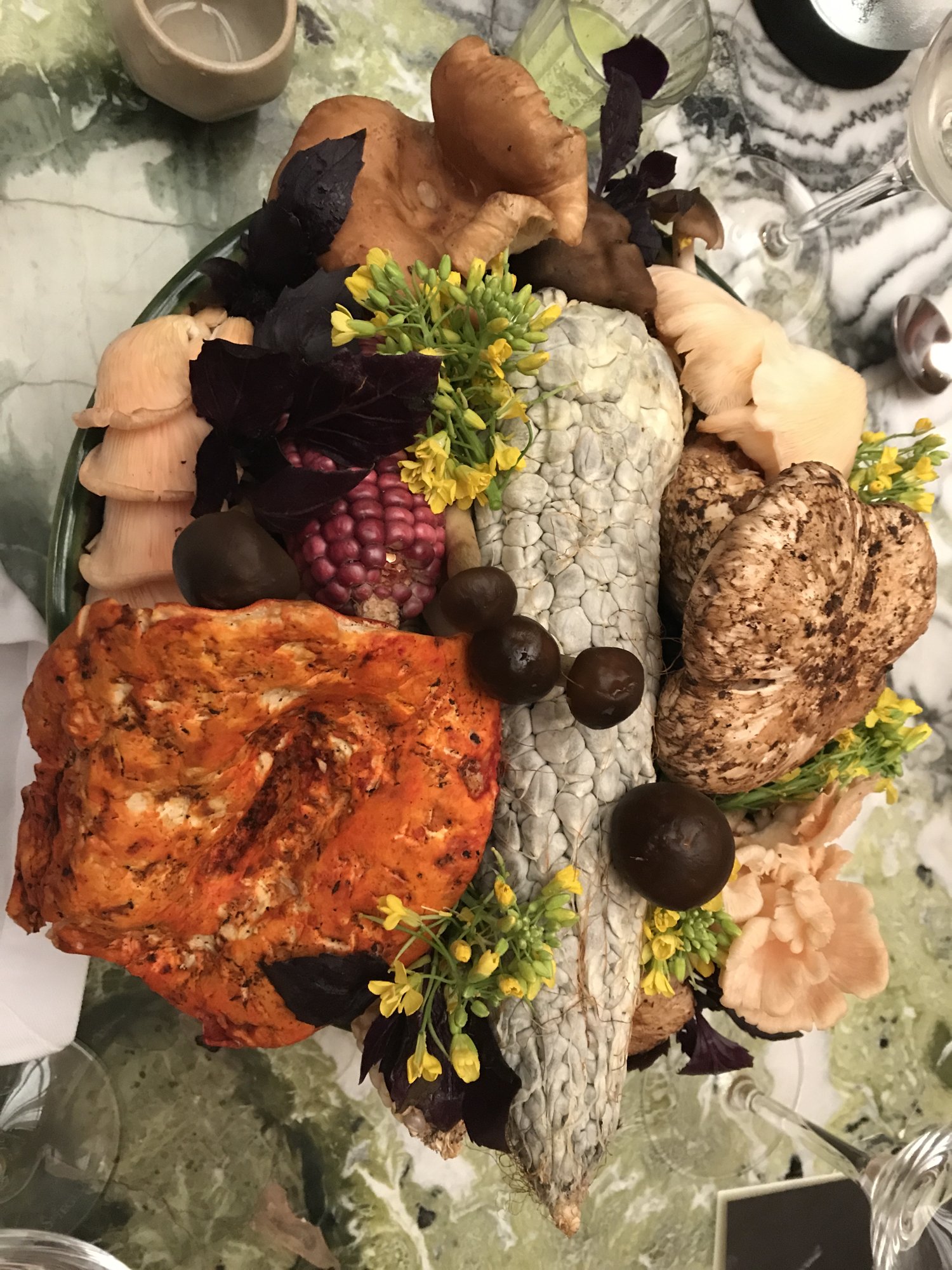
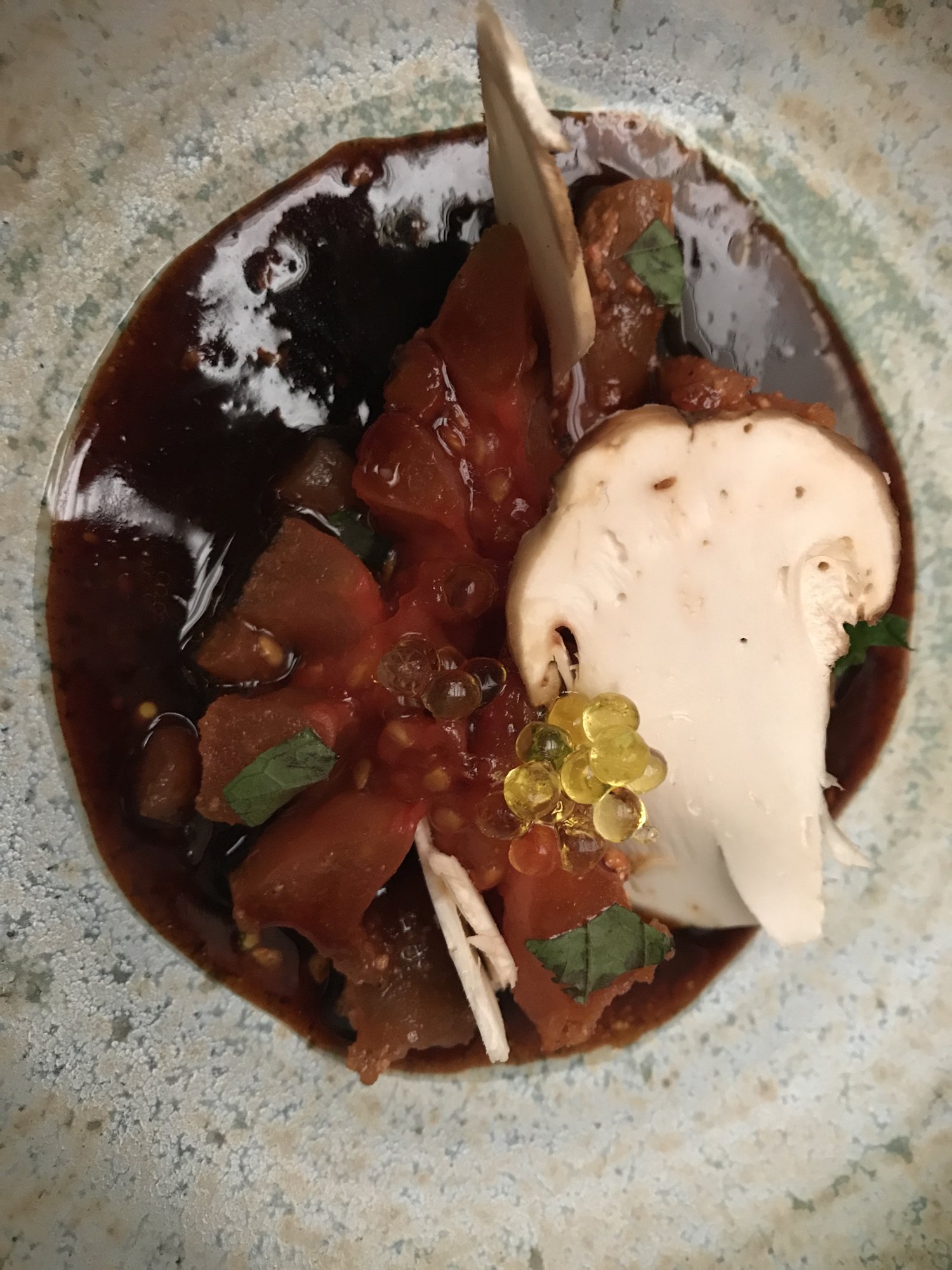
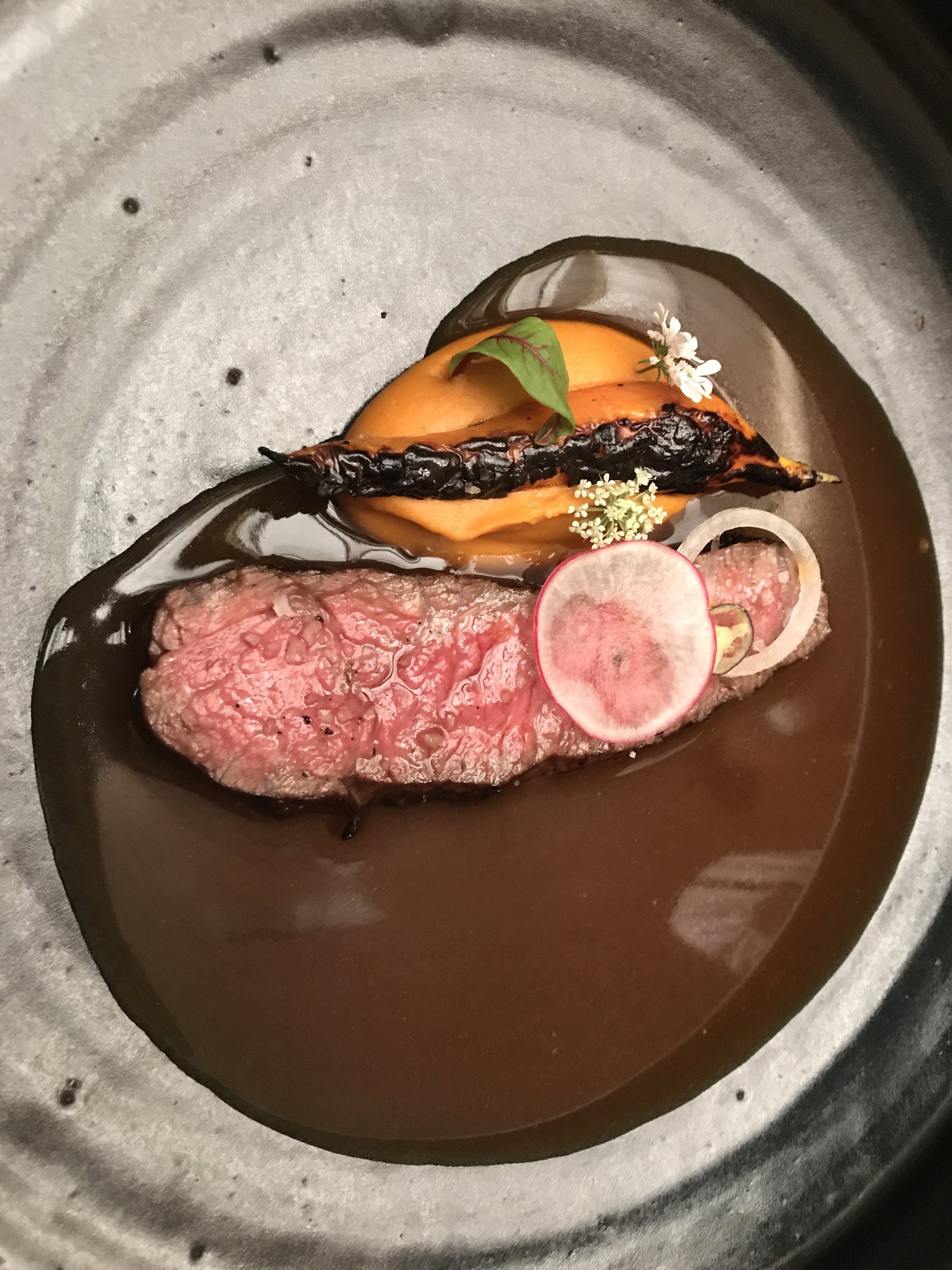
Quintonil: one of the many meals that made this trip.
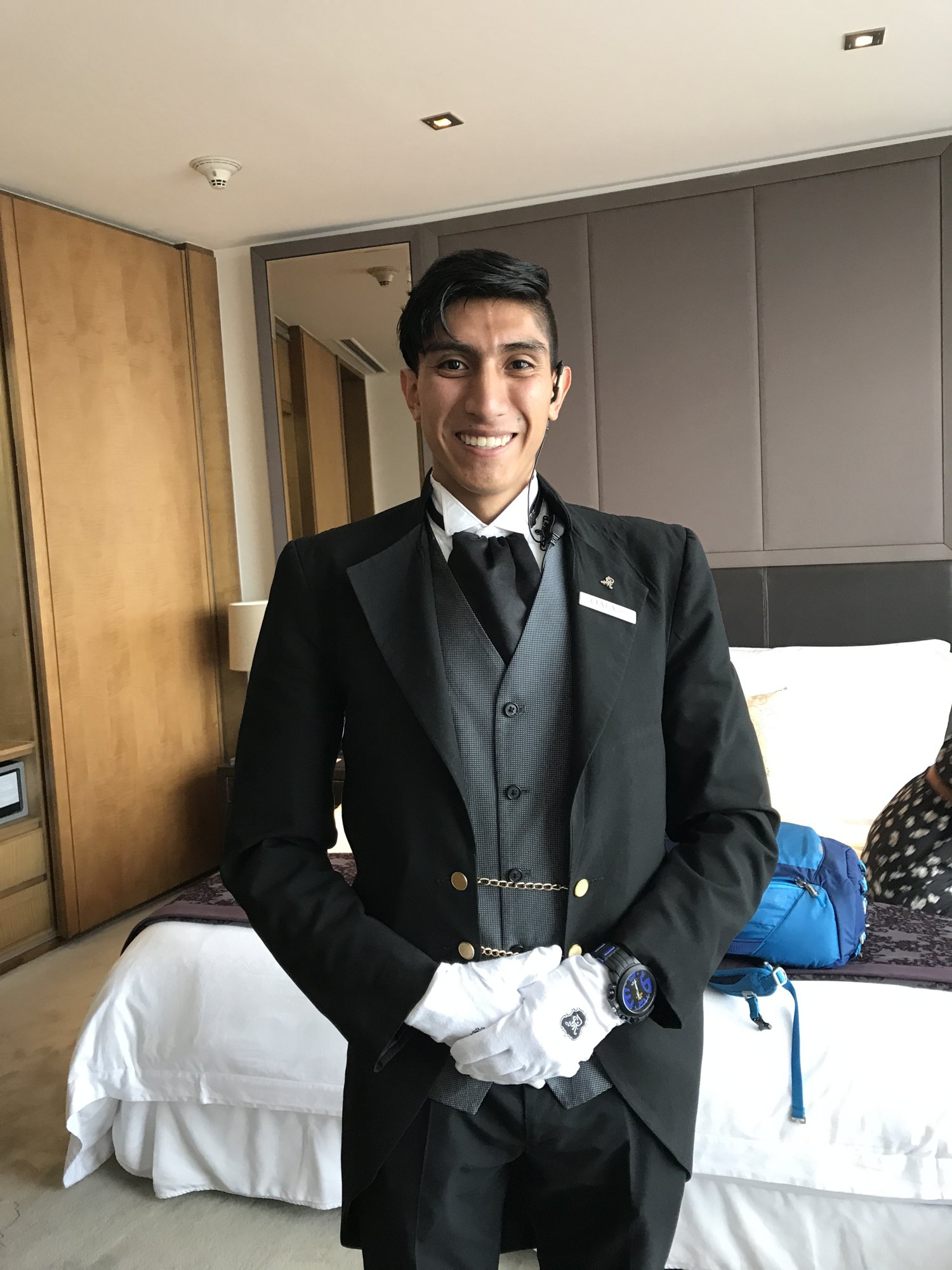
The St. Regis Mexico City, on Paseo de la Reforma. Excellent hotel, and our first butler experience. It is the property that set our bar for the whole brand, and years later it’s the reason we went looking for a St. Regis on Florida’s Gulf Coast. (That one got its own review.)
The hotel also booked our private drivers, which mattered more than the thread count. See Getting Around.
Flaw: Reforma is great for the park, the Ángel and Polanco, but the Centro Histórico is a drive, not a stroll. Fine, because you’re taking a vetted driver anyway. If we went back today, we’d also look hard at the JW Marriott Polanco: newly renovated and facing the park.
Use private, vetted drivers. Period.
Arrange a private, reputable transfer from Mexico City International Airport before you land, preferably through your hotel. We booked our drivers through the St. Regis, and we’d do it again. Even then, see The Gripe: a vetted driver will still try to show you his cousin’s “tequila factory.”
And remember Sunday mornings: Reforma closes to cars from 8 a.m. to 2 p.m. Walk it. Don’t drive it.
Mexico City is one of the great food cities in the world, and it’s a short flight from most of the U.S. It’s also a megacity with real risks, real graft and real altitude. Go in with your eyes open and your watch in the safe, and it will feed you very, very well. It fed us so well that we went looking for more and ended up in Lima.
Hire the driver. Order the escamoles. Sip the mezcal, don’t shoot it. Skip Garibaldi after dark. Then go find the new places, and tell us about them.
Places we’ve researched and are saving for the next trip. Vetted, not visited. We’ll report back.
Culture: the Museo Frida Kahlo in Coyoacán, the Museo Mural Diego Rivera, and Xochimilco. Xochimilco is very touristy, but floating its canals is a great way to understand how Tenochtitlan may have looked.
Eating and drinking: Contramar, the seafood lunch that’s been a CDMX ritual since 1998; Ryoshi Masaryk, very highly rated; plus Voraz, El Cardenal Alameda, Casa Prime, Oaxaquito, Mochomos Mitikah, Amatista Tostadas, Loretta Chic Bistrot, Hugo, Gaba, Maizajo, Mal de Cruz, Rústico Bakery & Coffee, Sede Café, Gin Gin Polanco, El Turix, Masala y Maíz, Esquina Común, Panadería Rosetta, Tacos del Valle, Expendio de Maíz, Máximo and El Hidalguense. It’s a long list. It’s a long trip. Every one is pinned on our CDMX Wander Map.
No kick-backs for links. Ever.
 The St. Regis Mexico City
On Paseo de la Reforma. Our first butler experience, and the hotel that booked our drivers.
Official site →
Find it on the map →
Pujol
Enrique Olvera’s flagship in Polanco. Go for the taco omakase at the bar.
Official site →
Find it on the map →
Quintonil
Still stellar: two Michelin stars and No. 3 on The World’s 50 Best Restaurants 2025. Book ahead.
Official site →
Find it on the map →
Rosetta
An excellent tasting experience in a Porfiriato-era mansion in Roma Norte.
Official site →
Find it on the map →
Comedor Jacinta
Dinner in Polanco, the night of the cooking class.
Official site →
Find it on the map →
Dulce Patria
Martha Ortiz’s Polanco restaurant, where we did the worm ritual. Closed.
Official site →
Find it on the map →
Casa Jacaranda
Excellent group cooking classes, starting at the market. Now on Calle Milán in Juárez.
Official site →
Find it on the map →
Mercado de Medellín
A typical neighborhood mercado in Roma. No website of its own; this is the city’s tourism page.
Official site →
Find it on the map →
Churrería El Moro
The city’s churro institution. We went to the branch closest to the St. Regis.
Official site →
Find it on the map →
El Minutito
Coffee, in Juárez.
Official site →
Find it on the map →
Templo Mayor
The great temple of Tenochtitlan, just off the Zócalo. Walk the site, then the museum.
Official site →
Find it on the map →
Catedral Metropolitana
On the Zócalo, built beside the temple it replaced.
Official site →
Find it on the map →
The Zócalo
The city’s main plaza. Dancers, drums and cleansing ceremonies. Kitschy, and we fell for it.
Find it on the map →
Bosque de Chapultepec
The city’s enormous park, between Reforma and Polanco. Impressive, and it felt safe.
Official site →
Find it on the map →
Chapultepec Castle (Museo Nacional de Historia)
The history museum on the hill in Chapultepec. Wear real shoes.
Official site →
Find it on the map →
Museo Soumaya
An excellent private museum of historical items and art in Polanco.
Official site →
Find it on the map →
Ángel de la Independencia
The centerpiece of Paseo de la Reforma, which closes to cars Sunday mornings, 8 a.m. to 2 p.m.
Find it on the map →
Teotihuacán
Vast pre-Columbian ruins about an hour northeast of the city. Go early, with a driver.
Official site →
Find it on the map →
Arena México
Lucha Libre, home of CMLL. Where we spent our anniversary.
Official site →
Find it on the map →
Palacio de Bellas Artes
The marble theater with the Tiffany glass curtain. Be careful at night.
Official site →
Find it on the map →
Ballet Folklórico de México
She-Stache’s anniversary rebuttal, at Bellas Artes.
Official site →
Find it on the map →
Museo del Tequila y el Mezcal
On Plaza Garibaldi. We were uncomfortable here at night. Go in daylight.
Official site →
Find it on the map →
Mexico City International Airport
Book a reputable private transfer before you land, preferably through your hotel.
Official site →
Find it on the map →
The St. Regis Mexico City
On Paseo de la Reforma. Our first butler experience, and the hotel that booked our drivers.
Official site →
Find it on the map →
Pujol
Enrique Olvera’s flagship in Polanco. Go for the taco omakase at the bar.
Official site →
Find it on the map →
Quintonil
Still stellar: two Michelin stars and No. 3 on The World’s 50 Best Restaurants 2025. Book ahead.
Official site →
Find it on the map →
Rosetta
An excellent tasting experience in a Porfiriato-era mansion in Roma Norte.
Official site →
Find it on the map →
Comedor Jacinta
Dinner in Polanco, the night of the cooking class.
Official site →
Find it on the map →
Dulce Patria
Martha Ortiz’s Polanco restaurant, where we did the worm ritual. Closed.
Official site →
Find it on the map →
Casa Jacaranda
Excellent group cooking classes, starting at the market. Now on Calle Milán in Juárez.
Official site →
Find it on the map →
Mercado de Medellín
A typical neighborhood mercado in Roma. No website of its own; this is the city’s tourism page.
Official site →
Find it on the map →
Churrería El Moro
The city’s churro institution. We went to the branch closest to the St. Regis.
Official site →
Find it on the map →
El Minutito
Coffee, in Juárez.
Official site →
Find it on the map →
Templo Mayor
The great temple of Tenochtitlan, just off the Zócalo. Walk the site, then the museum.
Official site →
Find it on the map →
Catedral Metropolitana
On the Zócalo, built beside the temple it replaced.
Official site →
Find it on the map →
The Zócalo
The city’s main plaza. Dancers, drums and cleansing ceremonies. Kitschy, and we fell for it.
Find it on the map →
Bosque de Chapultepec
The city’s enormous park, between Reforma and Polanco. Impressive, and it felt safe.
Official site →
Find it on the map →
Chapultepec Castle (Museo Nacional de Historia)
The history museum on the hill in Chapultepec. Wear real shoes.
Official site →
Find it on the map →
Museo Soumaya
An excellent private museum of historical items and art in Polanco.
Official site →
Find it on the map →
Ángel de la Independencia
The centerpiece of Paseo de la Reforma, which closes to cars Sunday mornings, 8 a.m. to 2 p.m.
Find it on the map →
Teotihuacán
Vast pre-Columbian ruins about an hour northeast of the city. Go early, with a driver.
Official site →
Find it on the map →
Arena México
Lucha Libre, home of CMLL. Where we spent our anniversary.
Official site →
Find it on the map →
Palacio de Bellas Artes
The marble theater with the Tiffany glass curtain. Be careful at night.
Official site →
Find it on the map →
Ballet Folklórico de México
She-Stache’s anniversary rebuttal, at Bellas Artes.
Official site →
Find it on the map →
Museo del Tequila y el Mezcal
On Plaza Garibaldi. We were uncomfortable here at night. Go in daylight.
Official site →
Find it on the map →
Mexico City International Airport
Book a reputable private transfer before you land, preferably through your hotel.
Official site →
Find it on the map →
 Metro Pino Suárez
The subway station with an Aztec temple to Ehécatl, the wind god, inside it. Next trip.
Official site →
Find it on the map →
JW Marriott Hotel Mexico City Polanco
Newly renovated, facing the park. Our pick if we went back.
Official site →
Find it on the map →
Museo Frida Kahlo
In Coyoacán. On our list for the return trip.
Official site →
Find it on the map →
Museo Mural Diego Rivera
On our list for the next visit.
Official site →
Find it on the map →
Xochimilco
Very touristy, but a great way to understand how Tenochtitlan may have looked.
Official site →
Find it on the map →
Contramar
The seafood lunch that’s been a CDMX ritual since 1998.
Official site →
Find it on the map →
Ryoshi Masaryk
Japanese in Polanco. Very highly rated; consider this one.
Official site →
Find it on the map →
Voraz
Roma Sur.
Official site →
Find it on the map →
El Cardenal Alameda
Inside the Hilton on Avenida Juárez.
Official site →
Find it on the map →
Casa Prime
Steakhouse at the Hilton on Avenida Juárez.
Official site →
Find it on the map →
Oaxaquito (La Diana)
Oaxacan, in Juárez.
Official site →
Find it on the map →
Mochomos Mitikah
In the Mitikah complex.
Official site →
Find it on the map →
Amatista Tostadas
Coyoacán. Instagram only; the website was down.
Instagram →
Find it on the map →
Loretta Chic Bistrot
San Ángel. No working website we could confirm.
Find it on the map →
Hugo
Wine bar in Roma Norte.
Official site →
Find it on the map →
Gaba
Condesa.
Official site →
Find it on the map →
Maizajo
Condesa.
Official site →
Find it on the map →
Mal de Cruz
Roma Norte. No website.
Find it on the map →
Rústico Bakery & Coffee
On Reforma. Instagram only.
Instagram →
Find it on the map →
Sede Café
Juárez. Instagram only.
Instagram →
Find it on the map →
Gin Gin Polanco
Cocktails in Polanco.
Official site →
Find it on the map →
El Turix
Tacos in Polanco. Instagram only.
Instagram →
Find it on the map →
Masala y Maíz
Juárez.
Official site →
Find it on the map →
Esquina Común
Condesa, weekends only. Instagram only.
Instagram →
Find it on the map →
Panadería Rosetta
Rosetta’s bakery, up the street on Colima.
Official site →
Find it on the map →
Tacos del Valle
Roma Norte.
Official site →
Find it on the map →
Expendio de Maíz
Roma Norte. Instagram only.
Instagram →
Find it on the map →
Máximo
Roma Norte.
Official site →
Find it on the map →
El Hidalguense
Roma Sur, weekends only. No website.
Find it on the map →
Metro Pino Suárez
The subway station with an Aztec temple to Ehécatl, the wind god, inside it. Next trip.
Official site →
Find it on the map →
JW Marriott Hotel Mexico City Polanco
Newly renovated, facing the park. Our pick if we went back.
Official site →
Find it on the map →
Museo Frida Kahlo
In Coyoacán. On our list for the return trip.
Official site →
Find it on the map →
Museo Mural Diego Rivera
On our list for the next visit.
Official site →
Find it on the map →
Xochimilco
Very touristy, but a great way to understand how Tenochtitlan may have looked.
Official site →
Find it on the map →
Contramar
The seafood lunch that’s been a CDMX ritual since 1998.
Official site →
Find it on the map →
Ryoshi Masaryk
Japanese in Polanco. Very highly rated; consider this one.
Official site →
Find it on the map →
Voraz
Roma Sur.
Official site →
Find it on the map →
El Cardenal Alameda
Inside the Hilton on Avenida Juárez.
Official site →
Find it on the map →
Casa Prime
Steakhouse at the Hilton on Avenida Juárez.
Official site →
Find it on the map →
Oaxaquito (La Diana)
Oaxacan, in Juárez.
Official site →
Find it on the map →
Mochomos Mitikah
In the Mitikah complex.
Official site →
Find it on the map →
Amatista Tostadas
Coyoacán. Instagram only; the website was down.
Instagram →
Find it on the map →
Loretta Chic Bistrot
San Ángel. No working website we could confirm.
Find it on the map →
Hugo
Wine bar in Roma Norte.
Official site →
Find it on the map →
Gaba
Condesa.
Official site →
Find it on the map →
Maizajo
Condesa.
Official site →
Find it on the map →
Mal de Cruz
Roma Norte. No website.
Find it on the map →
Rústico Bakery & Coffee
On Reforma. Instagram only.
Instagram →
Find it on the map →
Sede Café
Juárez. Instagram only.
Instagram →
Find it on the map →
Gin Gin Polanco
Cocktails in Polanco.
Official site →
Find it on the map →
El Turix
Tacos in Polanco. Instagram only.
Instagram →
Find it on the map →
Masala y Maíz
Juárez.
Official site →
Find it on the map →
Esquina Común
Condesa, weekends only. Instagram only.
Instagram →
Find it on the map →
Panadería Rosetta
Rosetta’s bakery, up the street on Colima.
Official site →
Find it on the map →
Tacos del Valle
Roma Norte.
Official site →
Find it on the map →
Expendio de Maíz
Roma Norte. Instagram only.
Instagram →
Find it on the map →
Máximo
Roma Norte.
Official site →
Find it on the map →
El Hidalguense
Roma Sur, weekends only. No website.
Find it on the map →