An island of stunning contradictions — breathtaking, expensive, and completely unapologetic about both.
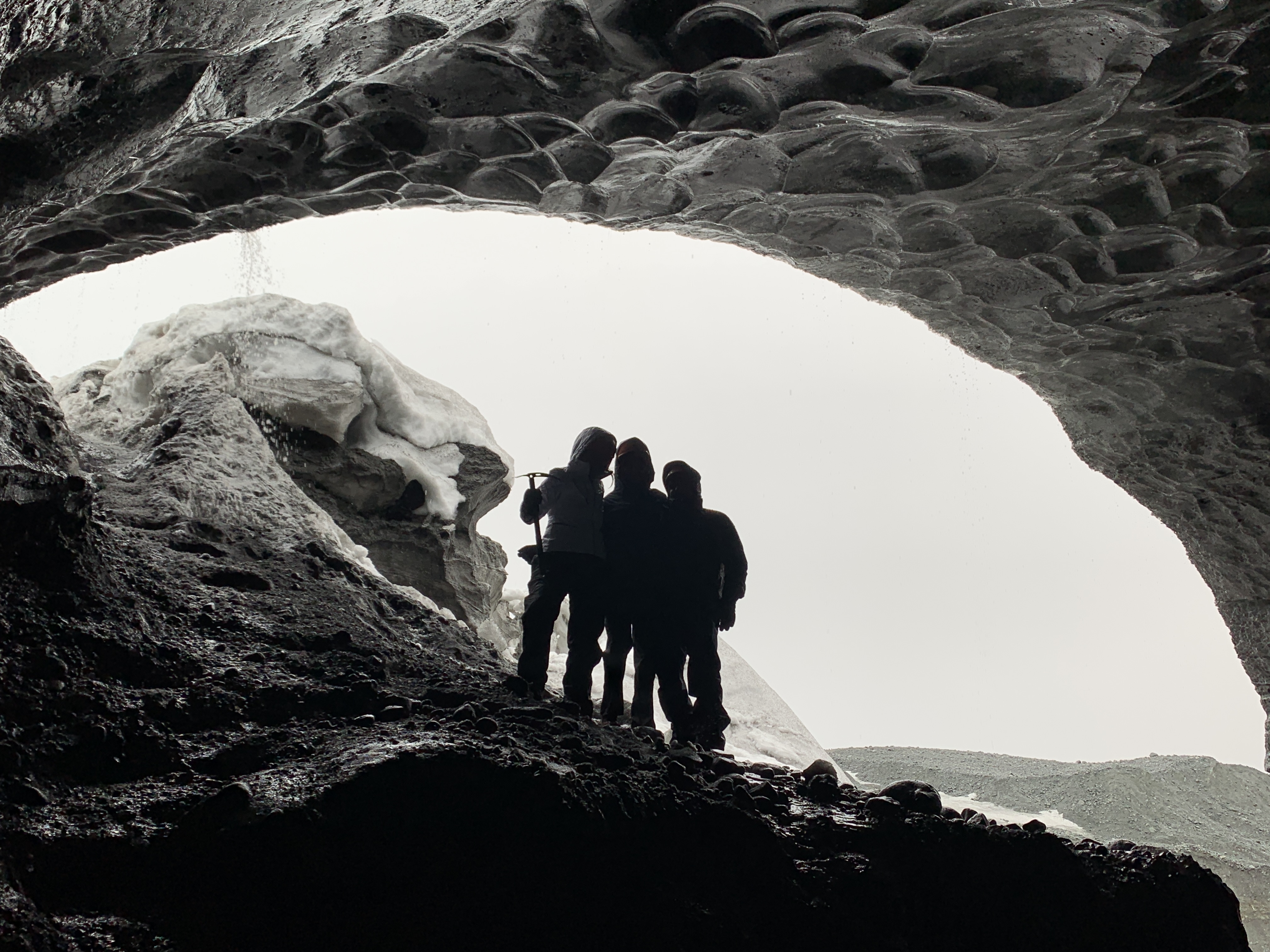
Iceland is a land of beautiful contradictions — jaw-dropping scenery and genuinely warm people who speak fluent English, paired with roads that will absolutely humble you. The Ring Road is no joke. In winter, it’s exposed to full ocean conditions, and Iceland will not hold your hand. There are no railings at the edge of the waterfall. No safety briefing before the glacier hike. When we came upon a crevasse in the ice cave, our guide said: “Just kneel down and push off with your feet, aim for the hole.” You emerge into a stunning hidden cave. Nobody mentions the extremely tight spaces, or the massive drop in the corner where I presume you fall directly to the center of the earth. Iceland simply assumes you are a competent adult — a refreshing policy that permits adventures American liability lawyers would never allow.
Go anyway. The natural beauty is unmatched. We went in March and it was magical — a cold that makes the world look painted. Would we go back? In a heartbeat.
Now, the reality check: Iceland is crazy expensive. Buy your wine and spirits at the airport duty-free before you clear customs. Yes, there is a grocery store in the Keflavik airport terminal. Don’t ask questions. Just buy. At our last hotel, the off-season wine list offered what they called a deal. On it: Kirkland Chablis at €170. That is Costco’s house-label Chablis. Over $200 a bottle. We did not order it.
Food and lodging will make your credit card flinch. You can ease the damage significantly by doing a van-glamping trip or renting an Airbnb and cooking in — but groceries are also expensive, because this is an island in the North Atlantic and nearly everything gets shipped in. Also worth knowing: Iceland has genuinely active geology. There’s a volcano under the ice that, when it decides to wake up, can shut down air traffic across most of Europe. Plan accordingly — or don’t, and find the extended stay equally memorable.
And while we rarely recommend cruises over land-based travel, Iceland is a genuine exception. No winter road decisions to second-guess, predictable meal costs, and the scenery from the water is every bit as dramatic as it is from the road.
Iceland doesn’t need to impress you. That’s exactly why it does.
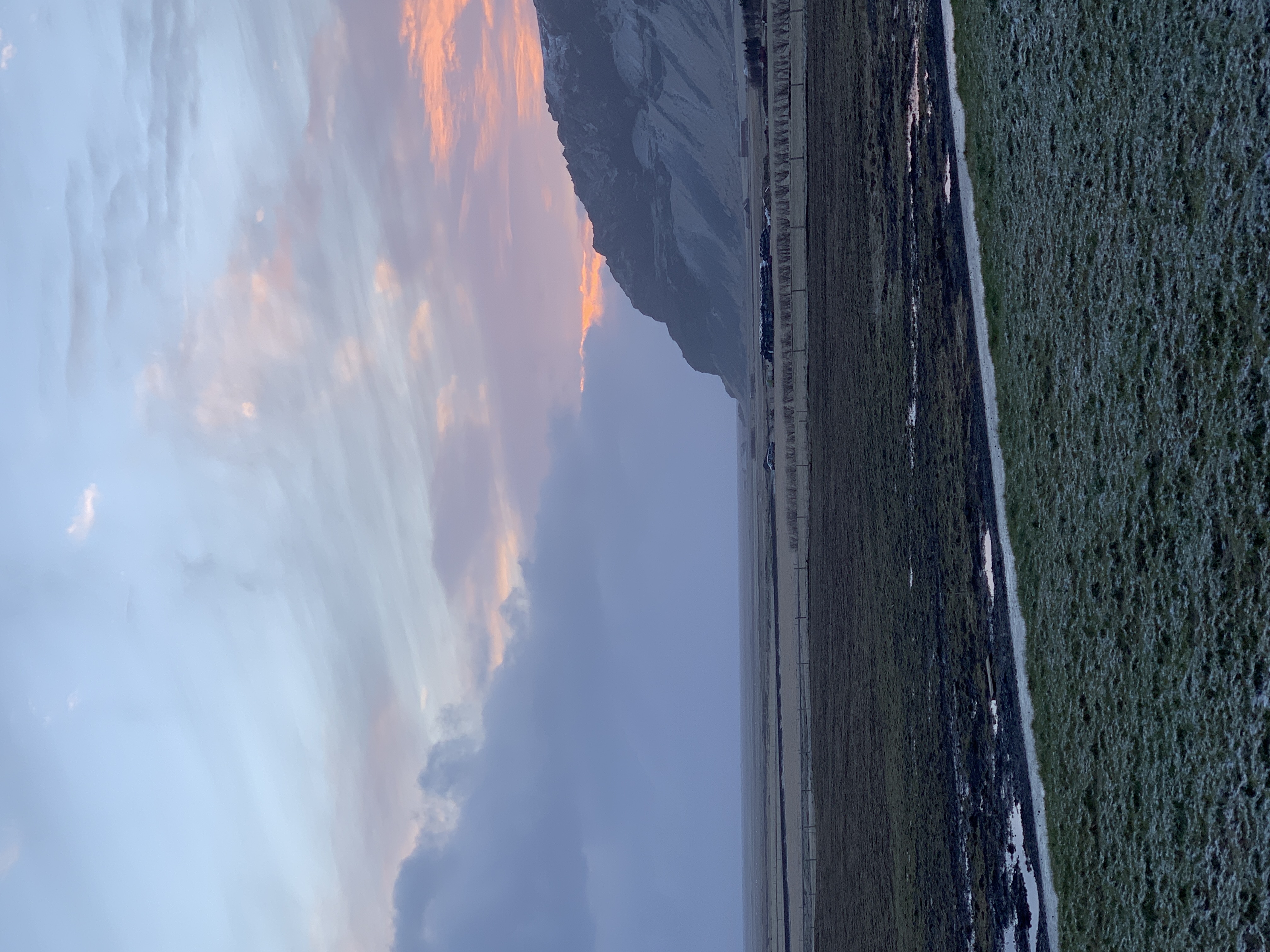
Trust us? Check out our Iceland Wander Map.
*As always, no commissions from our links. We encourage booking early and direct. These maps are always a work in progress, and are curated from all past trips and current research.
These pins also power ai-tinerary, our invite-only itinerary tool. Same stamps, same opinions.
Iceland’s hospitality is genuinely warm. The check arrives cold.
The hotels and restaurants below were visited in 2019. A great deal has changed in Iceland since then — plan accordingly. We strongly advise doing your own homework before you book, as chefs, servers, and property managers turn over quickly, especially in the post-COVID landscape.
Worth noting: most of our dining happened right at the hotels where we stayed — which, in Iceland, is not a consolation prize. The hotel restaurants are genuinely good, and after a full day on the road, nobody is sad about not having to drive. Skálakot was the clear standout. If you only have one memorable dinner on this trip, it will probably be there.
Excellent Reykjavik location and genuinely easy parking — a minor miracle in the city. A great launching pad for everything the capital has to offer. Fair warning: when we stayed, the hotel felt dated and was in desperate need of a refresh. Current photos suggest a renovation may have happened since then. Worth checking recent reviews before you book.
keahotels.is → Find it on the map →Modern, well-run, and in one of the starkest and most beautiful landscapes we’ve ever seen. The restaurant is legitimately good — which genuinely surprised us given how remote this property is. Perfect base for glacier exploration.
Book direct. This is the best-positioned hotel for Jökulsárlón and the ice caves. fosshotel.is → Find it on the map →A luxurious guest house on a working horse farm — and one of our favorite stays of the entire trip. The restaurant is excellent, the setting is beautiful, and it’s the rare place you start planning to return to before you’ve checked out.
Pairs perfectly with a horseback riding session the next morning. Seriously, don’t skip it. skalakot.is → Find it on the map →A genuinely lovely resort right on the Golden Circle route. The restaurant is excellent, and their outdoor hot tub is a proper experience — just know it requires advance planning, it’s not a walk-in situation. Their off-season wine list offered what they called a deal: Kirkland Chablis at €170. We are not joking. We did not order it.
Golden Circle location makes it a natural home base for day trips north. keahotels.is → Find it on the map →One of our Reykjavik tasting menu stops — and one of the city’s best. The kitchen does extraordinary things with Icelandic ingredients. Intimate atmosphere, serious cooking. Book well in advance.
Find it on the map →A Reykjavik seafood institution with genuine creative range. This is not the tourist trap it could easily be. Creative Icelandic seafood with a global sensibility. If you’re doing one special dinner in the city, make it here.
Find it on the map →We did not make it here — and we are still not over it. A working tomato greenhouse that doubles as a restaurant, serving farm-to-fork Icelandic food in an entirely unique setting. It is at the top of our list for the return trip.
fridheimar.is → Find it on the map →Iceland is what happens when geology decides to show off for a few million years and never stop.
A beautiful sculpture right on Reykjavik’s waterfront — often mistaken for a Viking ship, but actually meant to represent the dream of new lands. A five-minute stop on any Reykjavik walk, and a genuinely lovely one.
Find it on the map →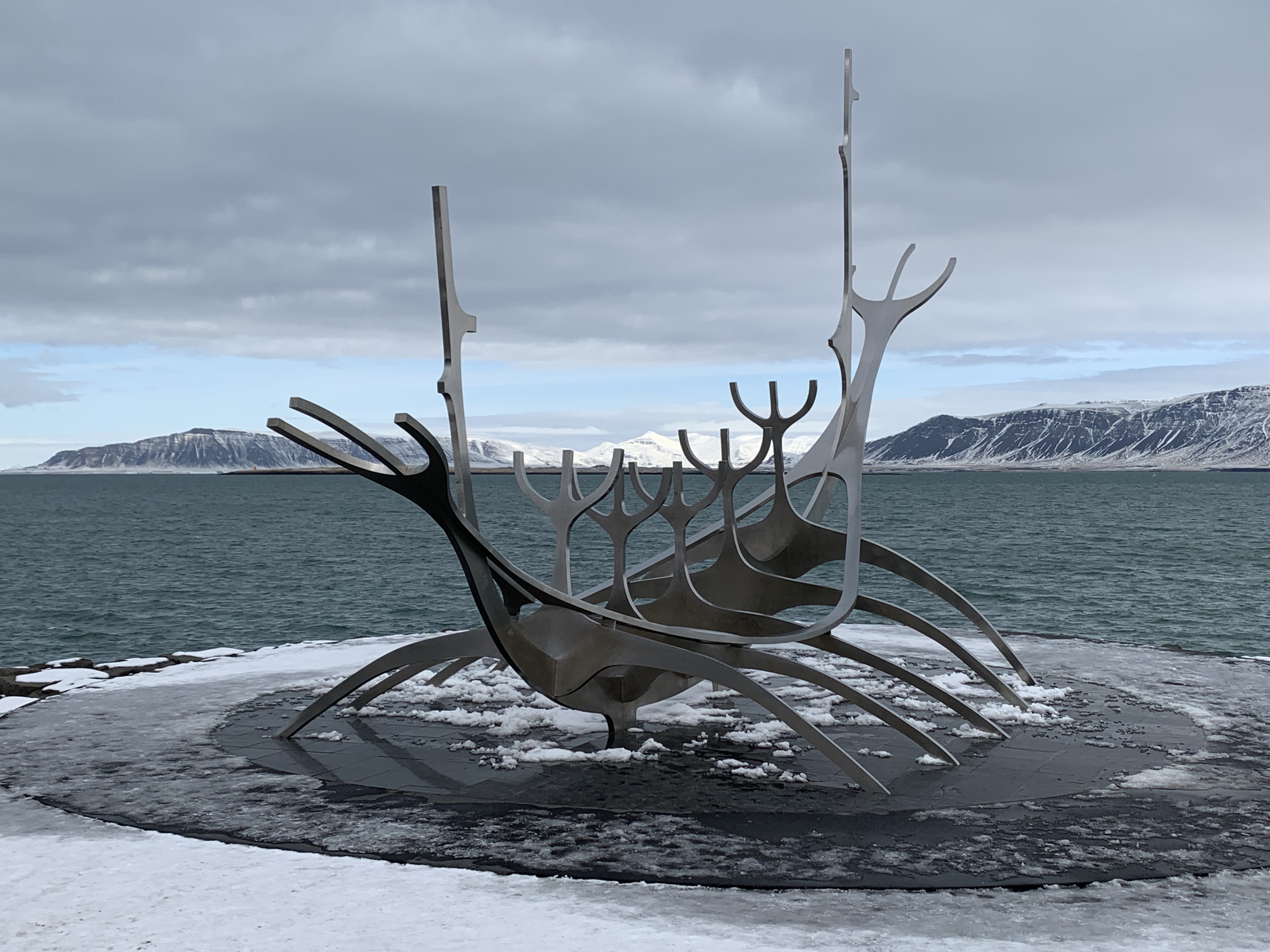
Iceland’s most iconic church — worth a look from outside and from the tower if you have time. The surrounding neighborhood is one of Reykjavik’s most walkable and photogenic.
Official site → Find it on the map →Even without concert tickets, the architecture alone is worth a stop. The glass facade is extraordinary — especially in changing light conditions. One of the most striking modern buildings we’ve seen.
Find it on the map →Despite its instaworthy reputation, this is a genuinely cool experience — touristy, yes, but the thermal waters are real and spectacular. It is the most expensive and most developed thermal option in Iceland, and it is absolutely worth it. Manage expectations: you are sharing the water with several hundred selfie sticks. Go anyway.
Book online well in advance — they sell out. And yes, buy your drinks at the airport first. bluelagoon.com → Find it on the map →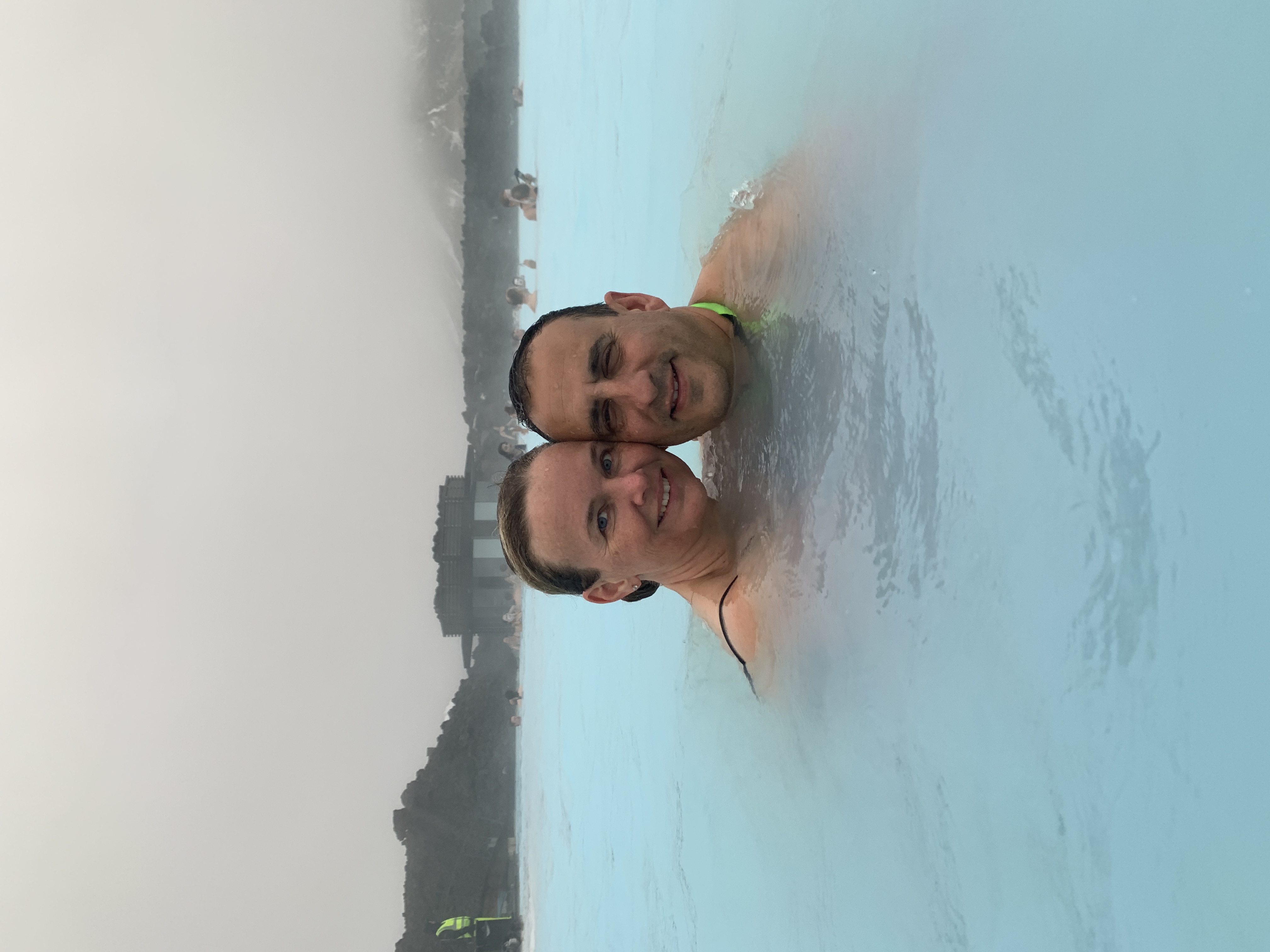
A much more affordable thermal bath experience — and far less staged than the Blue Lagoon. Significantly fewer crowds, a fraction of the selfie sticks, and the same genuine geothermal magic. If you’re looking for a soak without the production value, this is your answer.
fontana.is → Find it on the map →Iceland’s most-traveled day trip — a roughly 300-kilometer loop from Reykjavik that connects three genuinely world-class natural sites. If you only have one full day outside the capital, this is the route. Hotel Grimsborgir sits right on the circuit, which turns a rushed day trip into a proper overnight with time to actually breathe.
Find it on the map →Þingvellir National Park — Iceland’s original parliament site, set in a dramatic rift valley where the North American and Eurasian tectonic plates are visibly pulling apart. UNESCO World Heritage Site. Give it more time than your itinerary suggests.
Geysir Geothermal Area — Home of Strokkur, the geyser that erupts every five to ten minutes with very little buildup and zero disappointment. The original Geysir — from which all geysers get their name — is dormant, but Strokkur delivers every single time.
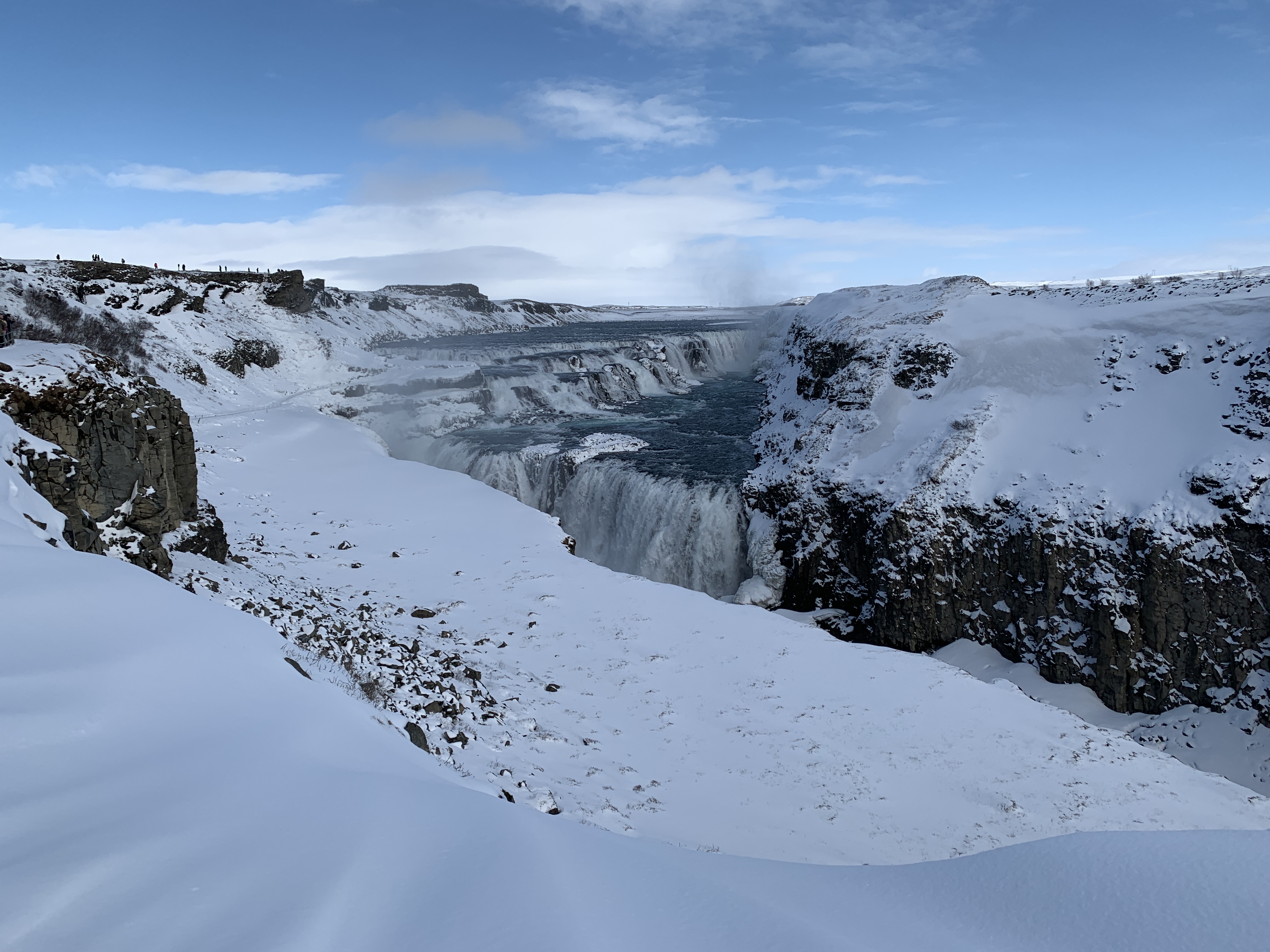
Gullfoss — A thundering two-tiered waterfall dropping into a canyon. In winter, portions freeze into extraordinary ice formations. One of the most powerful natural sights in the country, and it costs nothing to stand at the edge of it.
These horses are genuinely special — small, sturdy Icelandic horses unlike any breed you’ve ridden before. The facilities are outstanding and the setting is beautiful. Worth going even if you’ve never ridden.
Find it on the map → Pairs perfectly with a stay at Skálakot Hotel next door.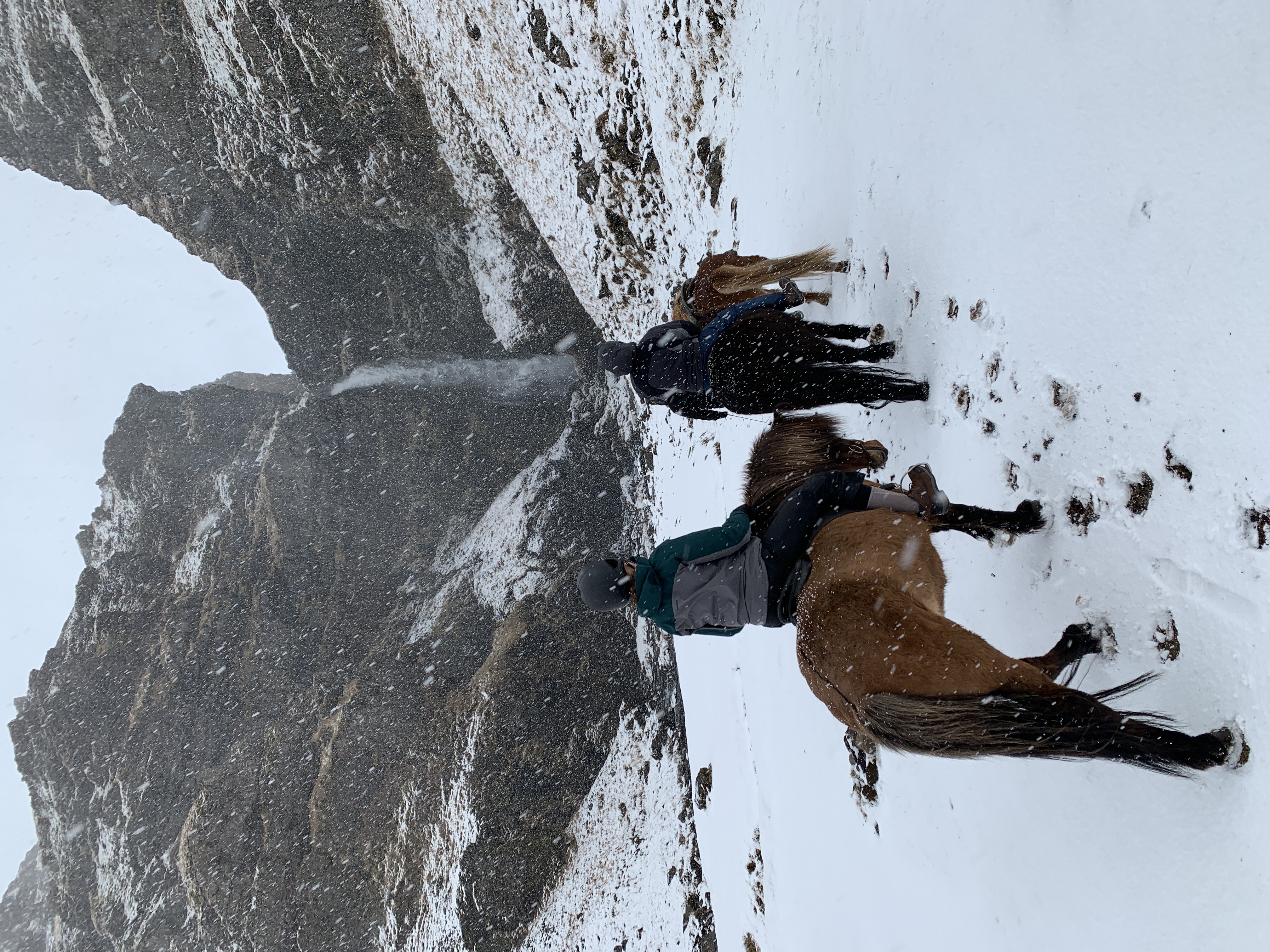
You can walk behind this waterfall — and you will be completely soaked. It is glorious. Very busy, but absolutely worth fighting the crowds. If you time it right, you will catch a rainbow in the mist. We did. Worth every wet layer.
Find it on the map →We did not make it here — it is on the list for the return trip. The site of a 1973 US Navy DC-3 plane wreck on a black sand beach, it requires a long flat walk across volcanic sand to reach it. By all accounts: otherworldly, photogenic, and genuinely memorable. Wear layers. The wind is indifferent to your comfort.
Find it on the map →One of Iceland’s most iconic waterfalls, and it earns the billing. Climb the stairs to the top for views that rearrange your sense of scale. We really enjoyed this one.
Find it on the map →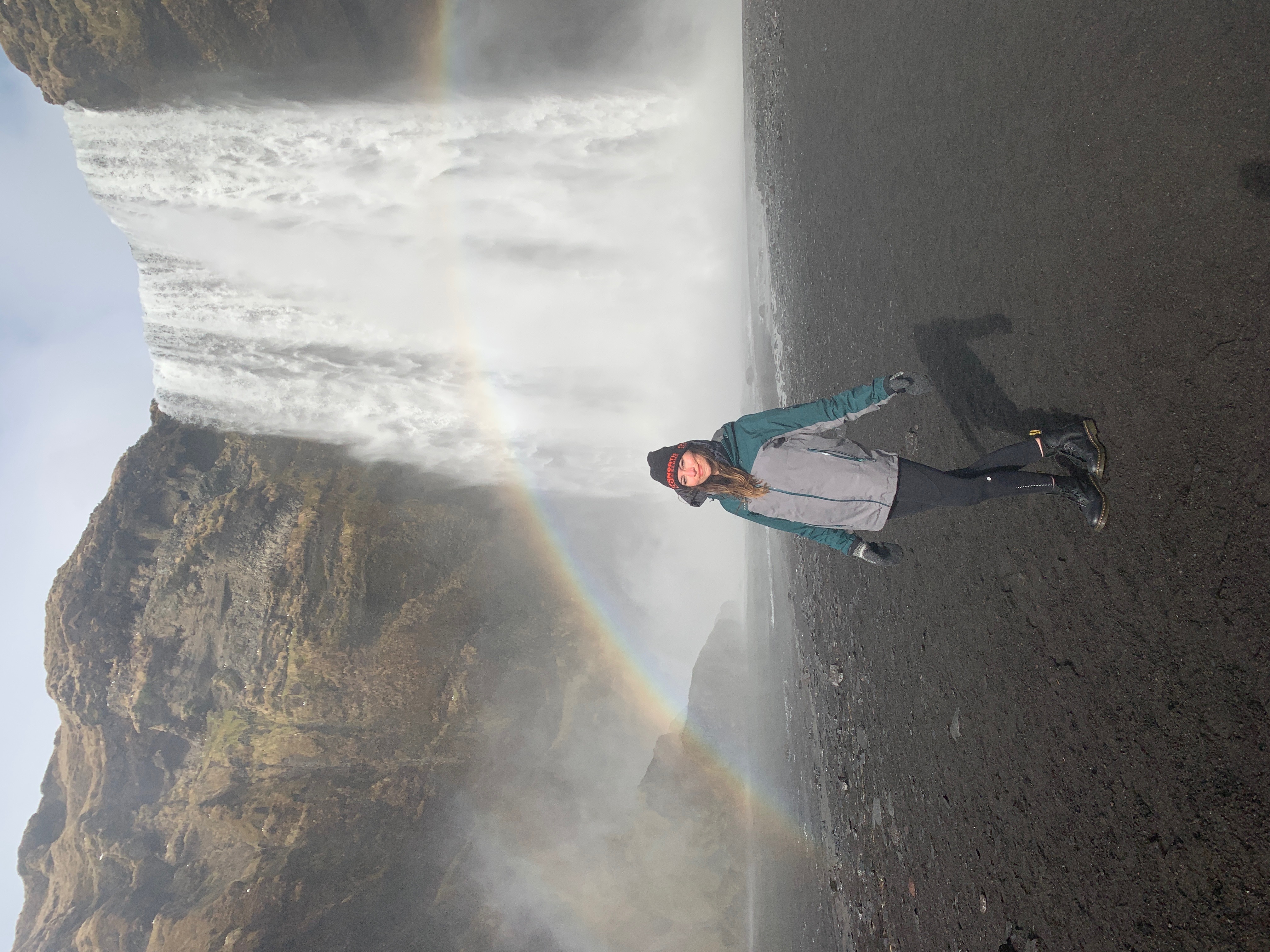
A stunning coastal viewpoint above a dramatic rock arch jutting out into the North Atlantic. One of the best vistas on the entire south coast. Easy to combine with a Reynisfjara stop.
Find it on the map →Simply stunning — dramatic black sand, towering basalt columns, and crashing North Atlantic surf. Non-negotiable stop on the south coast. The rogue waves are not a joke. Several tourists have been killed here by sneaker waves. Admire from a safe distance, not from the water’s edge.
Find it on the map →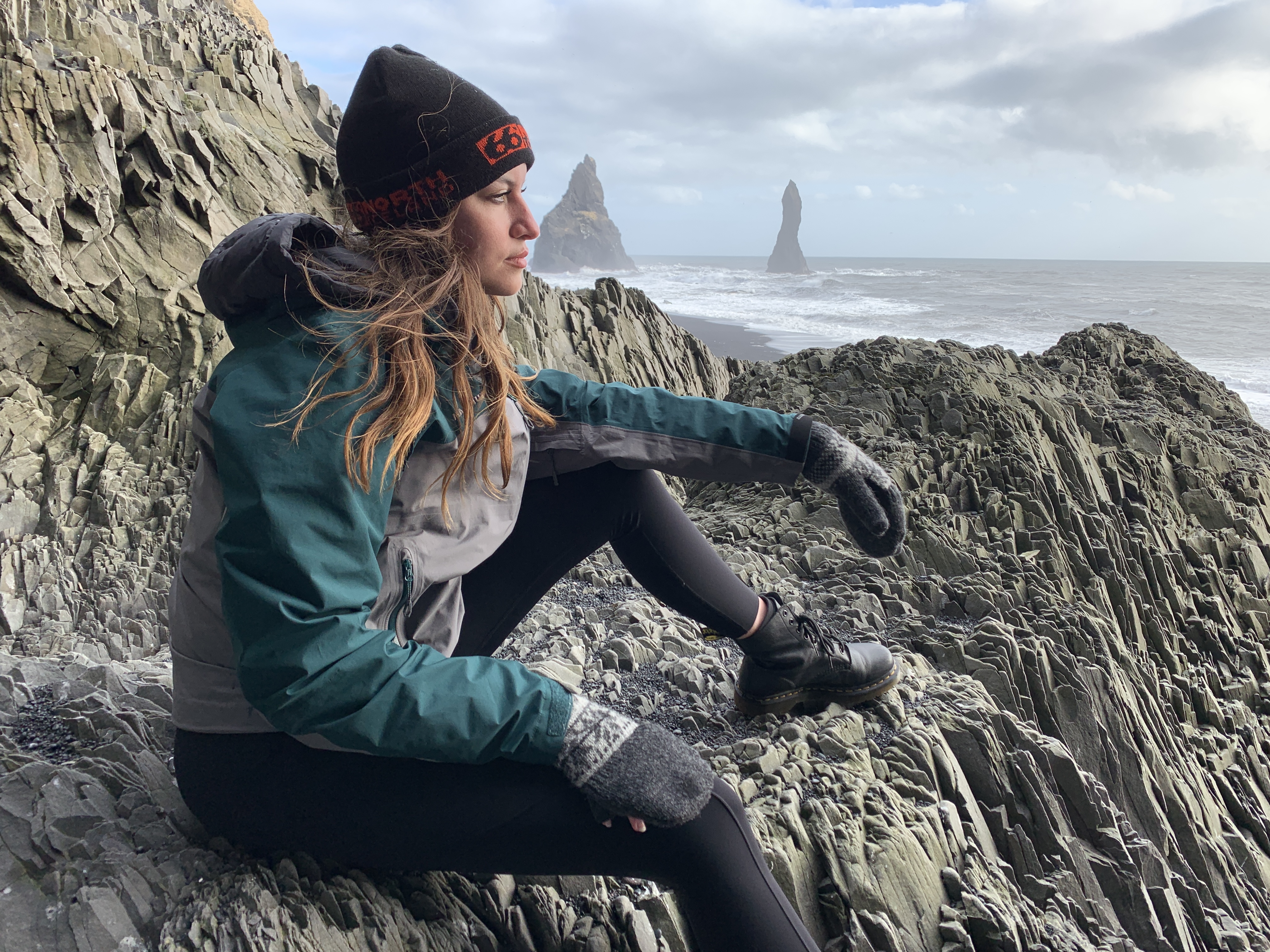
The dramatic sea stacks rising out of the ocean off Reynisfjara Beach. Folklore says they’re trolls who were caught out at sunrise and turned to stone. We choose to believe this completely.
Find it on the map →A national park gem with glacier views, hiking trails, and a scale of scenery that makes you feel appropriately small. Another stunning area that deserves more time than most itineraries give it.
Official site → Find it on the map →Icebergs calve off the Jökulsárlón glacier and wash up onto this black sand beach. The contrast is genuinely surreal — turquoise ice on jet-black sand under a grey Arctic sky. Stunning. The rogue waves are also real and have claimed lives. Stay alert, stay back from the waterline.
Find it on the map →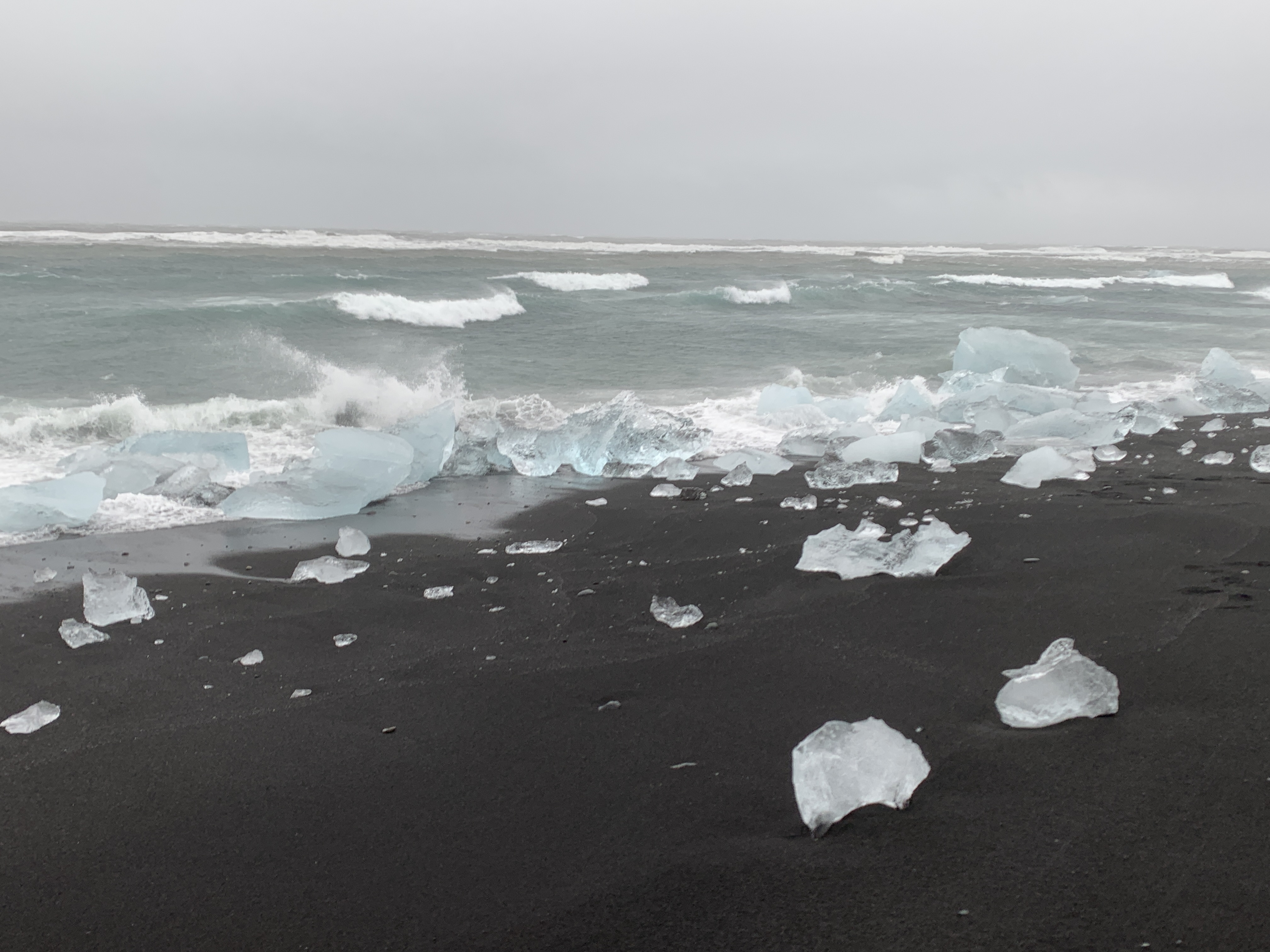
An absolute must if you’re visiting in season. We pushed ourselves through a glacier crevasse feet-first and emerged into a stunning hidden ice cave — the kind of experience that would never be permitted on American soil. Book as far ahead as possible. This is not optional.
Seasonal — generally November through March. They sell out. Book early. fjallsarlon.is → Find it on the map →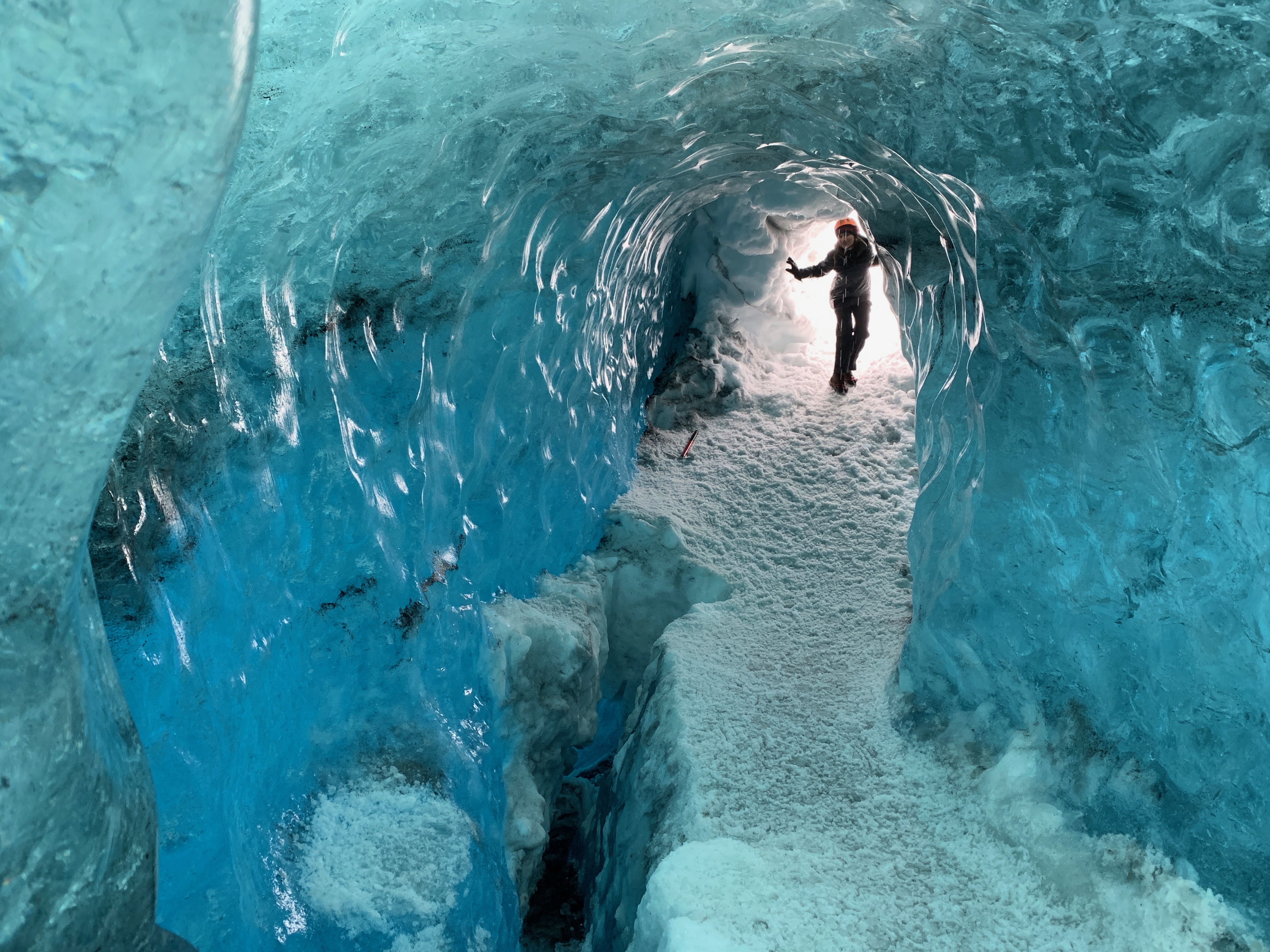
Hope you like arctic char.
We went all-in on this trip, opting for tasting menus at nearly every dinner. The food was genuinely excellent — and genuinely consistent. Every tasting menu featured some combination of veggies, arctic char, lamb stew, and the occasional puffin. Yes, puffin. You will feel conflicted. They are absurdly, unreasonably cute, and you will carry a specific guilt about this meal for the rest of your natural life. Order it anyway.
Yes, shark and horse are on the menu. Hákarl — fermented Greenlandic shark, aged underground for months and then hung to dry — smells precisely as you are imagining. Anthony Bourdain sampled it on camera and made clear, in very colorful terms, that it was among the worst things he had ever voluntarily eaten. We took his word for it entirely. Yuck. As for horse: it is not a cultural staple the way lamb is, but it is present and it is available. We did not eat it. If we had, we would never admit it. And no, the gorgeous horses you will see lining every road in Iceland are not making their way to your plate. We need you to hold onto that, because only a few will.
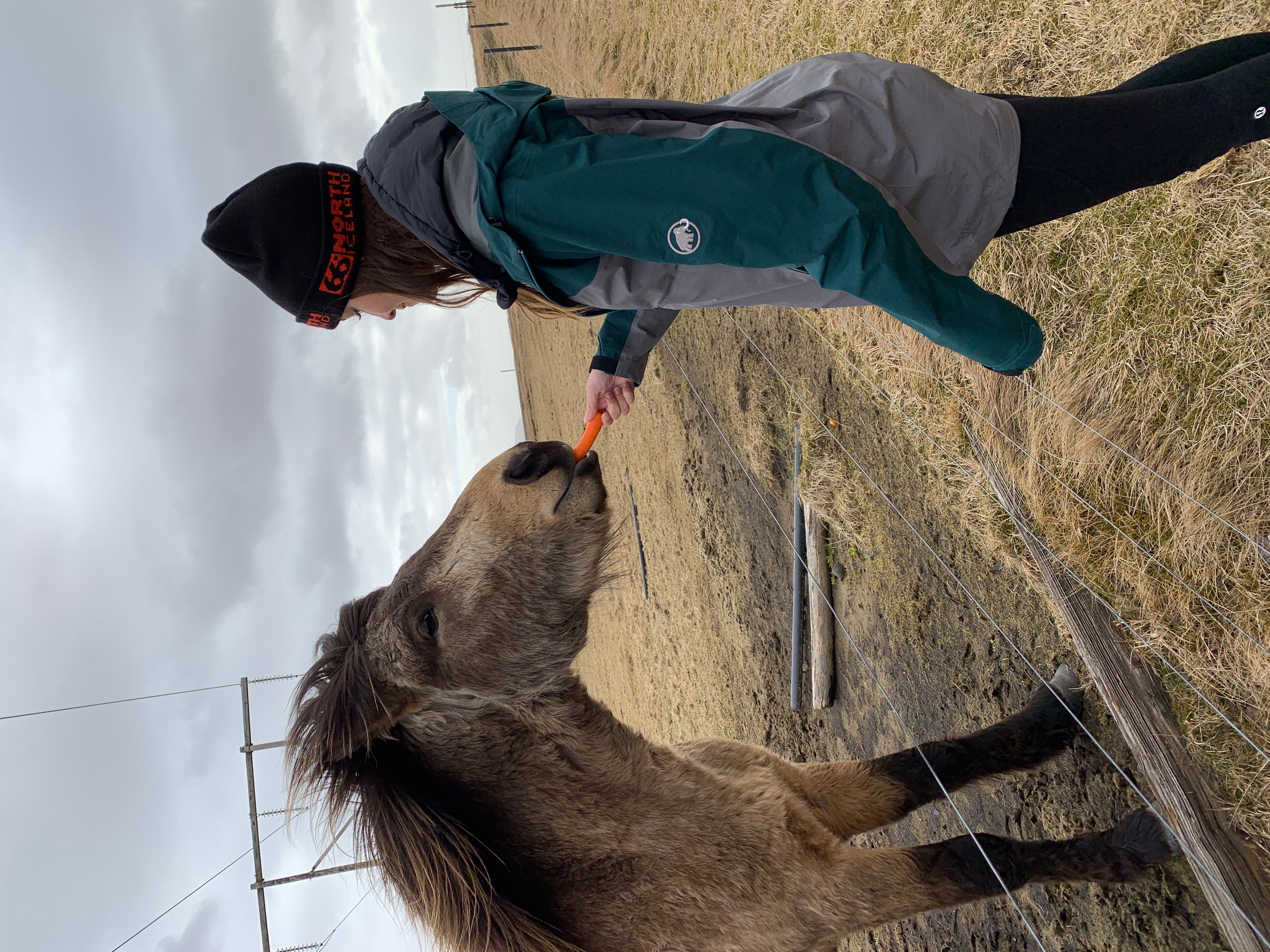
The horses of Iceland deserve their own paragraph. This is a protected breed, pure since the 10th century, and Icelanders are not casual about it. By law, if an Icelandic horse is sent abroad, it cannot return — not as a suggestion, but as actual legislation, designed to protect the breed from foreign disease. Iceland enforces it without exception. These horses also possess a fifth gait that most breeds will never have: the tölt, a four-beat lateral movement so smooth that riders demonstrate it by carrying a full glass of wine without spilling a drop. The Icelandic horse is one of only a handful of breeds in the world that can say that. We rode at Skálakot and the difference from anything we had ridden before was immediately obvious. We also developed a habit of stopping along the road to feed them. Carrots, sugar cubes — they come right to the fence without hesitation. The move is the sugar cube box: shake it once and horses come galloping across the field from wherever they are. Every single time. In hindsight, a group of Americans systematically offering sugar cubes to an entire country’s horse population may have inadvertently created a new Icelandic profession: horse dentist. Stick to the carrots.
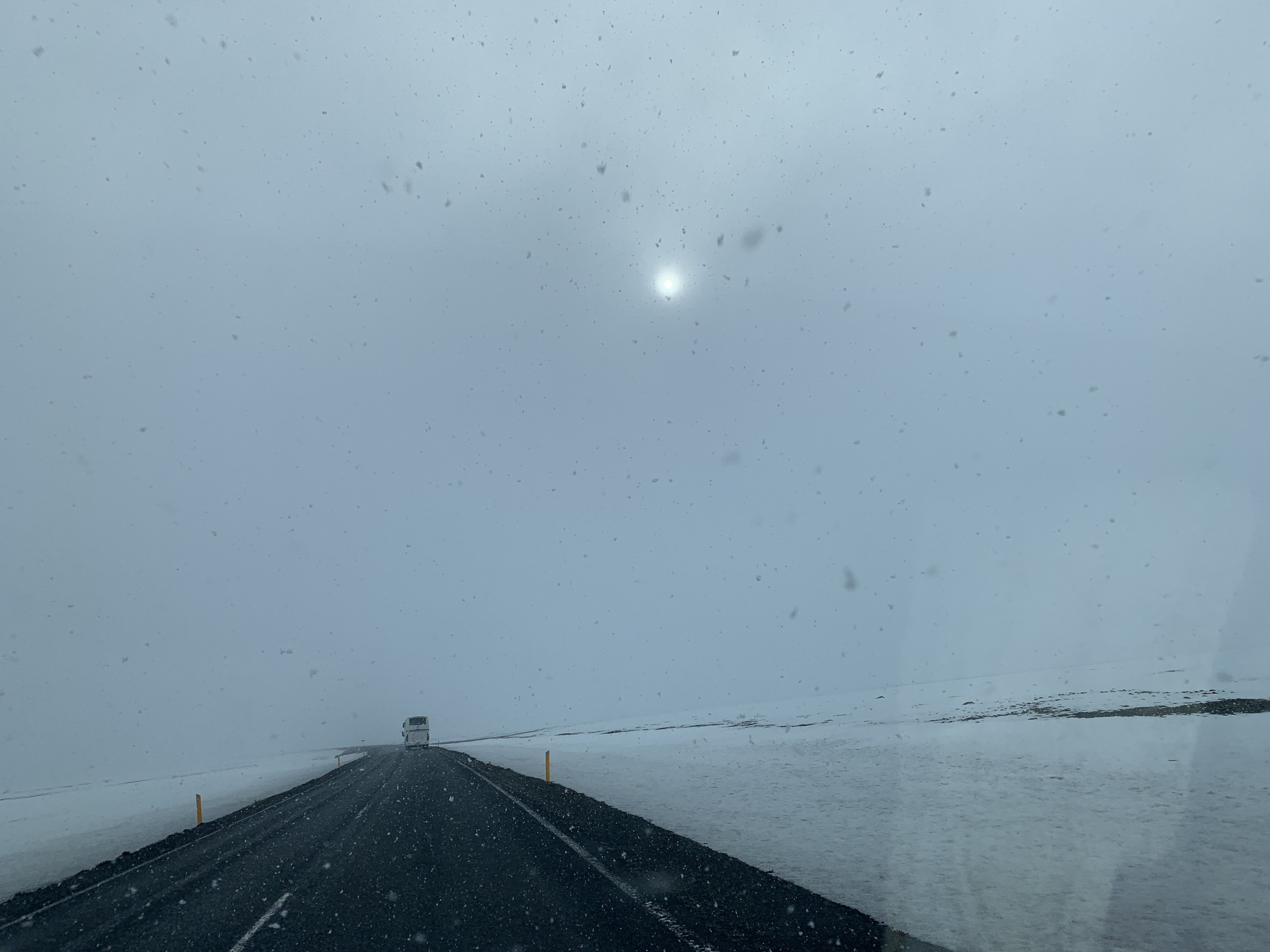
A few things nobody puts in the brochure: Buy alcohol at the Keflavik airport duty-free before you exit customs. Iceland has a national alcohol retail monopoly (Vínbúðin), stores have limited hours, and resort prices are punishing. The airport is your best friend on this one. Additionally, Iceland’s weather moves fast and roads can close with little notice. Check road.is daily if you’re self-driving — it’s the official Icelandic Road Administration site and it will save you from making a very bad decision.
One genuine surprise on the cost front: a cruise may be the smartest way to see Iceland. We say this as people who almost always choose land over sea. But winter driving in Iceland is a real skill, and a cruise removes the stress entirely while still getting you to the major sites. The scenery from the water is spectacular. It’s worth considering, especially for first-timers.
One last thing: the Northern Lights. We saw them several times. And every single time, they looked like smoke. A faint, slow-moving haze drifting across the sky — easy to miss, easy to dismiss. What you see on Instagram is the result of long-exposure photography — a camera with its shutter open for ten or twenty seconds, accumulating light your eye experiences only as a faint shimmer in real time. The camera sees green. You see suggestion. Both are real; only one is Instagram. We have no Northern Lights photos on this brag, because we have no Northern Lights photos worth sharing. That is the deal we made with ourselves when we started this: if we didn’t see it with our own eyes, you won’t see it here.
No kick-backs for links. Ever.