 i
i
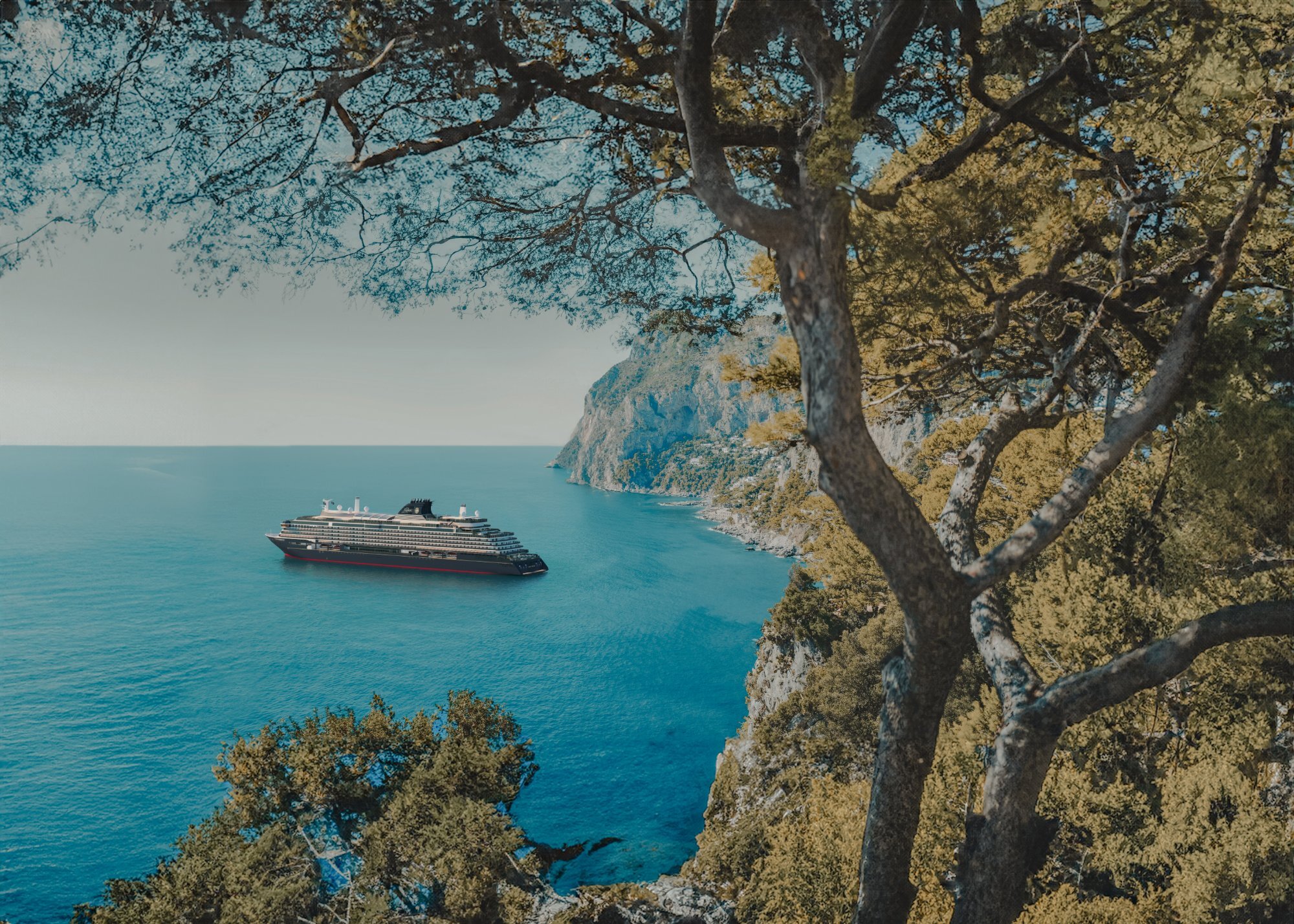
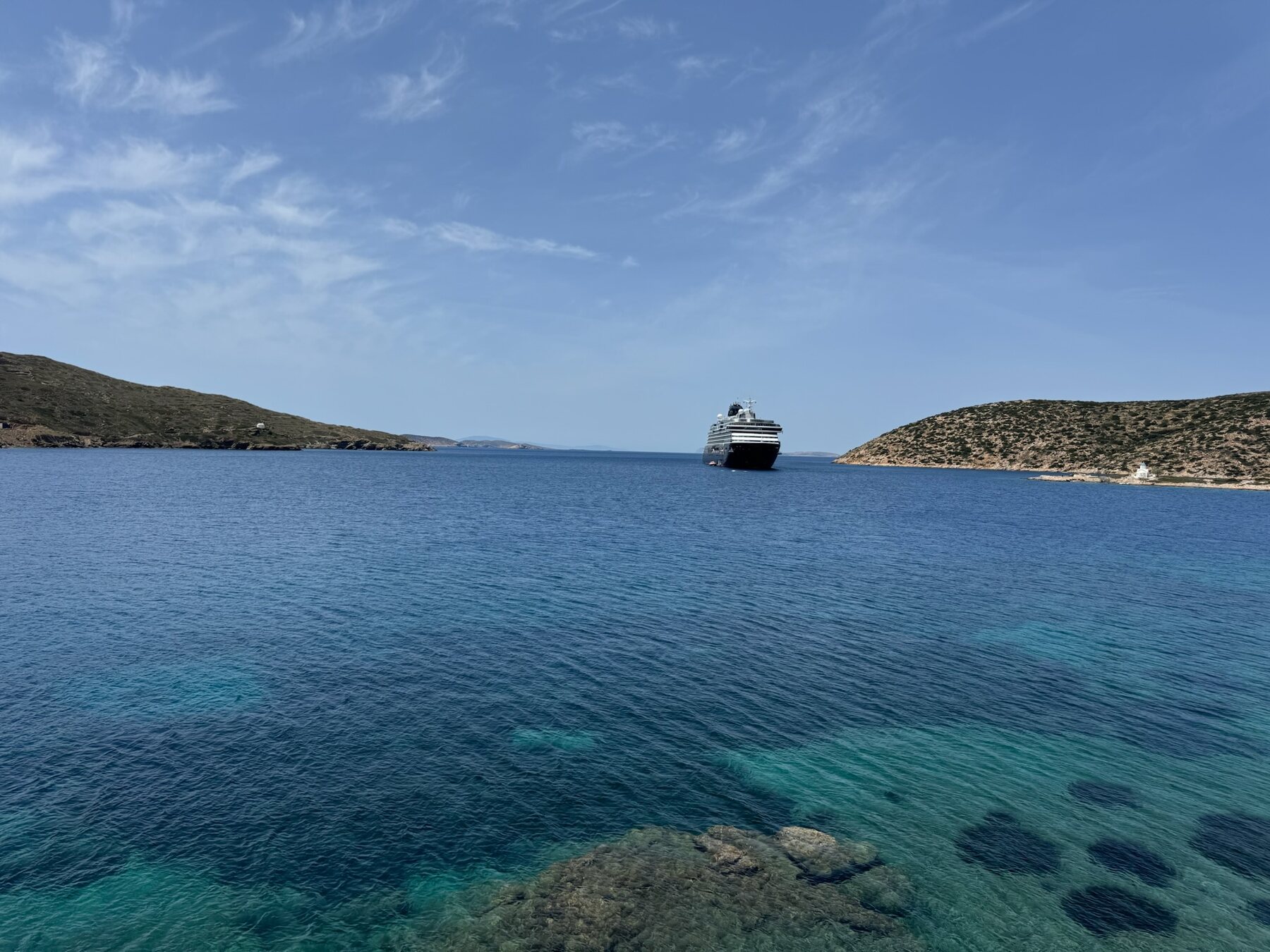
Media kit: Explora II at anchor. Getting off was the whole point.
i
Some islands earned the hype. One tried to sell us a $300 linen shirt.
A geopolitical reroute swapped Turkey for a string of small Greek harbors the megaships can’t squeeze into, and we are not complaining. This is the port-by-port verdict, in sailing order: what we walked, where we ate, what we’d skip.
One rule up front. Plan your own port days. We tried the ship’s excursions once, and you can read how that went in Part 2: The Deep Dive. Short version: four missing passengers, one phantom café, zero coffee.
Athens gets its own brag — 36 Hours in Athens — so it isn’t here. For the ship itself, start with Part 1: The Overview.
| Port | Date | Highlights |
|---|---|---|
| Athens, Greece | May 4 | Ancient ruins and vibrant neighborhoods |
| At Sea | May 5 | Ship exploration & deliberate rest |
| Brindisi, Italy | May 6 | Roman columns & 11th-century church |
| Nydri, Greece | May 7 | Waterfall hikes or sailing |
| Pylos, Greece | May 8 | Ottoman fortress & beautiful beaches |
| Katapola, Greece | May 9 | Cliff monastery & Ancient Minoa |
| Mykonos, Greece | May 10 | Windmills and lively beaches |
| Piraeus, Greece | May 11 | Historic port and maritime museums |
| Paros, Greece | May 12 | Byzantine churches and golden sands |
| Rhodes, Greece | May 13 | Medieval walls and butterfly valleys |
| Patmos, Greece | May 14 | Hilltop monastery & turquoise bays |
| Corfu, Greece | May 15 | Venetian fortresses and olive groves |
| Hvar, Croatia | May 16 | Lavender fields and island hopping |
| Rijeka, Croatia | May 17 | Castles and coastal promenades |
| Fusina, Italy | May 18 | Gateway to Venice’s canals and palaces |
Get lost on purpose. Get back before the tender.
Trust us? Check out our Greece Wander Map.
*As always, no commissions from our links. We encourage booking early and direct. These maps are always a work in progress, and are curated from all past trips and current research.
These pins also power ai-tinerary, our invite-only itinerary tool. Same stamps, same opinions.
The road to Rome finishes here. Our port days started here.
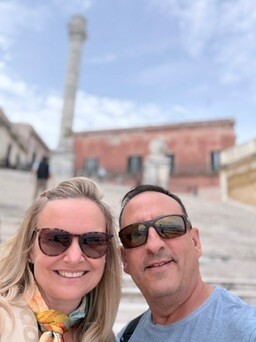
Our first port, and a quiet one. We went ashore and simply walked the town, which turned out to be exactly the right call for an easy day one. Brindisi isn’t on most people’s Italian bucket list, and it doesn’t try to be. It’s a working port town with a pleasant historic center that rewards an unhurried stroll.
The highlight sits at the top of a grand flight of steps above the harbor: the Roman column that marks the end of the Appian Way, the ancient road that ran all the way from Rome. Standing at the finish line of a road the Romans built over two thousand years ago is a pretty good way to start a cruise. We took the obligatory selfie. We regret nothing.
A short hike, a cold pool, and everyone else.
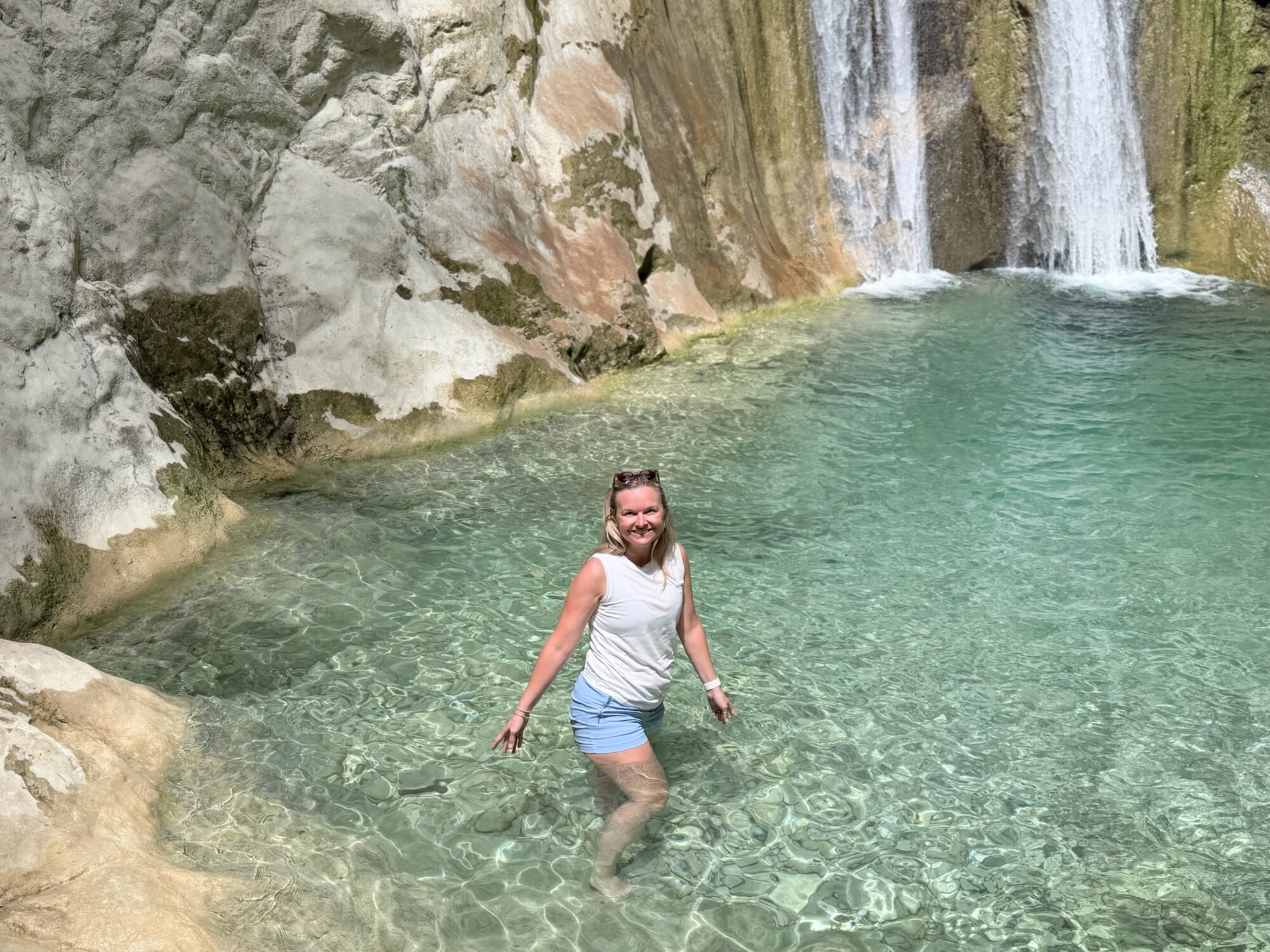
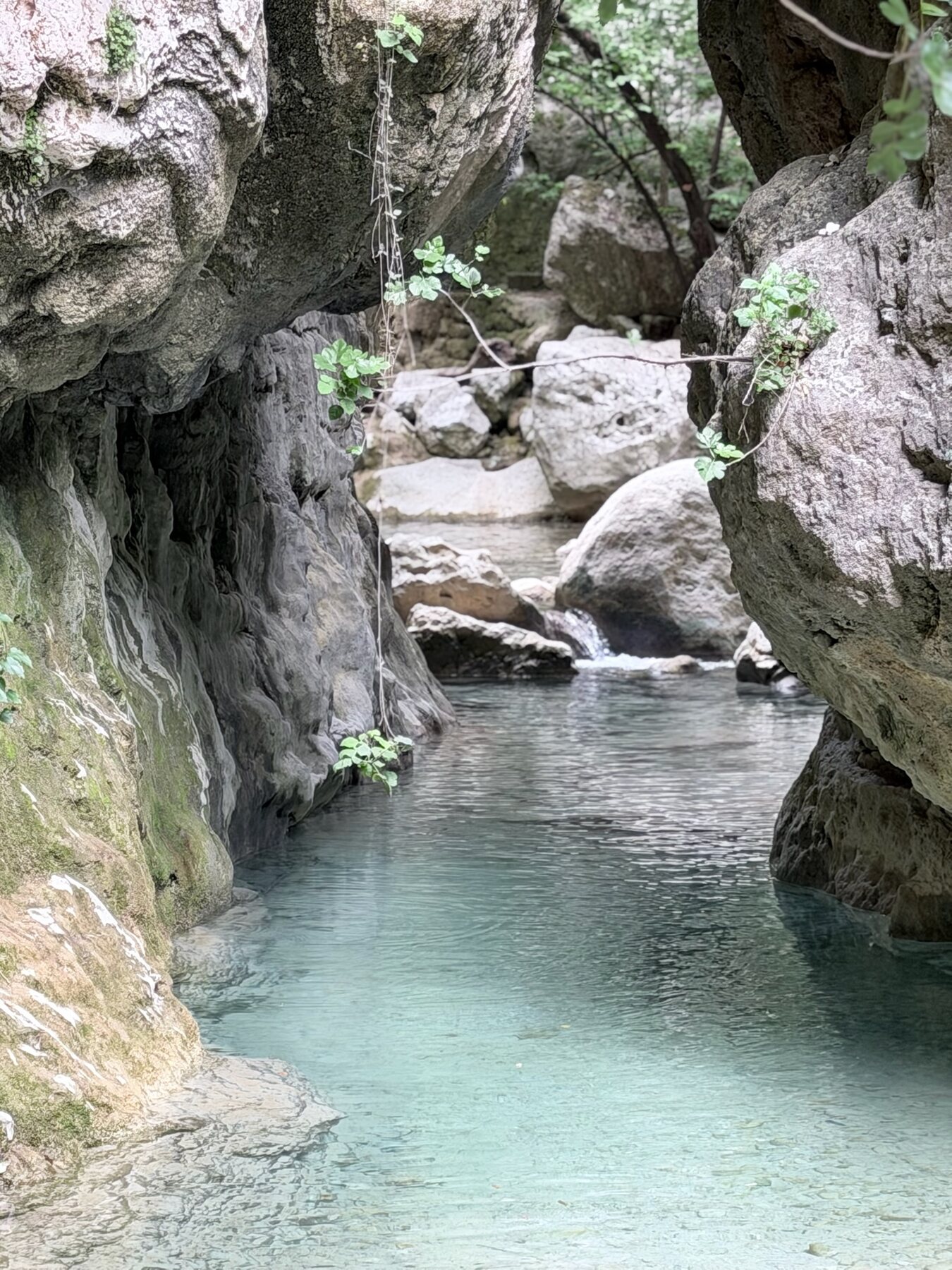
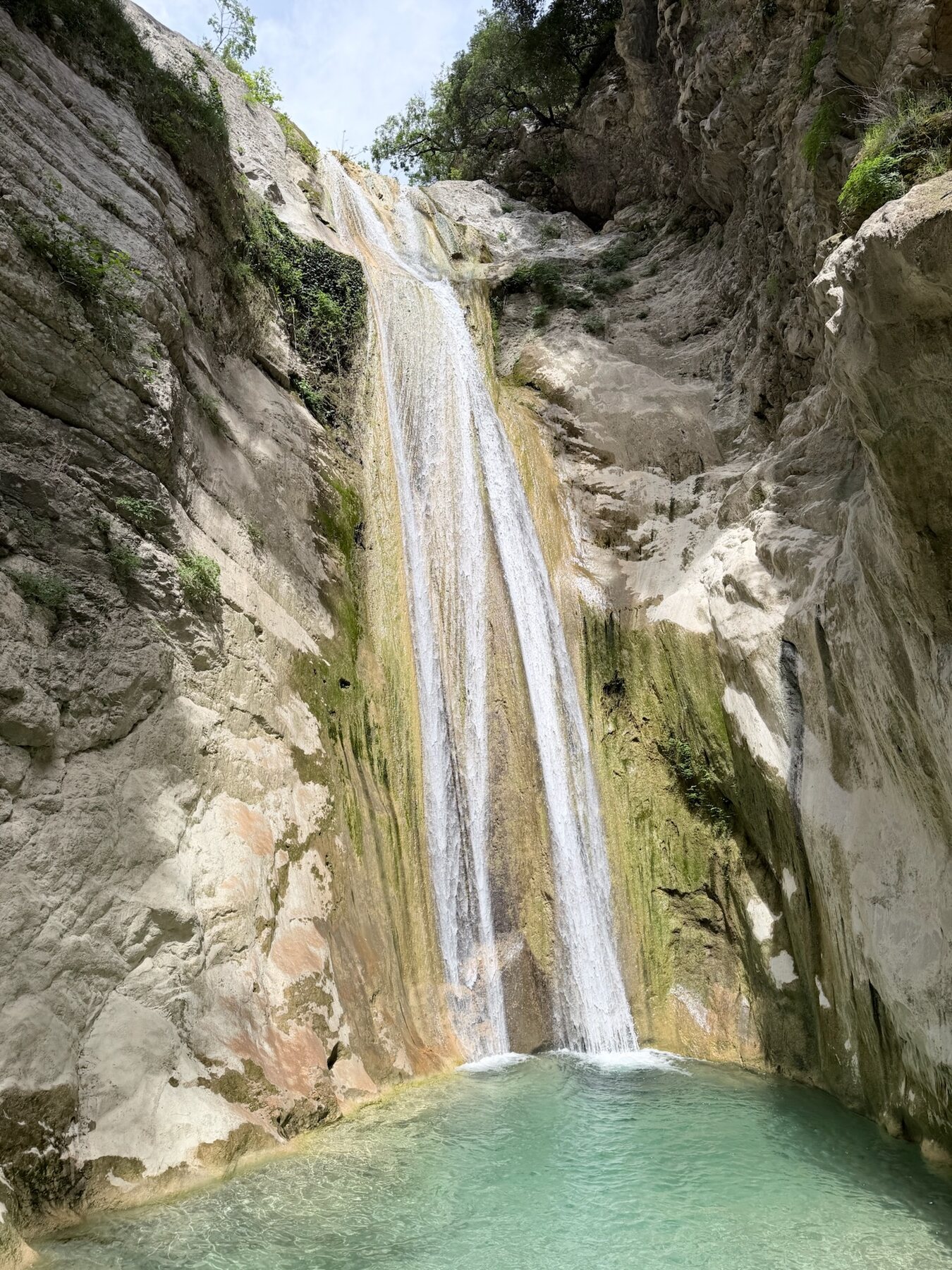
The Nydri waterfalls are a short hike to a handful of genuinely scenic photo spots: a narrow gorge, boulders the size of small cars, and water so clear it looks photoshopped. At the end, the falls pour into a grotto-like pool, and on a warm day a dip is a must — cold, clear, and exactly what a Greek afternoon needs.
Our masterstroke: skip the long walk up. Grab a taxi straight from the tender dock to the trailhead, and you’ll beat both the clock and the crowds while the rest of the ship is still deciding on footwear at the pier. Then, wander back downhill to the tender on foot. Taxi up, stroll down: time management at its finest.
The flaw: you won’t have it to yourself for long. It’s really beautiful, and everyone knows it. Be prepared for the crowds — or better yet, be in that first taxi.

Rain, wind, a bobbing tender, and a very good spa.
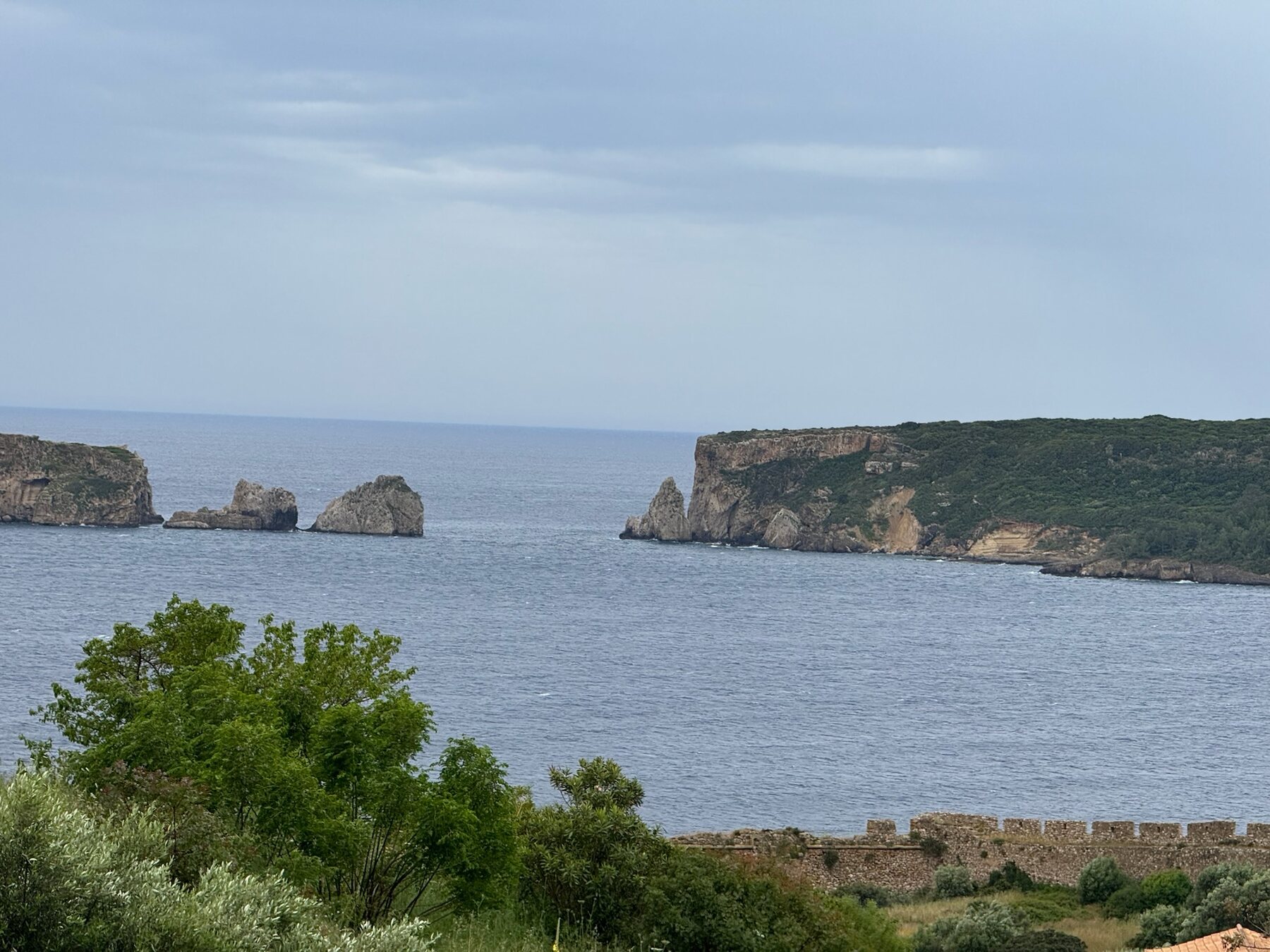
Full disclosure: we never set foot in Pylos. The morning rolled in rainy and windy, the tender was bobbing like a cork, and the Staches took one look and made an executive decision.
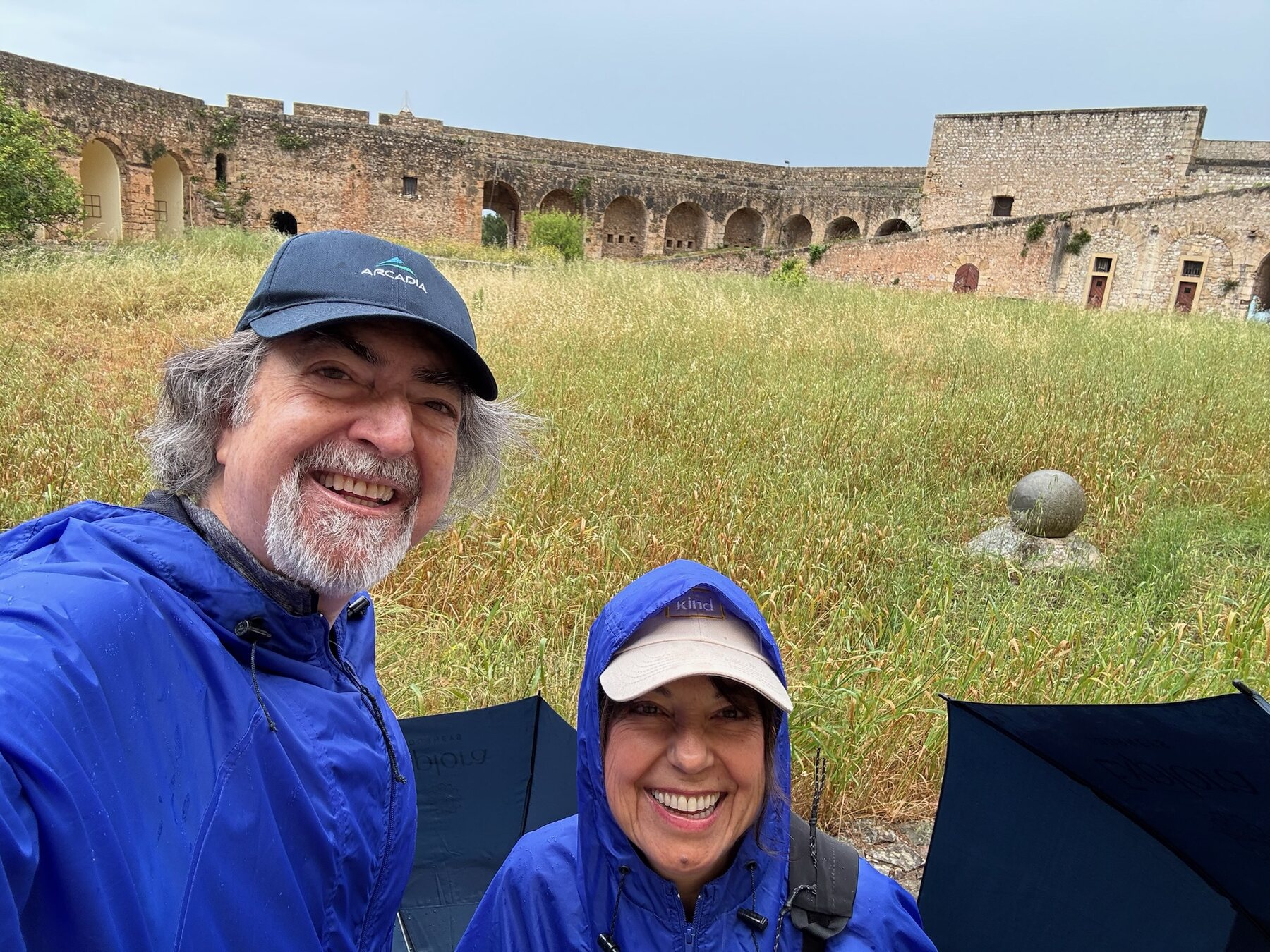
Two of our braver travel companions suited up in full rain gear and went ashore anyway. They came back soaked, delighted, and full of stories — the town, the fortress, the bay — which they shared with us over pre-dinner cocktails. We’ll admit it: we wished we’d been there.
But not enough to regret a single minute of how we spent it instead: six glorious hours lounging in the thermal suite and reading at Crema Café, while the rain did its thing on the other side of the glass. Some port days are for exploring. Some are for remembering you’re on a floating luxury hotel.
Their verdict, delivered between sips: Scouted. A fortress worth the climb, a town worth the walk, and views across Navarino Bay worth every raindrop. Pylos stays on our list. Next time, we’re bringing rain gear.
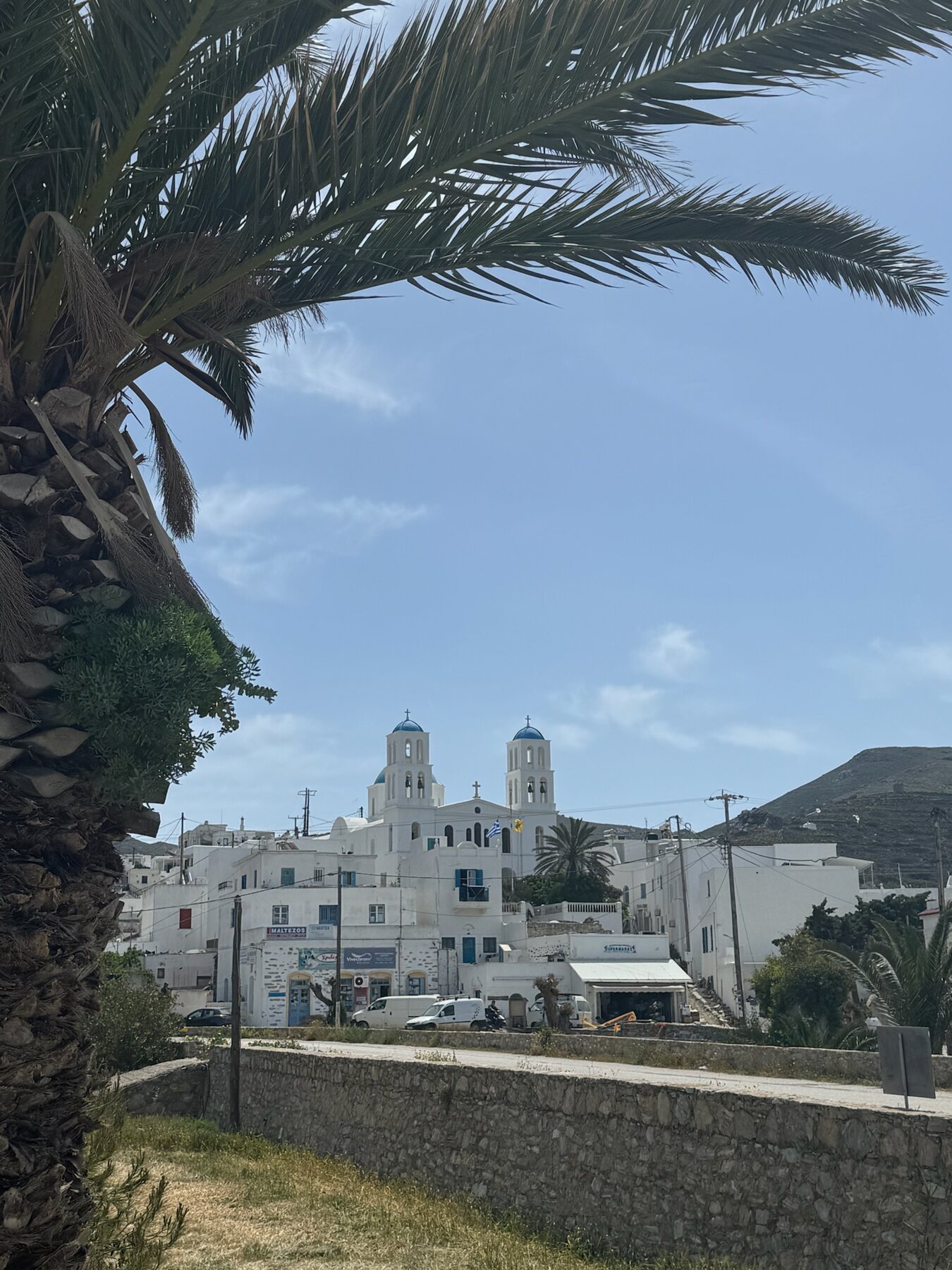
Tiny, sleepy, and not a linen shirt in sight.
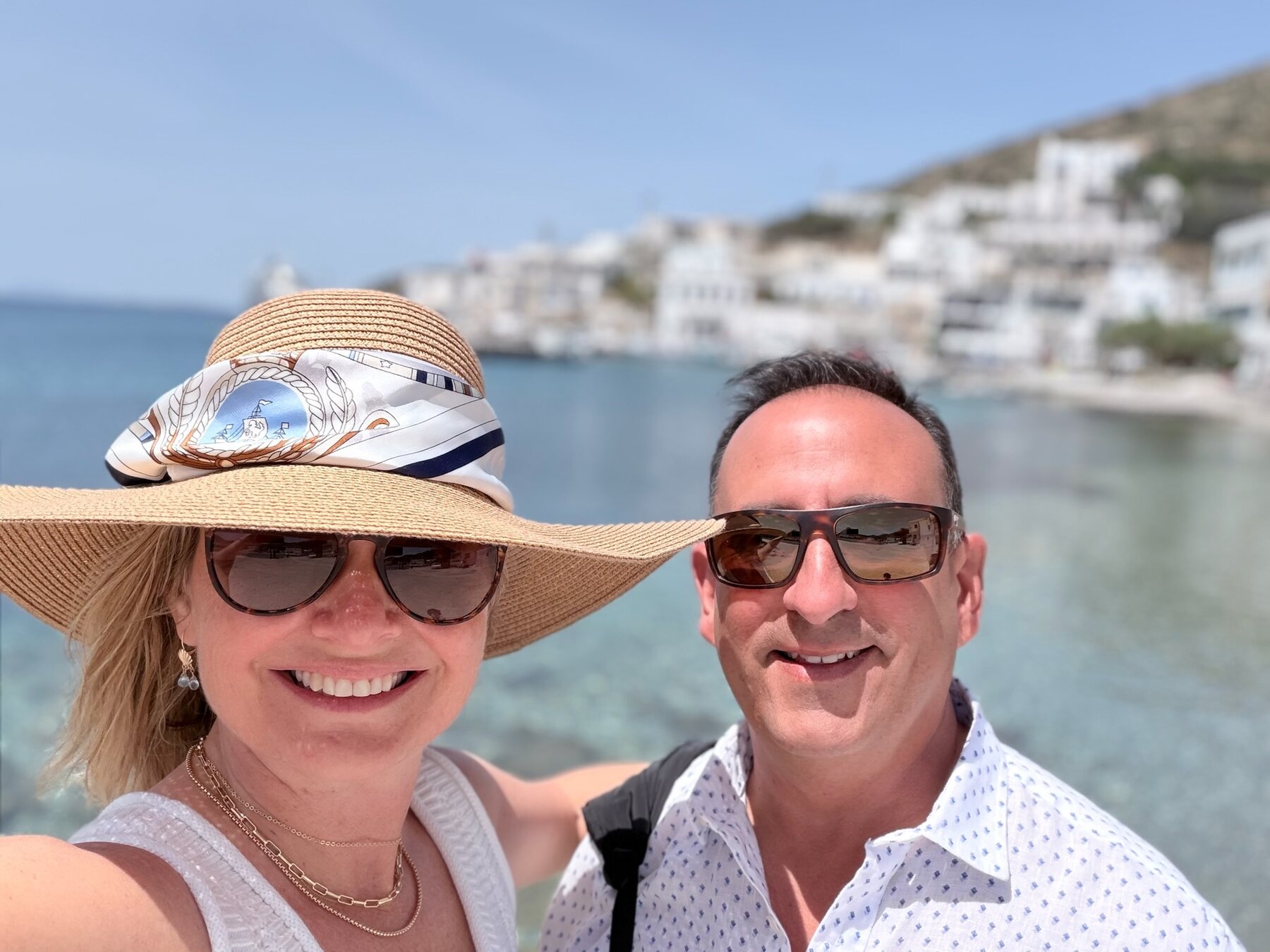
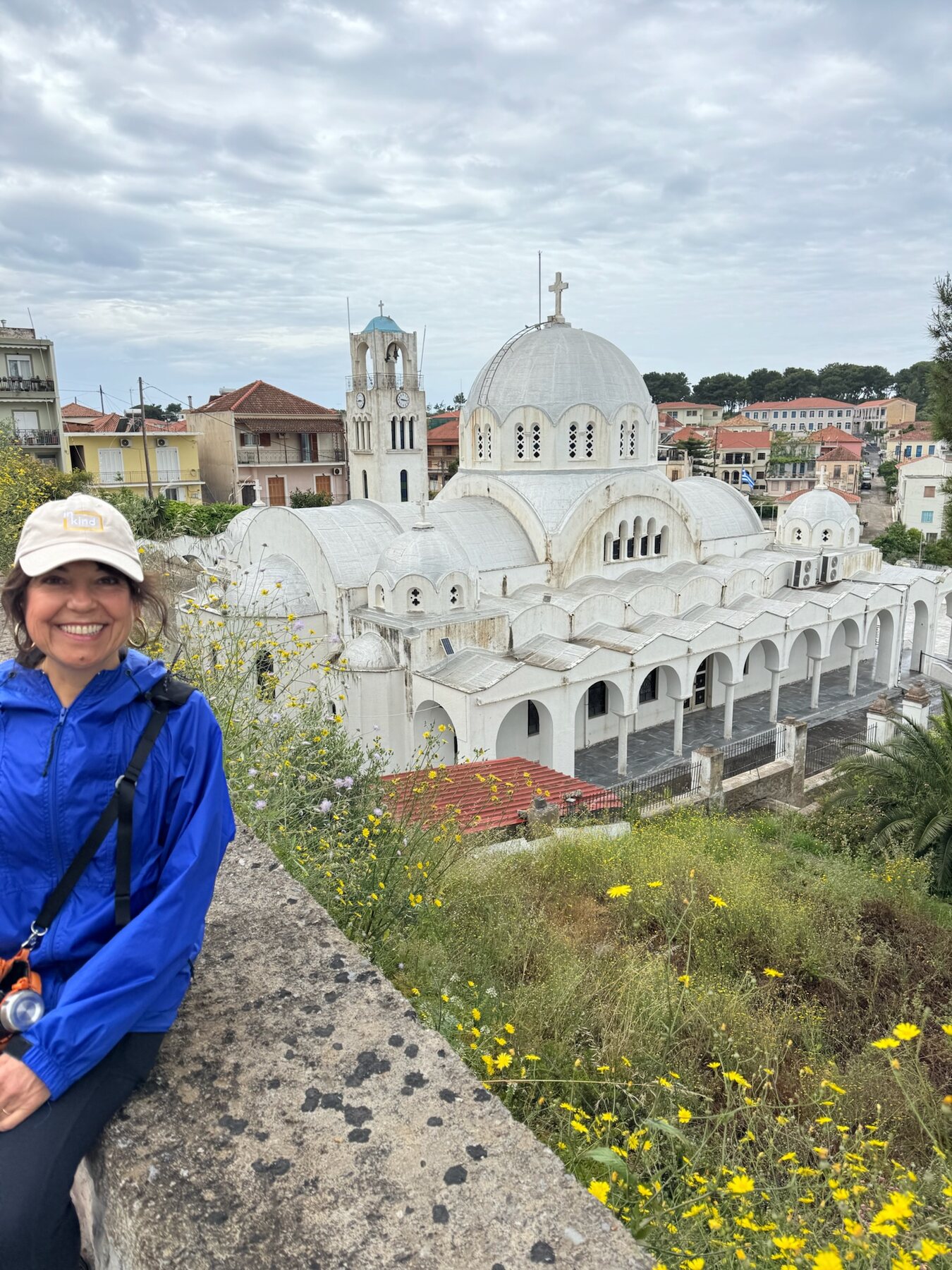
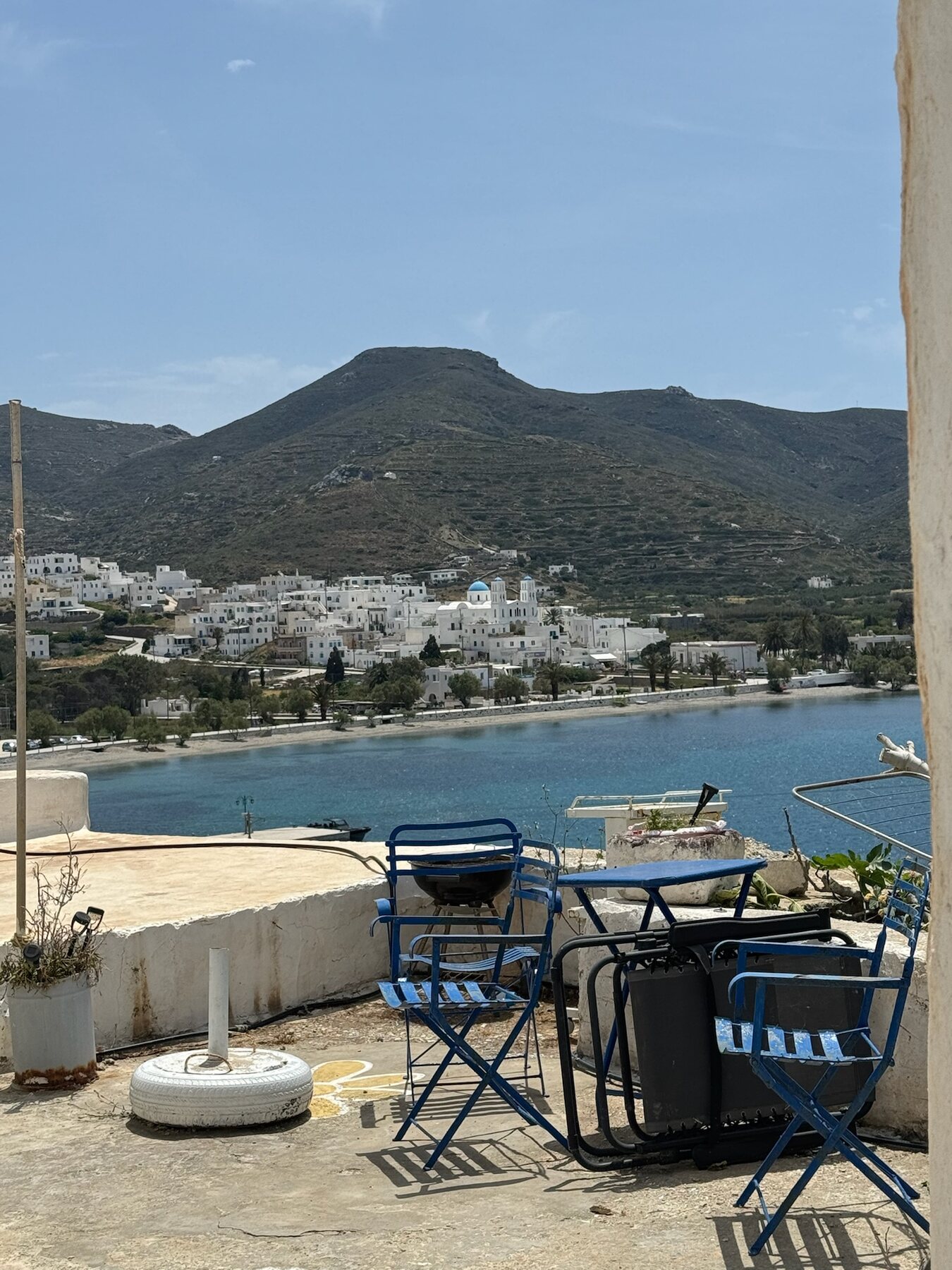
Katapola was a treasure. A sleepy harbor town, rarely visited by cruise ships and never by the mega ones — they simply can’t fit. Explora II dropped anchor in the bay, tendered us in, and we had the place very nearly to ourselves.
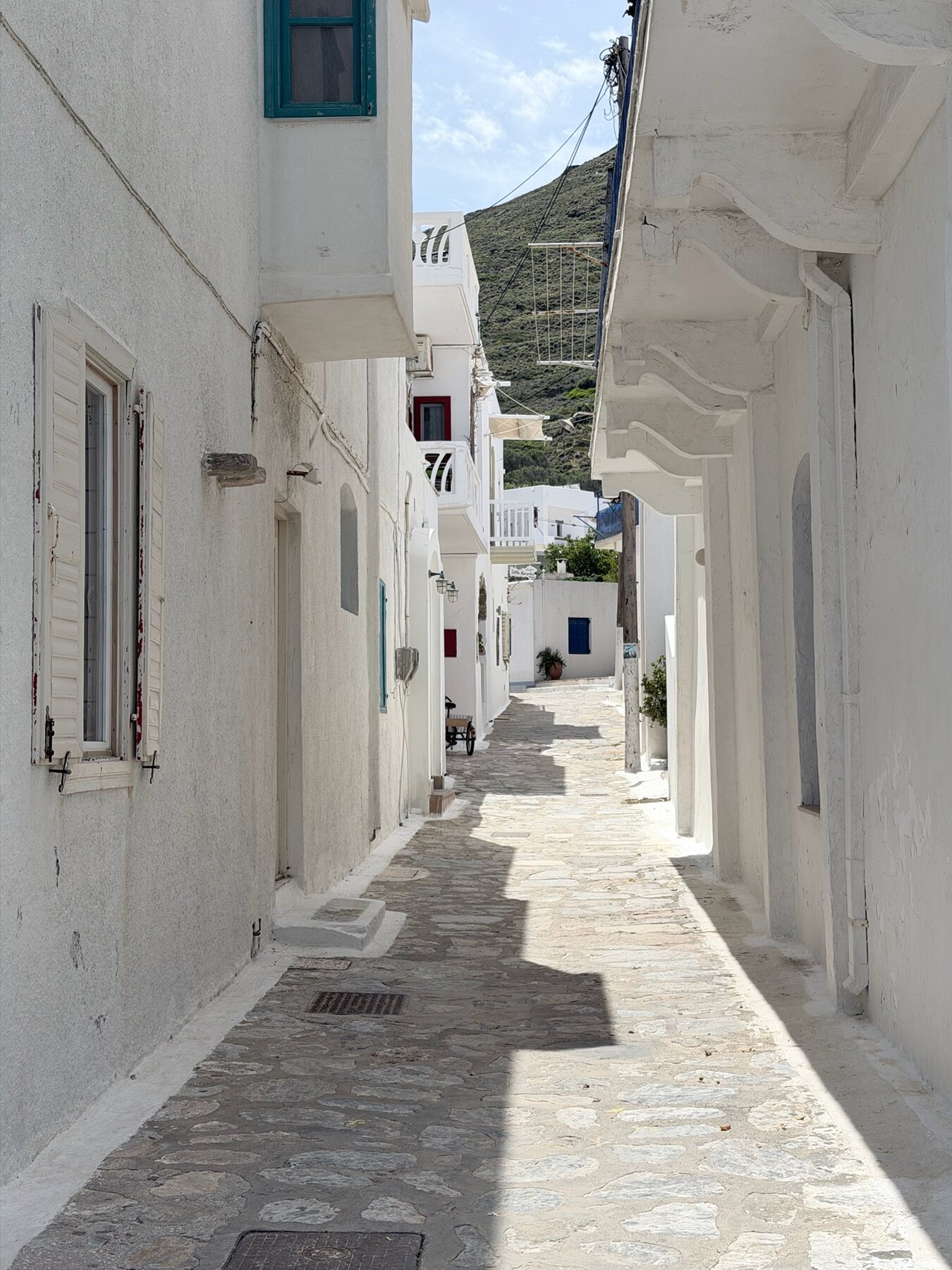
Is it tiny? Yes. Is it sleepy? Yes. Does it have twenty shops selling the same linen shirt? No. Are there tiny churches perched on little rock outcroppings, white against a sea so blue it looks edited? Yes.
This is a place for a long, aimless stroll through whitewashed lanes, past the blue-domed church and up for a view across the bay, finished with a glass of wine on the waterfront while the ship waits politely at anchor.
The flaw, if you need one: there’s nothing to do here, in the checklist sense. If your port days require a ticketed attraction and a gift shop, Katapola will bore you senseless. For the rest of us, that’s precisely the point.
Windmills, wine, and a $300 shirt made somewhere very far away.
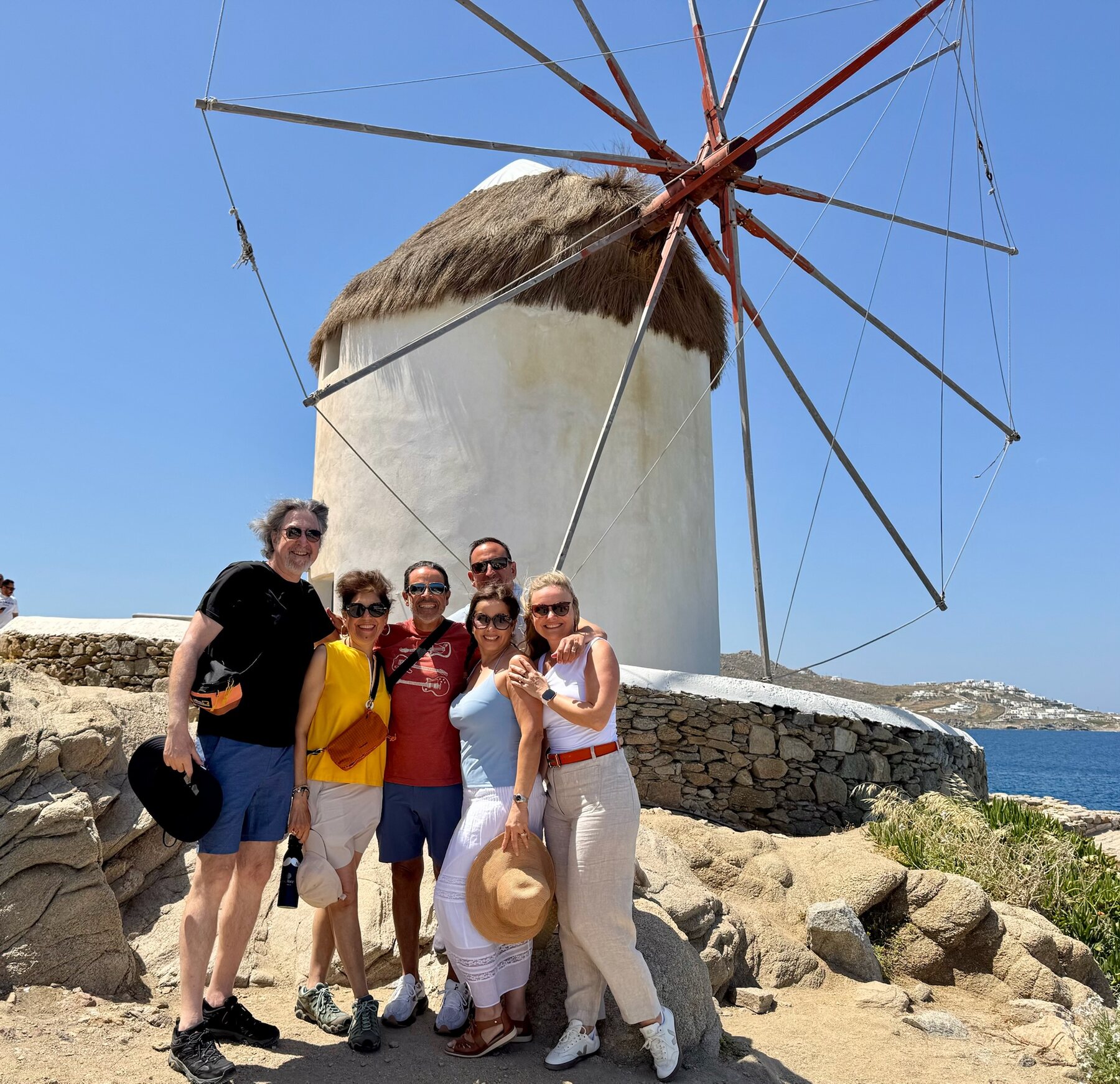
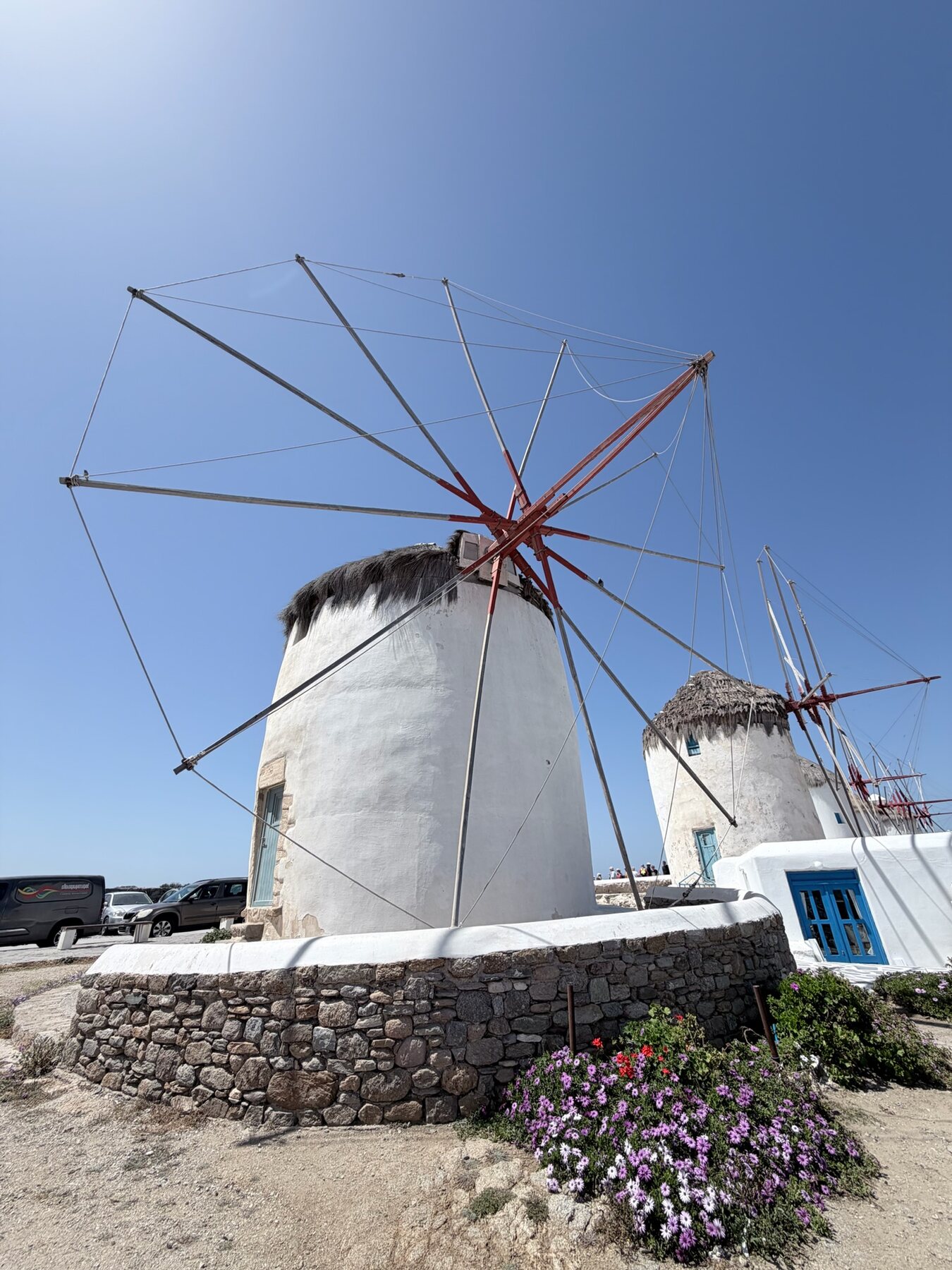
Mykonos is a Greek island with a complex presentation. It is undeniably beautiful, and the view from the windmills is lovely. But, as with most places overrun by tourists, the authentic feel has been lost to a labyrinth of restaurants with English menus and street after street of linen shops selling very overpriced clothing, made in China. Think $300 shirts.
Food and drink prices are universally high here, so we leaned into it the smart way: a lovely afternoon in Little Venice with light bites and a bottle of Greek white, watching the tide rise at our feet. Take a look at the area from the sea side, too — and choose your seat carefully, or you may end up a bit wet.
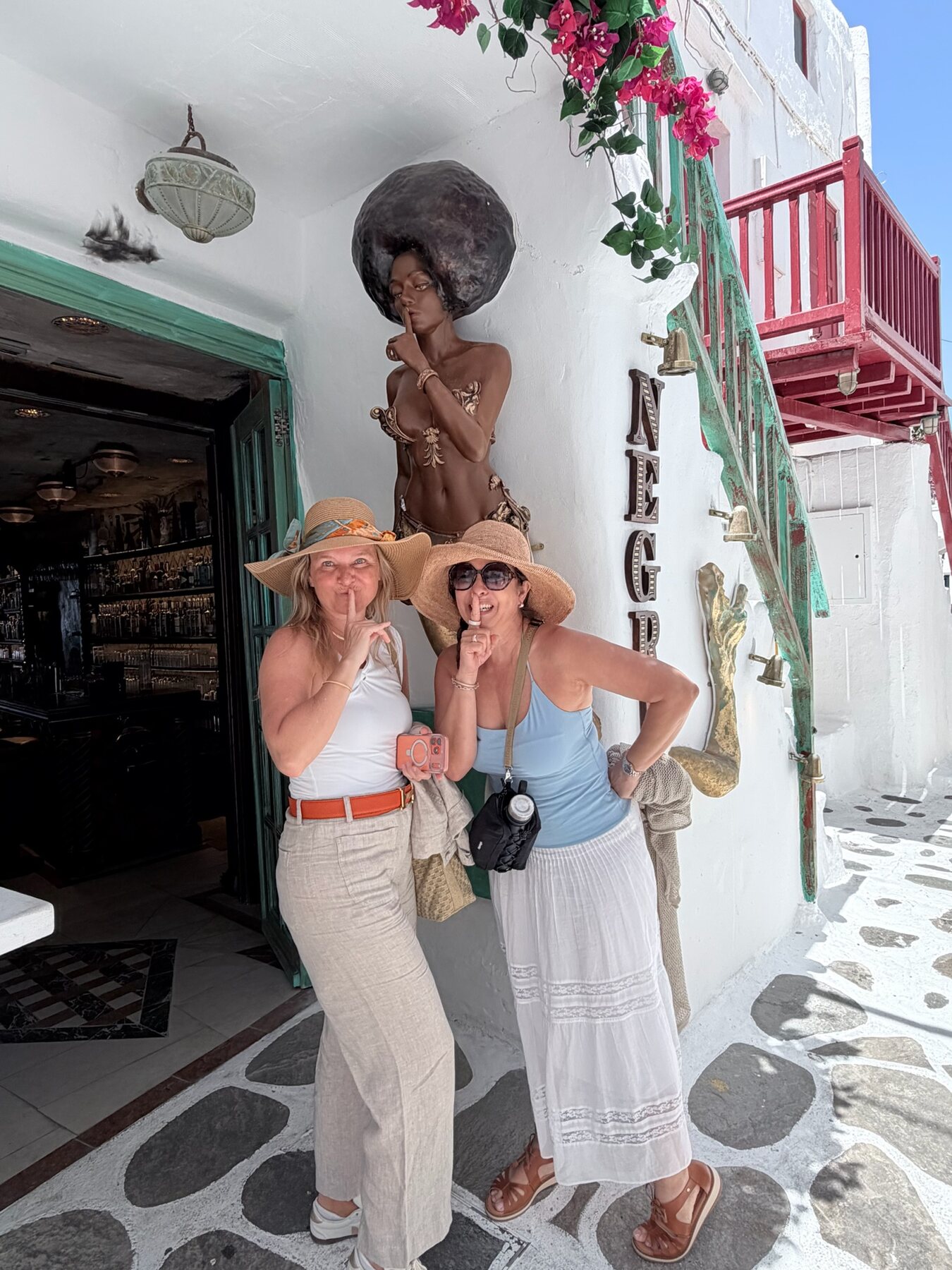
Before that, we landed at Negrita. Not sure why we chose it, but the wine was crisp and fresh, the service was great, and the view? Fabulous. Sometimes the random pick wins.
Get in, get to the dock, get on with it.
Piraeus is a big, busy port city, and we treated it accordingly: a taxi straight to the Explora dock. The city is large and didn’t strike us as worth a long stay, outside of transiting to the cruise port or the ferry dock.
Translation: if your itinerary routes you through Piraeus, spend your time in Athens and let Piraeus be the doorway, not the room.
The island next door is the point.
If your cruise brings you to Paros, hop on the ferry to Antiparos. The name says it all. Antiparos is a dream of a Greek island: an adorable little town, real charm, unique ruins, and the kind of pace that makes you cancel the rest of your afternoon.
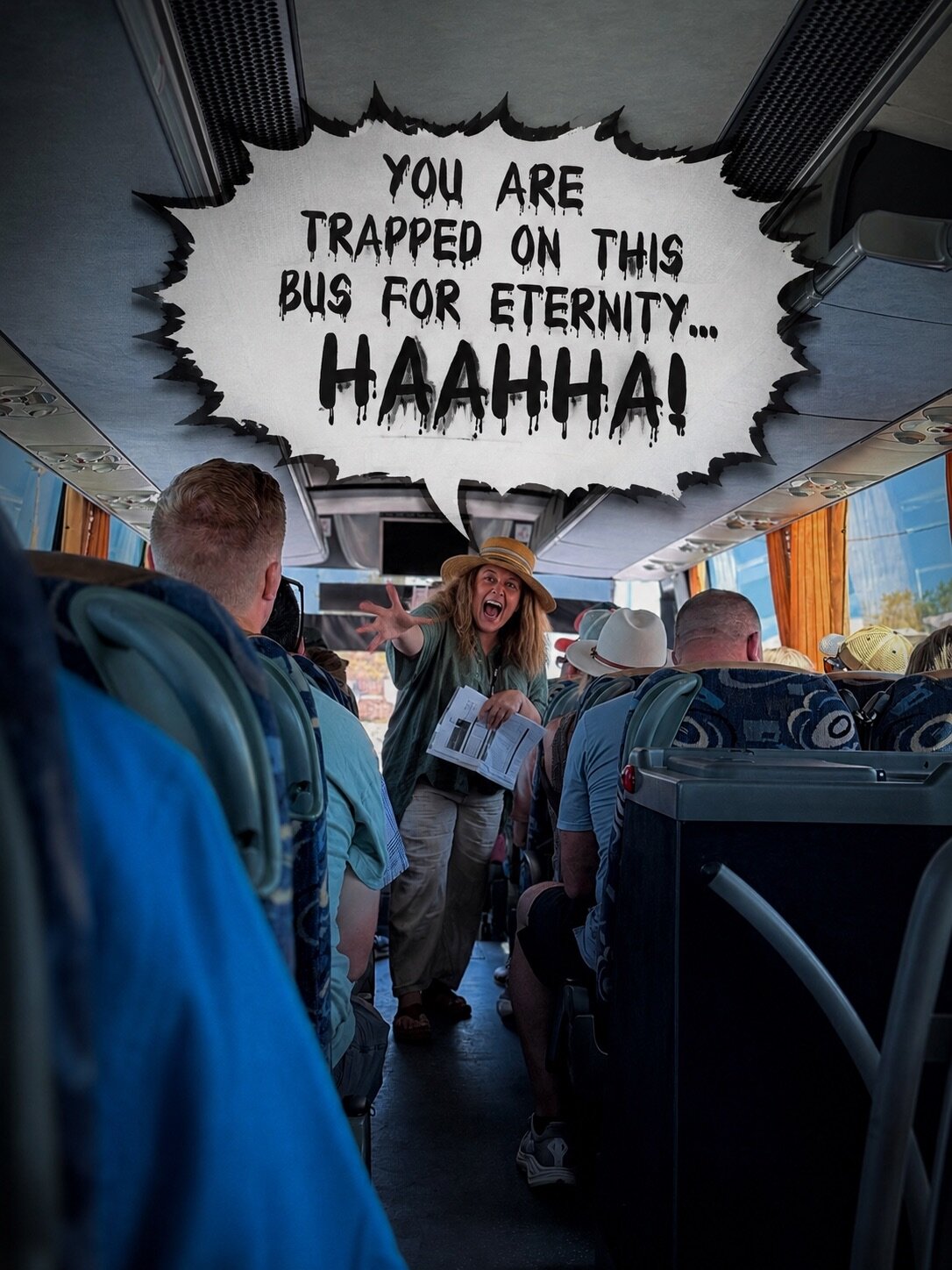
The flaw was entirely our own doing: we did it on a ship excursion, which turned a lovely island into a bus-bound hostage situation. Do this one yourself. Take the public ferry, wander the town at your own speed, and find your own beachfront café — ideally one that remembers your order. The full saga is in Part 2.
Evil-eye pendants out front, ancient arches out back.
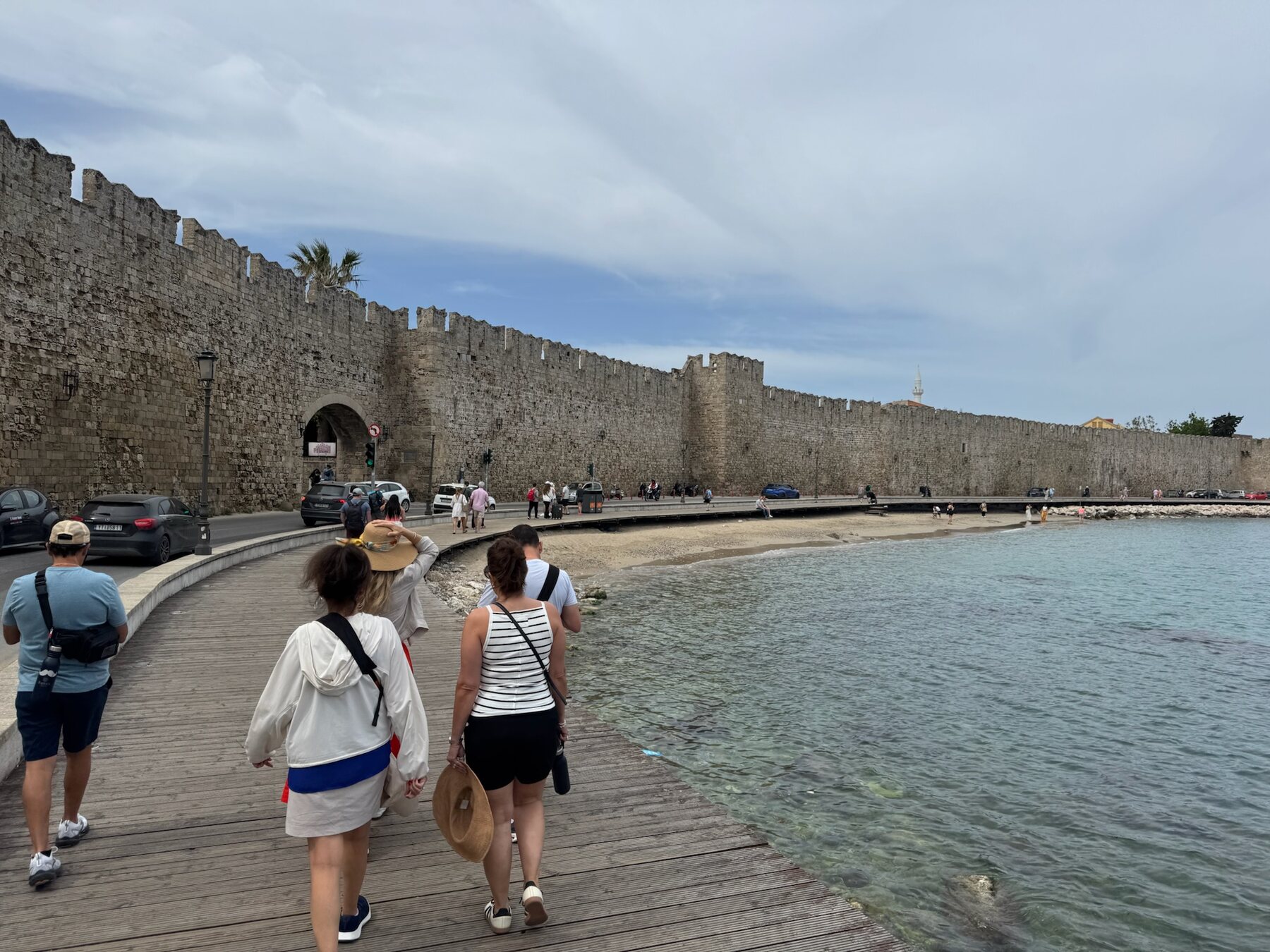
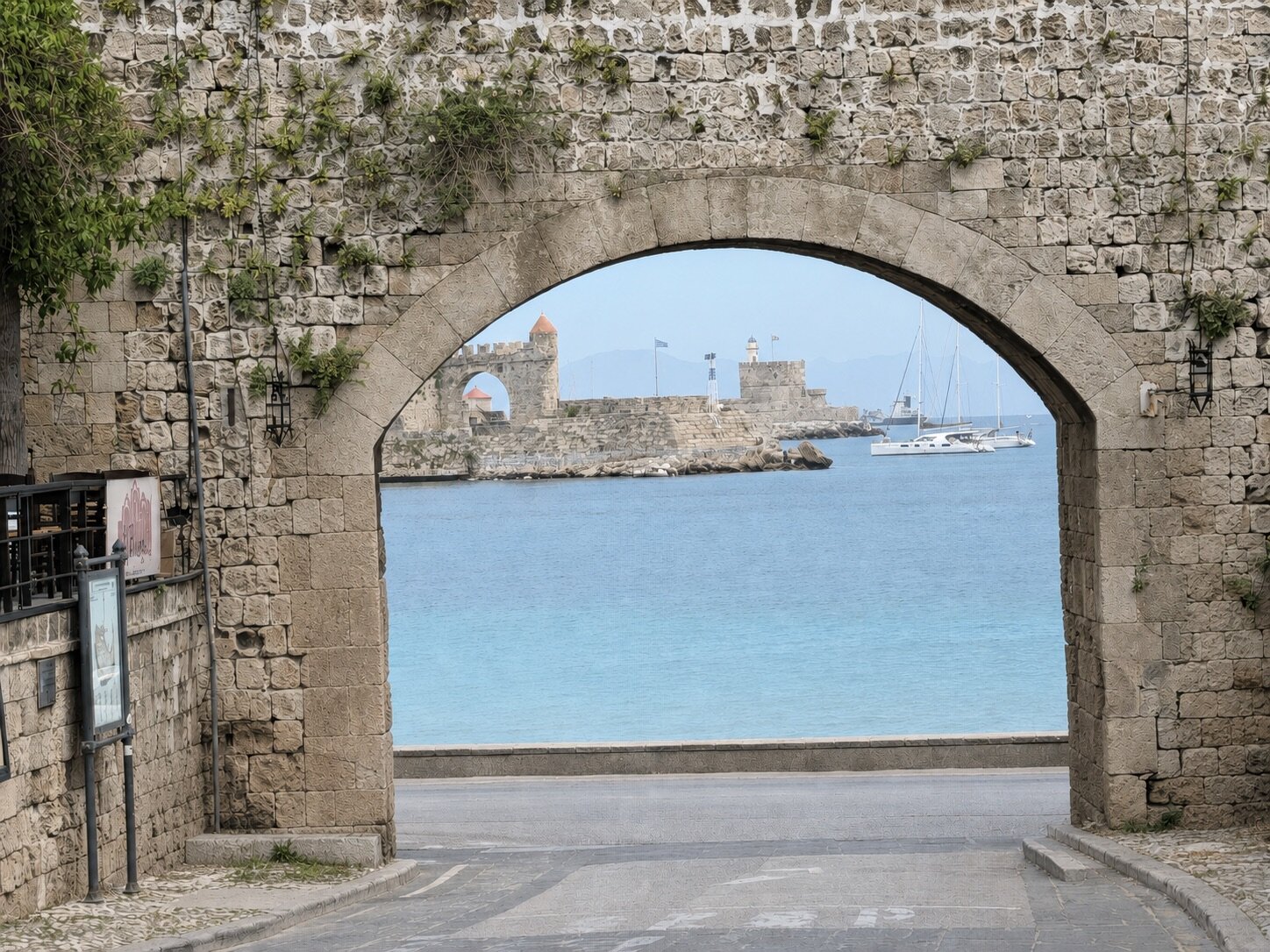
The Medieval City of Rhodes is a city of contrasts. Yes, it is overrun with a hundred jewelry stores hawking evil-eye pendants and fine Greek linen. But its labyrinth of alleys can also lead you to wonderful, forgotten corners with ancient arches and crumbling ruins. Do your best to get lost. Then walk the Medieval Town Moat — worth it.
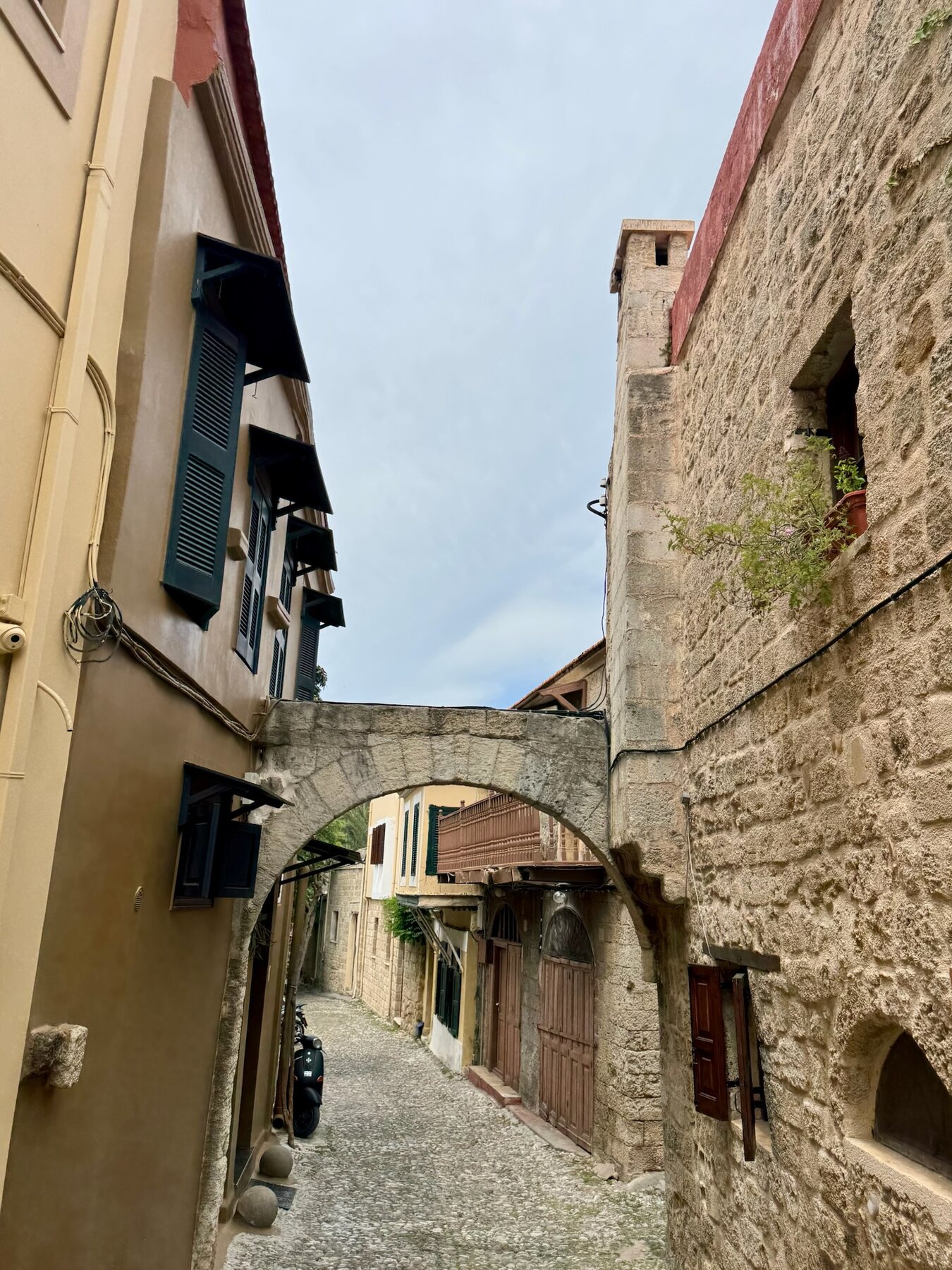
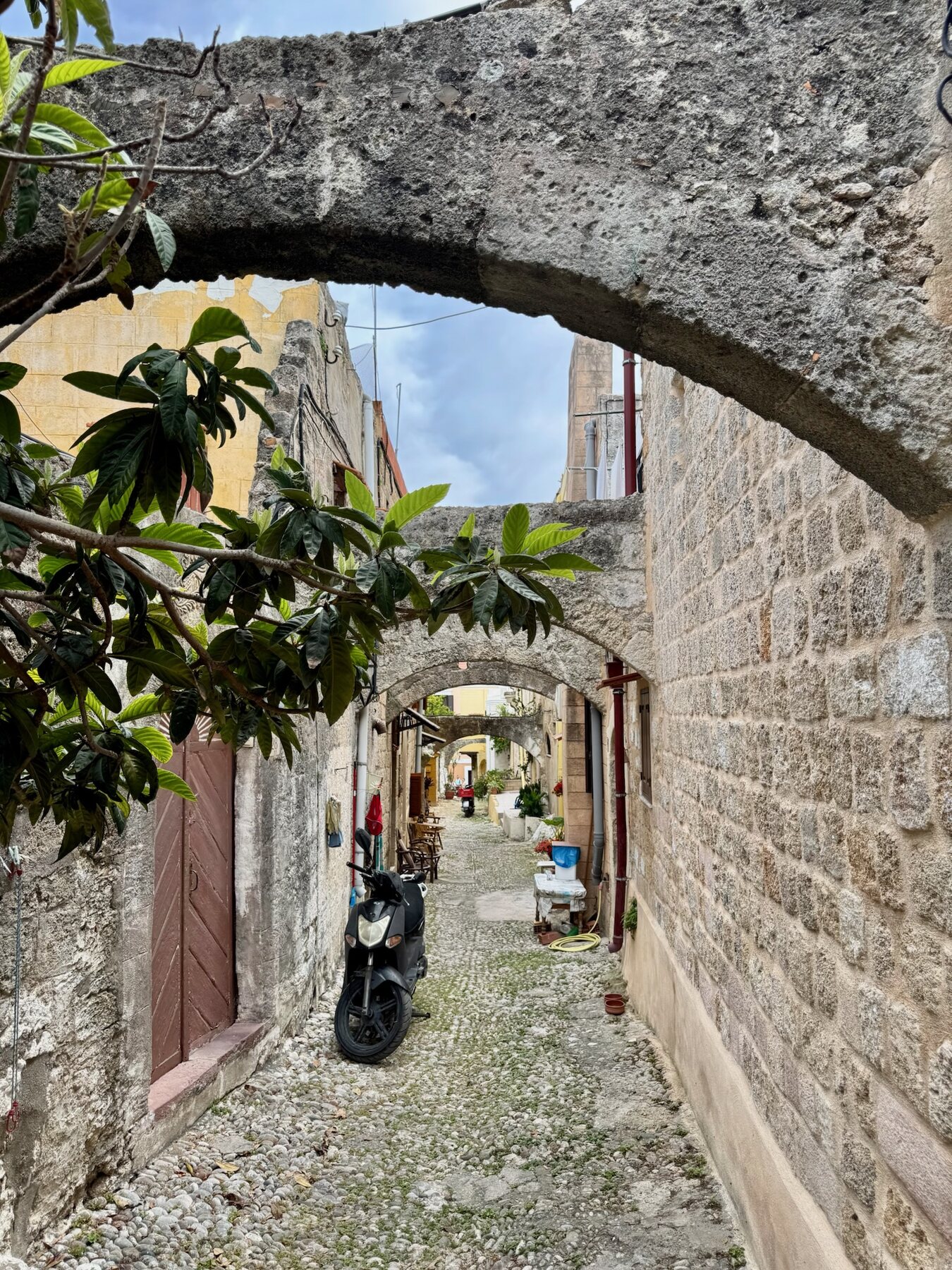
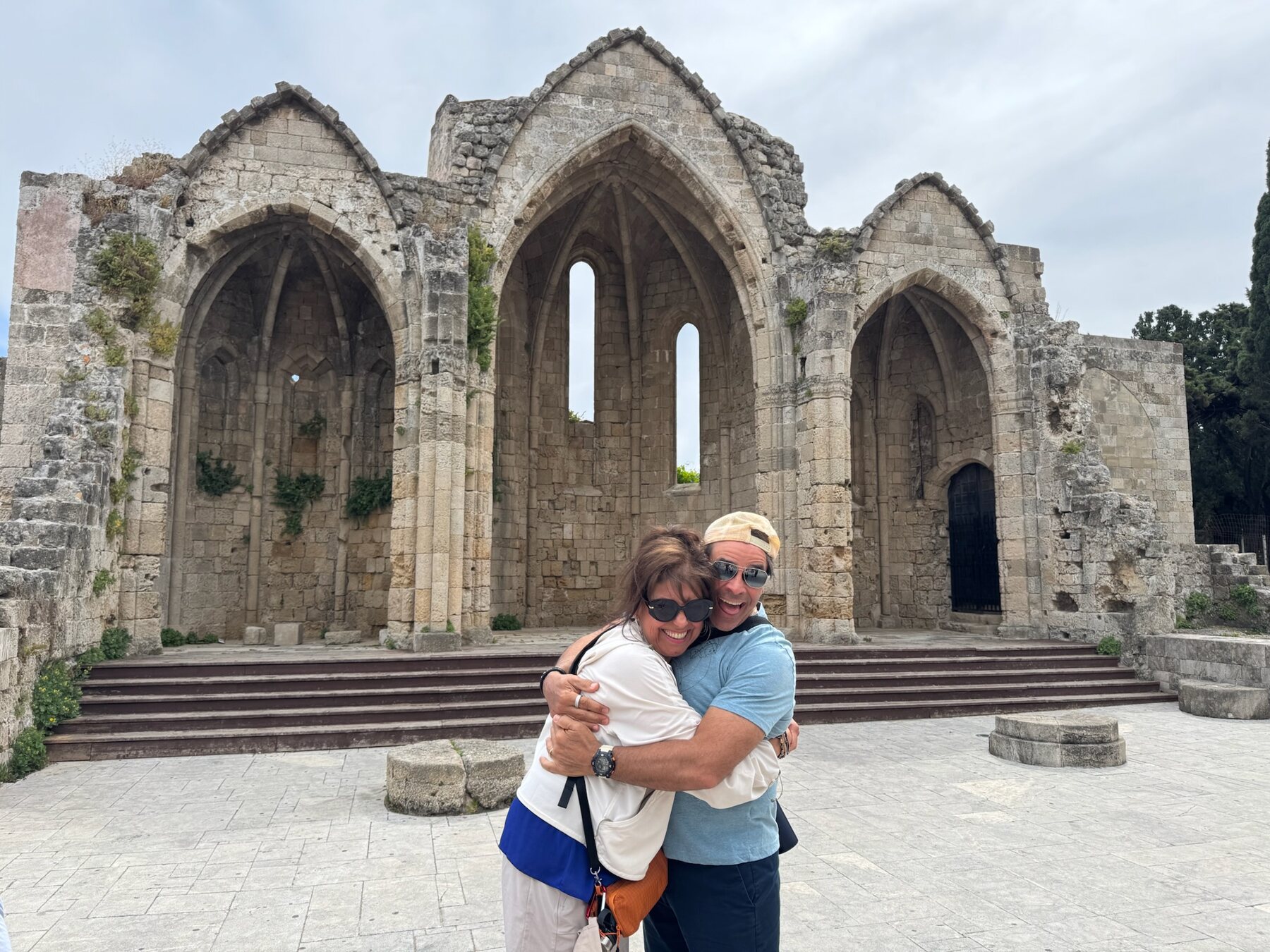
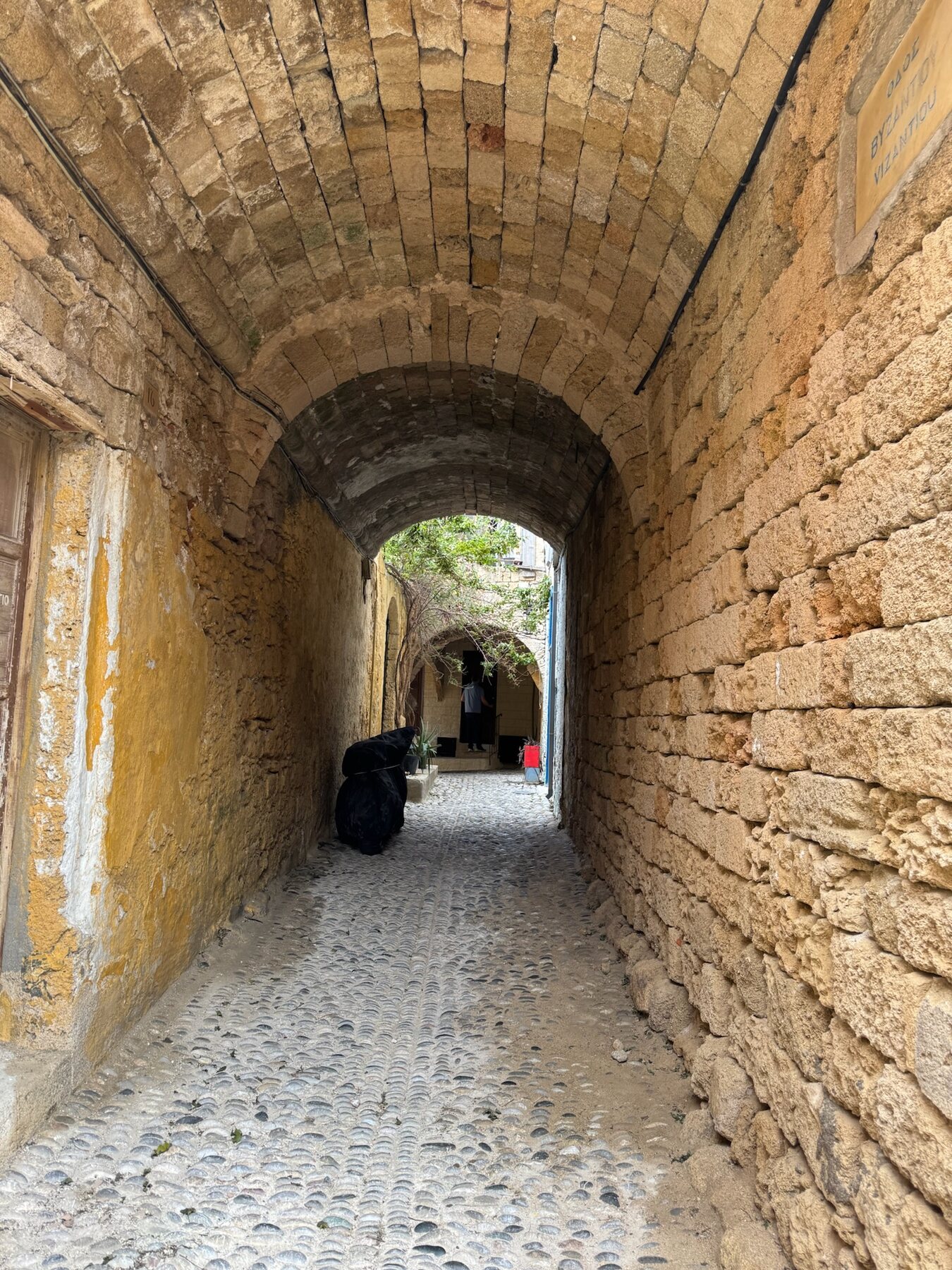
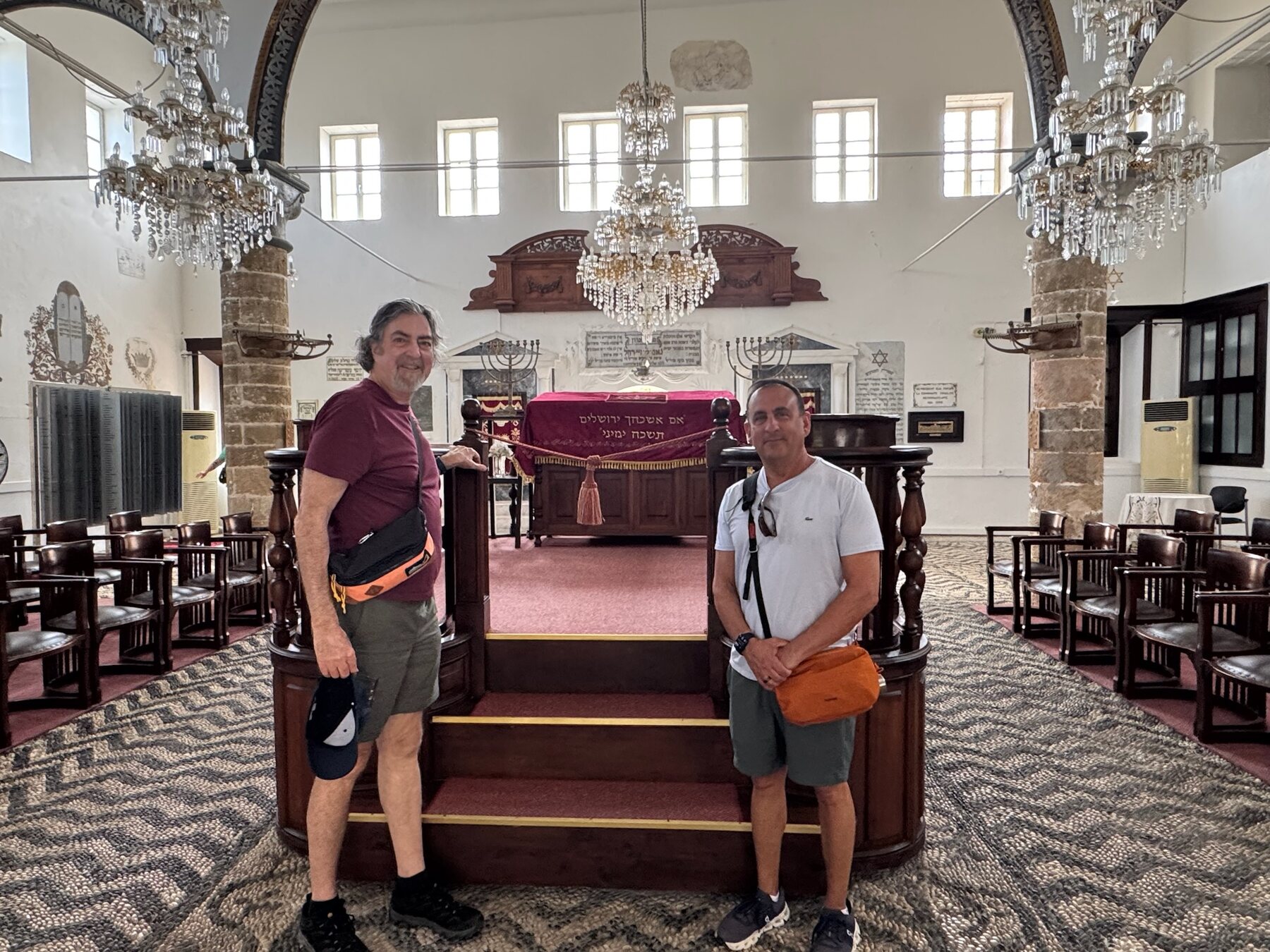
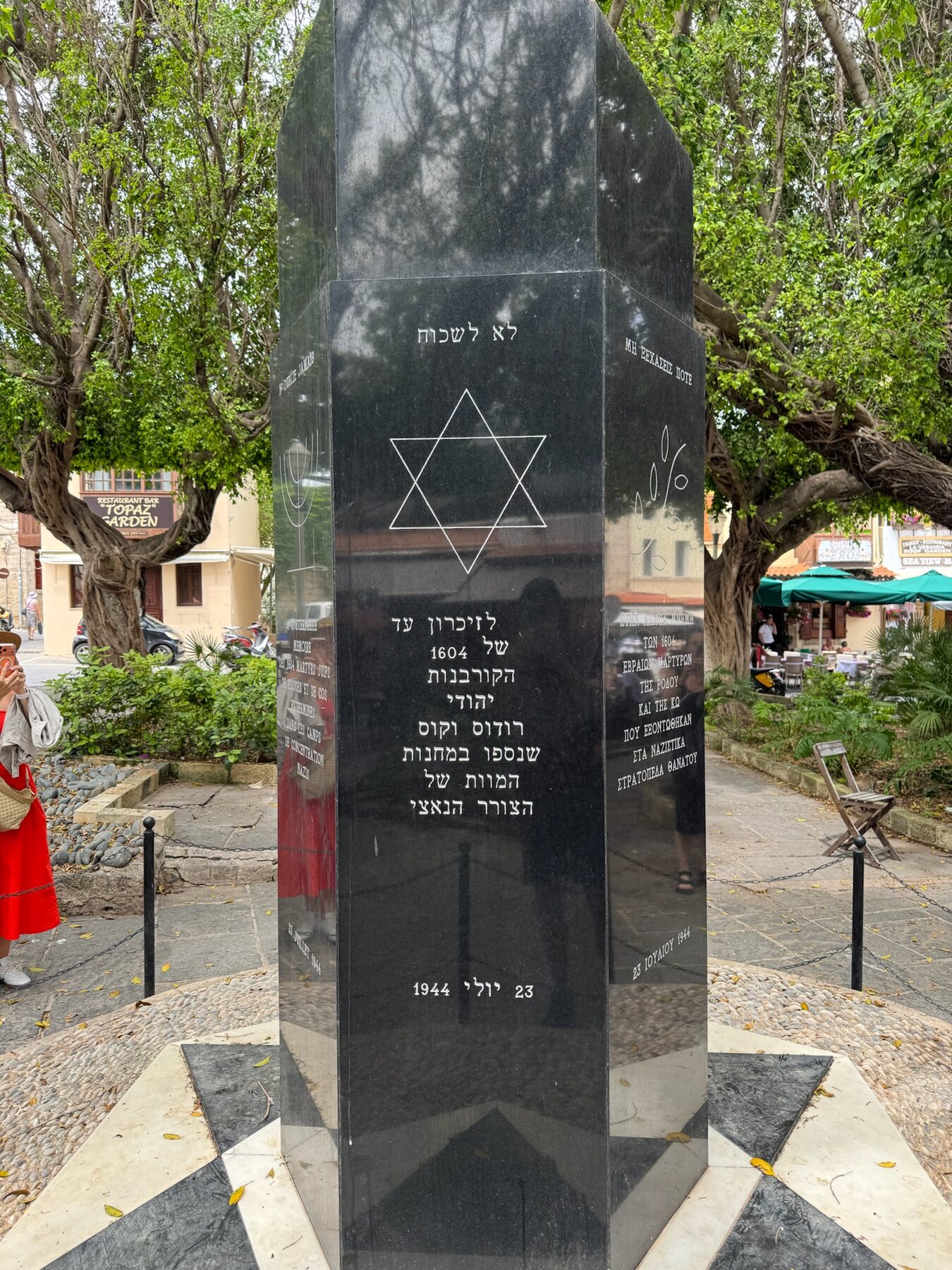
Rhodes also holds a moving Jewish history that most visitors walk right past. Kahal Shalom Synagogue is worth the entrance fee, and the Jewish Museum of Rhodes beside it preserves an old temple and mikvah with a deeply interesting history of the Jews in this region. Jewish Martyrs Square is worth the visit too — you don’t often see this kind of remembrance — but the restaurant hawkers and tourist-trap stores around it take away from the solemn spirit the place deserves.
Shopping note: Tassos Samourakis is a family-run gold and silver jeweler with lovely work. Beware, though: you will not get your VAT back. They claim they have never heard of it.
Smaller footprint. Equally stunning. Far fewer linen shirts.
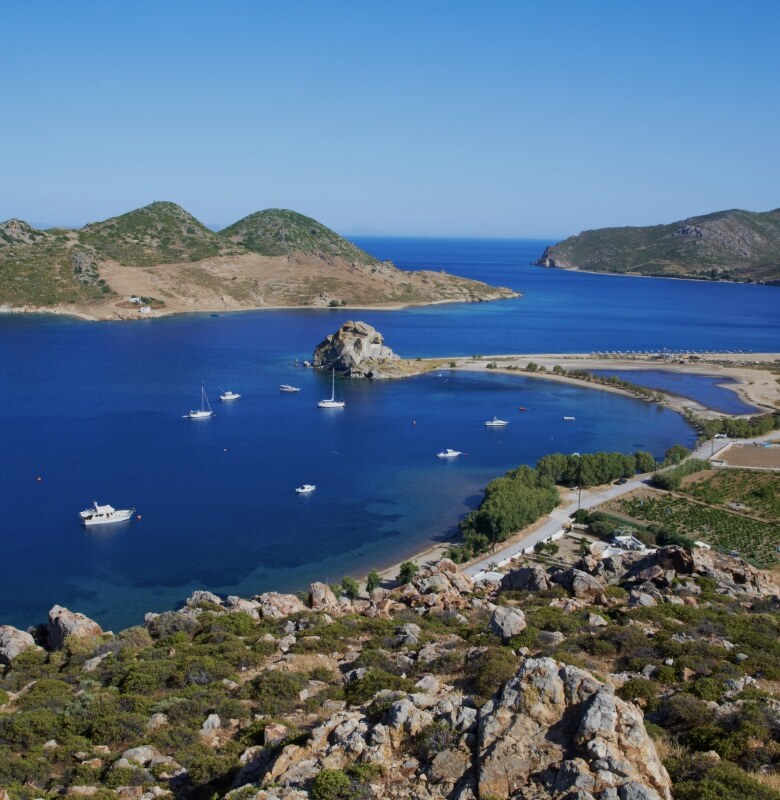
Patmos was a lovely port: a smaller footprint than Mykonos, but an equally stunning location. Stark, desert-like hillsides drop straight into turquoise water, and the town is all whitewashed lanes and lovely white buildings that haven’t yet traded their personality for a linen shop.
We wandered the town with no agenda and enjoyed every minute ashore. Up on the hill, the fortress-like Monastery of Saint John watches over everything, as it has for about nine centuries. We admired it from below. Maybe next time we’ll make it up to the fort.
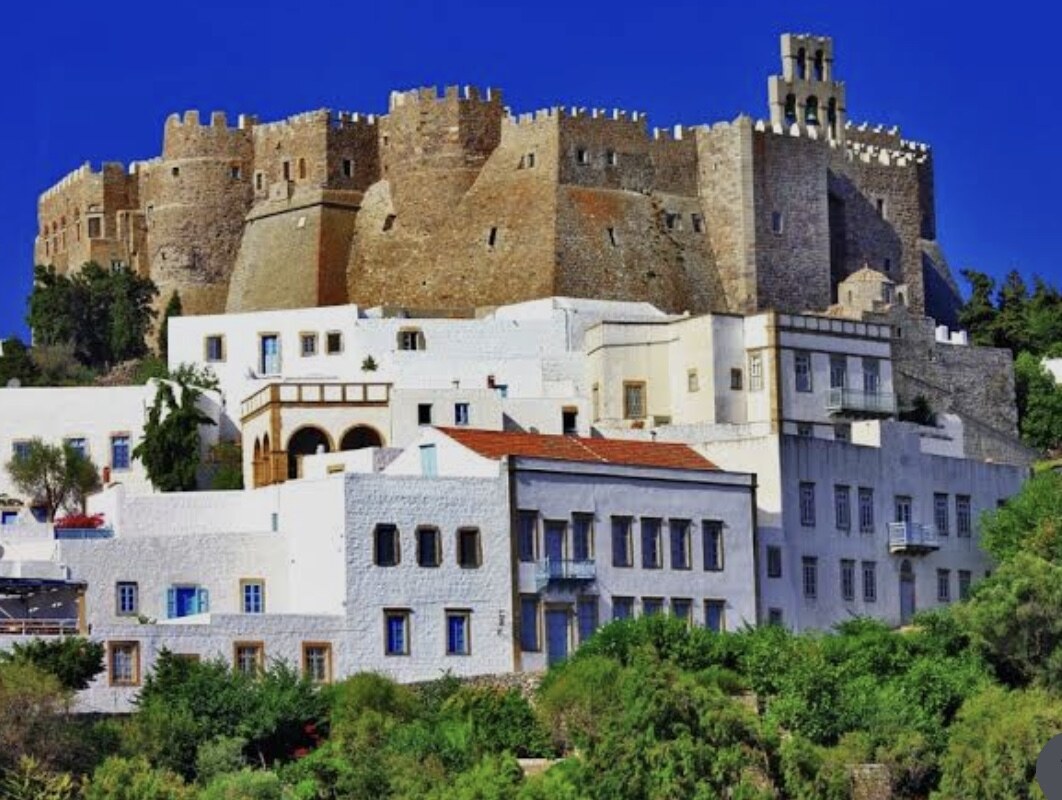
A note on the photos here: they’re stock. We were having too nice a time to take our own, which, frankly, is the highest compliment we can pay a port.
Authentic, despite everyone else.
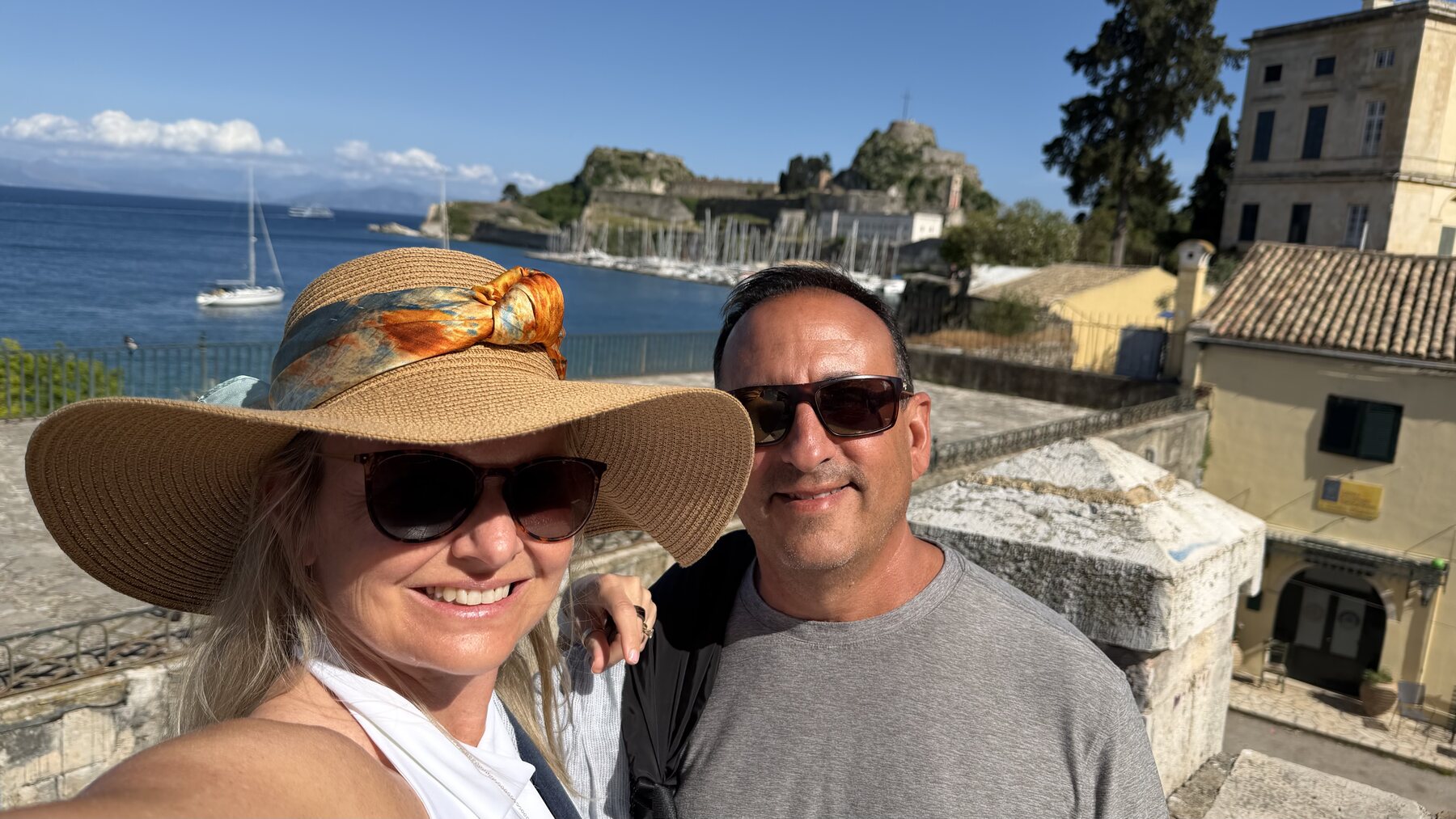
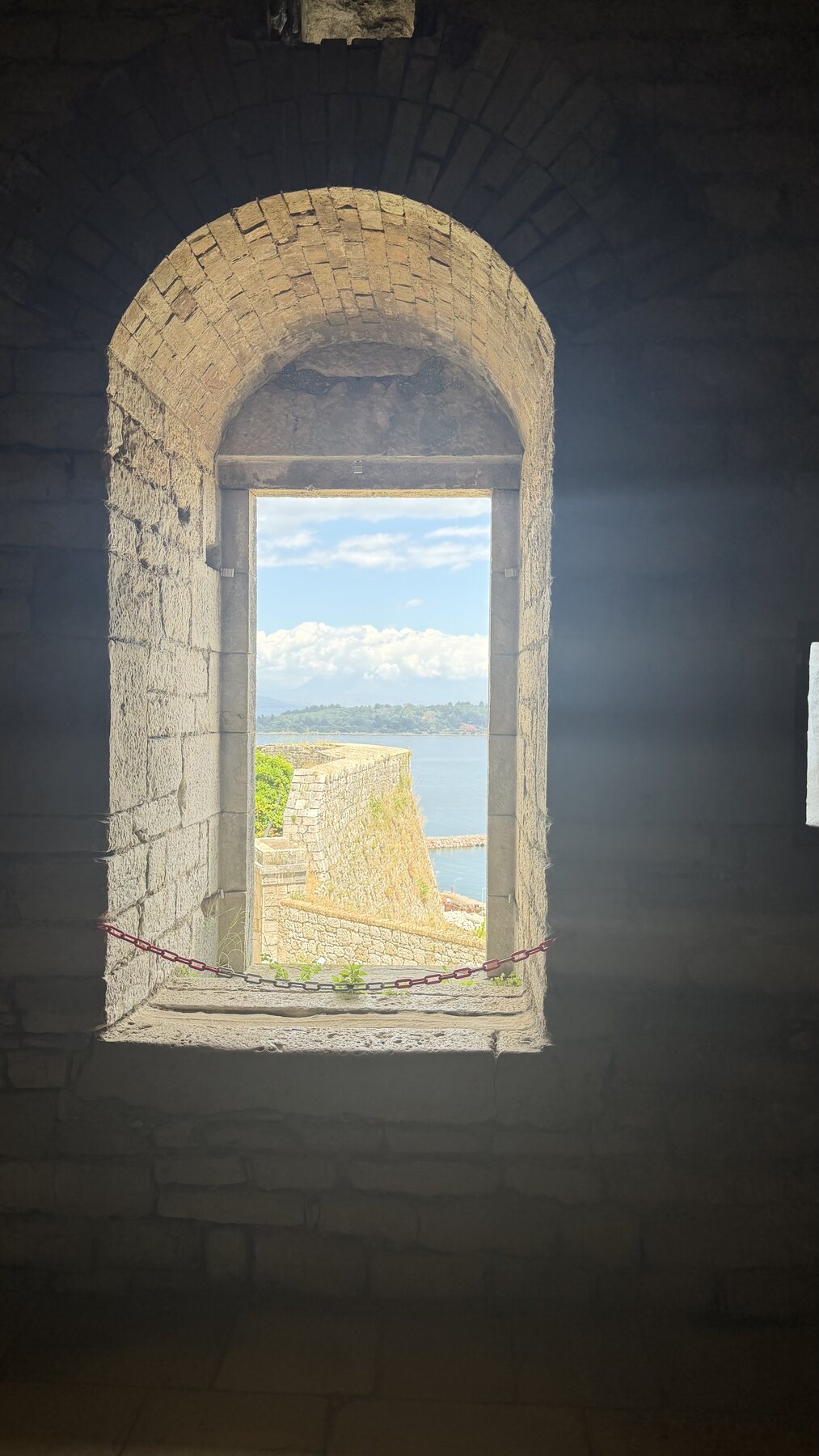
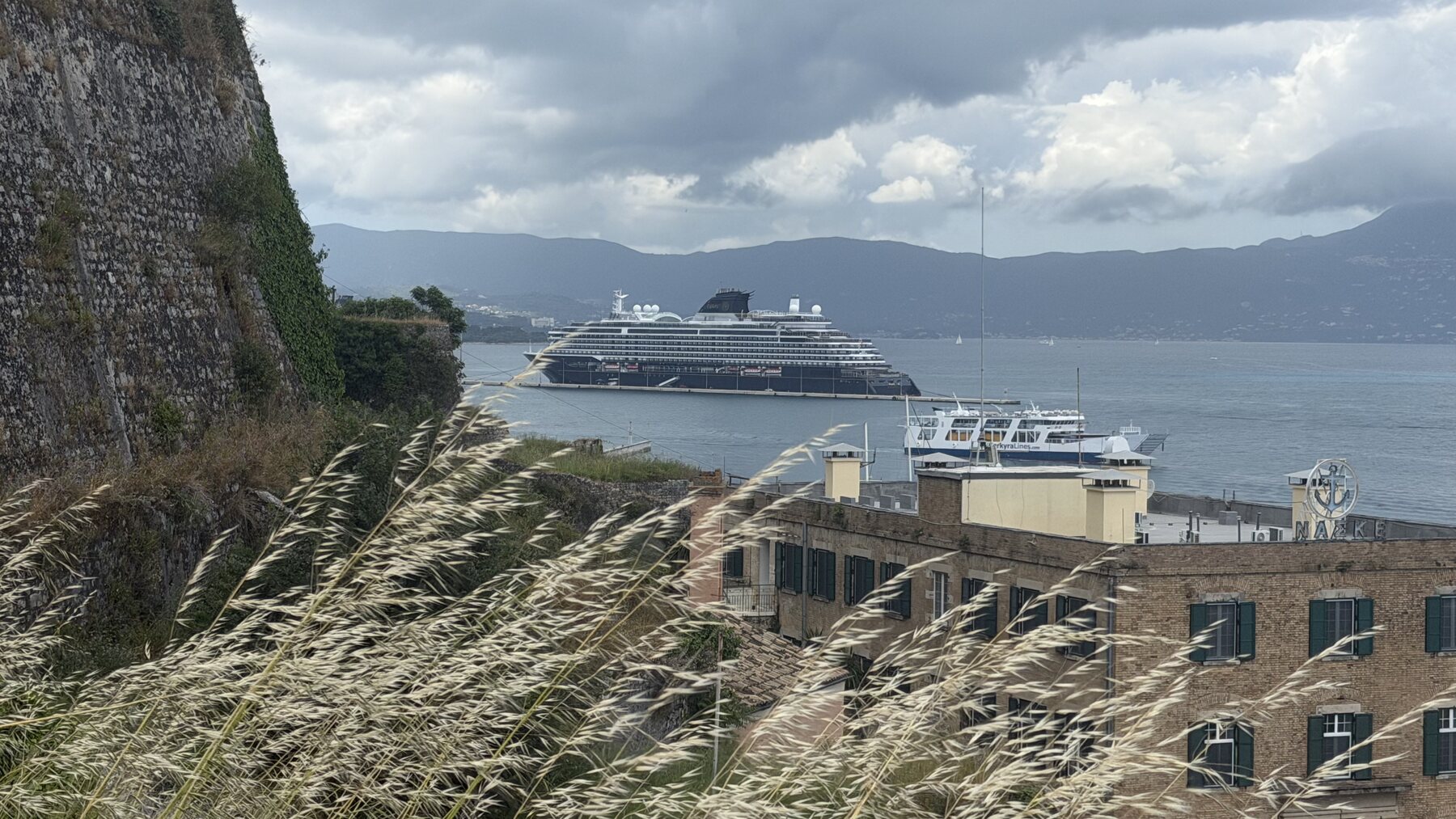
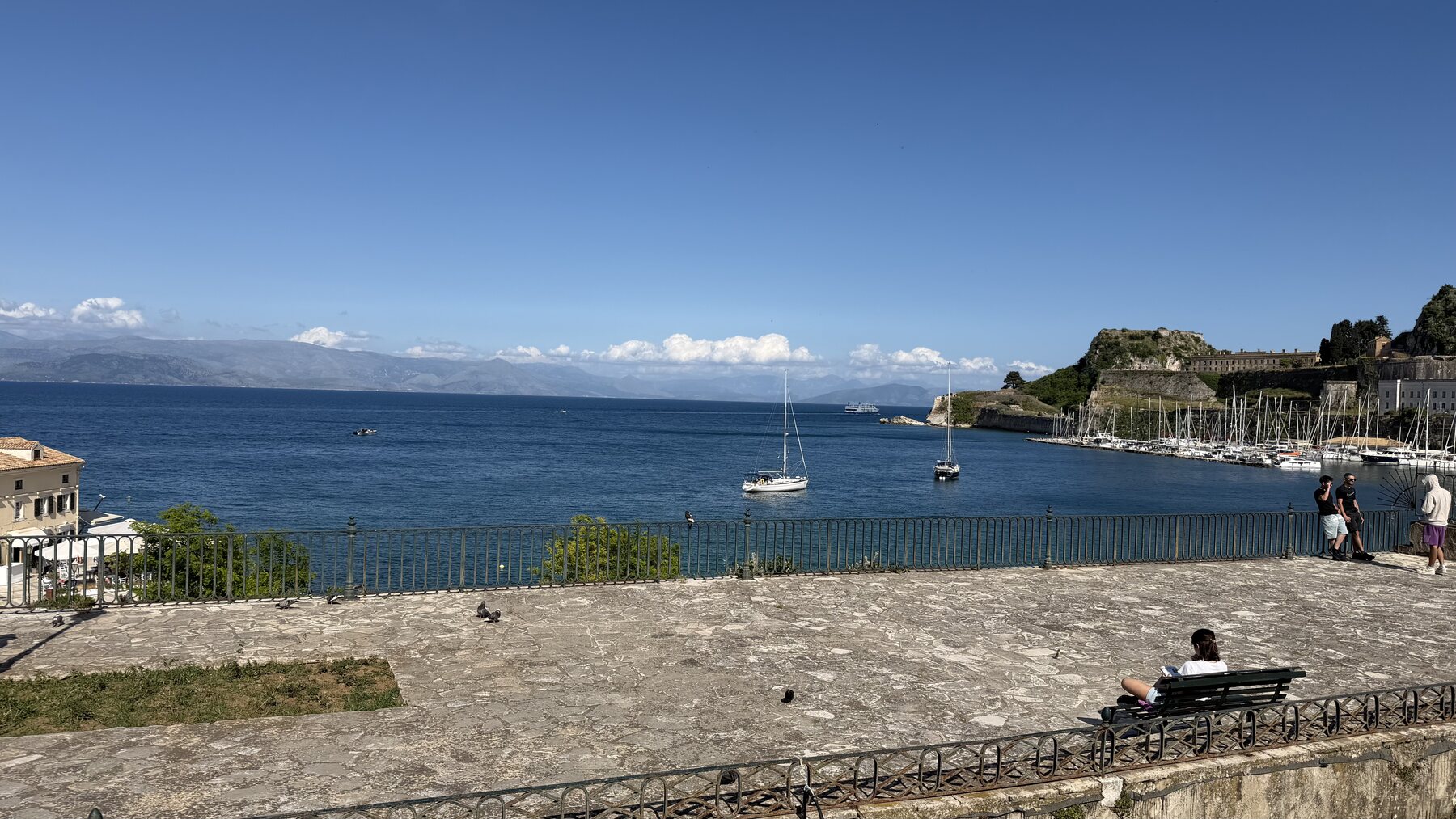
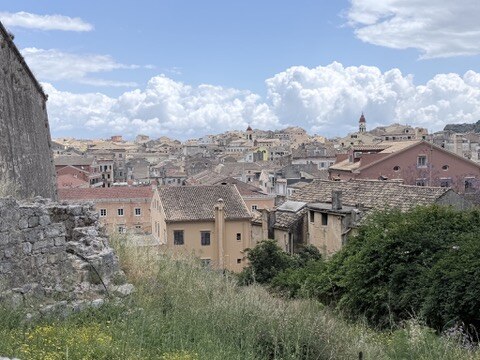
Corfu Town somehow manages to keep an authentic feel despite the influx of tourists. It was one of the only stops so enjoyable that we didn’t rush back to the ship for lunch — and we were not disappointed.
The flaw: it’s a long and somewhat disappointing walk from the port. Wait for the bus or grab a taxi, and save your legs for the old town.
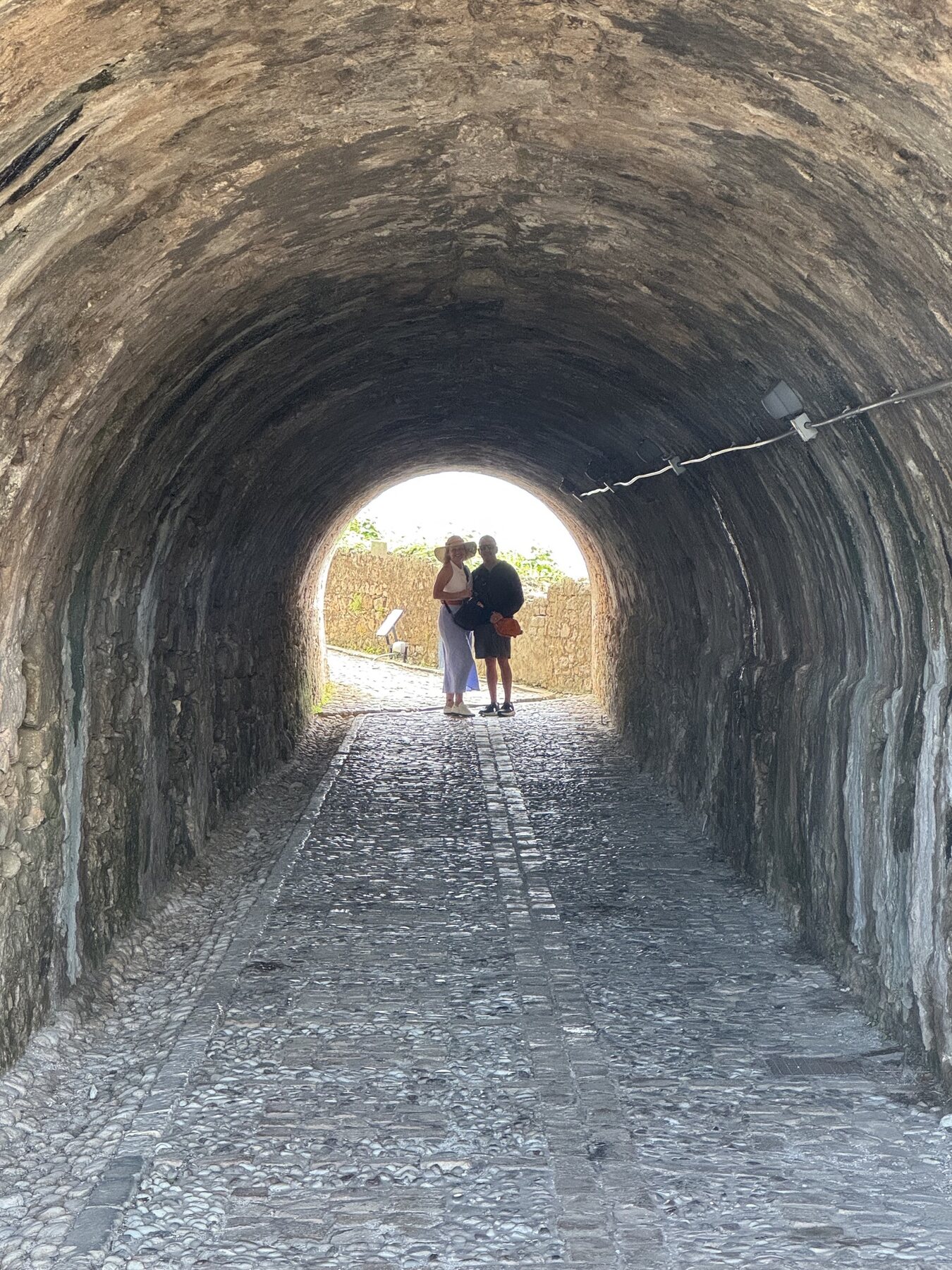
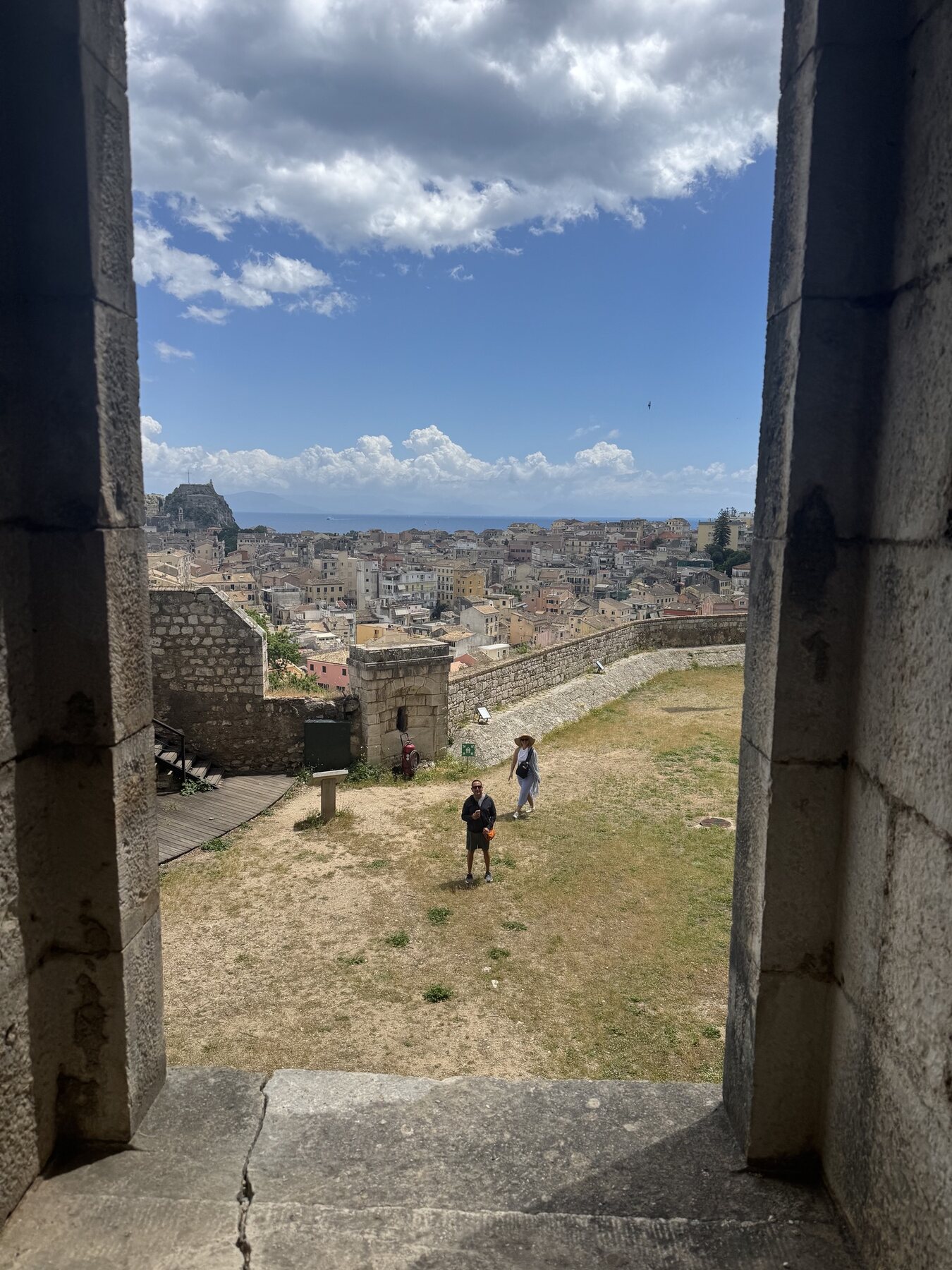
Once there, climb the Fortification of the Old Town for nice views mixed with history and old battlements. The Jewish Synagogue of Corfu is another must-see: a simple facade, a beautiful interior, and a very sad history. And for that lunch we stayed ashore for, Ampakas is a very special place: lovely outdoor seating, excellent service, great food, and a fair price. We really enjoyed it.
No rain this time. No wind. No excuse.
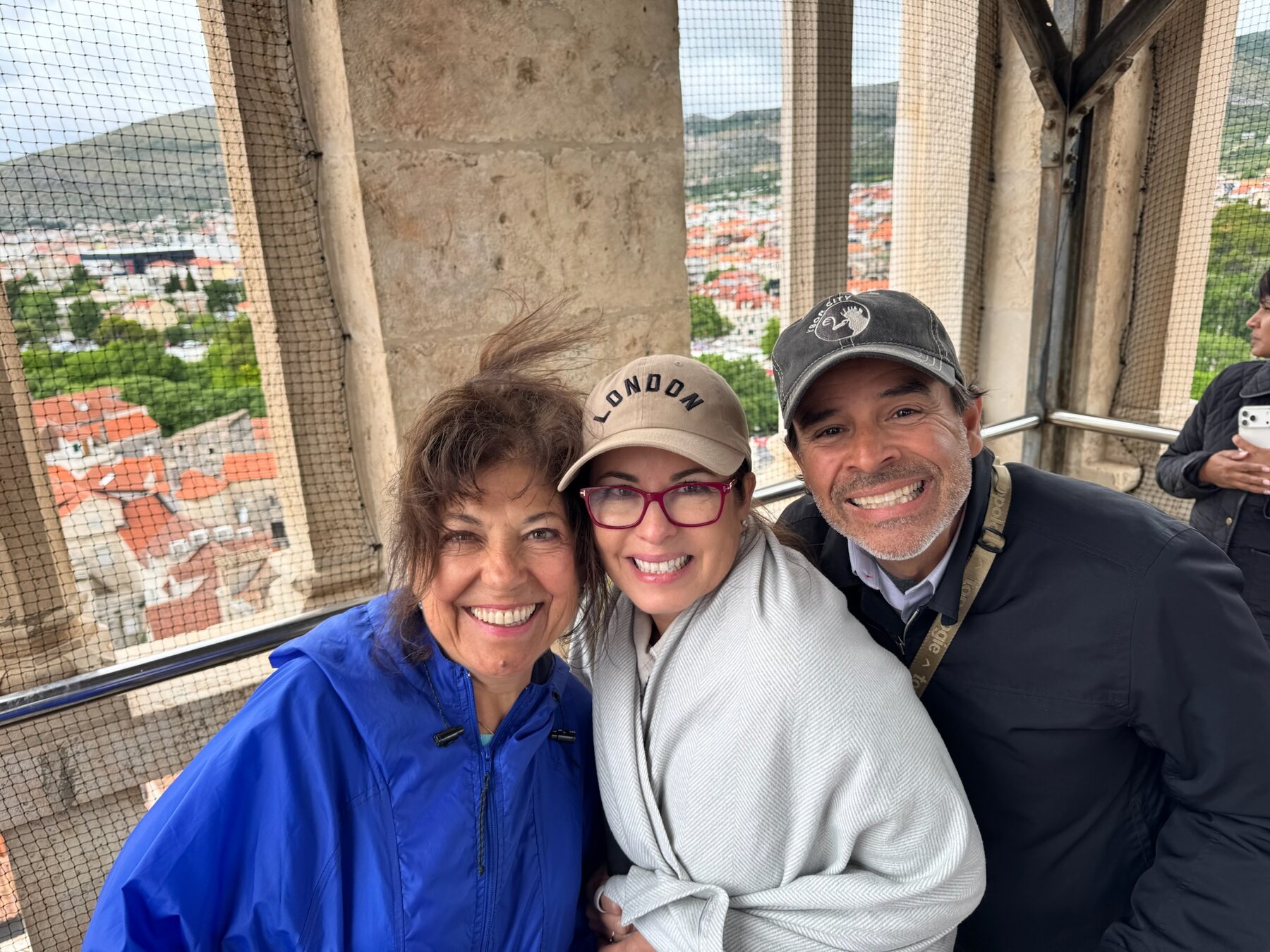
The itinerary said Hvar; our scouts’ photos say Trogir, the beautiful little UNESCO-listed medieval town just up the coast. Either way, the Staches have a confession to make: we were just lazy.
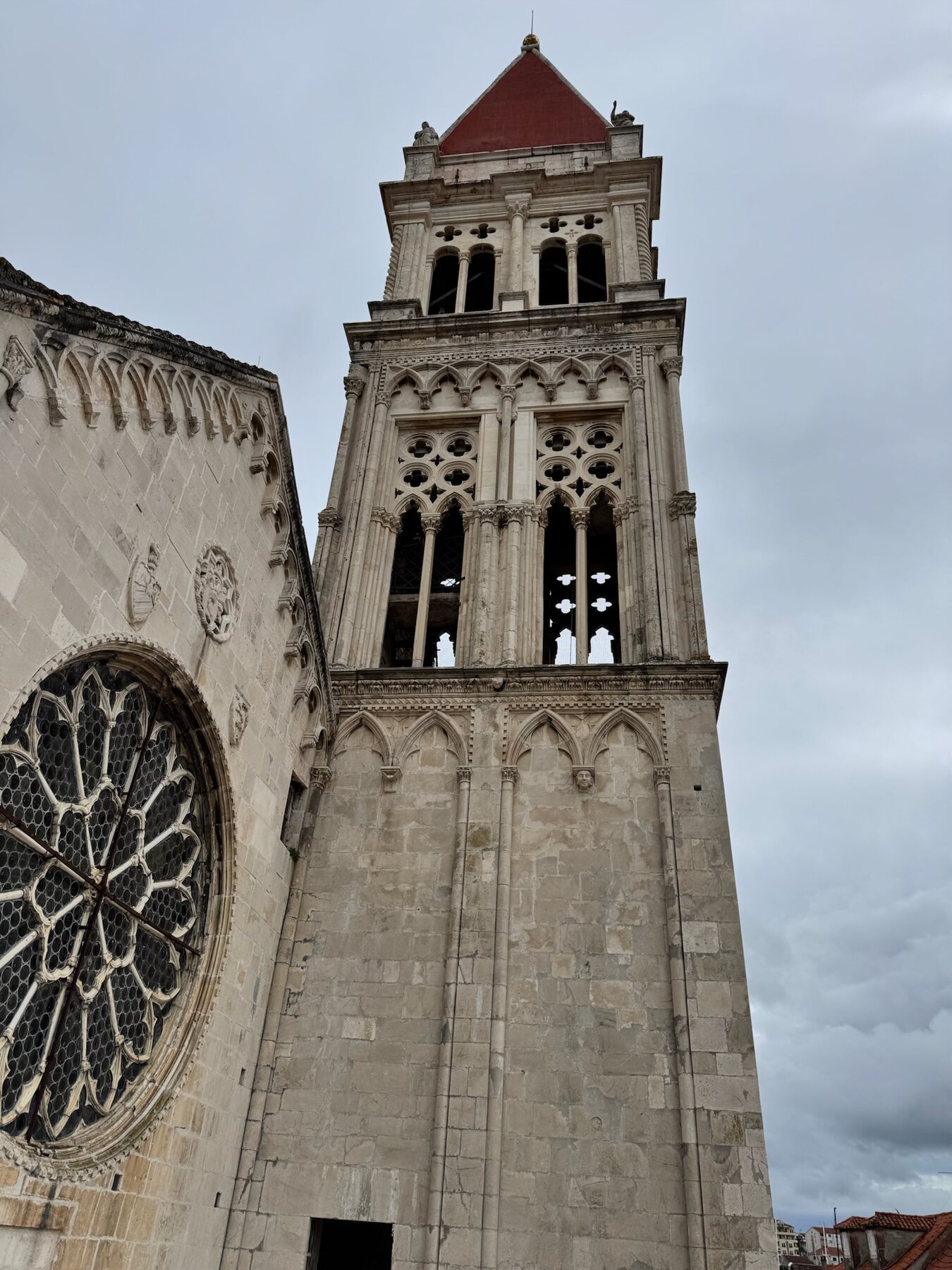
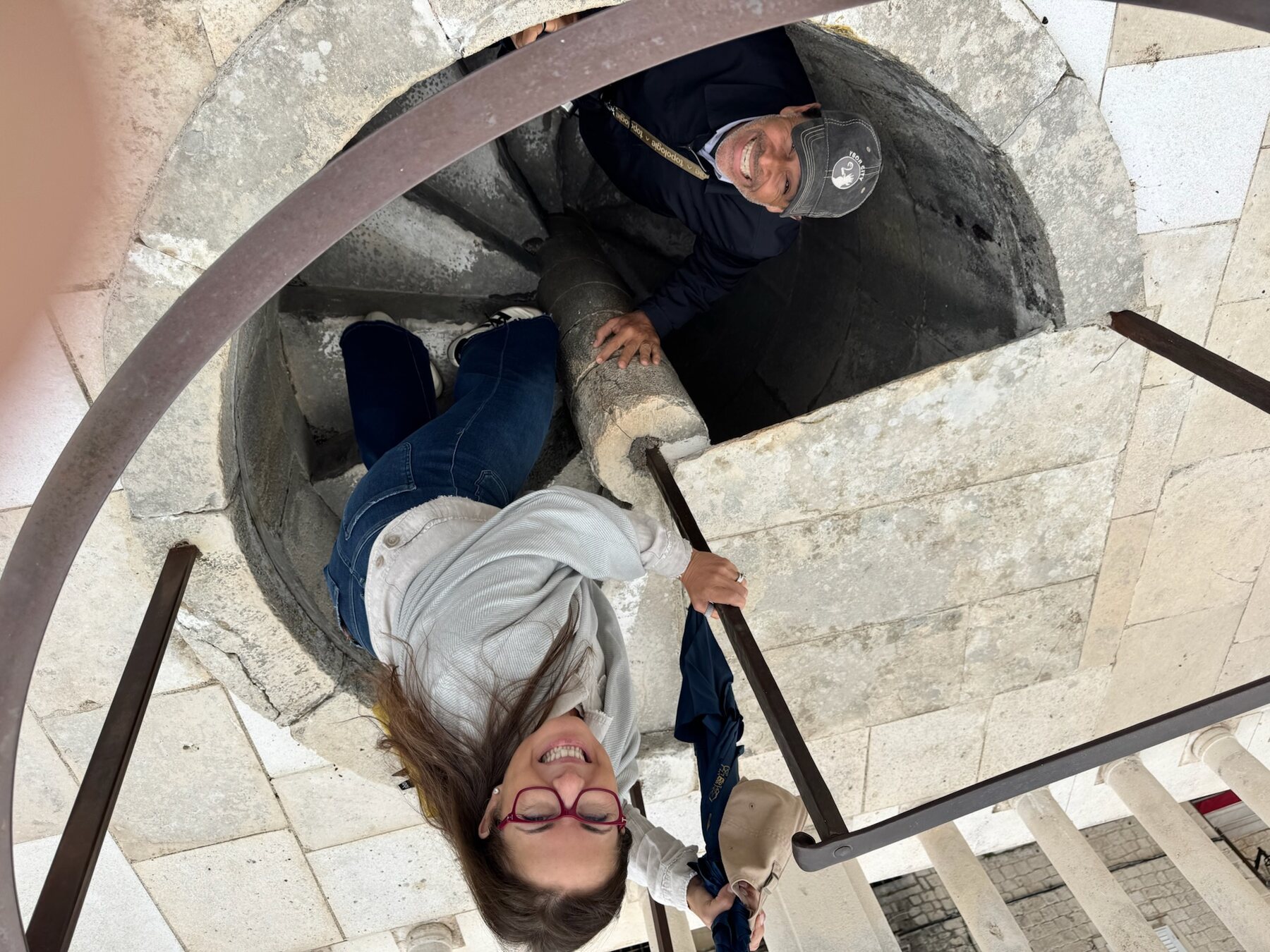
We genuinely wanted to see that historic town. We read about it. We talked about it. And then we spent the day in the thermal suite and reading on deck, again, while our braver co-travelers went ashore, climbed the cathedral bell tower, explored every lane, and spent the entire evening gloating about it over cocktails. Fair enough. They earned it.
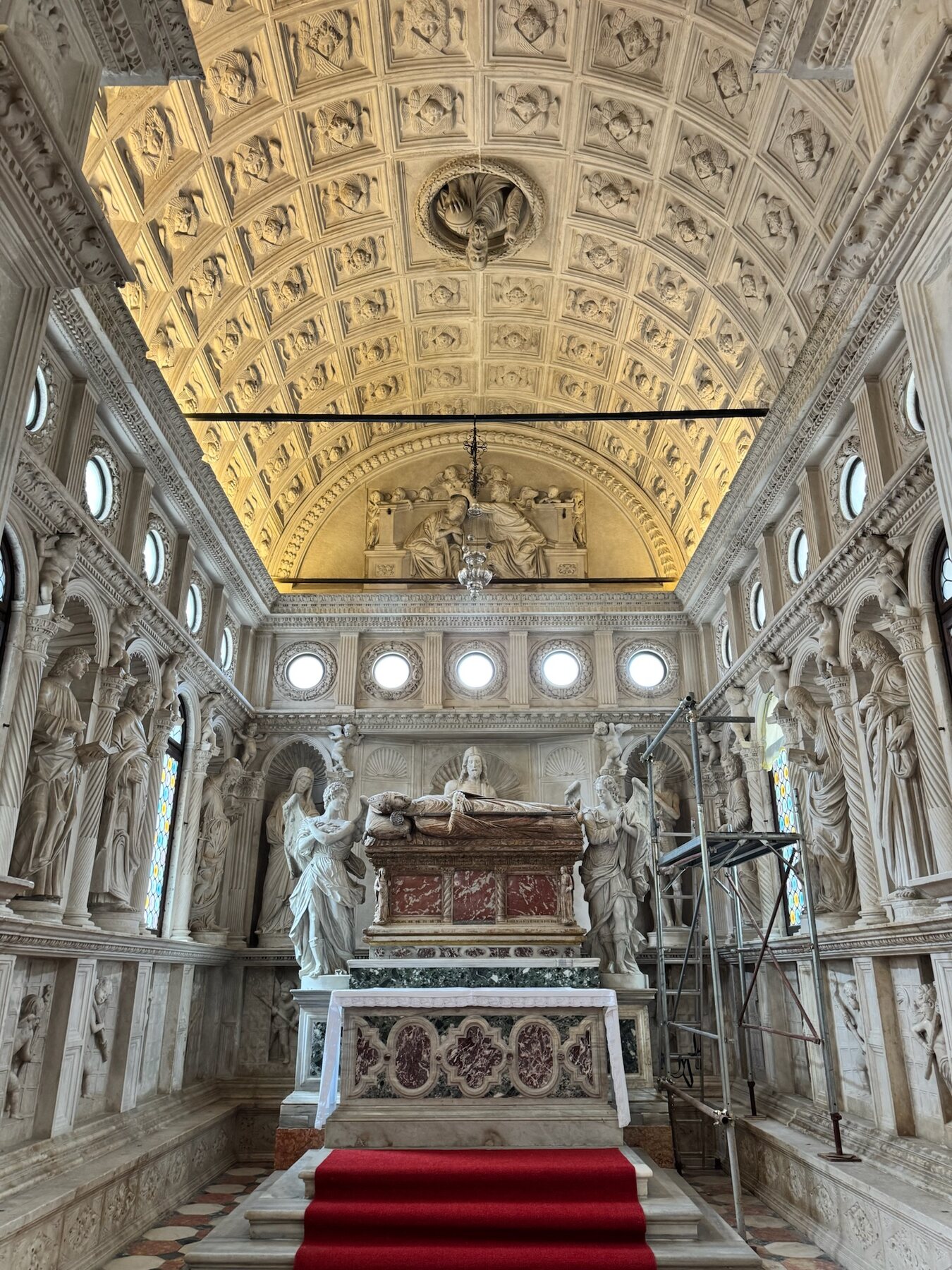
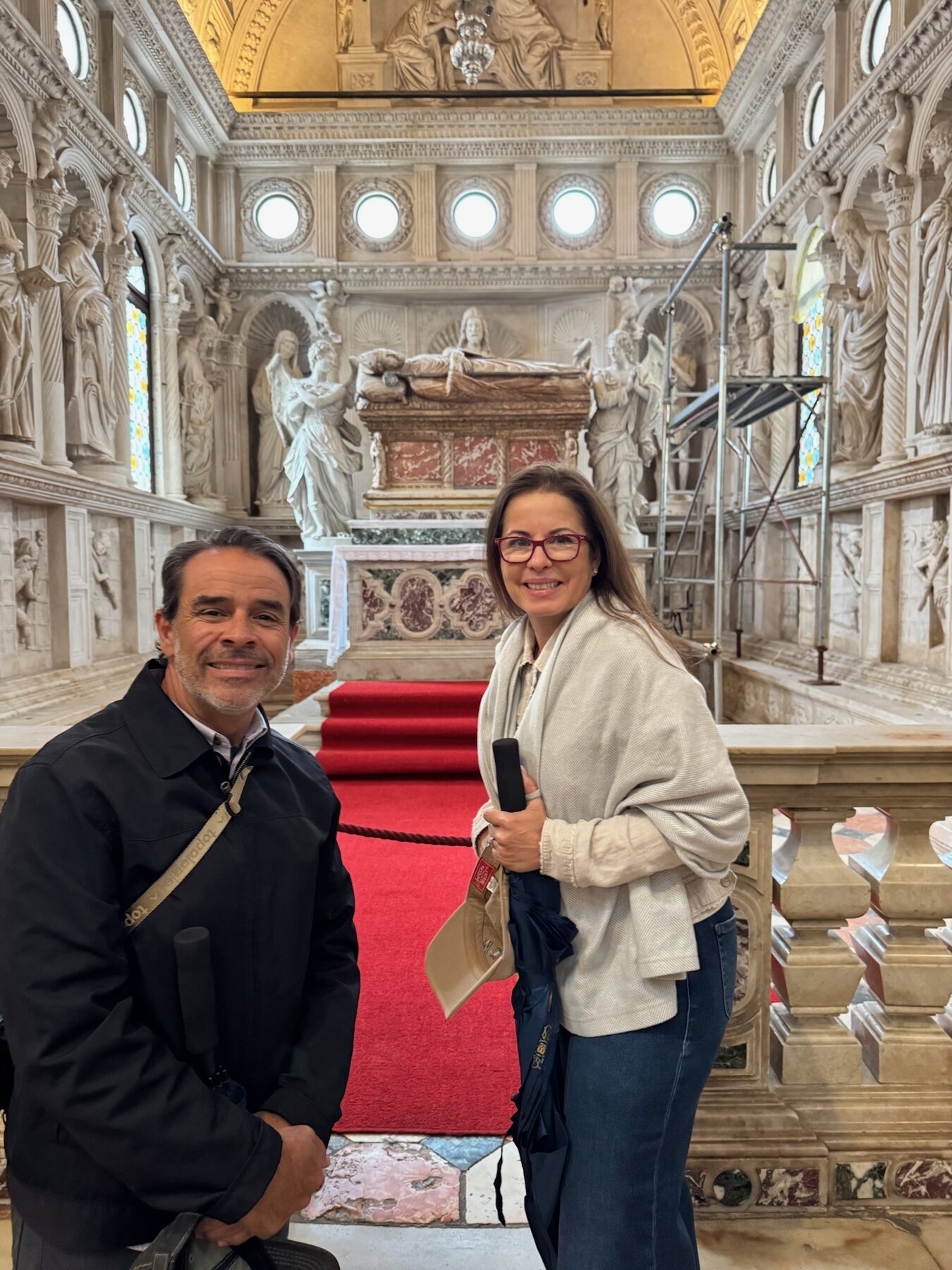
Their verdict: Scouted. A stunning cathedral, a jaw-dropping Renaissance chapel, a spiral staircase that tests your nerve, and a view from the top worth every step. We’ll just have to take their word for it. And go back.
A short taxi, a long promenade, and lattes we refuse to apologize for.
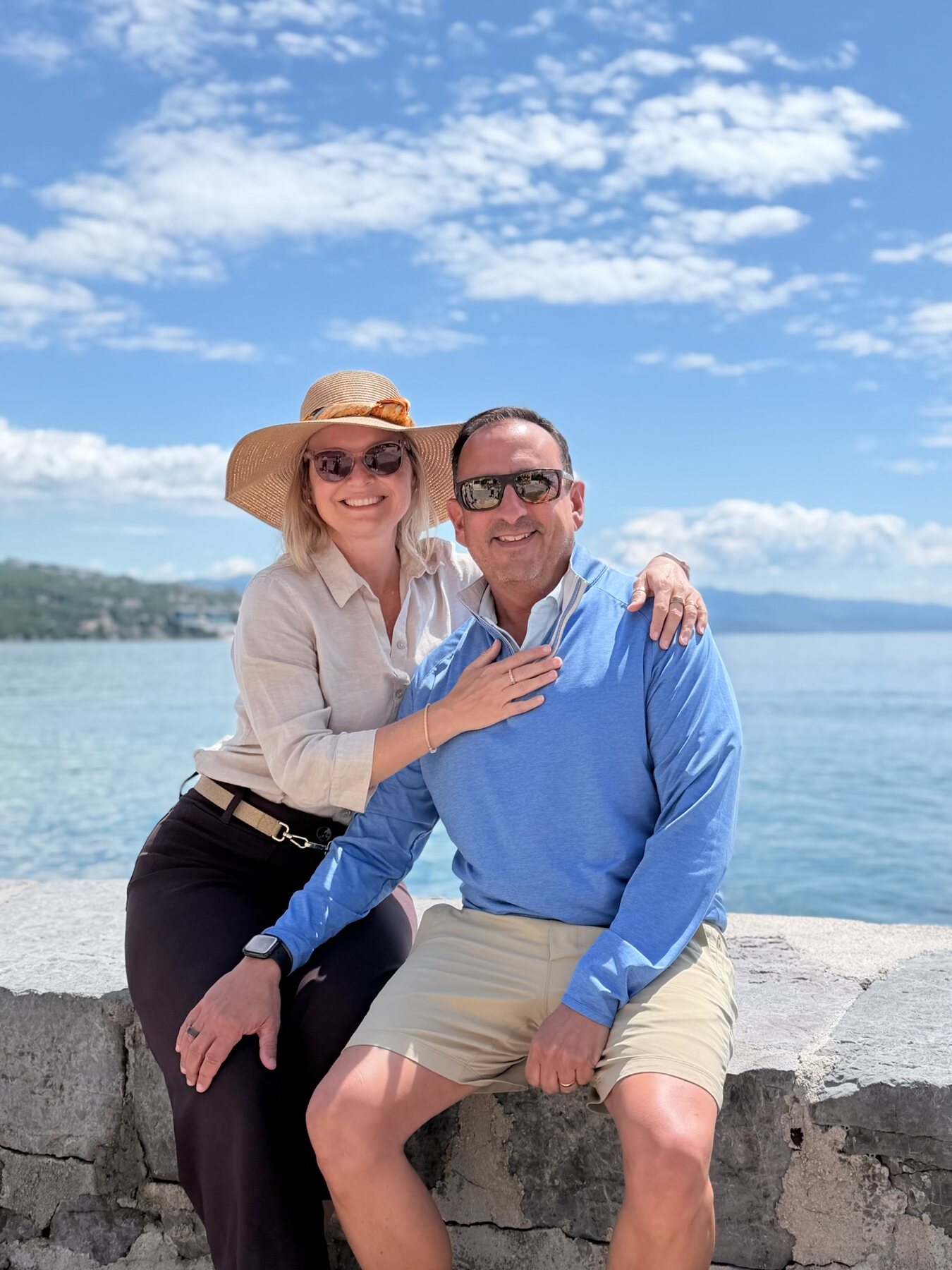
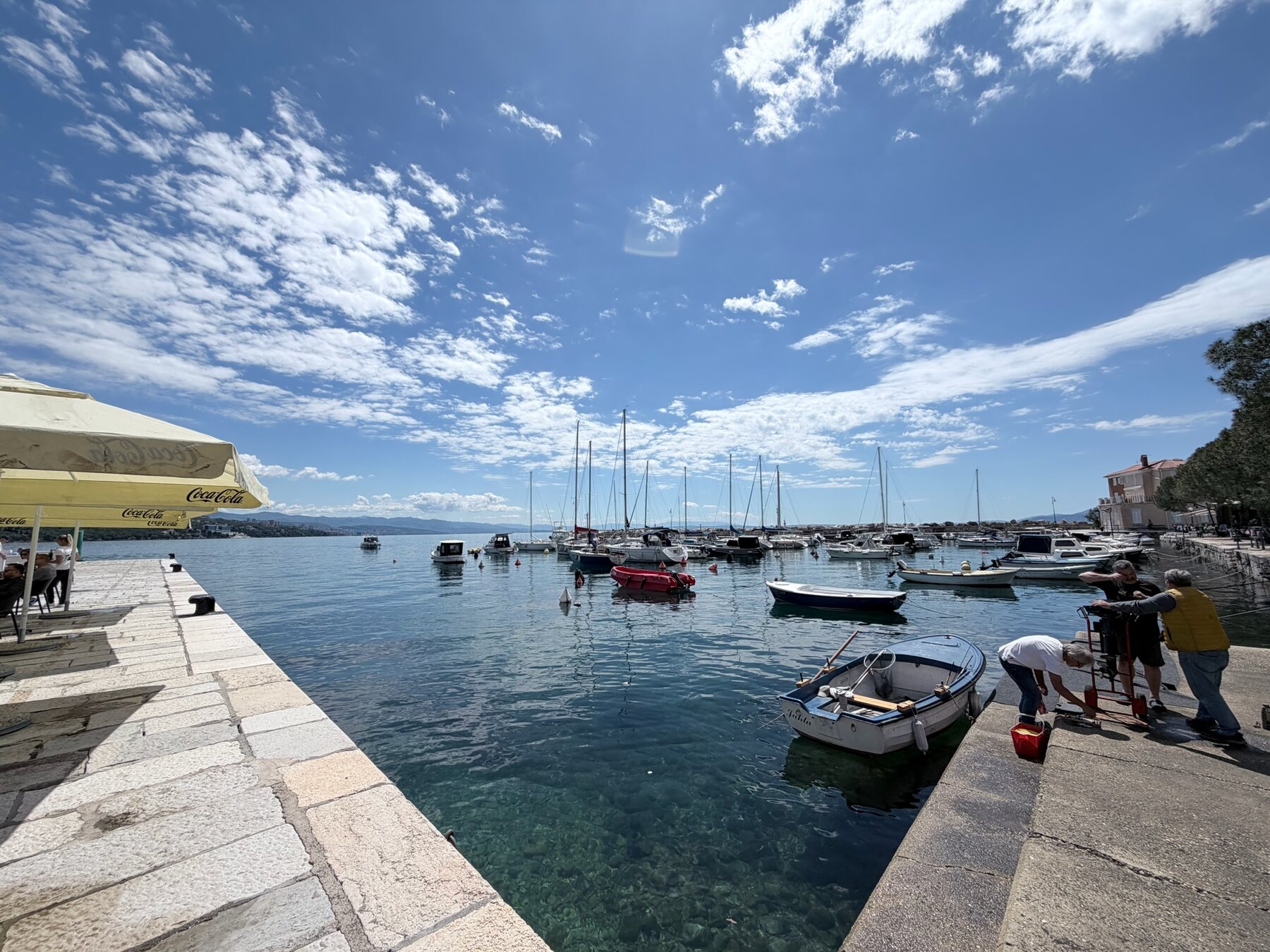
The ship docks in Rijeka, a working port city. We took one look and a taxi across the bay to Opatija, the grand old seaside resort town next door, and it was the right call. The waterfront promenade runs along the Kvarner Bay past belle-époque villas, tiny harbors full of bobbing boats, and water so clear you can count the stones on the bottom.
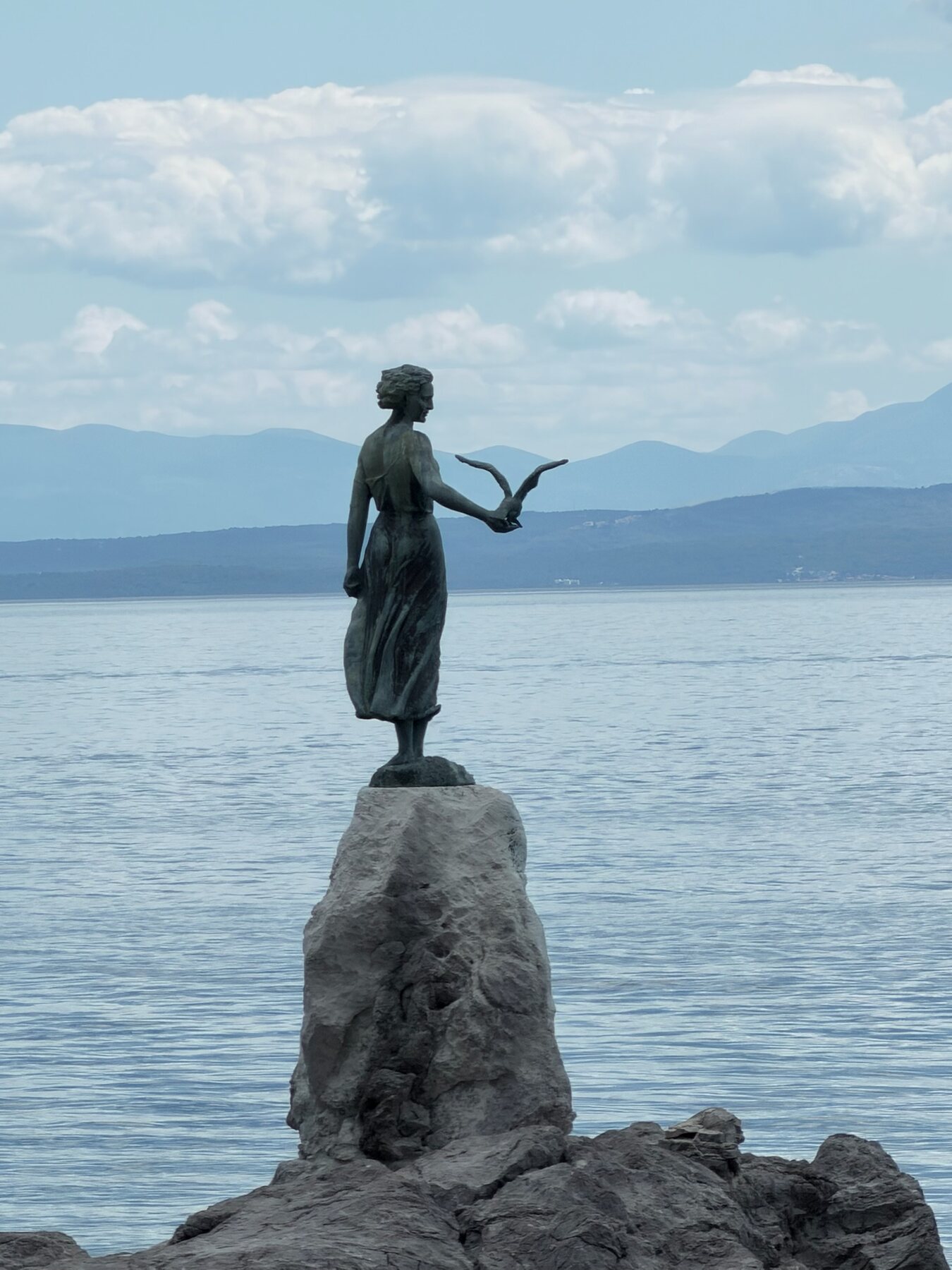
Along the way you’ll pass the Maiden with the Seagull, a bronze girl on a rock offering a gull to the sea. She is, as it turns out, Opatija’s most photographed resident. We did our part.
A few brave souls from the ship made the trek up the hill to the church. The Staches made our way to a local coffee shop for some wildly overpriced lattes instead. No regrets. It was the last port day of a two-week sailing, and some hills can stay unclimbed.
The flaw: Rijeka itself. We can’t tell you much about it, because we left it as fast as a taxi could carry us. If your ship docks here, do the same. And budget for the coffee — Opatija prices itself like the Riviera it once was.
An honest accounting, drink in hand.
Let’s be straight with you. We glimpsed a great deal of these islands with a drink in hand, from the deck of a wonderful floating hotel. A few hours ashore here, a stroll and a latte there, back aboard before the last tender. Regrets? Not one. It was a glorious way to spend two weeks.
But a port day is not the Greek Isles. Stopping in on an island and actually experiencing it are two very different things, and we’d be lying to you — and to ourselves — if we pretended otherwise. A cruise gives you the postcard: the harbor, the windmills, the fortress on the hill, a lunch you’ll remember. It doesn’t give you the slow morning in a village café, the second night after the day-trippers leave, or the island that only reveals itself once the ship has sailed.
If you want to truly explore the Greek Isles — the culture and customs that have been quietly accumulating for a few millennia — do it on foot, and island-hop on the ferries. The network is extensive, reliable enough, and the way the Greeks themselves travel. Stay a few nights. Get lost on purpose. Let an island be boring for an afternoon, because that’s usually right before it gets interesting.
And yes, we’ll admit it: we came home with a short list of islands we’d love to return to and do properly. Katapola, for its sleepy perfection. Patmos, for that monastery we only admired from below. Corfu, for the lunch that kept us ashore. Pylos and Trogir, because our scouts won’t stop gloating.
Cruise to sample the islands. Ferry to know them. We’ve done the first. The second is on the list.
No kick-backs for links. Ever.
Appian Way Column, Brindisi
The finish line of the road to Rome. Easy first-day stroll.
Find it on the map →
Nydri Waterfalls
Short hike, cold grotto pool, plenty of company.
Find it on the map →
Niokastro Fortress, Pylos
Our scouts’ verdict: worth the climb, rain and all.
Find it on the map →
Official: Visit Greece →
Katapola, Amorgos
Tiny, sleepy, no linen shops. Stroll, then a glass of wine on the waterfront.
Find it on the map →
Little Venice, Mykonos
Light bites, Greek white, and the tide at your feet. Pick your seat carefully.
Find it on the map →
Negrita, Mykonos
Random pick, crisp wine, fabulous view.
Find it on the map →
Official site →
Antiparos (by public ferry from Paros)
Skip the ship tour. Take the ferry, wander the town.
Find it on the map →
Medieval City of Rhodes
Get lost. Then walk the moat.
Find it on the map →
UNESCO World Heritage page →
Kahal Shalom Synagogue & Jewish Museum of Rhodes
Worth the entrance fee. Old temple, mikvah, and a history most visitors miss.
Find it on the map →
Official site: jewishrhodes.org →
Jewish Martyrs Square, Rhodes
A rare remembrance, crowded by hawkers.
Find it on the map →
Tassos Samourakis Gold & Silver
Lovely family-run jeweler. No VAT refund, apparently ever.
Find it on the map →
Official site →
 Chora & the Monastery of Saint John, Patmos
We wandered the town. The monastery is on our next-time list.
Find it on the map →
UNESCO World Heritage page →
Corfu Old Town
Authentic, worth the taxi from the port.
Find it on the map →
UNESCO World Heritage page →
Fortification of the Old Town of Corfu
Views, history, battlements.
Find it on the map →
Jewish Synagogue of Corfu
Simple facade, beautiful interior, very sad history.
Find it on the map →
Official: Jewish Community of Corfu →
Ampakas, Corfu
The lunch that kept us ashore. Fair prices, excellent service.
Find it on the map →
Cathedral of St. Lawrence & Bell Tower, Trogir
Our scouts climbed the tower and haven’t stopped talking about it.
Find it on the map →
UNESCO World Heritage page →
Opatija Waterfront & the Maiden with the Seagull
Taxi over from the Rijeka dock. Walk the promenade. Skip the hill if you like.
Find it on the map →
Official: Opatija Tourist Board →
Chora & the Monastery of Saint John, Patmos
We wandered the town. The monastery is on our next-time list.
Find it on the map →
UNESCO World Heritage page →
Corfu Old Town
Authentic, worth the taxi from the port.
Find it on the map →
UNESCO World Heritage page →
Fortification of the Old Town of Corfu
Views, history, battlements.
Find it on the map →
Jewish Synagogue of Corfu
Simple facade, beautiful interior, very sad history.
Find it on the map →
Official: Jewish Community of Corfu →
Ampakas, Corfu
The lunch that kept us ashore. Fair prices, excellent service.
Find it on the map →
Cathedral of St. Lawrence & Bell Tower, Trogir
Our scouts climbed the tower and haven’t stopped talking about it.
Find it on the map →
UNESCO World Heritage page →
Opatija Waterfront & the Maiden with the Seagull
Taxi over from the Rijeka dock. Walk the promenade. Skip the hill if you like.
Find it on the map →
Official: Opatija Tourist Board →